
Using a soft baby brush is one of the most effective ways to maintain infant oral hygiene while providing immediate relief to swollen, irritated gums. When a baby begins teething, the physical pressure of a gentle massage helps counteract the internal pressure of the erupting tooth. By introducing a dedicated baby brush early, you establish healthy oral habits and ease your baby’s transition into a lifetime of dental care.
To clean and soothe a teething baby’s mouth safely, caregivers must use the correct tools, apply gentle pressure, and follow a systematic approach. This guide covers how to identify teething milestones, select the safest oral care tools, and perform step-by-step brushing techniques that keep your baby comfortable and healthy.
When to Introduce a Baby Brush for Teething Relief
Teething is a significant developmental milestone that usually begins between four and seven months of age, though some infants may start earlier or later. During this phase, you will notice distinct behavioral and physical changes. Increased drooling is one of the most common signs, which can sometimes lead to mild skin irritation around the chin and mouth, especially in warm, humid tropical climates. You may also observe your baby constantly chewing on hands, toys, or bedding, alongside increased fussiness and a tendency to reject feedings due to oral discomfort.
Products mentioned in this guide


Prices are valid at publication and may change. Please refer to the product page for the latest price.
Oral care should begin long before the first tooth actually breaks through the gums. In the early months, a baby’s mouth can collect bacteria from breast milk or formula. Establishing a simple cleaning routine early on desensitizes your baby to oral stimulation, making the transition to a baby brush much smoother when teething begins in earnest.
During the initial stages of oral care, a clean, damp washcloth wrapped around your clean index finger is sufficient for wiping the gums after feedings. However, once you notice the first signs of teething—such as swollen ridges or the white bud of an emerging tooth—it is time to transition to a specialized baby brush. These tools are specifically engineered to massage sensitive gum tissue safely and clean the delicate surfaces of newly erupted teeth without causing micro-tears.
How to Choose the Right Baby Brush for Sore Gums
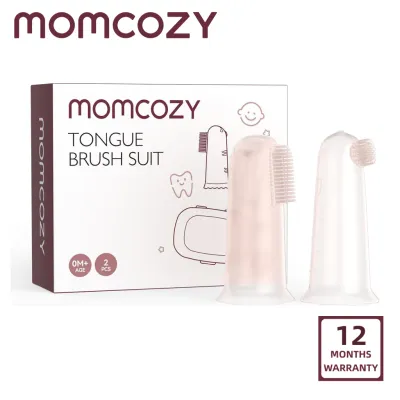
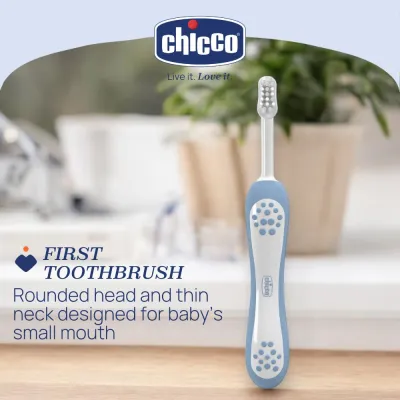
Selecting the appropriate oral care tool depends on your baby’s current stage of dental development. For infants who are just beginning to show signs of teething but do not yet have visible teeth, a silicone finger brush is highly recommended. These brushes slip over an adult’s finger and feature soft, flexible silicone bumps that are ideal for gently massaging sore gum ridges. Once the first tooth fully erupts, you should transition to a handheld baby brush with an ultra-soft bristle head designed to sweep away plaque from tiny tooth surfaces.

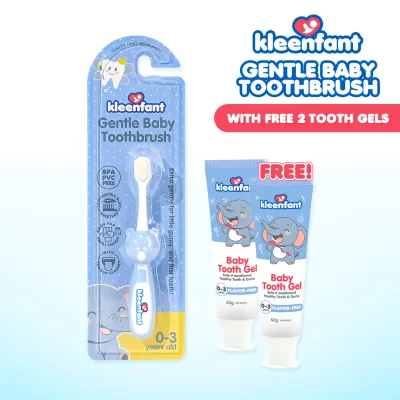
When shopping for a baby brush, prioritize safety and design features tailored to infant anatomy. Always choose products made from 100% food-grade, BPA-free silicone or high-quality, non-toxic plastics. Look for ultra-soft, rounded nylon bristles that are gentle on delicate enamel and gum tissue. Additionally, select a brush with a wide, easy-grip handle that allows you to maintain precise control, or one equipped with a protective safety shield to prevent the brush from sliding too far into the baby’s mouth.
Before purchasing any oral care product, carefully read the manufacturer’s packaging for age ratings, safety certifications, and specific care instructions. Infant toothbrushes are generally categorized by age brackets, such as 0 to 2 years. In local pharmacies and baby specialty stores in the Philippines, high-quality, certified baby brushes typically range from ₱100 to ₱400, depending on the materials and features included.
Never use a hard-bristled toothbrush, an adult toothbrush, or unverified novelty dental products on an infant. Adult brushes have large heads and stiff bristles that can easily scrape, bruise, or lacerate a baby’s sensitive gums. Using improper tools can cause pain, which may lead to your baby developing a strong aversion to oral hygiene practices in the future.
Step-by-Step Guide to Brushing Gums and First Teeth
Proper technique is essential to ensure that oral cleaning is both effective and comfortable for your teething baby. The process changes slightly depending on whether you are massaging closed gums or cleaning newly erupted teeth.
Massaging the Gums Before and During Eruption
1. Wash Your Hands Thoroughly Before placing any tool or finger into your baby’s mouth, wash your hands with soap and clean water for at least 20 seconds. This prevents the introduction of harmful bacteria or viruses into your baby’s sensitive oral cavity.
2. Position and Prep the Brush Slip a clean, sanitized silicone finger brush onto your index finger. If the brush is dry, moisten it slightly with cool, clean water to make the texture more comfortable against the baby’s dry gums.
3. Apply Gentle Circular Motions Carefully insert your finger into your baby’s mouth and place the textured side of the silicone brush against the gum line. Move your finger in small, slow, circular motions along the upper and lower ridges.
4. Use Light, Comforting Pressure Apply only mild pressure. The goal is to provide a firm, counter-active pressure that mimics the sensation of chewing, which helps temporarily relieve the deep throbbing pain of an erupting tooth. Avoid scrubbing or applying heavy pressure, which can irritate the delicate outer membrane of the gums.
Cleaning the First Erupted Teeth
1. Secure and Comfort Your Baby Sit in a well-lit area and place your baby securely on your lap, cradling their head in your arm. This position allows you to see clearly into their mouth while keeping their head stable and supported.
2. Apply a Smear of Toothpaste Dispense a tiny, rice-grain-sized smear of age-appropriate, low-fluoride or fluoride-free toothpaste onto the wet bristles of the baby brush. Always consult your pediatrician or pediatric dentist to determine the best type of toothpaste for your baby’s specific developmental stage and local water fluoridation levels.
3. Brush in Gentle Circles Angle the bristles at a 45-degree angle toward the gum line. Gently brush all surfaces of the newly erupted tooth—front, back, and chewing surface—using light circular strokes. Ensure you also sweep gently over the surrounding gum tissue where plaque can easily accumulate.
4. Wipe Away Excess Paste Babies do not yet know how to spit out toothpaste. Once you finish brushing, use a clean, damp, soft baby washcloth to gently wipe away any excess toothpaste, saliva, or loosened debris from their lips and gums.
Tips to Minimize Irritation and Soothe Teething Pain
To make oral care a positive experience, timing is everything. Avoid brushing when your baby is overly tired, hungry, or experiencing an acute teething flare-up. Instead, schedule brushing sessions when your baby is relatively calm and alert, such as shortly after a morning feeding or during their bath routine when they are relaxed.
Using temperature to your advantage can significantly reduce gum inflammation before you begin brushing. Place a clean silicone baby brush or a dedicated silicone teether in the refrigerator for 10 to 15 minutes before use. The cool temperature acts as a mild, natural numbing agent for sore gums. Never place oral care tools or teethers in the freezer, as extreme cold can freeze the material and cause direct tissue damage or frostbite to your baby’s delicate oral mucosa.
Distraction is an excellent tool for managing a fussy baby during brushing. Sing a simple, repetitive song, talk in a soothing, high-pitched voice, or let your baby hold a favorite soft toy. Keeping the environment lighthearted prevents the baby from associating the toothbrush with discomfort or stress.
Avoid common mistakes that can turn brushing into a battle of wills. Never force your baby’s mouth open aggressively or brush with rapid, back-and-forth sawing motions. Additionally, avoid using strongly flavored adult toothpastes, which can burn or irritate an infant’s sensitive taste buds. If your baby resists, stop the session, comfort them, and try again later when they are more receptive.
When to Stop Brushing and Consult a Pediatric Dentist
While mild swelling, increased drooling, and temporary irritability are normal parts of the teething process, certain symptoms warrant immediate attention. Stop your daily brushing routine and inspect your baby’s mouth if you notice severe, deep-red inflammation, persistent bleeding that does not stop after a few seconds, or visible white or yellow sores on the gums or inner cheeks.
Watch closely for signs of a localized or systemic infection. If you observe pus draining from around an erupting tooth, or if your baby develops a high fever, diarrhea, or vomiting, seek medical care. While a slight rise in body temperature (under 38°C or 100.4°F) can sometimes accompany teething, a true fever is typically a sign of an underlying viral or bacterial infection and should never be attributed solely to teething.
Schedule your baby’s first dental visit with a pediatric dentist by their first birthday, or within six months after their first tooth erupts. If your baby experiences unmanageable pain that does not respond to cool compresses, or if you have concerns about the alignment, color, or eruption pattern of their new teeth, consult a professional immediately to ensure your baby’s oral development is on the right track.
Frequently Asked Questions (FAQ)
Can I use a regular toothbrush for my teething baby?
No, you should not use a regular or adult toothbrush for a teething baby. Regular toothbrushes have larger heads that cannot fit comfortably in an infant’s small mouth, and their bristles are far too stiff and abrasive. Using an adult brush can easily scratch your baby’s delicate enamel, scrape their sensitive gums, and cause pain, which may make them fearful of future brushing. Always use a dedicated baby brush with ultra-soft bristles and a compact head designed specifically for infants.
How often should I brush my baby's gums and teeth?
You should brush your baby’s gums and teeth twice a day—once in the morning and once before bedtime. Cleaning the mouth before sleep is particularly important because saliva flow decreases during sleep, allowing cavity-causing bacteria to multiply more rapidly. During severe teething flare-ups when your baby’s gums are highly sensitive, you can temporarily focus more on gentle silicone gum massages and reduce the brushing pressure, prioritizing your baby’s comfort while still maintaining basic oral hygiene.
Community discussion
Share your experience or ask a question. Comments are reviewed before publication.