
Transitioning your toddler to a larger diaper size is a common milestone that often comes with a bit of guesswork. Knowing when to make the switch to Rascal and Friends XL diapers typically depends on a combination of your child’s current weight, physical fit, and diaper performance. If you are noticing frequent leaks, red marks on your baby’s skin, or tabs that barely reach the fastening zone, it is likely time to transition.
In tropical climates like the Philippines, finding the correct diaper fit is especially important. High humidity and heat can exacerbate skin friction, making a tight-fitting diaper highly uncomfortable and prone to causing heat rashes. Recognizing the subtle signs of an improper fit helps keep your active toddler dry, comfortable, and free from skin irritation.
Check the Weight and Size Guidelines
The first step in assessing diaper readiness is checking the manufacturer’s weight guidelines. You can easily locate the weight chart on the Rascal and Friends packaging or on official online marketplace listings. These charts provide a helpful baseline, but they should be treated as a starting point rather than an absolute rule.
Products mentioned in this guide
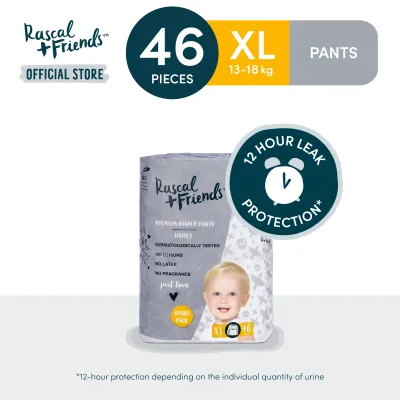
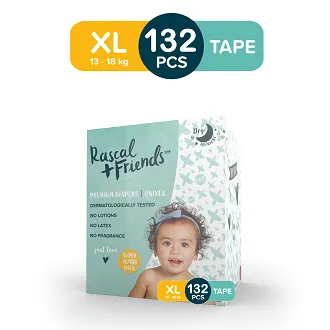
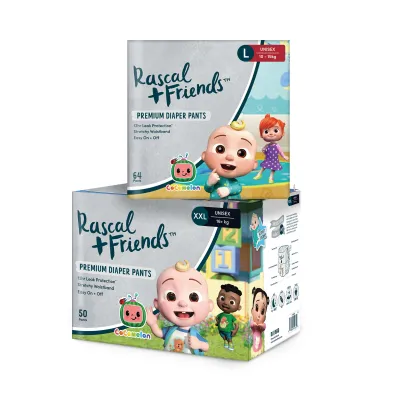
Prices are valid at publication and may change. Please refer to the product page for the latest price.
As babies grow, their body shapes change significantly. Two toddlers weighing exactly the same might require different diaper sizes due to differences in waist circumference, thigh plumpness, or torso length. When your baby’s weight starts to overlap between size L and size XL, it is time to pay closer attention to how the diaper actually sits on their body.
If your toddler is approaching the upper limit of the size L weight range, their current diapers may still technically fasten but lack the overall surface area needed for adequate coverage. Keep in mind that diaper brands design their size ranges to accommodate average growth patterns, but your child’s unique proportions will ultimately dictate the best fit. Always verify the specific weight range printed on your current packaging, as sizing standards can occasionally be updated by the manufacturer.
Look for Physical Signs of a Tight Fit
Physical indicators on your baby’s skin are among the most reliable signs that a diaper has become too small. When you change your toddler, carefully inspect their waist, tummy, and upper thighs. Red marks, deep indentations, or signs of chafing indicate that the elastic bands are restricting movement and pressing too tightly against the skin.

In warm and humid conditions, these tight spots can quickly trap sweat and moisture, leading to painful chafing or diaper rash. A properly fitting diaper should hug your baby’s body gently without leaving lasting impressions. If you notice persistent redness that does not fade shortly after diaper removal, the current size is likely too restrictive.
Another physical sign is how much coverage the diaper provides. A diaper that is too small will fail to fully cover your toddler’s buttocks or will sit uncomfortably low on their waist, falling well below the belly button. Additionally, look at the fastening tabs; if you have to stretch them to the very edges of the landing zone to secure the diaper, or if they struggle to stay closed during active play, your toddler has outgrown the size.
Monitor Leak and Performance Indicators
Frequent leaks are a clear signal that a diaper’s physical dimensions and absorbency capacity are no longer matching your toddler’s needs. If you start experiencing leaks around the leg cuffs or the waistband, it is often because the diaper lacks the surface area to contain liquid. These tension gaps occur when the diaper is stretched too thin across the body, pulling the protective barriers away from the skin.
You should also evaluate how quickly the diaper becomes saturated. If the diaper feels completely full, heavy, or sags significantly after only a single moderate wetting, the absorbency core of the size L diaper is likely maxed out. As toddlers grow, their bladder capacity increases, meaning they release larger volumes of liquid at one time, requiring the expanded core of an XL diaper.
Pay close attention to nighttime and naptime leaks. If your toddler suddenly starts waking up wet despite you maintaining the exact same changing routine, their current diaper size may no longer be able to handle the volume of overnight wetting. Upgrading to the larger XL size provides a larger absorbent zone, which can help keep your baby dry throughout the night.
Rule Out False Sizing Signals
Before purchasing a large quantity of XL diapers, it is wise to rule out other factors that might cause temporary leaks or fit issues. Sometimes, a leaking diaper is simply the result of improper application rather than incorrect sizing. Ensure that the inner leak guards—the ruffled barriers along the leg cuffs—are fully pulled out and standing upright before securing the tabs symmetrically.
It is also worth considering whether your toddler’s leaks are a constant issue or if they are isolated to specific times of the day. If leaks only happen overnight, you might need a specialized high-absorbency overnight diaper rather than a larger daytime size. Sizing up prematurely can result in gaps around the legs, which actually increases the likelihood of leaks.
Additionally, temporary factors can influence diaper performance. Growth spurts, sudden increases in liquid intake, or new mobility milestones like walking and running can temporarily alter how a diaper sits and performs. Give it a few days to observe if the fit issues persist before committing to a full size transition.
Test the Fit of the New XL Diapers
Once you decide to try the Rascal and Friends XL diapers, you can perform a few simple checks to confirm the transition is successful. First, apply the new diaper and try the two-finger rule. You should be able to comfortably slide two fingers between the waistband and your baby’s tummy without feeling excessive tightness or resistance.
Next, inspect the leg cuffs. The elastic barriers should sit flat against your toddler’s thighs without gaping or digging into their skin. If there are visible gaps where you can see inside the diaper, the size is still too large, and you may need to wait a little longer before making the switch.
Finally, observe your toddler during active play. A well-fitting XL diaper should stay securely in place as your child crawls, walks, or climbs. If the diaper sags excessively when empty, bunches up uncomfortably, or shifts out of alignment, it may be slightly too big, meaning your toddler is still in the transition phase between sizes.
Frequently Asked Questions (FAQ)
Can I alternate between size L and XL during the transition?
Yes, alternating between sizes is a practical way to manage your diaper inventory while your toddler is between sizes. When budgeting for diaper packs in ₱, using up your remaining size L diapers during the day is a great way to prevent waste. You can use these remaining diapers during the day when you can perform more frequent changes, and save the larger XL diapers for overnight use, long naps, or car rides when you need maximum absorbency. Throughout this transition period, continue to monitor your baby’s skin for any signs of discomfort or redness.
What should I do if the XL diapers still leak?
If the new XL diapers continue to leak, start by re-evaluating your application technique. Ensure the waistband is snug and the leg ruffles are fully flared outward to create an effective seal. If the application is correct but leaks persist, your toddler’s output volume might require a dedicated overnight diaper rather than a standard daytime diaper. If you notice unusual urinary frequency, skin irritation, or persistent rashes, consult a pediatrician or healthcare professional for personalized guidance.
Community discussion
Share your experience or ask a question. Comments are reviewed before publication.