
Identifying genuine Sudocrem Original Cream in the Philippines requires a systematic approach that combines physical inspection, sensory evaluation, and careful selection of your retail source. Because counterfeit baby products frequently enter online marketplaces, relying on a single visual cue is rarely enough to guarantee safety. By comparing your tub against official manufacturer specifications and purchasing only from authorized distributors, you can protect your baby’s delicate skin from the hazards of unregulated formulations.
In a tropical climate like the Philippines, high humidity and heat can naturally affect how products are stored, but they should never alter the fundamental characteristics of a genuine cream. Parents must remain vigilant, as counterfeiters have become highly sophisticated in replicating external packaging. Taking a few minutes to verify the tub before application ensures that you are applying a safe, tested barrier cream to your infant’s skin.
Why Authenticity Matters for Baby Skin Care
An infant’s skin barrier is significantly thinner and more permeable than that of an adult, making babies highly susceptible to absorbing topical substances. When a counterfeit diaper cream is applied to an active diaper rash, any harmful or unregulated chemicals in the fake formula can directly penetrate the compromised skin. Counterfeit operations do not adhere to sterile manufacturing practices, meaning these products may contain heavy metals, industrial solvents, or bacterial contaminants that can trigger severe allergic reactions, chemical burns, or systemic infections.
Products mentioned in this guide
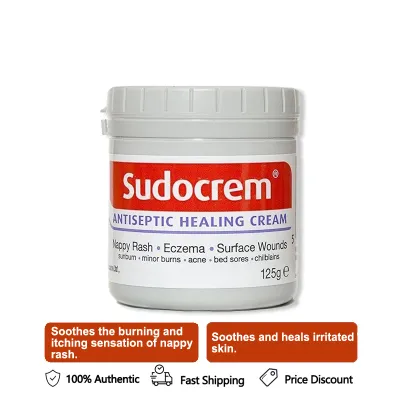
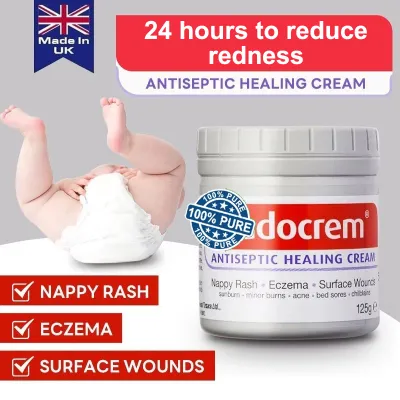
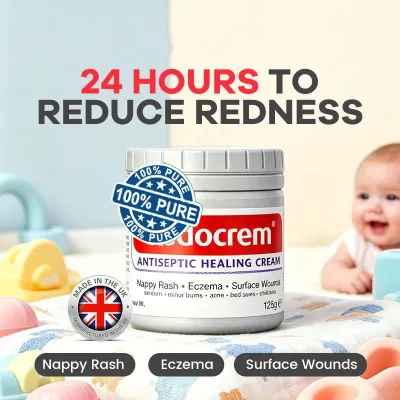
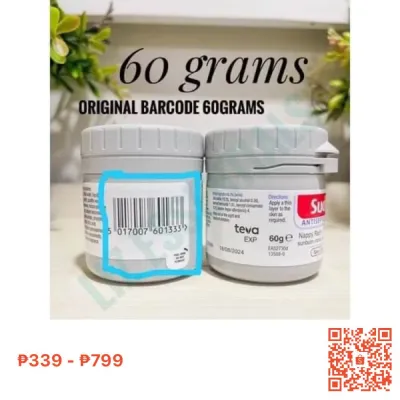
Prices are valid at publication and may change. Please refer to the product page for the latest price.
Furthermore, genuine barrier creams rely on precise formulations of active ingredients, such as zinc oxide, to shield the skin from moisture and enzymes present in soiled diapers. Fake products often lack these essential protective agents or use low-grade substitutes that fail to repel wetness. Instead of soothing irritation, a counterfeit cream can trap moisture against the skin, worsening diaper dermatitis and causing unnecessary discomfort for your baby. Ensuring the authenticity of your skincare products is a fundamental step in maintaining a safe, hygienic nursery environment.
Key Visual and Physical Checks for Genuine Sudocrem
When evaluating your diaper cream, the most reliable baseline is the official product documentation and imagery provided on the manufacturer’s official website or by authorized retail partners. Because packaging standards can vary slightly depending on the country of origin and the specific batch, comparing your tub to a verified, current reference is essential. Keep in mind that manufacturers periodically update their label layouts, font styles, and security features to combat counterfeiting, so older online guides may not reflect the latest design standards.

Packaging and Labeling Details
Begin your inspection by examining the overall print quality on the grey tub. Genuine packaging features crisp, clear lettering with no ink bleeding, smudging, or spelling errors, which are common hallmarks of cheap printing presses used by counterfeiters. Pay close attention to the alignment of the text and the consistency of the brand’s signature colors; any fading, unusual color shifts, or misaligned labels warrant immediate caution.
Next, locate the regulatory details, batch codes, and expiration dates, which are typically stamped or printed directly onto the tub rather than on a separate, easily peeled sticker. The batch code should be clearly legible and match any accompanying documentation or outer packaging if your product arrived in a box. Additionally, inspect the tamper-evident plastic collar or seal around the lid. A genuine tub should have a secure, unbroken seal that requires deliberate effort to open, ensuring the contents have not been altered or exposed since leaving the factory.
Texture, Scent, and Consistency
Once you open the tub, observe the physical characteristics of the cream under good lighting. Genuine Sudocrem is a very thick, white, paste-like barrier cream that does not easily run or spill when the tub is tilted. While extreme tropical heat in the Philippines can occasionally cause a very minor layer of oil to separate on top of zinc oxide creams, the underlying paste should remain smooth and uniform when stirred, without any gritty, lumpy, or watery textures.
The scent is another critical indicator of authenticity. The genuine formulation has a distinct, mild lavender fragrance that is clean and not overpowering. If the cream emits a harsh, chemical, sour, or heavily perfumed odor, this suggests the use of unauthorized synthetic fragrances or rancid base ingredients. If you detect any unusual smell or if the texture feels gritty or excessively oily, stop use immediately and do not apply the product to your baby’s skin.
Evaluating the Seller and Purchase Channel
The most effective way to prevent purchasing counterfeit baby care products is to control where you shop. In the Philippines, prioritize buying your diaper creams from established, licensed physical pharmacies, major supermarkets, or the official flagship stores of authorized distributors on reputable e-commerce platforms. These entities maintain strict supply chain controls, sourcing their inventory directly from the manufacturer or verified importers, which virtually eliminates the risk of stocking counterfeit goods.
When shopping on online marketplaces, exercise extreme caution when encountering third-party sellers, especially those offering prices that seem too good to be true. While discounts are common, a price point significantly below the standard retail average is a major red flag that often indicates counterfeit, smuggled, or expired stock. Always review the seller’s profile, looking for verified business credentials, high positive feedback ratings, and detailed customer reviews that include photos of the actual product received.
Be wary of listings that use generic stock photos instead of actual product images, or those with reviews complaining of watery consistency or different packaging. Unauthorized sellers often operate under temporary profiles, disappearing once negative reviews accumulate, only to reappear under a different name. Investing a little extra to purchase from a verified source provides invaluable peace of mind regarding your child’s health and safety.
What to Do If You Suspect a Counterfeit Product
If you suspect that the cream you purchased is not genuine, the first and most crucial step is to stop using it immediately. Do not attempt to test the cream on your own skin or your baby’s skin to “see if it works,” as even a small application of an unregulated chemical can cause severe irritation or allergic reactions. Store the tub safely out of reach of children while you proceed with verification.
Next, document your concerns by taking high-resolution photographs of the tub from all angles, focusing on the batch code, the print quality, the seal, and the texture of the cream inside. Contact the customer service department of the platform or store where you made the purchase to initiate a return or refund, citing your counterfeiting concerns and providing your photographic evidence. Most reputable e-commerce platforms have buyer protection programs that investigate counterfeit claims and penalize fraudulent sellers.
To obtain a definitive assessment, reach out directly to the official customer support channels of the manufacturer. Provide them with the batch code, purchase location, and your photos; their quality assurance teams can verify if the batch code matches their production records for that specific packaging style. Finally, report the suspicious seller to local consumer protection agencies, such as the Food and Drug Administration (FDA) or the Department of Trade and Industry (DTI) in the Philippines, to help protect other families from purchasing harmful counterfeit products.
Frequently Asked Questions (FAQ)
Can I rely solely on the batch code to verify authenticity?
No, you cannot rely exclusively on a batch code to guarantee that a product is genuine. Sophisticated counterfeiters frequently copy valid batch codes from authentic tubs and print them onto hundreds of fake labels, meaning a simple online batch code checker might register the code as valid even if the product is counterfeit. The batch code should only be used as one part of a comprehensive physical inspection, and any lingering doubts should be verified directly with the manufacturer’s customer service team.
Is it safe to use the cream if the packaging looks slightly different?
Slight variations in packaging do not automatically mean a product is counterfeit, as manufacturers occasionally update their label designs, change sourcing facilities, or adjust packaging elements to comply with local regulatory updates in different regions. However, because these differences can also indicate a fake product, you should verify the changes before using the cream. Check the manufacturer’s official regional website or contact their customer support to confirm if a recent packaging update matches the specific design of the tub you purchased.
Community discussion
Share your experience or ask a question. Comments are reviewed before publication.