
As a parent in the Philippines, keeping your baby’s skin comfortable and rash-free is a constant priority, especially in our hot and humid tropical climate. Sudocrem has long been a trusted household staple for soothing diaper rash, heat rash, and minor skin irritations. However, the popularity of this classic barrier cream has made it a frequent target for counterfeiters. Finding a genuine soducrem original tub requires a sharp eye, as applying a counterfeit product to your baby’s delicate skin can lead to severe irritation or allergic reactions.
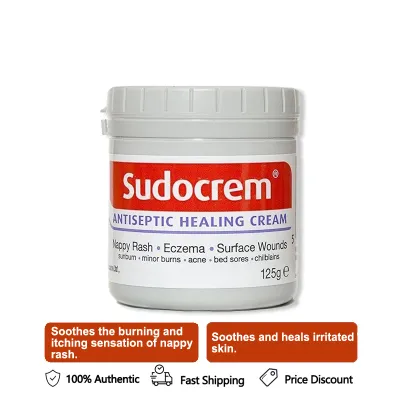
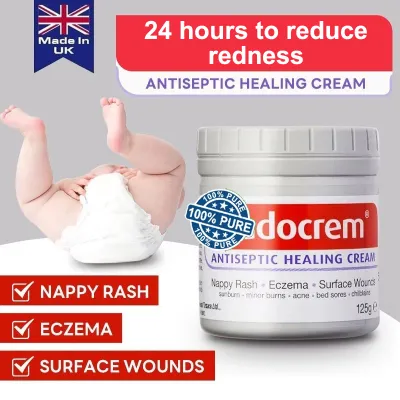
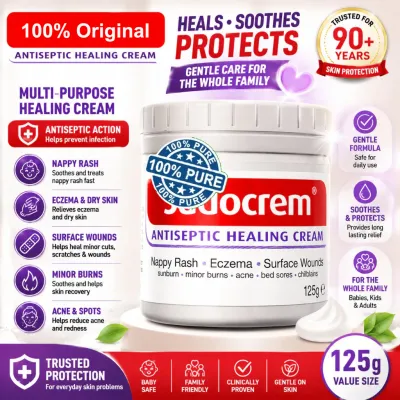
To determine if your Sudocrem is authentic, you must evaluate the packaging, inspect the physical properties of the paste, and verify the purchase source. Genuine Sudocrem is characterized by a high-quality grey jar with crisp, aligned typography, a secure safety seal, and a thick, pale grey-white paste with a distinct, mild lavender scent. Counterfeits often fail on these details, exhibiting blurry labels, watery or grainy textures, and harsh chemical odors.
Why Authenticity Matters for Baby's Skin
An infant’s skin barrier is significantly thinner and more permeable than that of an adult. In the tropical heat of the Philippines, babies are highly prone to diaper rash and prickly heat due to trapped moisture and sweat. Genuine Sudocrem is formulated to create a protective barrier that shields this sensitive skin from wetness and irritants while promoting healing. The active ingredients, such as zinc oxide, are carefully sourced and manufactured under strict quality control standards to ensure safety.
Products mentioned in this guide
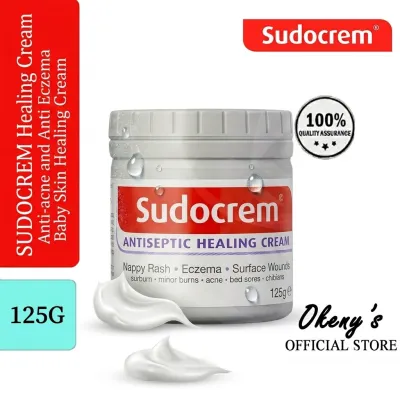
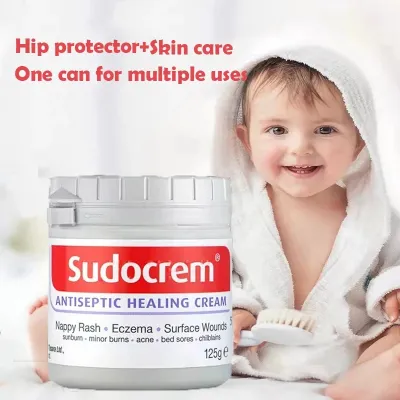
Prices are valid at publication and may change. Please refer to the product page for the latest price.
When counterfeiters replicate diaper creams, they prioritize profit over safety. Fake products are manufactured in unregulated, unhygienic facilities without quality control. These counterfeit creams may contain cheap fillers, heavy metals, industrial chemicals, or even bacterial contamination. Because a baby’s skin absorbs topical products more readily, applying these hazardous substances can quickly trigger contact dermatitis, severe chemical burns, or systemic infections that require urgent medical intervention. Ensuring you are using an authentic product is a critical safety measure to protect your child from avoidable pain and skin damage.
Key Differences Between Soducrem Original and Fake Sudocrem
Spotting a counterfeit diaper cream requires a systematic approach. Counterfeit manufacturers have become increasingly sophisticated at mimicking the external appearance of popular brands, meaning a quick glance at the jar is no longer enough. To protect your baby, you must examine the product across multiple physical and sensory dimensions before allowing it to touch your child’s skin.

A reliable inspection involves evaluating the packaging design, checking the security features, and analyzing the paste’s physical properties once the jar is opened. While a single minor printing variation might occasionally occur due to regional packaging updates, a combination of multiple red flags is a strong indication that the product is a fake. By understanding what a genuine jar looks, feels, and smells like, you can confidently filter out unsafe imitations.
Packaging and Labeling Details
The exterior jar is your first line of defense. Genuine Sudocrem is packaged in a sturdy, high-quality grey plastic jar. The signature grey and teal colors on the label should be consistent, vibrant, and perfectly aligned. Carefully inspect the typography on both the front and back labels; authentic packaging features crisp, clear, and smudge-free lettering. Any spelling mistakes, blurry text, or misaligned logos are immediate indicators of a counterfeit product.
Next, examine the lid and the safety mechanisms. Depending on the specific size and regional variant distributed in the Philippines, genuine Sudocrem tubs typically feature a tamper-evident tear-strip or a secure inner safety seal. If the lid opens too easily, lacks a safety seal, or shows signs of having been tampered with, do not use the product. The plastic of the jar itself should feel robust and smooth, without rough edges or poorly molded seams.
Additionally, check the batch code and expiration date, which are usually embossed or printed on the side or bottom of the jar. On an authentic product, these codes are clean, legible, and highly resistant to rubbing off. Counterfeiters often print these details using cheap ink that easily smudges or scrapes away with a fingernail. Always cross-reference the physical jar against official product images from the manufacturer’s authorized regional website to ensure the design elements match the current market standards.
Texture, Color, and Scent
Once you open the jar, your senses of sight, touch, and smell become the primary tools for verification. Genuine Sudocrem is a very thick, smooth, pale grey-white paste. When you touch it, it should feel rich and consistent, requiring a bit of pressure to spread. It should not feel watery, oily, or grainy. The ingredients are thoroughly emulsified, meaning there should be no separation of liquids; if you open a new jar and find a layer of oil or water sitting on top of the cream, this is a major warning sign.
The scent of authentic Sudocrem is highly distinct and recognizable. It features a mild, soothing lavender fragrance that is pleasant and not overpowering. Counterfeit products, on the other hand, often have a very different olfactory profile. They may smell strongly of harsh industrial chemicals, cheap artificial perfumes, or have a rancid, sour odor due to the use of low-grade or spoiled ingredients.
Safety Warning: Under no circumstances should you apply a diaper cream to your baby’s skin if the texture, color, or scent seems unusual, off-putting, or inconsistent with your previous genuine purchases. Your baby’s health must always come first, and using an unverified cream carries a high risk of causing severe skin irritation or allergic reactions.
How to Verify Your Soducrem Original Before Use
Performing a few simple checks before introducing a new jar of Sudocrem into your baby’s daily routine can prevent potential skin issues. Start by inspecting the batch code printed on the packaging. While there is no public online database where you can instantly type in a batch code, you can take a photo of the code and the jar and send it to the manufacturer’s official customer service channels or the authorized local distributor in the Philippines to request verification.
You should also look for any specific security features implemented by the brand for the local market. This may include holographic stickers, unique QR codes that link to a secure verification page, or localized distributor labels. Be sure to research whether the manufacturer has recently updated its packaging or security measures in the Philippines, as counterfeiters often continue to replicate older, outdated designs.
Remember that while visual and sensory evaluations are incredibly helpful, they are not entirely foolproof on their own. The safest strategy is to combine these physical checks with a strict purchasing policy. By ensuring that you only buy from verified sources and double-checking the product’s physical characteristics before the first application, you can minimize the risk of exposing your baby to counterfeit chemicals.
Where to Buy Genuine Sudocrem in the Philippines
The most effective way to avoid counterfeit diaper creams is to buy exclusively from authorized, reputable retailers. In the Philippines, purchasing from major physical pharmacy chains such as Mercury Drug or Watsons, as well as established supermarkets and dedicated baby care boutiques, offers the highest level of security. These retailers source their inventory directly from authorized distributors, ensuring that the supply chain remains secure and authentic.
If you prefer to shop online, exercise extreme caution. Only purchase from the official flagship stores of the brand or verified mall sellers on reputable e-commerce platforms. Look for official platform guarantees, such as “Mall” or “Preferred” badges, and take the time to read customer reviews. However, do not rely solely on positive reviews, as some fraudulent sellers use fake reviews to inflate their ratings. Look for reviews that include detailed photos and videos of the packaging and texture from verified buyers.
Be highly suspicious of unverified third-party sellers, social media marketplace listings, and unauthorized online shops, particularly those offering steep discounts. If a seller is offering a large tub of Sudocrem at a price significantly lower than the standard retail price in Philippine Pesos (PHP), it is highly likely to be a counterfeit. Counterfeiters use low prices as bait to attract bargain-hunting parents, but the potential medical costs of treating a severe skin reaction far outweigh any initial savings.
What to Do If You Suspect a Counterfeit Product
If you suspect that the Sudocrem you purchased is a counterfeit, stop using it immediately. Do not attempt to “test” it on a small patch of your baby’s skin, as even a small amount of a contaminated product can cause a painful reaction. Seal the jar tightly and store it safely out of reach of children and other family members to ensure it is not accidentally used. It is best to dispose of it securely once you have completed any necessary reporting steps.
Next, take action to report the counterfeit to help protect other parents in the community. Contact the seller or the e-commerce platform where you made the purchase to report the fraudulent item, request a full refund, and submit photos of the packaging and texture as evidence. Leave an honest, detailed review on the seller’s page warning other buyers about the counterfeit nature of the product, highlighting the specific red flags you observed.
Medical Safety Action: If your baby has already been exposed to the suspected counterfeit cream and shows any signs of skin irritation, unusual redness, swelling, bumps, or an allergic reaction, act quickly. Gently wash the affected area with lukewarm water and a mild, baby-safe cleanser to remove any remaining product. Do not attempt to treat the reaction with other unverified home remedies or over-the-counter creams. Consult a pediatrician or a pediatric dermatologist immediately to obtain a proper diagnosis and a safe, effective treatment plan.
Frequently Asked Questions (FAQ)
Can I use Sudocrem on my baby's face?
While genuine Sudocrem is formulated with gentle ingredients suitable for sensitive skin, it is primarily designed and tested for the diaper area and body. If your baby has minor dry patches or drool rash on their face, you should consult a pediatrician before applying Sudocrem, especially near the eyes, nose, or mouth. Never apply any suspected counterfeit product to your baby’s face, as the delicate facial skin is highly sensitive and prone to severe irritation from unauthorized chemicals.
Does genuine Sudocrem expire?
Yes, genuine Sudocrem has a clear expiration date and a Period After Opening (PAO) symbol printed on the packaging, which is typically represented by an open jar icon with a number (such as 12M, indicating 12 months of safe use after opening). Using expired diaper cream, even if it is completely authentic, is not recommended. Over time, the protective ingredients can degrade, reducing the cream’s effectiveness, and the product can become a breeding ground for bacteria, which increases the risk of skin irritation.
Why is the color of my Sudocrem slightly different from my last jar?
Minor variations in color or consistency can occasionally occur between different manufacturing batches of genuine Sudocrem due to natural variations in ingredient sourcing or regional packaging updates. However, these variations should never be drastic. If the color is significantly different (such as pure white instead of pale grey-white), if the paste has separated into liquid and solid parts, or if it lacks a safety seal and has a strange chemical smell, you should treat it as a counterfeit and verify it before use.
Community discussion
Share your experience or ask a question. Comments are reviewed before publication.