
A teether for baby is a highly effective tool when your little one is experiencing active gum discomfort and shows a strong urge to chew, but it is not a cure-all for general infant fussiness. Before purchasing one, it is essential to identify whether your baby is actually teething or simply going through a typical developmental phase. True teething is characterized by reliable indicators such as excessive drooling, constant chewing on hands, and swollen, tender gums. It is crucial to remember that systemic issues like a high fever, diarrhea, or severe illness are not symptoms of teething and require immediate evaluation by a healthcare professional rather than a teething toy.
Recognizing the True Signs of Teething
Recognizing when your baby is starting to cut their first tooth requires looking for a cluster of physical and behavioral changes over several days. The most common physical cue is a dramatic increase in drooling, which often begins weeks before a tooth actually breaks through the surface. This excess saliva is caused by the stimulation of the salivary glands as the tooth moves upward through the jaw.
Alongside the heavy drool, you may notice that your baby’s gums appear swollen, red, or slightly bruised in the area where the tooth is erupting. This localized inflammation can cause significant tenderness, making the gums sensitive to the touch. In some cases, a single flushed cheek may appear on the side of the mouth where the active eruption is occurring, caused by increased blood flow and localized irritation.
Products mentioned in this guide
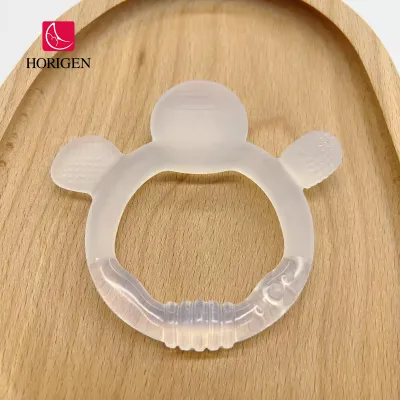
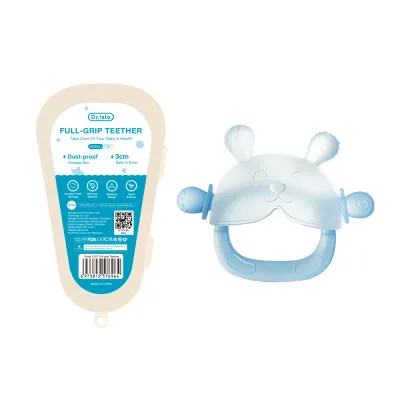



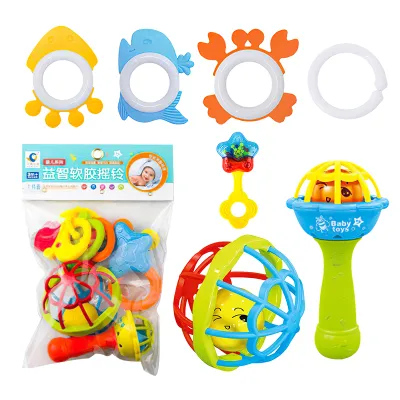
Prices are valid at publication and may change. Please refer to the product page for the latest price.
Behavioral shifts are equally telling during this developmental milestone. Your baby will likely begin gnawing or chewing vigorously on their fingers, toys, clothing, or any firm object they can get into their mouth. This behavior is an instinctive attempt to massage the gums and relieve the pressure of the emerging tooth.
Mild irritability, restlessness, and sudden clinginess are also common as the physical discomfort peaks. You might notice temporary disruptions in your baby’s established sleep patterns, with more frequent nighttime wakings due to throbbing gums. Feeding routines may also change slightly; some babies find the suction of nursing or bottle-feeding uncomfortable and may pull away, while others may want to nurse more frequently for comfort.
To confirm that your baby’s behavior is indeed related to teething, look for a consistent pattern over three to five consecutive days. A single fussy hour or an isolated episode of crying is rarely a sign of an erupting tooth. By observing your baby closely over a few days, you can easily distinguish true teething discomfort from temporary boredom or fatigue.
When Fussiness and Chewing Mean Something Else
It is remarkably easy to misattribute general infant distress or developmental changes to teething, which can sometimes lead parents to overlook other pressing needs. A common misconception is that teething causes systemic symptoms like a high fever, persistent diarrhea, vomiting, or severe nasal congestion. Medical consensus indicates that teething only causes localized gum discomfort and mild, low-grade temperature increases, never a true fever or gastrointestinal illness. If your baby exhibits these systemic symptoms, they are likely experiencing a viral infection or another illness that requires medical attention.

Basic physical needs and developmental leaps can also mimic the signs of teething fussiness. A baby who is hungry, wearing a wet diaper, or simply overtired will often cry, fuss, and seek comfort in ways that look similar to teething pain. Additionally, developmental milestones—such as learning to roll over, sit up, or process new sensory information—can trigger sleep regressions and temporary periods of intense clinginess that have nothing to do with erupting teeth.
Furthermore, oral exploration is a completely normal and necessary part of an infant’s cognitive development. Around three to four months of age, babies enter the “mouthing” phase, where they bring hands, toys, and blankets to their mouths to explore textures, shapes, and temperatures. This behavior is a sign of healthy curiosity and sensory play, not necessarily a sign of sore gums. If your baby is happily chewing on objects without showing signs of irritability, swollen gums, or excessive drooling, they are simply exploring their environment.
By carefully ruling out hunger, fatigue, diaper discomfort, and normal developmental play, you can avoid unnecessary interventions. Assuming every bout of crying is due to teething might cause you to miss an underlying growth spurt, an ear infection, or a simple need for a change of scenery. Always look at the entire picture of your baby’s daily behavior before deciding that a new tooth is the culprit.
How a Teether for Baby Helps and When to Introduce One
Understanding how a teether for baby works can help you choose the right moment to introduce this soothing tool. When a tooth is pushing through the gums, it creates a dull, constant pressure that causes discomfort. Biting down on a firm, textured surface provides counter-pressure, which temporarily numbs the area and massages the sore gum tissue, offering immediate, drug-free relief.
The ideal time to introduce a teether is when your baby is actively seeking out items to chew and showing visible signs of localized gum swelling. If you offer a teether too early—before the baby has developed the motor skills to grasp objects and guide them to their mouth—it may only cause frustration. Watch for the developmental readiness to hold and manipulate toys before introducing a dedicated teething tool.
Safety and maintenance are paramount when selecting and using any teething product. Always inspect the teether thoroughly for any signs of wear, tears, cracks, or loose parts before handing it to your baby, as damaged items can pose a choking hazard. It is vital to adhere strictly to the manufacturer’s age and weight guidelines for each specific product to ensure it is developmentally appropriate and safe for your baby’s grip and mouth size.
In humid, tropical climates like the Philippines, proper cleaning and drying of silicone, rubber, or wood teethers are critical. After washing the teether with mild baby soap and warm water, you must dry it completely in a well-ventilated area to prevent the growth of mold and bacteria. Moisture trapped in small crevices or hollow interiors can quickly become a breeding ground for pathogens, posing a health risk to your baby.
Safe, Soothing Alternatives to Teething Toys
If you do not have a commercial teether on hand, or if your baby rejects plastic and silicone toys, there are several safe, low-risk home remedies that can provide excellent relief. One of the simplest and most effective methods is using a clean, damp washcloth. You can moisten a soft cotton washcloth with clean water and place it in the refrigerator (not the freezer) for a short period until it is cool; the cold, textured fabric offers both soothing cold therapy and satisfying counter-pressure when chewed.
A gentle, manual gum massage is another highly effective technique that requires no special equipment. After thoroughly washing your hands with soap and water, use your clean index finger to gently rub your baby’s gums in a circular motion. The warmth and controlled pressure of your finger can quickly soothe a fussy baby and help you feel exactly where the new teeth are starting to emerge.
Managing the excessive drool associated with teething is also essential for your baby’s comfort, particularly in warm and humid environments. Constantly damp skin on the chin, neck, and chest can lead to a painful, irritated teething rash. Frequently wipe away excess drool with a soft, dry cloth and apply a thin layer of a safe, pediatrician-approved barrier cream or petroleum jelly to protect the delicate skin from moisture.
If your baby has already transitioned to solid foods, you can offer chilled, soft foods as a soothing snack under close supervision. Cold purees, chilled applesauce, or refrigerated yogurt can cool the mouth and provide nutritional comfort. Always consult your pediatrician before introducing new foods or using food as a teething remedy, and ensure the food’s texture is completely safe for your baby’s current developmental stage to prevent choking.
Red Flags: When to Call the Pediatrician
While teething is a normal developmental milestone, it is vital to recognize when your baby’s symptoms point to a more serious medical issue. If home soothing methods do not relieve your baby’s distress, or if they exhibit any systemic warning signs, you should immediately stop using teething remedies and consult a qualified pediatrician. Teething should never cause severe illness or extreme behavioral changes.
Specific red flags that require professional medical evaluation include a rectal temperature of 38°C (100.4°F) or higher, which indicates an active infection rather than simple tooth eruption. You must also watch closely for signs of dehydration, such as fewer wet diapers than usual, dry lips, a sunken soft spot (fontanelle), or crying without producing tears. Extreme lethargy, unusual sleepiness, or inconsolable crying that persists for hours are critical warning signs that should never be ignored.
Additionally, safety guidelines warn against using certain popular over-the-counter teething remedies. You should never apply topical numbing gels containing benzocaine or use homeopathic teething tablets without explicit approval from your doctor. These products can pose serious, life-threatening health risks to infants, and safer physical alternatives like cold washcloths or silicone teethers are always preferred.
Frequently Asked Questions (FAQ)
Can I put a baby teether in the freezer?
No, you should only chill teethers in the refrigerator, never freeze them solid in the freezer. A rock-hard, frozen teether can bruise your baby’s delicate gums, cause frostbite-like tissue damage, or even crack emerging baby teeth. Always read and follow the manufacturer’s specific care and cooling instructions to ensure the product remains safe for use.
At what age do babies typically start needing teethers?
Most babies begin showing teething signs and needing teethers between 4 and 7 months of age, though some may start earlier or later. Because every child develops at their own unique pace, parents should focus on observing the physical signs of gum discomfort and chewing behaviors rather than relying strictly on a calendar age to introduce a teether.
Community discussion
Share your experience or ask a question. Comments are reviewed before publication.