
Ensuring the authenticity of mosquito patches for your children is a vital step in protecting them from insect bites and the health risks associated with counterfeit products. To tell if mosquito patches for kids are original or fake, you must perform a multi-layered inspection that combines physical packaging checks, sensory evaluations of the patch itself, and digital verification through official manufacturer channels. While counterfeiters have become increasingly sophisticated, looking closely at printing quality, adhesive texture, and security seals will help you distinguish genuine protective products from potentially harmful imitations.
In tropical climates where mosquito-borne diseases like dengue are a constant concern, parents frequently rely on these convenient, colorful patches to keep babies and toddlers safe. However, applying an unverified, counterfeit patch can do more harm than good. By learning how to spot the subtle differences in packaging, scent, and digital security features, you can confidently select authentic products that offer the reliable protection your family needs.
Why Authenticity Matters for Children's Mosquito Patches
Using counterfeit mosquito patches poses direct risks to your child’s health and safety. Unlike genuine products that undergo rigorous quality control, counterfeit patches are manufactured in unregulated facilities without oversight. This lack of regulation means the adhesives used to stick the patch to clothing or gear may contain industrial-grade chemicals, solvents, or heavy metals. When these substances come into contact with sensitive young skin, or when their vapors are inhaled in close proximity, they can trigger severe skin irritation, contact dermatitis, or respiratory discomfort.
Products mentioned in this guide
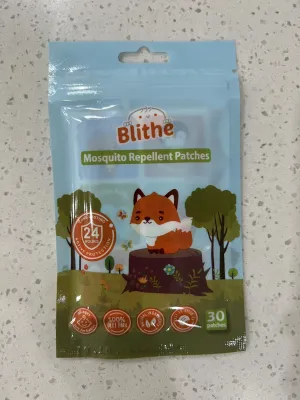
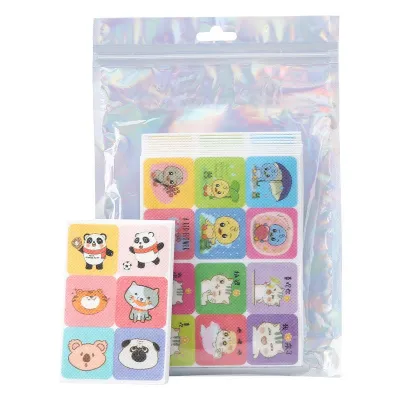
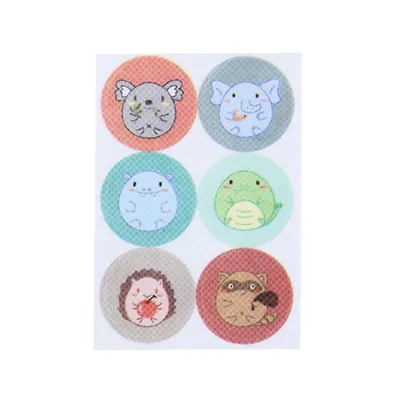
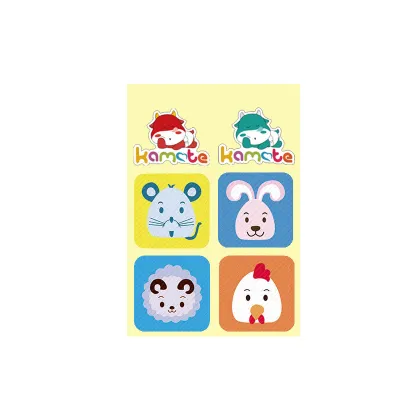
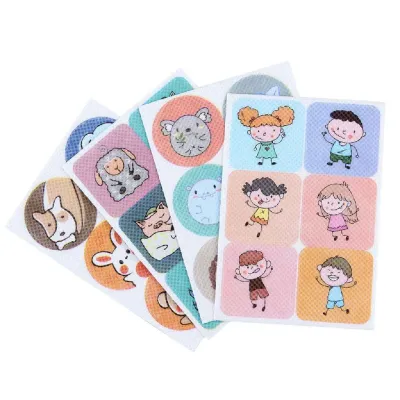
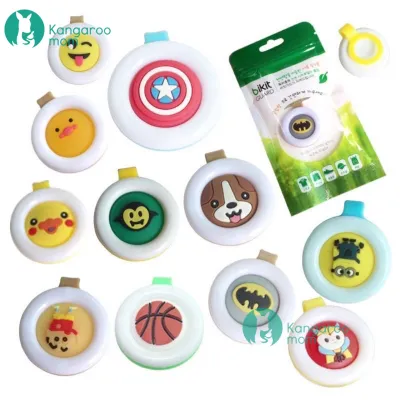
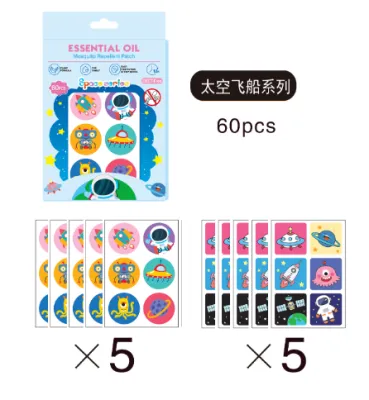
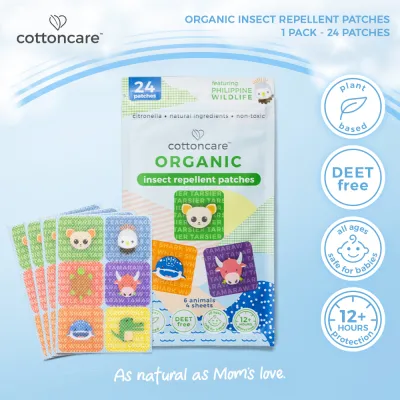
Prices are valid at publication and may change. Please refer to the product page for the latest price.
Furthermore, fake patches rarely contain the correct concentration of active, insect-repelling ingredients. Genuine patches typically use carefully measured, plant-based essential oils like citronella, eucalyptus, or lemongrass that are safe for children when properly formulated. Counterfeits often substitute these with cheap, synthetic fragrances that fail to repel mosquitoes entirely. This leaves your child completely unprotected against bites, significantly increasing their exposure to vector-borne illnesses during peak mosquito seasons.
Authentic packaging always features clear manufacturer warnings, age-appropriateness guidelines, and precise safety instructions. These details are crucial for parents to determine if a product is suitable for a newborn, an infant, or an older child. Counterfeit products frequently omit these vital safety warnings or print generic, copied instructions that do not reflect the actual contents of the package, leaving parents without the necessary guidance to use the product safely.
Key Visual and Physical Checks to Spot Fake Mosquito Patches
Inspecting the physical packaging is your first line of defense when verifying the authenticity of children’s mosquito patches. Start by examining the print quality on the outer box or foil pouch. Genuine manufacturers use high-resolution printing equipment, resulting in sharp text, vibrant colors, and clear brand logos. In contrast, counterfeit packaging often exhibits blurry text, faded colors, pixelated graphics, or even obvious spelling mistakes and grammatical errors. Pay close attention to the alignment of the text and logos, as misaligned or off-center printing is a common sign of a rushed, low-quality counterfeit operation.

Next, look for critical manufacturing details that must be present on every legitimate consumer product. Original patches will always display a clearly printed batch number, a manufacturing date, and an expiration date. These details are typically stamped, embossed, or printed in a distinct ink jet format that looks different from the main packaging design. If these numbers are missing, look identical across completely different boxes, or appear easily rubbed off with a finger, the product is highly suspicious.
The material and physical texture of the patches themselves provide excellent clues. Genuine mosquito patches are made from high-quality, breathable non-woven fabric or medical-grade materials designed to hold essential oils without leaking. They feature a reliable but gentle adhesive that sticks securely to fabric without leaving a sticky, stubborn residue when peeled off. Fake patches often feel unusually stiff, plasticky, or excessively thin. Their adhesive may either fail to stick entirely or be so strong and industrial that it damages clothing or leaves a gummy residue.
Scent is another powerful indicator of authenticity. Original children’s mosquito patches emit a distinct, natural, and recognizable aroma of plant-based oils, such as citronella or peppermint, which is noticeable but not overwhelming. Counterfeit patches often smell intensely chemical, resembling kerosene, cheap perfume, or industrial solvents, which can cause headaches or nausea. Alternatively, some fake patches may have almost no scent at all, indicating a complete lack of active repelling ingredients.
Finally, verify the labeling details on the back of the pack. Legitimate brands provide a comprehensive list of ingredients, clear directions for use, and specific precautions, such as keeping the patches out of reach of children to prevent accidental ingestion. If the ingredient list is vague, written in a language that does not match the target market’s regulations, or completely absent, do not use the product on your child.
How to Verify Authenticity Using Official Channels
Digital verification offers a reliable way to confirm whether a product originated from the licensed manufacturer. Many reputable baby care brands now include unique QR codes or barcodes on their packaging to help parents verify authenticity. When scanning these codes, avoid using generic, third-party QR code reader apps that simply display the text embedded in the code. Instead, use the official brand app or navigate directly to the manufacturer’s verified website to input the serial number. Genuine QR codes will direct you to a secure, official domain that confirms the product’s registration and batch details.
Look closely for advanced physical security features integrated into the packaging. Many original brands apply holographic stickers, color-shifting security labels, or scratch-off panels that reveal a one-time verification code. When you scratch off this panel, you can enter the unique code on the manufacturer’s official website. If the website indicates that the code has already been searched multiple times, or if the holographic sticker lacks depth and does not shift colors when tilted, you are likely holding a counterfeit.
Batch number tracking is another effective method to cross-reference your purchase. If you are uncertain about a product’s legitimacy, you can contact the manufacturer’s customer service department directly or check their online portal. By providing the printed batch number and manufacturing date, you can verify if that specific batch was actually produced by the brand and whether it has been subject to any active recalls or quality alerts.
However, parents must remain aware of the limitations of digital checks. Sophisticated counterfeiters can copy a genuine QR code and print it on thousands of fake packages, directing unsuspecting users to a cloned, look-alike website designed to mimic the official brand. Because of this, digital verification should never be used in isolation. Always combine digital scans with thorough physical inspections of the packaging, material quality, and scent before deciding a product is safe for your child.
Choosing Safe Purchasing Channels for Original Products
The most effective way to avoid counterfeit mosquito patches is to be highly selective about where you shop. Prioritize buying baby care products from official brand stores, authorized pharmacies, and established supermarket chains. These retailers have secure supply chains and source their inventory directly from licensed distributors or the manufacturers themselves, virtually eliminating the risk of stocking counterfeit goods.
When shopping on online marketplaces or ecommerce platforms, extra vigilance is required. Always look for verified seller badges, such as official brand store tags or preferred distributor labels, which indicate the platform has verified the seller’s business credentials. Take the time to read customer reviews, focusing specifically on feedback from buyers who have uploaded real photos of the product they received. Be skeptical of stores that have perfect ratings but only generic, repetitive text reviews, as these can be easily fabricated.
Be alert to common red flags in online listings. If the price of the mosquito patches is unusually low—such as costing a fraction of the standard retail price found in physical pharmacies—it is highly likely to be a counterfeit. Additionally, listings that rely solely on stock photos, lack detailed product descriptions, or fail to list specific product dimensions and ingredients should be avoided. Legitimate sellers are transparent about their product specifications and are willing to answer customer inquiries regarding batch numbers and expiration dates.
Whenever possible, make your purchases directly from the brand’s official website or their physical flagship stores. While it might require a bit more effort or a slightly higher delivery fee, the peace of mind that comes with knowing you are receiving a genuine, safe, and effective product for your child is well worth the investment.
What to Do If You Suspect You Bought Counterfeit Patches
If you suspect that the mosquito patches you purchased are counterfeit, take immediate action to protect your child. Stop using the patches immediately and remove any that are currently applied to your child’s clothing, stroller, or bedding. Gather all remaining unused patches and store them safely out of reach of children and pets until you can dispose of them securely, ensuring they cannot be accidentally used or ingested.
Monitor your child’s health closely after removing a suspect patch. Check the skin areas near where the patch was applied for any signs of redness, swelling, rashes, or hives. If your child exhibits any signs of an allergic reaction, persistent itching, or respiratory discomfort, consult a pediatrician or healthcare professional immediately. Bring the suspected package with you to the clinic so the doctor can see the listed ingredients or potential chemical exposures.
Document the suspicious product thoroughly to seek recourse and warn other parents. Take clear, high-resolution photos of the packaging, focusing on the blurry printing, misspellings, batch numbers, and the patches themselves. Contact the customer support team of the ecommerce platform or the retail store where you made the purchase to report the counterfeit item, request a full refund, and flag the seller’s account for investigation.
Finally, notify the genuine brand manufacturer about the counterfeit product. Most reputable baby care companies have dedicated departments to handle trademark infringement and counterfeiting. By sending them photos of the fake packaging, the batch numbers, and details of the store where you bought it, you help them take legal action against counterfeiters, ultimately protecting other families in the community from purchasing unsafe products.
Frequently Asked Questions (FAQ)
Can I use adult mosquito patches on my child if I cannot find the kids' version?
No, you should avoid using adult mosquito patches on children. Adult formulations often contain higher concentrations of active ingredients or stronger, industrial-grade adhesives that are not tested or approved for a child’s sensitive skin and developing respiratory system. Always follow the manufacturer’s explicit age guidelines printed on the packaging, and consult a pediatrician if you are unsure about the safety of a specific repellent product.
Do original mosquito patches guarantee full protection against dengue-carrying mosquitoes?
No single mosquito patch can guarantee absolute protection against dengue-carrying mosquitoes. While genuine patches provide a helpful localized barrier, they should always be used as part of a broader, multi-layered defense strategy. To protect your child effectively, combine patches with protective clothing, such as long-sleeved shirts and pants, use mosquito nets over cribs and strollers, and eliminate standing water around your home where mosquitoes breed.
Community discussion
Share your experience or ask a question. Comments are reviewed before publication.