
Preparing homemade baby food is a rewarding way to ensure your little one receives fresh, nutrient-rich meals during their first solid food journey. However, once you blend those vibrant fruits, vegetables, and meats, knowing how to store them safely becomes your top priority. In tropical climates, where high humidity and warm ambient temperatures create ideal conditions for rapid bacterial growth, proper storage techniques are essential to protect your baby’s sensitive digestive system.
Storing baby food correctly not only preserves vital vitamins and minerals but also saves you valuable time. By preparing large batches of purees and storing them in the refrigerator or freezer, you can have healthy, ready-to-serve meals on hand throughout the week. This guide outlines the best practices for selecting containers, refrigerating, freezing, thawing, and identifying spoilage to keep your homemade baby food safe and delicious.
Essential Tools and Containers for Baby Food Storage
Selecting the right storage containers is the foundation of safe baby food preparation. When shopping at local baby stores or online marketplaces, always prioritize material safety. Look for containers explicitly labeled as BPA-free, phthalate-free, and made from food-grade materials. Food-safe silicone and high-quality, tempered glass are excellent choices because they do not leach chemicals into the food, even when heated or frozen. If you choose plastic containers, ensure they are certified food-safe and designed to withstand both freezing temperatures and microwave heating.
Products mentioned in this guide
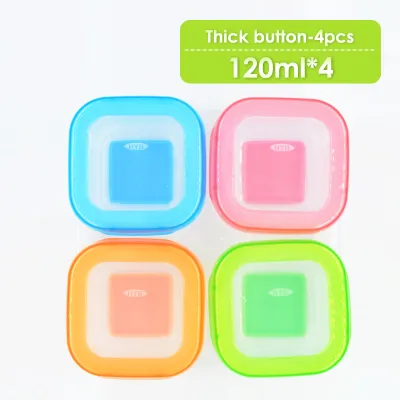
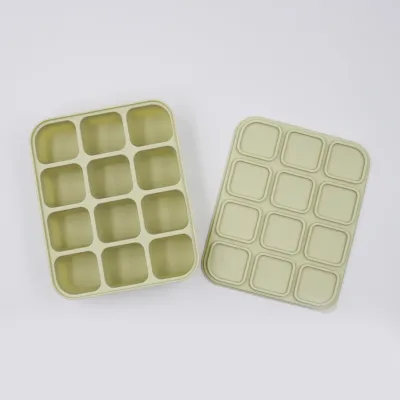
Prices are valid at publication and may change. Please refer to the product page for the latest price.
An airtight seal is another critical feature to look for in your storage gear. Containers with secure, leak-proof lids prevent outside air from entering, which protects the food from airborne bacteria, mold spores, and strong refrigerator odors. In highly humid environments, a weak seal can allow moisture to seep into dry ingredients or cause frozen purees to develop freezer burn much faster. Look for lids with silicone gaskets or locking clips to ensure a tight, reliable seal every time.
Portion control is highly practical when managing your baby’s meals. During the early stages of weaning, babies eat very small amounts, often just one or two tablespoons per meal. Using small, reusable containers (ranging from 60ml to 120ml) or covered silicone freezer trays allows you to store food in single-serving sizes. This minimizes food waste and makes it easy to defrost exactly what your baby will consume in one sitting.
Finally, do not forget essential labeling supplies. Keeping track of what is inside each container and when it was made is crucial for food safety. Keep a roll of waterproof painter’s tape and a permanent marker in your kitchen. Labeling each container with the type of ingredient and the preparation date ensures you always use the oldest batches first and discard any food that has passed its safe storage limit. Investing in these simple tools, which often cost between ₱150 and ₱500, makes the entire batch-cooking process organized and stress-free.
Step-by-Step Guide to Refrigerating Homemade Purees
Refrigeration is ideal for short-term storage of baby food that you plan to serve within a couple of days. The first step in safe refrigeration is proper cooling. Never place hot, freshly blended purees directly into your refrigerator. Doing so can raise the internal temperature of the appliance, putting other perishable items at risk of entering the danger zone where bacteria multiply rapidly. Instead, let the puree cool down slightly at room temperature. To maintain safety, ensure the food is placed in the refrigerator within two hours of cooking—or within one hour if your kitchen is particularly warm.

Once the food has cooled to a safe handling temperature, transfer it to your airtight containers and place them in the correct spot inside your refrigerator. The ideal placement is on the main shelves, preferably toward the back where the temperature remains coldest and most consistent. Avoid storing baby food in the refrigerator door shelves. The door is subject to constant temperature fluctuations every time it is opened, which can accelerate spoilage and compromise the safety of the purees.
Understanding the safe time limits for refrigerated baby food is vital. Generally, homemade vegetable and fruit purees can be safely stored in the refrigerator for up to 48 hours. If your puree contains meat, poultry, fish, or eggs, the safe storage window is shorter, typically up to 24 hours. Always consult standard food safety guidelines or your pediatrician if you are unsure about the storage limits for specific ingredients. If you do not plan to serve the food within these timeframes, transfer it to the freezer immediately after cooling.
Maintaining strict hygiene practices during serving is equally important. Never feed your baby directly from the main storage container if you plan to save the remaining portion for later. The baby’s saliva contains enzymes and bacteria that will transfer from the spoon into the container, causing the food to break down and spoil rapidly in the fridge. Instead, always use a clean spoon to scoop a single serving of puree into a separate feeding bowl, then immediately seal and return the main container to the refrigerator.
How to Freeze Baby Food for Longer Shelf Life
Freezing is the most efficient way to preserve large batches of homemade baby food for extended periods, keeping nutrients locked in and maintaining food quality. The ice cube tray method is highly recommended for creating convenient, single-serving portions. Simply spoon your cooled, freshly prepared puree into clean silicone freezer trays. Cover the trays with a tight-fitting lid or a layer of food-safe wrap to protect the food from exposure to freezer air, then place them in the freezer until they are frozen solid.
Once the puree cubes are completely frozen, pop them out of the trays and transfer them into heavy-duty, airtight freezer bags or rigid, freezer-safe containers. This step is essential because leaving the cubes in open trays exposes them to dry freezer air, leading to rapid freezer burn and texture degradation. Storing the cubes in bags also saves valuable freezer space, allowing you to stack different purees neatly and keep your freezer organized.
When using freezer bags, take a moment to remove as much excess air as possible before sealing them. You can do this by gently pressing the bag from the bottom upward or using a clean straw to suck out the remaining air before closing the seal. Minimizing the air inside the bag prevents ice crystals from forming on the surface of the food, preserving the natural texture, color, and flavor of the purees when they are thawed.
Strict labeling is your best defense against expired food. Clearly write the name of the puree and the exact date of preparation on the freezer bag or container before placing it back in the freezer. Homemade baby food can generally be stored in the freezer for up to three months for optimal quality. Practicing a first-in, first-out inventory system ensures that you always use the oldest batches first, reducing waste and keeping your baby’s meals fresh.
Safe Thawing and Reheating Practices
Thawing and reheating frozen baby food safely is just as important as storing it correctly. The safest and most recommended method for thawing frozen purees is to transfer the required number of cubes from the freezer to the refrigerator the night before you plan to serve them. This slow, controlled thawing process keeps the food at a safe, cold temperature, preventing bacterial growth. If you need to thaw food quickly, place the sealed container or freezer bag in a bowl of warm water, replacing the water as it cools until the food reaches a uniform, soft consistency. Never thaw baby food on the kitchen counter at room temperature, as the outer layers will warm up and invite bacteria while the center remains frozen.
When reheating baby food, ensure it is heated thoroughly until it is steaming hot throughout. This high temperature is necessary to eliminate any potential bacteria that may have been introduced during storage or handling. If you are using a microwave, place the puree in a microwave-safe glass or ceramic dish, cover it, and heat it in short intervals. Be sure to stir the food thoroughly halfway through the heating process to distribute the heat evenly.
After reheating, let the food cool down to a safe temperature before serving. Microwave heating and even stovetop warming can create dangerous hot spots in the puree that can burn your baby’s mouth. Stir the food vigorously to eliminate these hot spots, then test the temperature by placing a small drop of the puree on the inside of your wrist. It should feel comfortably lukewarm, not hot, before you feed it to your baby.
Finally, adhere to a strict rule against refreezing previously frozen or thawed baby food. Once food has been thawed, dormant bacteria can become active and begin to multiply. Refreezing the food does not destroy these bacteria; instead, it locks them in, creating a safety hazard when the food is thawed a second time. If your baby does not finish a portion of thawed or reheated puree, discard the leftovers immediately rather than saving them for another meal.
Signs of Spoilage and When to Discard
Learning to identify the signs of spoiled baby food is crucial for preventing foodborne illness and ensuring your infant’s safety. Before serving any stored puree, perform a thorough visual inspection. Look for any signs of mold growth, which can appear as fuzzy spots or unusual discoloration on the surface of the food. Additionally, check for excessive ice crystals or a dry, shriveled appearance on frozen purees, which indicates severe freezer burn and temperature abuse. While freezer burn may not always make the food unsafe, it significantly degrades the taste and nutritional quality.
Trust your senses of smell and touch when evaluating stored food. If a puree has a sour, rancid, or otherwise unusual odor, discard it immediately. Changes in texture can also indicate spoilage; if a previously smooth puree has become watery, slimy, or has separated into distinct layers that do not blend back together when stirred, it is best to throw it away.
Pay close attention to room-temperature time limits. Any baby food that has been left out at room temperature for more than two hours must be discarded. In warm tropical climates, this window shrinks to one hour if the ambient temperature is high. Furthermore, if your baby has eaten directly from a bowl, discard any remaining food in that bowl immediately after the feeding session. The bacteria from your baby’s saliva will have contaminated the food, making it unsafe to store or serve again.
When it comes to your baby’s health, always prioritize safety over saving a batch of food. If you are unsure how long a container has been stored, if the label is missing, or if you suspect the refrigerator door was left open, do not risk serving it. The safest action is to discard the food and prepare a fresh batch. When in doubt, consult reliable pediatric health guidelines or your doctor for advice on safe infant feeding practices.
Frequently Asked Questions (FAQ)
Can I store homemade baby food in glass jars?
Yes, glass jars are excellent for storing baby food in the refrigerator because they are non-porous, easy to clean, and do not absorb food odors or stains. However, if you plan to freeze baby food in glass, you must take extra precautions. Only use jars specifically labeled as freezer-safe, such as tempered glass, to prevent the glass from cracking under extreme temperatures. Always leave at least half an inch of headspace at the top of the jar, as purees expand when they freeze. Avoid exposing glass jars to sudden temperature changes, such as placing a cold jar directly into boiling water, as this thermal shock can cause the glass to shatter.
Does freezing baby food destroy its nutrients?
Freezing is one of the most effective methods for preserving the nutritional value of homemade baby food. It locks in essential vitamins and minerals at their peak freshness, with only negligible nutrient loss over several months of storage. While you may notice minor changes in the color or texture of the puree after thawing, these physical changes are normal and do not mean the food has lost its nutritional benefits. To ensure maximum nutrient retention, store the purees in airtight containers with all excess air removed, and try to use the frozen portions within three months.
Community discussion
Share your experience or ask a question. Comments are reviewed before publication.