
Preparing homemade baby food is a rewarding way to ensure your little one receives fresh, nutrient-dense meals. Whether you are blending local favorites like kalabasa (squash), sayote (chayote), or sweet potatoes (kamote), making batches in advance saves valuable time. However, because homemade purees do not contain the preservatives found in commercial jars, proper storage is essential to prevent the growth of harmful bacteria. In warm, tropical climates where high temperatures and humidity accelerate food spoilage, mastering safe storage techniques is a vital step in protecting your baby’s health.
Homemade baby food can be safely stored in the refrigerator for up to 24 to 48 hours, depending on the ingredients, or in the freezer for one to three months. To maintain nutritional value and prevent contamination, you must use clean, airtight containers and follow precise temperature controls. This guide covers everything you need to know about choosing containers, refrigerating, freezing, thawing, and safely transporting your baby’s meals.
Choosing the Right Containers for Baby Food Storage
To keep homemade meals fresh, you must select containers designed specifically for food storage. The materials you choose play a direct role in preserving food quality and ensuring that no harmful substances leach into your baby’s meals.
Products mentioned in this guide
Prices are valid at publication and may change. Please refer to the product page for the latest price.
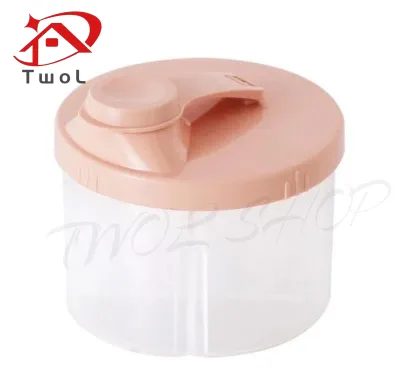
BPA-Free Plastic Containers Plastic containers are lightweight, highly durable, and virtually shatterproof, making them a practical choice for busy households. When choosing plastic, always verify that the product is explicitly labeled as BPA-free, phthalate-free, and safe for food storage. While convenient, plastic can stain easily when holding vibrant purees like carrots or squash, and it may degrade over time with repeated washing and heating.
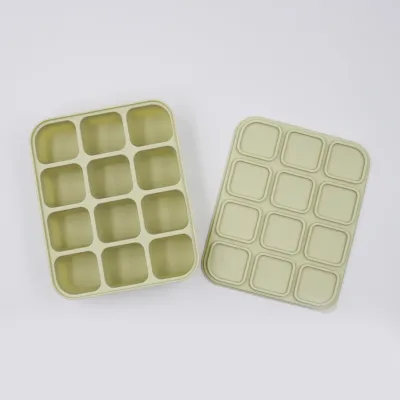
Food-Grade Silicone Molds Silicone has become a favorite material for baby food prep due to its extreme flexibility. Food-grade silicone trays and molds allow you to freeze individual portions and easily pop them out when needed. Silicone is highly durable, resistant to temperature extremes, and generally dishwasher-safe. To maintain quality, check that the silicone is 100% food-grade and free from plastic fillers.
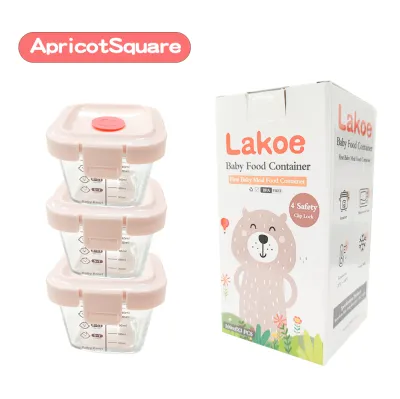
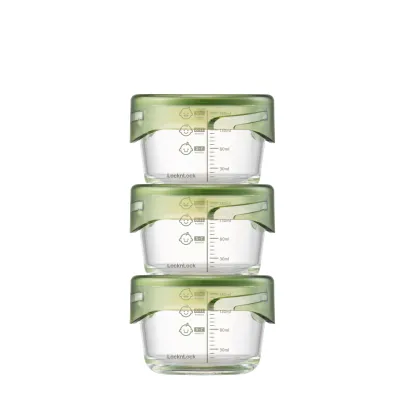
Glass Jars Glass is an excellent, non-porous material that does not absorb food odors, colors, or chemical residues. It is highly durable, easy to clean, and environmentally friendly. However, glass is breakable and can chip or crack if dropped or subjected to sudden temperature changes. If you choose glass for freezing, ensure the jars are specifically labeled as freezer-safe tempered glass and leave ample headspace at the top of the jar, as liquids expand when frozen.
Airtight Lids and Seals Regardless of the container material, airtight lids are non-negotiable. A secure, leak-proof seal prevents exposure to airborne bacteria, blocks out refrigerator odors, and protects the food from drying out. Look for containers with silicone gaskets or locking clips to ensure a tight seal.
Portion Sizing When preparing baby food, store it in small, single-serving portions. Containers or molds that hold 1 to 2 ounces (approximately 30 to 60 milliliters) are ideal for early feeding stages. Storing food in small portions minimizes food waste, as you only thaw or reheat what your baby will eat in one sitting, preventing the need to discard unused portions.
Preparation Checklist Before filling any container with baby food, follow these preparation steps to ensure maximum hygiene:
- Wash: Clean containers, lids, and utensils thoroughly in warm, soapy water.
- Sterilize: For infants under six months or those with sensitive immune systems, sterilize the containers using a steam sterilizer or by placing them in boiling water for a few minutes, always checking the manufacturer's care instructions first.
- Dry: Allow all components to air-dry completely on a clean rack. Residual moisture can create a breeding ground for bacteria, particularly in humid environments.
How to Refrigerate Homemade Baby Food Safely
Refrigeration is the most convenient option for short-term storage when you plan to feed your baby within a day or two. However, keeping food safe in the fridge requires careful attention to cooling times, temperature settings, and shelf placement.

The Cooling Process After cooking and blending your baby’s food, let the puree cool slightly before sealing it in airtight containers. Leaving hot food in a sealed container can cause condensation to build up on the lid, creating a moist environment where bacteria can thrive. However, do not leave the food sitting at room temperature for an extended period. In tropical climates, food should be placed in the refrigerator within one hour of preparation to prevent rapid bacterial growth.
Ideal Temperature Settings To keep food out of the bacterial “danger zone,” your refrigerator must be maintained at a consistent temperature of 4°C (40°F) or lower. It is highly recommended to use an appliance thermometer to monitor the internal temperature of your fridge, especially during warmer months when ambient kitchen temperatures rise.
Safe Storage Durations Different ingredients carry varying levels of food safety risks. Refer to standard food safety guidelines to determine how long specific purees can remain in the refrigerator:
- Fruit and Vegetable Purees: These can generally be stored in the refrigerator for up to 48 hours. The natural acidity in some fruits can help slow bacterial growth, but they should still be consumed promptly.
- Meat, Poultry, Fish, and Eggs: Purees containing animal proteins carry a higher risk of foodborne illness. Store these in the refrigerator for no more than 24 hours before feeding or moving them to the freezer.
- Dairy-Based Foods: Purees mixed with breast milk, infant formula, or yogurt should also be consumed within 24 hours to ensure safety.
Refrigerator Organization Where you place the baby food inside your refrigerator matters. Always store baby food on the middle or bottom shelves, which maintain the most stable and coldest temperatures. Avoid storing baby food in the refrigerator door shelves. The temperature in the door fluctuates significantly every time the refrigerator is opened, exposing the delicate purees to warm air and increasing the risk of premature spoilage.
Freezing Baby Food: Step-by-Step for Long-Term Storage
Freezing is the best method for preserving large batches of homemade baby food, allowing you to lock in nutrients and maintain a steady supply of ready-to-eat meals. Following a structured freezing process ensures the food retains its texture, taste, and safety.
The Ice Cube Tray Method Using clean ice cube trays or specialized silicone molds is an efficient way to portion baby food. Spoon the freshly prepared, cooled puree into the individual compartments of the tray. Each compartment typically holds about 1 ounce of food, making it easy to customize meal sizes as your baby’s appetite grows.
Covering and Protecting the Food Before placing the filled trays into the freezer, cover them tightly to protect the food from exposure to air, freezer odors, and frost. You can use a tight-fitting lid designed for the tray, or wrap the tray securely with plastic wrap or reusable beeswax wrap. This initial step prevents the surface of the purees from drying out during the freezing process.
The Transfer Process Once the baby food cubes are frozen completely solid—usually within 8 to 12 hours—remove the trays from the freezer. Gently pop the frozen cubes out of the molds and transfer them immediately into airtight, freezer-safe storage bags or containers. Squeezing out as much excess air as possible from the bags before sealing them helps maintain the food’s quality. This step also frees up your molds so you can prepare the next batch of purees.
Labeling and Dating It is easy to forget what is inside a frozen bag once the purees are solid. Use a permanent marker or waterproof labels to write the exact ingredient name, any potential allergens, and the date of preparation on each bag or container. If you are mixing multiple ingredients, list them all clearly to keep track of your baby’s dietary introductions.
Freezer Storage Lifespan For the best quality, flavor, and nutrient preservation, aim to use frozen baby food purees within one to three months. While food kept constantly frozen at -18°C (0°F) or lower remains technically safe from bacterial growth indefinitely, the texture can become watery, the flavor may degrade, and essential vitamins can break down over time. Rotating your stock using the “first-in, first-out” method ensures your baby always consumes the freshest meals.
Safe Thawing and Reheating Techniques
Bringing frozen baby food back to a feeding-ready state requires careful handling. Improper thawing or reheating can allow bacteria to multiply or create hot spots that could burn your baby’s mouth.
Safe Thawing Methods Plan ahead to thaw your baby’s food using one of these three safe, recommended methods:
- In the Refrigerator: Transfer the frozen food cubes from the freezer to a clean, sealed container in the refrigerator the night before you plan to use them. This slow, controlled thawing process keeps the food at a safe temperature throughout.
- Warm Water Bath: Place the sealed container or freezer bag containing the food cubes into a bowl of warm water. Change the water every 10 to 15 minutes to speed up the process while keeping the food sealed against external contamination.
- Microwave Defrost: Use the defrost setting on your microwave. Check the food frequently and stir it halfway through the defrost cycle to ensure even thawing.
Unsafe Thawing Practices Never leave frozen baby food to thaw on the kitchen counter, in a sink of standing water, or in a warm room. In tropical climates, room temperatures can quickly push the outer layers of the thawing food into the “danger zone,” where bacteria multiply rapidly while the center of the food remains frozen.
Reheating Guidelines When reheating baby food, the goal is to kill any potential bacteria that may have introduced themselves during preparation or storage. Heat the food until it is steaming hot throughout, reaching an internal temperature of at least 74°C (165°F). You can achieve this by warming the food in a small saucepan over low heat, using a double boiler, or heating it in a microwave-safe glass dish. Once heated thoroughly, allow the food to cool down to a safe, lukewarm feeding temperature.
Stirring and Temperature Testing Microwave heating is notorious for creating uneven temperatures, resulting in pockets of extremely hot food hidden beneath a cooler surface. To prevent burns, stir the reheated food thoroughly to distribute the heat evenly. Let it sit for a minute, stir again, and always test the temperature by placing a small drop of the food on the inside of your wrist. It should feel comfortably warm or cool, never hot, before you offer it to your baby.
How to Spot Spoilage and Handle Leftovers
Even with careful storage, food can spoil. Knowing how to identify bad food and practicing strict hygiene habits during feeding are essential to preventing foodborne illness.
Sensory Signs of Spoilage Always inspect baby food before serving it. Look for the following signs that indicate the food is no longer safe to consume:
- Smell: A sour, rancid, or unusually sharp odor.
- Appearance: Dark spots, mold growth, or unnatural discoloration.
- Texture: Significant separation of liquids and solids that does not recombine when stirred, or a slimy consistency.
- Packaging: A bloated or bulging container lid, which indicates gas production from bacterial activity.
The Golden Rule of Food Safety When it comes to your baby’s health, adopt the golden rule: “When in doubt, throw it out.” If you are unsure how long a container has been in the fridge, or if the texture seems slightly off, do not risk feeding it to your child.
The No Double-Dipping Rule During a feeding session, your baby’s saliva is transferred from their mouth to the spoon, and then back into the food bowl. Saliva contains bacteria and digestive enzymes that immediately begin breaking down the food and multiplying. If you feed your baby directly from a large storage container, the entire batch becomes contaminated.
To prevent this, always spoon a small portion of baby food from the storage container into a separate, clean feeding bowl. Keep the remaining storage container in the refrigerator. Any food left in the baby’s feeding bowl at the end of the meal must be discarded immediately. Never save saliva-contaminated leftovers for a future meal.
Transporting Stored Baby Food on the Go
Taking your baby out for the day requires a reliable strategy to keep their homemade meals fresh and safe while away from home.
Essential Travel Gear To transport perishable baby food safely, invest in a high-quality insulated lunch bag or cooler bag. Pair this bag with multiple frozen gel packs or ice packs. The insulation works by trapping the cold air inside, but it requires the active cooling power of ice packs to maintain a safe temperature.
Packing Strategy When packing the travel bag, place the cold or frozen baby food containers directly between the frozen gel packs to maximize contact with the cold source. Keep the insulated bag zipped tightly, and try to store it in the coolest part of your vehicle or stroller, away from direct sunlight and hot trunks.
Safe Time Limits on the Go In warm tropical conditions, perishable foods spoil much faster than in cooler climates. If you are traveling without an insulated bag and ice packs, baby food must be consumed or discarded within two hours of leaving the refrigerator. If the ambient temperature is above 32°C, this safe window drops to just one hour. When using a properly packed insulated bag with ice packs, the food can generally remain safe for up to four hours, but you should always check that the food still feels cold to the touch before serving. If the ice packs have melted completely and the food feels warm, discard it to protect your baby from potential foodborne illness.
Frequently Asked Questions (FAQ)
Can I refreeze thawed homemade baby food?
No, you should not refreeze thawed homemade baby food purees. Once the food has been thawed, bacteria can begin to multiply, and refreezing it does not destroy these bacteria. Additionally, refreezing significantly degrades the nutritional value, texture, and taste of the food. The only exception is if you thaw raw ingredients, cook them thoroughly into a puree, and then freeze that cooked dish. To minimize waste, only thaw the specific portion size your baby will eat.
How can I prevent freezer burn on baby food purees?
Freezer burn occurs when air comes into contact with the surface of the food, causing dehydration and oxidation. To prevent this, press a piece of plastic wrap or reusable food-grade wrap directly onto the surface of the puree inside the ice cube tray before freezing. When transferring the frozen cubes to freezer bags, squeeze out as much excess air as possible before sealing the bag tightly. Using the frozen portions within one to three months also helps ensure optimal quality.
Community discussion
Share your experience or ask a question. Comments are reviewed before publication.