
Preparing fresh, homemade purees is a wonderful way to introduce your baby to solid foods, ensuring they receive wholesome nutrients without added preservatives. However, because homemade meals lack the commercial stabilizers and high-heat sterilization of store-bought jars, proper baby food storage is essential to keep these meals fresh and free from harmful bacteria. Safe storage requires rapid cooling, portioning into clean food-grade containers, and keeping them at stable temperatures in the refrigerator or freezer.
In a warm and humid tropical climate like the Philippines, food safety demands extra vigilance. High ambient temperatures accelerate bacterial growth, meaning that minor delays in cooling or slight errors in thawing can quickly compromise your baby’s food. By mastering the correct techniques for cooling, portioning, freezing, and reheating, you can confidently prepare nutritious bulk batches that remain perfectly safe for your little one.
Essential Hygiene Before Storing Baby Food
Before a single spoonful of puree enters a container, your kitchen hygiene sets the baseline for safety. Babies have highly sensitive, developing digestive systems that cannot easily fight off common foodborne pathogens. Any bacteria introduced during the preparation phase will multiply during storage, neutralizing your preservation efforts.
Products mentioned in this guide
Prices are valid at publication and may change. Please refer to the product page for the latest price.
Begin by washing your hands thoroughly with warm water and soap for at least 20 seconds. Ensure you scrub under your fingernails, between your fingers, and up your wrists before touching any ingredients, utensils, or storage gear.
Sanitize all preparation surfaces, cutting boards, knives, blenders, and spoons. You can wash these items in hot, soapy water or run them through a high-temperature dishwasher cycle. If you are using a food processor or blender to achieve a smooth texture, pay close attention to the rubber gaskets, blades, and lid crevices where food residue and moisture easily hide.
Ensure all raw ingredients are fresh and thoroughly washed under clean, running water to remove surface dirt, pesticides, and contaminants. Cook vegetables, fruits, and meats thoroughly before pureeing, ensuring they reach safe internal temperatures to eliminate any lingering bacteria before the storage process begins.
Safe Cooling Techniques for Freshly Prepared Purees
Once your baby food is cooked and pureed, the clock starts ticking. Bacteria thrive and multiply rapidly in the food safety “danger zone,” which generally spans from 4°C to 60°C. Leaving hot food sitting on the counter to cool slowly invites rapid bacterial colonization.

In tropical environments, ambient room temperatures often hover right in this danger zone, especially in kitchens without air conditioning. To minimize the time food spends in this temperature range, you must employ rapid-cooling methods rather than letting the food cool naturally on the countertop.
To cool purees quickly, avoid leaving them in large, deep cooking pots, which trap heat in the center. Instead, transfer the hot mixture into shallow, wide glass or stainless steel containers. This increases the surface area, allowing heat to dissipate much faster.
Another highly effective rapid-cooling method is the ice-water bath. Place your cooking pot or a heatproof bowl containing the puree inside a larger bowl filled with ice and cold water. Stir the puree occasionally to distribute the cold evenly until it drops to room temperature.
Never leave freshly cooked baby food at room temperature for more than two hours. In hot weather—especially when room temperatures exceed 32°C—this safe window shrinks to just one hour. If the food has been sitting out longer than this, discard it immediately to protect your baby from foodborne illness.
Portioning and Choosing the Right Storage Containers
Dividing your bulk-prepared purees into the right vessels is the next crucial step. The choice of container affects not only how long the food stays fresh but also how easy it is to serve safely without unnecessary waste.
Choosing Food-Grade Containers
When selecting storage gear, look for materials specifically labeled as food-grade, freezer-safe, and BPA-free.
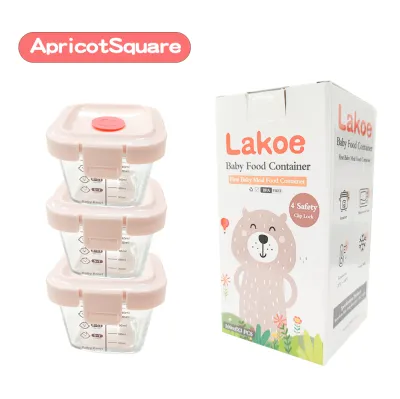
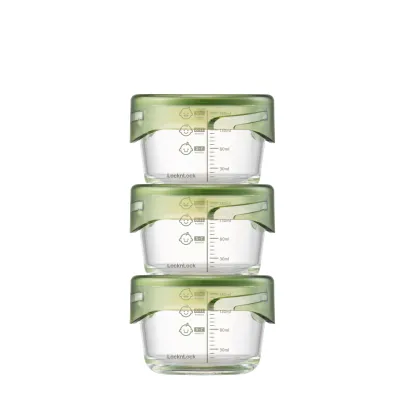
- Glass Jars: Glass is non-porous, does not absorb food odors or stains, and is safe for both freezing and warming. However, glass is breakable, and standard glass can crack under sudden temperature shifts. If using glass, ensure it is tempered or specifically rated for thermal shock and freezing.
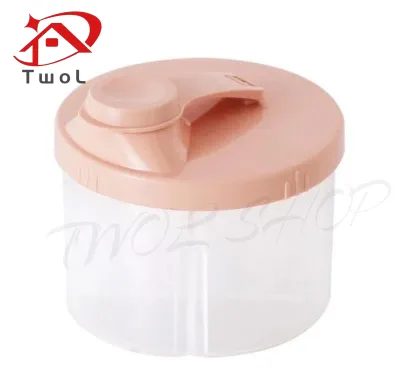
- BPA-Free Plastic: Plastic containers are lightweight, durable, and highly portable. However, over time, plastic can scratch, creating tiny crevices where bacteria can harbor. It can also absorb food pigments and odors.
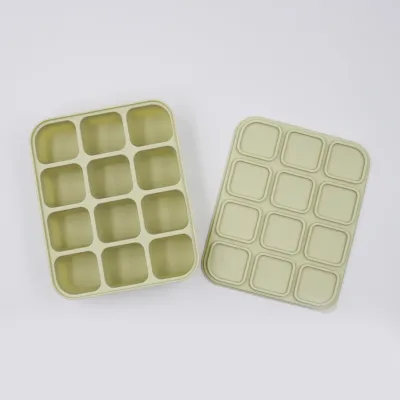
- Silicone Trays: Food-grade silicone is flexible, durable, and naturally resistant to bacteria. It is excellent for freezing because you can easily pop out individual portions.
Avoid reusing single-use commercial baby food jars for long-term home freezing. These jars are designed for one-time commercial vacuum sealing and may crack or fail to seal tightly when reused at home.
Smart Portioning for Minimal Waste
Babies eat very small amounts when starting solids, often starting with just one or two teaspoons per meal. Portioning your purees into tiny, single-serving sizes prevents massive food waste and makes meal preparation effortless.
Use clean, covered silicone ice cube trays or specialized baby food freezer trays to portion out the fresh puree. Each cube typically holds about one ounce (approximately 30 ml or two tablespoons), which is an ideal starting portion for early weaning.
Once the purees are frozen solid in the tray, pop the cubes out and transfer them into airtight, heavy-duty freezer bags or containers. This frees up your trays for the next batch and saves valuable freezer space.
Always portion out only what your baby will eat in a single sitting into a separate feeding bowl. Never feed your baby directly from the main storage container if you plan to save the leftovers. Saliva contains enzymes and bacteria that begin digesting and contaminating the food the moment the spoon touches it. Any food left in the baby’s feeding bowl at the end of a meal must be thrown away.
Refrigeration and Freezing Best Practices
Properly storing your portioned baby food in the refrigerator or freezer preserves its nutritional value and keeps it safe from spoilage.
- Refrigerator Storage Limits: Freshly prepared fruit and vegetable purees can be safely stored in the coldest part of the refrigerator for up to 48 hours. Meat, poultry, fish, and egg-based purees have a much shorter safe window and should only be refrigerated for up to 24 hours. If you do not plan to use the food within these timeframes, freeze it immediately after cooling.
- Freezer Storage Limits: For longer-term storage, freezing is highly effective. Most homemade purees retain their quality and safety in a standard home freezer for up to one to three months. To maintain quality and prevent freezer burn—which causes dry, greyish-brown spots on the food—squeeze all excess air out of freezer bags before sealing them tightly.
- Labeling and Organization: Never rely on your memory to identify what is in a container or when it was made. Use a freezer-safe permanent marker and tape to label every single bag or jar with the exact ingredients and the date of preparation.
- First In, First Out (FIFO): Practice the "first in, first out" method. Organize your freezer so that the oldest batches are placed at the front or top, ensuring they are consumed before newer batches.
- Ingredient-Specific Rules: Be mindful of certain ingredients. Leafy greens like spinach, beets, and collard greens naturally contain higher levels of nitrates. If stored incorrectly or kept too long, these nitrates can convert to nitrites, which can be harmful to young infants. Consult your pediatrician regarding specific guidelines for preparing and storing high-nitrate vegetables for babies under six months old.
Safe Thawing and Reheating Methods
The storage cycle is only complete when the food is safely brought back to a consumable temperature. Improper thawing or reheating can quickly ruin all your careful preparation and introduce safety risks.
Safe Thawing Methods
The safest way to thaw frozen baby food is to transfer the required portions from the freezer to the refrigerator the night before you plan to use them. This keeps the food at a safe, constant temperature below the danger zone.
For quicker thawing, place the sealed storage container or bag in a bowl of warm water, replacing the water as it cools. You can also use the defrost setting on your microwave, stirring the food frequently to ensure even thawing.
Never leave frozen baby food on the kitchen counter or in a warm room to thaw. The outer layers of the food will thaw first and enter the danger zone, allowing bacteria to multiply rapidly while the center remains frozen.
Reheating to Safe Temperatures
When reheating baby food, heat it until it is steaming hot throughout (ideally reaching 74°C) to kill any potential bacteria that may have been introduced during handling. Stir the food thoroughly to eliminate any hot spots, which are common when using a microwave.
Let the food sit and cool down to a safe, lukewarm temperature before offering it to your baby. Always test the temperature on the inside of your wrist first to ensure it will not burn your baby’s sensitive mouth.
Once baby food has been thawed or reheated, it must never be refrozen. The process of thawing and refreezing degrades both the texture and nutritional value of the food while significantly increasing the risk of bacterial contamination. If your baby does not finish a thawed portion, discard the remainder.
Signs of Spoilage and When to Throw Food Away
Even with meticulous storage, food can spoil. You must be able to recognize the signs of bad food to protect your baby’s delicate system.
Check the food carefully before serving. Look for any signs of mold, unusual dark spots, or strange discoloration. While some natural separation of liquid is normal and can be resolved with a quick stir, a watery layer accompanied by a slimy texture or curdling is a clear sign of spoilage.
Smell the food before heating it. If it has a sour, fermented, yeast-like, or rancid odor that differs from its natural freshly cooked smell, do not feed it to your baby.
A baby’s immune system is still developing, making them far more susceptible to foodborne illnesses than adults. If you have any doubt about the safety, storage duration, or smell of a batch of baby food, follow the golden rule of infant food safety: “When in doubt, throw it out.”
Frequently Asked Questions (FAQ)
Can I store baby food containers on the refrigerator door?
No, you should avoid storing baby food containers on the refrigerator door. The door is the warmest part of the appliance and experiences constant temperature fluctuations every time it is opened and closed. This unstable environment can accelerate spoilage. Instead, store baby food on the main shelves, preferably towards the back of the middle or bottom shelves where the temperature remains coldest and most stable.
How long can baby food sit out during a feeding session?
Perishable baby food should not sit out at room temperature for more than two hours during a feeding session, and this limit drops to one hour in hot, humid weather. Crucially, once a spoon has touched your baby’s mouth and goes back into the bowl, saliva-borne bacteria are introduced. For this reason, any food remaining in the feeding bowl at the end of a meal must be discarded immediately, regardless of how long it has been sitting out.
Community discussion
Share your experience or ask a question. Comments are reviewed before publication.