
Preparing homemade meals for your baby is an excellent way to control their nutrition and introduce fresh flavors. To keep homemade baby food safe and fresh, you must store it in airtight, food-grade containers, refrigerate it for no more than 48 hours, or freeze it for up to one to three months. Proper thawing in the refrigerator or a warm water bath, combined with strict hygiene practices, prevents harmful bacterial growth.
Before introducing solid foods, consult your pediatrician to ensure your baby is developmentally ready, which typically occurs around six months of age. Because infants have developing immune systems, they are highly sensitive to foodborne bacteria. In tropical climates like the Philippines, where high ambient temperatures and humidity accelerate food spoilage, mastering proper storage techniques is an essential step in your solid-food journey.
Choosing the Right Storage Containers for Baby Food
The foundation of safe baby food storage starts with selecting the right containers. Using the wrong material can expose your baby’s food to chemical leaching, freezer burn, or environmental contaminants. Parents generally choose among three common container materials:
Products mentioned in this guide
Prices are valid at publication and may change. Please refer to the product page for the latest price.
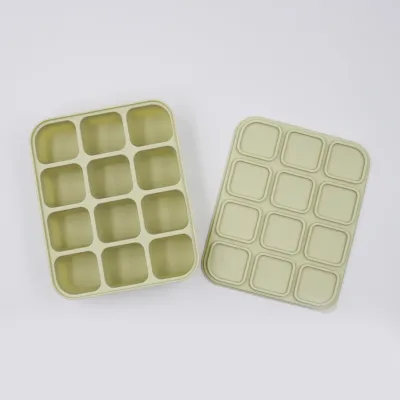
- Food-grade silicone freezer trays: These are highly recommended for freezing small, single-serving portions. The flexible material allows you to pop out individual frozen cubes easily without warming the entire tray. Always choose silicone trays that come with secure, tight-fitting lids to protect the food from absorbing freezer odors.
- BPA-free plastic containers: Lightweight, durable, and highly portable, these are excellent for on-the-go feeding. They are less prone to breaking if dropped on hard kitchen tiles. When purchasing, verify that the manufacturer explicitly labels the plastic as BPA-free and safe for your intended cleaning methods, such as steam sterilization or dishwashing.
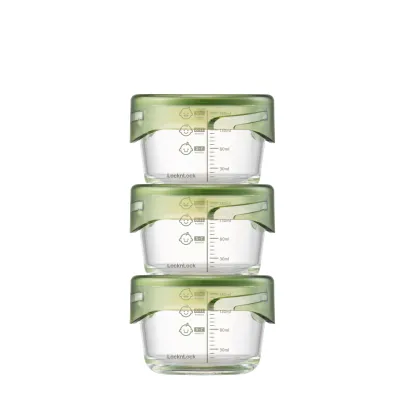
- Glass jars: Glass is a highly hygienic, non-porous material that does not retain food odors or stain from vibrant vegetables like carrots and squash. However, glass carries a risk of cracking or shattering if subjected to extreme temperature shocks, such as moving directly from a cold freezer to hot water. If you choose glass, verify that the jars are made of tempered glass designed for thermal transitions.
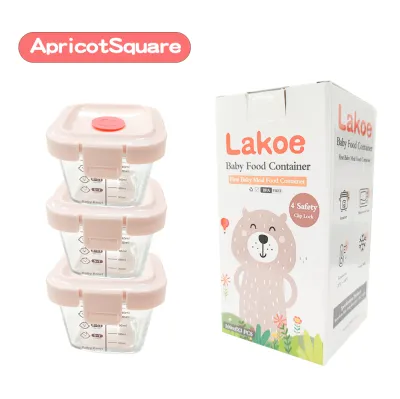
Regardless of the material you choose, ensure every container has a reliable, airtight lid. An airtight seal prevents moisture loss, shields the food from airborne bacteria, and keeps the puree fresh. Additionally, keep a dedicated set of storage containers and preparation tools exclusively for your baby. Using separate tools prevents cross-contamination from strong spices, raw adult foods, or potential allergens present in family meals.
How to Refrigerate Homemade Baby Food for Short-Term Use
Refrigeration is ideal for purees you plan to serve within a day or two. However, keeping refrigerated food safe requires careful attention to cooling times and shelf placement.

After cooking a fresh batch of puree, allow it to cool slightly before sealing the container. Sealing boiling-hot food traps steam, creating condensation inside the lid. This excess moisture can drip back down and create an ideal environment for bacterial growth. Do not leave the food sitting out on the counter to cool for an extended period; transfer it to the refrigerator within two hours of preparation, or within one hour if your kitchen is warm.
Store baby food containers on the middle or lower shelves of your refrigerator, where temperatures remain the most stable and cold. Avoid storing baby food in the refrigerator door shelves. The door is subject to frequent temperature fluctuations every time it is opened, which can compromise the safety and shelf life of the purees.
Standard food safety guidelines recommend keeping refrigerated homemade vegetable and fruit purees for up to 48 hours. If your homemade baby food contains high-risk ingredients such as meat, poultry, fish, or eggs, the safe refrigeration window is shorter, typically limited to 24 hours. Always verify the storage guidelines for specific ingredients and consult a professional if you are unsure about a recipe’s shelf life.
To track freshness accurately, use waterproof labels or painter’s tape to mark each container with the exact preparation date and the type of food. This simple habit removes any guesswork and ensures you never accidentally serve an expired portion to your baby.
Step-by-Step Guide to Freezing Baby Food Purees
Freezing is the most efficient way to batch-prepare and preserve homemade baby food for long-term use. This method locks in nutrients and allows you to build a convenient library of single-serving meals.
To begin, pour your freshly prepared, slightly cooled purees into food-grade silicone trays. Each compartment typically holds about one ounce (approximately 30 grams), which is a perfect starting portion size for babies beginning solids.
Cover the trays with their matching airtight lids or a layer of freezer-safe wrap before placing them in the freezer. Covering the food is a critical step that prevents freezer burn, which dries out the food, and stops the purees from absorbing odors from neighboring frozen items like fish or onions.
Once the puree cubes are frozen completely solid, which usually takes several hours or overnight, pop them out of the trays. Transfer the frozen cubes immediately into airtight, freezer-safe storage bags or containers. This frees up your trays for the next batch of purees and keeps your freezer organized.
Clearly label the secondary storage bags with the exact food type and the preparation date. Keeping track of dates is vital because frozen baby food should ideally be consumed within one to three months for optimal nutritional quality and taste.
Finally, verify that your freezer maintains a consistent temperature of -18°C (0°F) or lower. Avoid placing baby food portions near the front of the freezer or in the freezer door, as these areas experience the most temperature fluctuations during daily use.
Safe Thawing and Reheating Methods for Frozen Baby Food
Transitioning frozen baby food to a safe, palatable serving temperature requires careful handling to avoid bacterial multiplication and dangerous burn hazards.
Recommended Thawing Techniques
The safest way to thaw frozen baby food is to transfer the required number of cubes from the freezer to the refrigerator the night before you plan to serve them. The food will thaw slowly and safely at a controlled, cold temperature.
If you need to thaw a portion quickly, place the sealed container or freezer bag into a bowl of warm water. Replace the water as it cools until the food is completely thawed.
Never thaw baby food at room temperature on the kitchen counter or in hot water. In warm, humid tropical environments, leaving food on the counter allows the outer layers of the puree to reach the bacterial “danger zone” where pathogens multiply rapidly, even while the center of the portion remains frozen.
Reheating Safely and Checking Temperature
You can reheat thawed or frozen baby food on the stovetop or in a microwave. If you are using the stovetop, place the portion in a small, clean saucepan over low heat. You may need to add a splash of water, breast milk, or prepared formula to restore the desired consistency, as purees can thicken during the freezing process.
If you use a microwave, transfer the food to a microwave-safe glass or ceramic dish. Microwaves heat food unevenly, creating localized “hot spots” that can easily burn your baby’s mouth. To eliminate this risk, microwave the food in short intervals, stir it thoroughly, let it sit for one minute, and stir it again to distribute the heat evenly.
Before feeding your baby, always test the temperature of the food. Place a small drop of the reheated puree on the inside of your wrist; it should feel comfortably warm, not hot. Alternatively, use a clean food thermometer to verify the temperature.
Never refreeze baby food that has already been frozen and thawed. Refreezing degrades the food’s nutritional value, compromises its texture, and significantly increases the risk of bacterial contamination.
Crucial Food Safety Rules and Spoilage Warning Signs
Because babies have highly sensitive digestive systems, practicing strict food safety is your best defense against foodborne illnesses.
In hot and humid climates like the Philippines, you must follow a strict one-hour rule for food left at room temperature. Discard any baby food that has been sitting out on the counter for more than one hour after preparation or thawing. High indoor temperatures accelerate bacterial growth, making delayed refrigeration highly risky.
To prevent cross-contamination, never feed your baby directly from the primary storage container if you plan to save the leftovers. Saliva contains enzymes and bacteria that begin breaking down food immediately. Always use a clean spoon to portion out what your baby will eat into a separate feeding bowl. Any leftover food remaining in the feeding bowl after a meal must be discarded immediately.
Before serving any stored baby food, inspect it closely for signs of spoilage. Look for off-odors, unusual color changes, visible mold, or severe separation that does not resolve with thorough stirring.
Always adopt a “when in doubt, throw it out” mindset. If you suspect a container was left out too long, or if the refrigerator door was left open, do not risk your baby’s health. Discard the portion and prepare a fresh one.
Frequently Asked Questions (FAQ)
Can I freeze baby food mixed with breast milk or formula?
While you can freeze purees mixed with breast milk or formula, it is generally not recommended. Freezing can cause milk proteins and fats to separate, resulting in an unappealing texture and watery consistency when thawed. Additionally, freezing can degrade some of the delicate nutrients in breast milk. The best practice is to freeze the plain fruit or vegetable puree on its own, then stir in fresh breast milk or freshly prepared formula after you have thawed and reheated the portion to serving temperature.
How can I prevent freezer burn on baby food portions?
Freezer burn occurs when air comes into contact with the food’s surface, causing moisture to evaporate and leaving dry, icy patches. To prevent this, ensure all storage containers have a completely airtight seal. If you are using freezer bags, gently press out as much excess air as possible before sealing them shut. Additionally, keep your frozen portions stored deep inside the freezer rather than on the door shelves, which are exposed to warm drafts every time the freezer is opened.
What should I do if my baby only eats half a portion?
If your baby only eats half of the portion served in their feeding bowl, you must discard the remaining half. Because the spoon has traveled between your baby’s mouth and the bowl, saliva has introduced bacteria that will multiply quickly in the leftovers. However, if you kept the remaining portion in the primary storage container and used a clean spoon to transfer only a small amount to the bowl, that untouched food is safe. You can store the untouched portion in the refrigerator and serve it within the recommended 24 to 48 hours, depending on the ingredients.
Community discussion
Share your experience or ask a question. Comments are reviewed before publication.