
Preparing homemade baby food is an excellent way to ensure your little one receives wholesome, nutrient-dense meals tailored to their developmental needs. By making purees at home, you have complete control over the quality of the ingredients, avoiding the added sugars, sodium, and preservatives often found in commercial options. However, because an infant’s immune system is still maturing, proper food handling and storage are critical to prevent foodborne illnesses. Understanding how to manage temperature, select safe containers, and safely thaw frozen portions ensures that every meal remains as safe and nutritious as the moment it was prepared.
By mastering the fundamentals of baby food storage, you can confidently batch-prepare meals, saving time and reducing daily stress. Freshly prepared purees generally keep in the refrigerator for up to 48 hours, while frozen portions can remain safe and high in quality for one to three months. Implementing a structured storage routine helps you preserve essential vitamins while keeping harmful bacteria at bay. This guide provides step-by-step best practices to help you navigate the storage process safely and efficiently.
Essential Hygiene and Cooling Before Storage
Food safety starts with meticulous preparation habits before any food is placed in a container. Always wash your hands thoroughly with warm water and soap for at least 20 seconds before handling ingredients, utensils, or storage containers. Ensure that all cutting boards, knives, blenders, and storage containers are thoroughly cleaned and sanitized. When preparing food for infants, who are highly vulnerable to foodborne pathogens, maintaining an exceptionally clean workspace is your first line of defense against contamination.
Products mentioned in this guide
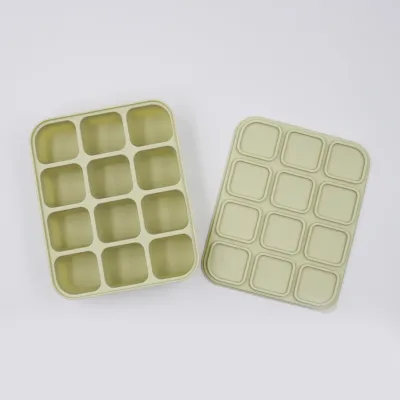
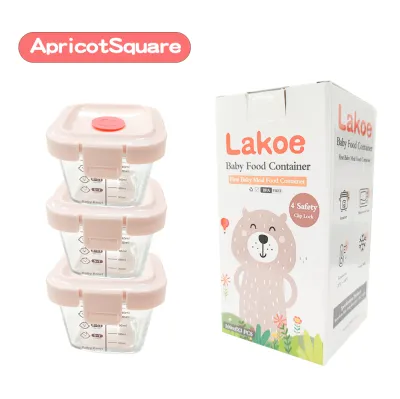
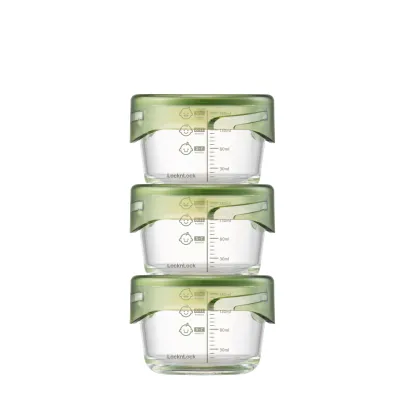
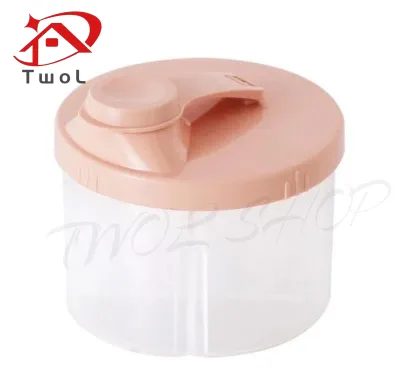
Prices are valid at publication and may change. Please refer to the product page for the latest price.
In the Philippines, water quality and agricultural residues require extra attention. Always wash local produce—such as kalabasa (squash), kamote (sweet potato), and sayote (chayote)—thoroughly under running water to remove soil, debris, and potential pesticide residues before peeling and cooking. Additionally, always use purified or boiled water when blending purees or cleaning preparation surfaces to prevent waterborne contaminants from entering your baby’s food.
Once cooked, homemade purees must be cooled quickly before they are sealed and stored. Placing hot food directly into a refrigerator or freezer is not recommended, as it can raise the appliance’s internal temperature, potentially compromising other stored items. However, leaving food to sit on the counter to cool slowly is equally dangerous. In a tropical climate characterized by high ambient temperatures and humidity, bacteria can multiply exponentially in a very short period.
To safely manage this process, transfer cooked baby food to the refrigerator or freezer within two hours of preparation. If the room temperature is exceptionally high—such as during the hot dry season where indoor temperatures can easily exceed 32°C—this safe window shrinks to just one hour. To speed up cooling without exposing the food to open-air contaminants, place the warm puree in a clean glass bowl and set it inside a larger basin filled with ice water, stirring occasionally until it reaches room temperature.
Best Practices for Refrigerating Baby Food
For meals that your baby will consume within a day or two, refrigeration is the most practical short-term option. When selecting storage containers, prioritize airtight, food-grade glass or certified BPA-free plastic. Verify the manufacturer’s packaging to ensure the containers are specifically rated for food storage. Using small, individual-portion containers is highly recommended, as it prevents you from having to repeatedly open and expose a large batch of food to air and external contaminants.

While general food safety guidelines suggest that many vegetable and fruit purees can be refrigerated for up to 48 hours, purees containing meat, poultry, fish, or eggs should generally be used within 24 hours. Because specific storage limits can vary depending on the combination of ingredients, always consult your pediatrician or a qualified pediatric nutritionist for guidance tailored to your baby’s specific diet. Always label each container with a piece of tape indicating the preparation date and the exact ingredients.
To maintain a stable temperature, store baby food containers in the main body of the refrigerator, preferably on the middle or top shelves. Avoid storing baby food in the refrigerator door, as the temperature there fluctuates every time the door is opened, which can accelerate spoilage. Keep your refrigerator temperature set at 4°C or lower to ensure the food remains safely chilled.
In areas prone to electrical fluctuations or scheduled power outages (brownouts), extra vigilance is required. If a brownout occurs, keep the refrigerator door closed as much as possible to maintain the cold temperature. If the power is out for more than four hours, or if the internal temperature of the refrigerator rises above 4°C, inspect the stored baby food carefully and err on the side of caution by discarding perishable purees to protect your baby’s health.
Additionally, never feed your baby directly from the main storage container if you intend to save the leftovers. Saliva contains enzymes and bacteria that begin breaking down the food immediately. When a spoon goes from your baby’s mouth back into the container, it introduces these microorganisms, which can multiply even under refrigeration. Always scoop the desired portion into a separate feeding bowl and immediately reseal the main container.
How to Freeze Homemade Baby Food for Batch Prep
Freezing is an exceptional method for preserving the nutritional value and fresh taste of homemade baby food for long-term use. By preparing large batches of purees and freezing them in small portions, you can ensure your child has access to a variety of healthy meals without requiring daily kitchen preparation.
Choosing and Using Freezer Containers
To freeze baby food efficiently, utilize food-grade silicone ice cube trays or specialized baby food freezer trays with secure, tight-fitting lids. These trays allow you to freeze purees in convenient one-ounce or two-ounce portions, which align perfectly with early weaning portion sizes. Before purchasing, verify the manufacturer’s documentation to ensure the trays are certified freezer-safe, durable, and free from harmful chemical additives.
Spoon the cooled puree into the tray compartments, leaving a small amount of headspace at the top of each well to allow for expansion as the food freezes. Cover the tray tightly with its lid or a layer of plastic wrap to prevent freezer burn and stop the food from absorbing odors from other items in the freezer. Once the cubes are frozen solid—typically within four to six hours—pop them out of the tray and transfer them to heavy-duty, airtight freezer bags. Label the bags with the preparation date and ingredients, and squeeze out excess air before sealing to maintain freshness.
Using reusable silicone freezer bags is another space-saving option. These bags can be laid flat in the freezer until solid, making them easy to stack. If you prefer glass, ensure you use tempered glass jars specifically labeled as freezer-safe. Regular glass jars can easily crack or shatter when the liquid inside expands during the freezing process.
Ingredients That Do Not Freeze Well
Not all ingredients respond well to sub-zero temperatures, and some can experience significant changes in texture, consistency, and overall quality. Vegetables with exceptionally high water content, such as cucumbers, melons, and certain leafy greens, tend to become watery and limp once thawed. This separation can make the puree unappealing to a baby who is just learning to accept different food textures.
Local ingredients also behave differently. For example, pureed gabi (taro) or certain varieties of saba bananas can become excessively gummy, dense, or rubbery after being frozen and thawed. Similarly, purees thickened with starches like cornstarch or arrowroot can lose their smooth consistency and become spongy.
To bypass these issues, freeze your base vegetable or fruit purees plain. For example, you can freeze pureed sweet potato, squash, or pear cubes successfully. Once you thaw and reheat the base portion to a safe temperature, you can stir in fresh breast milk, infant formula, or a spoonful of yogurt right before serving. This approach preserves the desired creamy texture while keeping your batch-cooking routine highly efficient.
Safe Thawing and Reheating Methods
Thawing and reheating baby food correctly is vital to ensure that the food is brought to a palatable temperature without allowing harmful bacteria to multiply. Caregivers must follow precise steps to transition food from the freezer to the baby’s bowl safely.
Recommended Thawing Techniques
The safest and most recommended method for thawing frozen baby food is to transfer the required number of frozen cubes from the freezer to the refrigerator the night before feeding. Place the frozen cubes in a clean, covered dish on a refrigerator shelf to thaw slowly. This controlled, cold environment prevents the food from entering the temperature “danger zone” where bacteria thrive. Once fully thawed in the refrigerator, the food should be consumed within 24 hours.
If you need to thaw a portion quickly, use a warm water bath. Place the frozen food cube inside a small, watertight, food-grade storage bag or a tightly sealed glass jar. Submerge the sealed container in a bowl of warm water, replacing the water every ten minutes to keep it warm. Once the food is completely thawed, stir it thoroughly and feed it to your baby immediately.
Never refreeze baby food that has already been thawed. The thawing process allows dormant bacteria to become active again, and refreezing them only traps them in the food to multiply further during the next thaw. If your baby does not finish a thawed portion, discard the remaining food rather than trying to save it for another day.
Reheating and Temperature Verification
When reheating chilled or thawed baby food, it is important to heat the food thoroughly until it is steaming hot throughout to eliminate any potential bacteria. If you are using a stovetop or a double boiler, stir the food constantly to ensure even heat distribution. Traditional steaming using a standard stovetop steamer basket is also an excellent, gentle option that helps preserve water-soluble vitamins while heating the food evenly. Once the food has reached a high temperature, allow it to cool down to a safe, lukewarm temperature before offering it to your child.
If you choose to use a microwave for reheating, you must exercise extreme caution. Microwaves heat unevenly and can create localized “hot spots” that can easily burn your baby’s mouth. Always use a microwave-safe glass container, heat the food in short ten-second bursts, and stir the puree vigorously after each interval. Let the food stand for one to two minutes to let the heat distribute, stir it again, and always test the temperature on the inside of your wrist before feeding.
Avoid unsafe thawing practices such as leaving frozen baby food cubes on the kitchen counter at room temperature. This method exposes the outer edges of the food to warm air for hours, allowing bacteria to multiply rapidly while the center remains frozen. Additionally, never run hot tap water directly over unsealed food, as this can introduce contaminants from the water supply and wash away valuable nutrients.
How to Tell if Stored Baby Food Has Gone Bad
Before serving any stored food to your baby, conduct a thorough inspection to ensure it is fresh and safe. Spoiled food can cause foodborne illness, leading to symptoms such as vomiting, diarrhea, and dehydration. Knowing what signs to look for will help you make safe decisions.
Begin with a visual inspection of the container and the food. Look for any signs of mold, which can appear as fuzzy spots of white, grey, green, or black on the surface of the puree or around the inner rim of the lid. Check for unusual discoloration; while minor browning from oxidation is normal for fruits like apples and bananas, a dull, dark, or completely altered color throughout the puree is a strong indicator of spoilage. If the puree has separated into distinct layers of liquid and solid that do not recombine into a smooth texture when stirred, it should be discarded.
Next, evaluate the smell and texture. Fresh baby food should have a mild, pleasant aroma characteristic of its ingredients. If you detect a sour, fermented, rancid, or musty odor upon opening the container, do not feed it to your baby. If the texture feels unusually slimy, sticky, or stringy, these are also signs that bacteria have begun to break down the food. Always adhere to the safety principle: when in doubt, throw it out.
Finally, manage leftovers carefully during and after feeding. Once your baby’s spoon touches their mouth and goes back into the bowl, saliva introduces bacteria into the food. These bacteria thrive in the warm, moist environment of the feeding bowl. For this reason, any leftover food remaining in your baby’s bowl at the end of a meal must be discarded immediately. Never store, refrigerate, or reheat partially eaten leftovers for a later meal, as this poses a significant health risk to your child.
Frequently Asked Questions (FAQ)
Can I freeze baby food purees that contain meat, poultry, or dairy?
Yes, purees containing meat and poultry can be safely frozen for up to one to two months, provided they are prepared under strict hygienic conditions and cooled rapidly before freezing. However, purees containing dairy products such as yogurt, cheese, or heavy cream do not freeze well. The freezing process causes the fats and liquids in dairy to separate, resulting in a watery, grainy, or curdled texture when thawed. To maintain the best quality, freeze your vegetable or grain bases plain, and stir in fresh dairy ingredients only after the base has been thawed and reheated.
How long can prepared baby food sit out at room temperature during a meal?
In standard environments, perishable food should not sit out for more than two hours. However, in the tropical climate of the Philippines, where high humidity and elevated ambient temperatures accelerate bacterial growth, this safe window is reduced to just one hour. Once your baby has finished eating, any food left in the serving bowl must be discarded immediately. This is because saliva introduced during the feeding session contains bacteria that multiply rapidly in the warm environment, making the leftovers unsafe for future consumption.
Community discussion
Share your experience or ask a question. Comments are reviewed before publication.