
Transitioning your baby to solid foods is an exciting milestone, but it also introduces new kitchen logistics. Managing both infant formula and homemade dry baby food powders—such as blender-milled rice, oats, or dehydrated vegetable powders—requires strict hygiene and moisture control. In a tropical climate like the Philippines, high humidity and warm temperatures can quickly turn dry powders into clumped, spoiled masses if they are not stored correctly. Using a dedicated powder milk storage bag offers a convenient, space-saving solution for portioning these essential nutrients, provided you follow the correct handling and sealing protocols.
Before introducing any new solid food powders or changing your baby’s feeding routine, consult your pediatrician or a qualified healthcare professional to ensure your baby is developmentally ready. Always verify the age suitability, preparation instructions, and safety warnings on your specific formula or commercial baby food packaging before portioning.
Preparing Storage Bags and Your Workspace for Safe Handling
Start by selecting the right storage materials for your baby’s food. Look for food-grade, BPA-free storage bags that are specifically manufactured for dry goods, breast milk, or baby food storage. These bags are typically thicker and feature stronger double-zipper seals than standard household sandwich bags, which helps prevent moisture from seeping through the plastic barrier. Never use bags that are not explicitly labeled as food-safe or BPA-free, as they may leach harmful chemicals into the dry powder.
Products mentioned in this guide
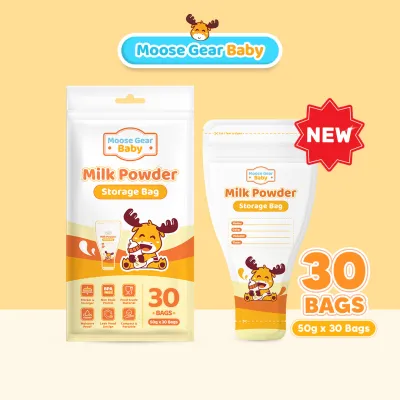
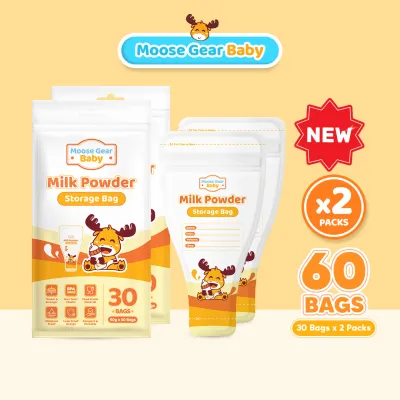
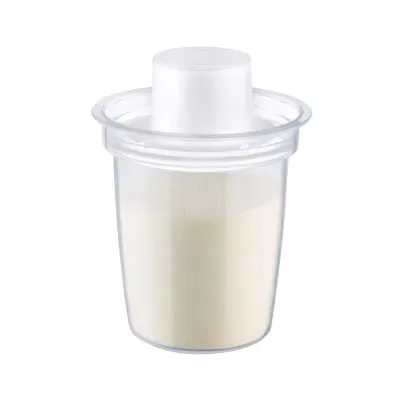
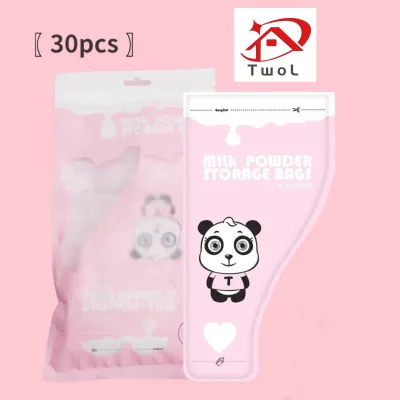
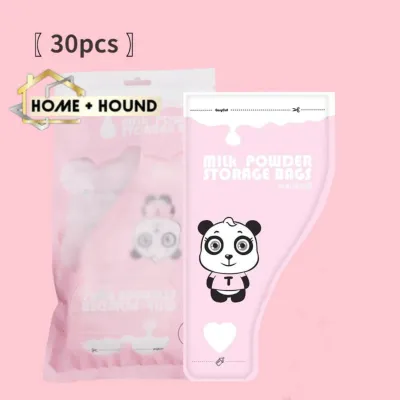
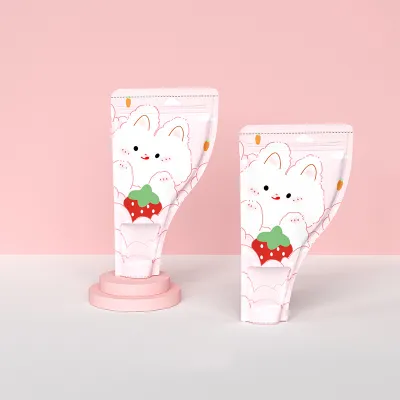
Prices are valid at publication and may change. Please refer to the product page for the latest price.
Before opening any storage bags, prepare a clean zone. Wash your hands thoroughly with soap and water for at least twenty seconds, then dry them with a clean, lint-free towel. Wipe down your kitchen counter or prep table with a food-safe sanitizer and let it air dry completely, as any lingering moisture on the surface can ruin your dry powders instantly. In tropical environments, this step also helps deter common household pests like ants, which are quickly drawn to sweet formula residues.
Gather all necessary utensils, such as scoops, spoons, and funnels. Ensure every tool is completely dry; even a single drop of water inside a funnel can cause powder to stick, clump, and develop mold over time. If you have recently washed your utensils, consider drying them with a clean paper towel and letting them sit in a dry area for a few minutes to ensure no hidden moisture remains in the crevices.
Inspect each storage bag individually before use. Gently open the zipper and check for any manufacturing defects, tears, or compromised seams. If a seal feels loose or fails to click shut securely, discard the bag immediately to avoid exposing your baby’s food to ambient air. Taking a few seconds to verify the bag’s integrity prevents unexpected leaks and spoilage later on.
Step-by-Step Guide to Portioning and Sealing the Powders
Transferring dry powders requires a steady hand and dry utensils. Use a dedicated, completely dry scoop or spoon to move the powdered formula or blender-milled grains from their original containers into the storage bags. If you are using a funnel to prevent spills, ensure the funnel neck is wide enough to let the powder flow freely without clogging. Static electricity can sometimes cause the powder to cling to the sides of the plastic bag, so tapping the bag gently on the counter can help settle the contents.

Avoid overfilling the bags. Leave at least one to two inches of headspace below the zipper track. Overfilling forces powder into the zipper grooves, which prevents the tracks from interlocking properly and leaves microscopic gaps where humid air can enter. Keeping the zipper track clear is one of the most effective ways to maintain an airtight seal.
Before sealing the bag, you must remove excess air. Gently flatten the lower portion of the bag with one hand while sliding your other hand upward toward the zipper to push out the air. Be careful not to squeeze too hard, or you might send a cloud of fine powder out of the top of the bag. Removing this air minimizes oxidation, which helps preserve the nutritional value and taste of the powder.
Once the air is minimized, press the zipper firmly from one end to the other. Run your fingers across the seal twice to confirm that the double-zipper is fully locked. You should feel or hear the tracks clicking together along the entire width of the bag. A properly sealed bag should look flat and feel firm, with no air pockets expanding when you apply light pressure.
Labeling is a critical safety step that you must never skip. Use a permanent marker to write the contents, the exact portion size, the preparation date, and the original manufacturer’s expiration date on the bag’s designated labeling area. Writing this information before filling the bag is often easier, as it prevents you from puncturing the plastic with the pen tip while pressing down on the powder. Always prioritize the earliest expiration date to ensure your baby receives fresh, safe nutrition.
Choosing the Right Storage Environment for Sealed Bags
Once your bags are sealed, their storage environment determines how long they will remain fresh. Store the sealed bags in a cool, dark, and dry place, such as a dedicated pantry shelf or a closed kitchen cabinet. Keep them away from direct sunlight, which can heat the plastic and cause condensation to form inside the bag, leading to rapid spoilage.
Avoid storing your powder bags near heat-generating appliances. Areas above or next to stoves, ovens, rice cookers, or sterilizers experience frequent temperature fluctuations and high humidity, which can degrade the nutritional quality of the powder. In tropical climates, choosing an interior cabinet away from outer walls that absorb solar heat is highly recommended.
Do not store dry powders in the refrigerator unless the manufacturer’s label explicitly instructs you to do so. The cold, damp environment of a refrigerator introduces significant condensation risks every time you open and close the fridge door, which can ruin the texture and safety of the powder. Keep the powders at room temperature in a dry space instead.
To add an extra layer of protection against humidity and pests, place your sealed storage bags inside a larger, airtight plastic container. This double-barrier method is highly effective in humid regions, keeping your portioned bags organized and safe from external elements.
Implement a strict “first in, first out” (FIFO) system in your pantry. Arrange your stored bags chronologically, placing the oldest batches at the front of the shelf so they are used first. This simple organizational habit ensures that no portion sits past its optimal freshness window, reducing food waste and keeping your feeding routine efficient.
Checking for Freshness and Safety Before Feeding
Always perform a physical inspection of the powder before preparing a feed or meal. Pour a small amount of the powder onto a clean spoon and look closely for any signs of clumping or hardening. If the powder has formed hard lumps that do not easily crumble under light pressure, moisture has entered the bag, and the powder should be discarded immediately.
Check for color changes and off-odors. Fresh powdered formula and milled grains should have a uniform color and a mild, pleasant smell. If you notice any yellowing, graying, or a sour, rancid odor—which indicates fat oxidation—do not feed the powder to your baby. Trust your senses; if the powder smells or looks unusual, it is always safest to throw it out.
Examine the storage bag itself for physical compromise. Look for puffiness in the bag, which can indicate gas production from bacterial growth inside. Check the zipper area for any accumulated powder residue that might have broken the airtight seal over time. If you find any tiny punctures or tears, discard the contents immediately.
Adhere strictly to the manufacturer’s shelf-life guidelines. Once a commercial formula tub is opened, the powder is typically meant to be consumed within a specific timeframe, often one month. Re-portioning the powder into bags does not extend this window; you must still discard any unused portion once the original manufacturer’s post-opening limit is reached. Never risk your baby’s digestive health by using expired or improperly stored powder.
Managing Both Formula and Solid Food Powders During Transition
The weaning phase often requires managing multiple types of powders simultaneously, from infant formula to homemade oat, barley, or vegetable powders. To prevent cross-contamination, use dedicated scoops and preparation utensils for each specific powder. Never use a scoop that has touched homemade food to measure infant formula, as this can introduce foreign proteins or bacteria to the formula.
As your baby’s appetite and solid food intake evolve, adjust your portion sizes accordingly. In the early stages of weaning, you may only need small, single-serving portions of homemade grain powders. Gradually increase the portion sizes in your storage bags as your baby transitions to larger meals, reducing food waste and saving prep time during busy mornings.
Keep your stored powders clearly distinguished to avoid confusion during busy feeding times. Use color-coded labels, different colored storage bags, or separate storage bins in your pantry to isolate infant formula from homemade solid food powders. This visual separation helps prevent accidental mix-ups, ensuring your baby receives the correct nutrition at every meal.
If you are traveling or leaving your baby with a caregiver, pre-portioned storage bags are incredibly helpful. Make sure to write clear instructions on the bag regarding how much water to mix with the specific powder. This ensures that anyone feeding your baby can prepare the meal accurately and safely, maintaining consistency in your baby’s diet.
Frequently Asked Questions (FAQ)
Can I reuse storage bags for different baby food powders?
It is highly recommended to treat powder storage bags as single-use items to maintain strict hygiene standards. Completely removing fine powder residues, natural fats, and proteins from the tight corners and zipper tracks of a plastic bag is extremely difficult, even with thorough washing. Any leftover residue can attract moisture, harbor bacteria, or spoil, which risks contaminating the fresh powder you place inside the reused bag. If you must reuse bags, dedicate them strictly to the same type of dry ingredient, wash them with warm soapy water, and ensure they are completely dry before refilling.
Is it safe to store powdered formula bags in the freezer?
Storing powdered formula in the freezer is generally not recommended by manufacturers. While freezing is excellent for preserving many foods, the extreme temperature change when you bring a frozen bag of powder into room temperature causes immediate condensation to form inside the bag. This moisture will make the powder clump and spoil rapidly. To preserve the quality and safety of your infant formula, keep the sealed storage bags in a cool, dry pantry at room temperature rather than in cold storage.
Community discussion
Share your experience or ask a question. Comments are reviewed before publication.