
To properly store and transport breastmilk using a Baoneo breastmilk bag during outings, you must maintain a strict cold chain from the moment of expression to the time of feeding. This involves sterilizing your equipment, filling the sterile Baoneo bags to the correct volume, removing excess air, and packing them in an insulated cooler bag lined with high-quality ice packs. Given the tropical climate of the Philippines, where high humidity and ambient temperatures frequently exceed 30°C, preserving the nutritional value and safety of your liquid gold requires meticulous temperature control and hygienic handling.
Using specialized storage bags like those from Baoneo helps simplify this process. These bags are pre-sterilized, leak-proof, and designed to save space, making them highly convenient for travel. However, their effectiveness depends entirely on correct handling. By mastering the step-by-step process of filling, sealing, packing, and warming, you can confidently feed your baby fresh, uncontaminated breastmilk while enjoying your time away from home.
Essential Gear and Hygiene Prep Before Pumping
Maintaining strict hygiene before you begin expressing milk is the foundation of safe breastmilk storage. Bacteria thrive in warm, humid environments, and any contamination during the pumping phase will multiply rapidly during transit. Always start by washing your hands thoroughly with soap and water for at least 20 seconds, paying close attention to the backs of your hands, between your fingers, and under your fingernails. Dry your hands with a clean, single-use paper towel or a dedicated clean cloth.
Products mentioned in this guide
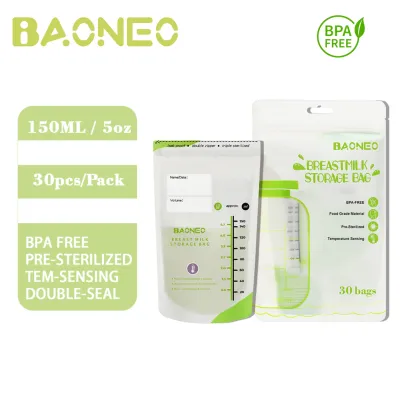
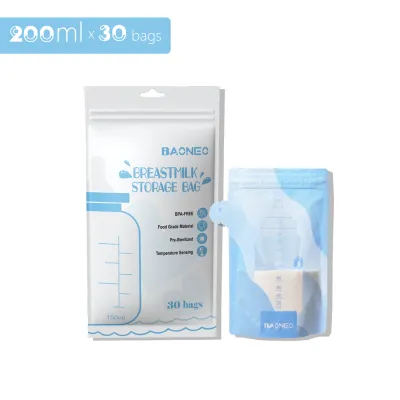
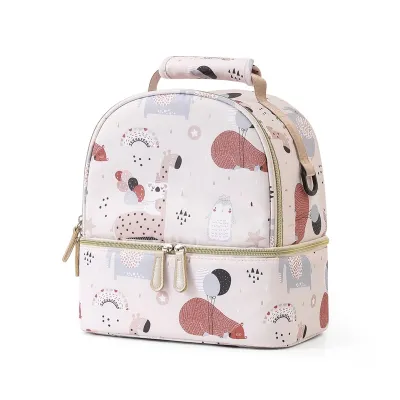
Prices are valid at publication and may change. Please refer to the product page for the latest price.
Next, ensure that all breast pump parts, collection bottles, and accessories are properly cleaned and sterilized according to the pump manufacturer’s instructions. After sterilization, let the parts air-dry completely on a clean, designated drying rack. Avoid using dish towels to dry the parts, as towels can harbor lint and microscopic bacteria. If you are pumping away from home, carry a dedicated wet bag or a clean, food-grade ziplock bag to store your clean pump parts before use, and a separate one for used parts after pumping.
Before you head out, assemble your travel gear and perform a quick quality check. Your essential travel kit should include:
- Baoneo breastmilk bags: Carry more bags than you think you will need to account for unexpected pumping sessions.
- Insulated cooler bag: Choose a high-quality, thickly insulated bag that can maintain cold temperatures for several hours.
- Gel ice packs: Opt for reusable gel packs rather than loose ice cubes, as gel packs stay frozen longer and do not create a pool of water as they melt.
- Permanent marker: Keep a fine-tip, non-toxic permanent marker handy for labeling your bags.
- Clean wet bag: Essential for organizing your pump accessories and keeping them separate from other diaper bag items.
Inspect your Baoneo bags before leaving home. Check the packaging for any signs of damage, ensure the pre-sterilized tear-away seals are intact, and verify any expiration dates printed on the box. If a bag appears punctured, creased excessively, or has a compromised zip seal, discard it immediately and choose another.
Step-by-Step: Filling and Sealing Baoneo Breastmilk Bags
Once your milk is expressed, transferring it safely into the Baoneo breastmilk bag requires a steady hand and careful attention to hygiene. Start by carefully tearing off the pre-sterilized top seal of the bag along the perforated line. When opening the bag, pull the zipper tabs apart gently. Do not blow into the bag to open it, and avoid inserting your fingers inside the bag or touching the inner lining of the zip seal, as this will immediately compromise the sterile environment.

If you are pouring milk from a collection bottle, hold the Baoneo bag firmly near the top zipper with one hand and pour slowly with the other. If you are using a pump adapter that allows direct pumping into the bag, ensure the adapter is securely clamped to prevent slipping. Always observe the maximum fill line printed on the side of the bag. It is critical to leave at least an inch of empty space at the top of the bag. Liquid expands when frozen or chilled, and overfilling the bag can cause the seams to burst or the double zipper to pop open during transport.
Before sealing the bag, you must perform the “burping” process to remove excess air. Trapped air accelerates oxidation, which can degrade the delicate nutrients and antibodies in breastmilk over time. To do this, gently place the filled bag on a flat, clean surface. Support the bag with one hand and use your other hand to slide your fingers upward from the milk line, gently pushing the air out of the top. Once the air is expelled, firmly press the double zip seal closed from one end to the other, ensuring there are no gaps.
Proper labeling is your safeguard against feeding expired milk. Before you put the bag into your cooler, use your permanent marker to write the date, the exact time of expression, and the volume of milk on the designated write-on tab. Always write on this tab before you fill the bag, or write very gently if the bag is already filled, to avoid puncturing the plastic with the pen tip. Accurate labeling helps you practice the “first in, first out” rule, ensuring older milk is used first.
Packing and Temperature Control for Travel
To keep your breastmilk safe during travel, you must pack your insulated cooler bag strategically to maintain a consistent cold chain. Cold air naturally sinks, so your packing order matters. Place a layer of fully frozen gel ice packs at the bottom of the cooler bag, place your filled and sealed Baoneo breastmilk bags horizontally or vertically in the center, and pack additional gel ice packs along the sides and on top. This surrounding configuration ensures that the milk is evenly chilled from all angles.
Understanding the difference between chilling and freezing is vital for planning your trip:
- Chilling for daily outings: If you plan to use the milk within 24 hours, standard gel ice packs in a high-quality cooler bag are sufficient to keep the milk at a safe, chilled temperature (around 4°C or lower).
- Freezing for long-distance travel: If you are traveling long distances—such as provincial trips across the Philippines—and need to keep frozen milk solid, verify your cooler bag's insulation rating. Use heavy-duty, sub-zero gel packs, and pack the cooler tightly to eliminate empty air pockets, which cause ice to melt faster.
Maintaining the cold chain requires active management while you are outdoors. The intense heat in tropical climates can turn a parked car or an outdoor bag into an oven within minutes. Keep your cooler bag out of direct sunlight, never leave it in the trunk of a car, and avoid opening the zipper unnecessarily. Every time you open the cooler, warm air enters and raises the internal temperature, shortening the safe storage window.
Upon reaching your destination, immediately verify the condition of the milk. Open the cooler bag and check each Baoneo bag for signs of leakage, condensation, or shifting. Touch the bags to confirm they are still ice-cold. If you are staying at a hotel or visiting family, transfer the Baoneo bags directly into the back of a refrigerator or freezer right away, rather than keeping them in the cooler bag.
Safe Warming and Feeding Practices While Away
When it is time to feed your baby, you must warm the breastmilk gently to preserve its immunological properties. If you are traveling, a portable, battery-operated bottle warmer is a highly convenient option. Alternatively, you can carry a vacuum-insulated thermos filled with hot water. When feeding time arrives, pour some of the hot water into a clean cup or container, and submerge the sealed Baoneo bag or the bottle containing the milk into the warm water for a few minutes.
There are several critical safety warnings you must follow when warming breastmilk:
- Never use a microwave: Microwaves heat unevenly, creating localized "hot spots" that can severely burn your baby's mouth. Additionally, microwaving destroys the vital proteins, vitamins, and protective antibodies in the milk.
- Never submerge the bag in boiling water: Extreme heat can cause the plastic of the Baoneo bag to degrade, melt, or leach chemicals into the milk. It also ruins the nutritional value of the milk.
- Check manufacturer warnings: Always read the specific product documentation for your Baoneo bags and your warming equipment to ensure compatibility.
After warming, prepare the milk for feeding by gently swirling the bag or bottle to redistribute the cream layer, which naturally separates during storage. Avoid shaking the milk vigorously, as violent shaking can break down the delicate molecular structures of the milk’s proteins. Pour the milk into a sanitized feeding bottle, and always test the temperature by dropping a few drops onto the inside of your wrist. It should feel lukewarm or body temperature, never hot.
Feed your baby promptly once the milk has been warmed. Consult standard pediatric guidelines or the product packaging for exact time limits regarding how long warmed milk can be kept. Generally, once your baby’s saliva touches the nipple of the bottle, bacteria are introduced into the milk. Because of this, any leftover milk must be consumed within two hours; if it is not finished within this window, it must be discarded.
Critical Safety Reminders and When to Discard Milk
To protect your baby from foodborne illnesses, you must adhere to strict safety boundaries regarding breastmilk handling. First and foremost, Baoneo breastmilk bags are designed for single-use only. Never attempt to wash, sterilize, and reuse a used bag. Washing cannot guarantee the removal of microscopic bacteria from the crevices of the double zip seal, and the cleaning process can degrade the plastic, leading to seam failures and leaks during your next trip.
Be highly aware of the bacterial “danger zone,” which refers to temperatures between 4°C and 60°C where harmful bacteria can multiply rapidly. In the Philippines, ambient room temperatures are often well within this zone. If your cooler bag loses its chill, if the ice packs melt completely, or if the milk is left at room temperature for longer than the safe window recommended by local health authorities (typically 4 hours for freshly expressed milk, but significantly less in hot, unairconditioned spaces), the milk should be discarded.
Perform a thorough sensory check before feeding your baby. Discard the milk immediately if you notice any of the following signs of spoilage:
- A sour or rancid smell: Spoiled breastmilk has a distinct, unpleasant odor similar to sour cow's milk.
- Unusual color changes: While breastmilk color can vary naturally based on your diet, any curdled appearance or unusual discoloration is a red flag.
- Punctures or leaks: If a bag has leaked or suffered a puncture during transit, air and external contaminants have likely entered, making the milk unsafe.
When managing breastmilk, always prioritize safety. If you are ever in doubt about the temperature history, the cleanliness of your tools, or the freshness of the milk, do not risk your baby’s health. It is always safer to discard the milk and consult a lactation consultant or pediatrician if you have ongoing concerns about storage safety.
Frequently Asked Questions (FAQ)
Can I add freshly pumped milk to a previously filled Baoneo bag?
It is highly discouraged to add warm, freshly pumped breastmilk directly to a Baoneo bag that already contains chilled or frozen milk. Introducing warm milk raises the temperature of the existing cold milk, creating a temporary warm environment that encourages rapid bacterial growth. If you need to combine milk from different pumping sessions, express the fresh milk into a separate, clean container, chill it in your cooler bag until it reaches the same cold temperature as the first batch, and only then combine them. Alternatively, keep them in separate Baoneo bags and feed them as individual portions.
How do I know if the transported breastmilk has gone bad?
You can identify spoiled breastmilk through sensory checks. Spoiled milk typically emits a sharp, sour, or rancid odor that is highly distinct from the usual sweet or slightly soapy smell of fresh breastmilk. Additionally, while normal breastmilk naturally separates into a fat layer and a liquid layer, fresh milk will easily recombine into a smooth liquid when you gently swirl the bag. If the milk remains clumpy, curdled, or refuses to mix back together after swirling, it has likely spoiled. If the milk was left in a warm environment or a cooler with melted ice for an unknown duration, discard it immediately regardless of how it smells or looks.
Community discussion
Share your experience or ask a question. Comments are reviewed before publication.