
Storing breast milk safely while running errands, traveling, or enjoying a day out with your baby requires careful planning. The primary challenge is maintaining a consistent cold chain from the moment you pump until the milk reaches your baby’s bottle. This is especially critical in tropical climates, where high ambient heat and humidity can accelerate bacterial growth in fresh milk. By understanding how to manage temperature, select the right gear, and handle milk hygienically, you can confidently feed your baby on the go without compromising their health.
What You Need: Essential Gear for Breast Milk Outings
To successfully store and transport breast milk outside the home, you need a dedicated set of tools designed to maintain cold temperatures and prevent contamination. An insulated cooler bag is your primary line of defense. Look for a bag with thick thermal insulation and a durable, easy-to-clean inner lining. Pair this bag with high-quality gel ice packs rather than loose ice cubes; gel packs stay frozen longer and do not melt into a pool of water that can seep into your storage containers.
For the milk itself, you can use either pre-sterilized breast milk storage bags or hard-sided plastic or glass bottles. Always check the manufacturer’s instructions on your storage bags to ensure they are puncture-resistant and feature secure double-zipper seals. If you plan to pump while away, pack a clean, portable changing pad or silicone mat to create a hygienic barrier on public surfaces, such as those in mall breastfeeding rooms or office spaces.
Products mentioned in this guide
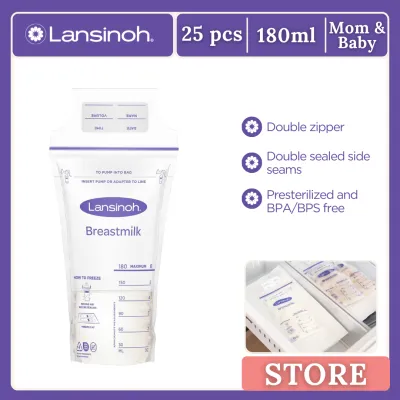
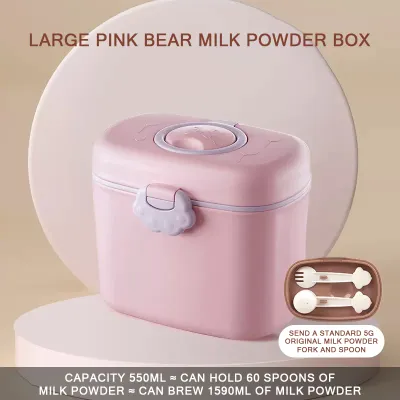
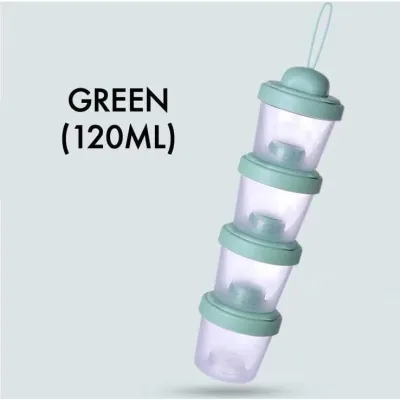
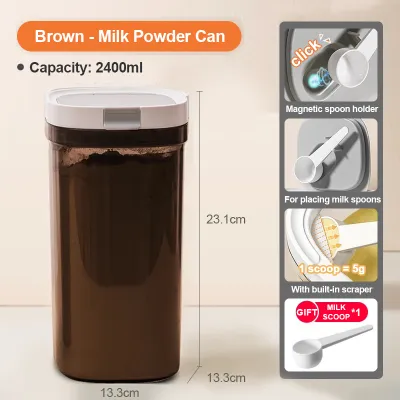
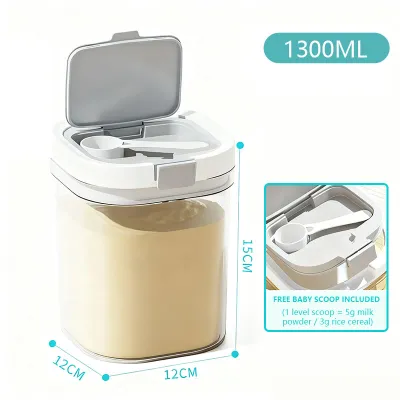
Prices are valid at publication and may change. Please refer to the product page for the latest price.
Before you walk out the door, inspect all your gear thoroughly. Check the cooler bag’s zippers and seams for any tears or gaps that could let warm air inside. Ensure your ice packs have been in the freezer long enough to be completely frozen solid. Finally, test your bottles or storage bags to verify they are entirely leak-proof, as a loose cap or a faulty seal can quickly ruin your supply.
Additionally, pack a small, dedicated clean-up kit in your diaper bag. This should include unscented baby wipes, a travel-sized bottle of hand sanitizer (containing at least 60% alcohol), and a few spare zip-top plastic bags. These spare bags are incredibly useful for holding dirty pump parts, containing unexpected leaks, or storing ice purchased from a cafe in an emergency.
Step-by-Step Guide to Storing Breast Milk Outside the Home
Transitioning your breast milk from a breast pump to a secure storage container in an unfamiliar environment requires a structured workflow. Maintaining a strict cold chain and practicing impeccable hygiene are essential to prevent introducing bacteria to your baby’s milk. Whether you are pumping in a public lounge, a car, or an office, following a consistent step-by-step process ensures the milk remains safe and nutrient-rich.

Preparing and Packing the Milk Securely
Start by thoroughly washing your hands with soap and clean water, or use hand sanitizer if a sink is unavailable. Once you finish pumping, carefully pour the liquid gold into your chosen storage container. If you intend to freeze this breast milk at a later date, make sure to leave at least an inch of expansion space at the top of the bottle or bag, as liquid expands when frozen.
Seal the container tightly to prevent exposure to air and potential leaks. Using a waterproof marker, immediately write the date, the exact time of pumping, and your baby’s name (especially important if the milk will be handled at a daycare center) on the label area. Avoid writing directly on the storage portion of the bag where ink could potentially leach through the plastic.
When placing the containers inside your insulated cooler bag, position them upright to minimize the risk of spills. Arrange the containers so they are in direct contact with your frozen ice packs. Avoid packing heavy items on top of breast milk storage bags, as the pressure can compromise the seals and cause them to burst during transit.
Keeping Milk Cold in Hot and Humid Weather
In tropical environments like the Philippines, ambient temperatures frequently exceed 30°C, making temperature control a major priority. To give your cooler bag a head start, pre-chill it by placing it inside your home refrigerator or freezer for 15 to 30 minutes before you pack it. This cools down the inner lining, meaning your ice packs do not have to work as hard to lower the internal temperature of the bag.
When packing, use the “sandwich method” to maximize cooling efficiency. Place a layer of frozen ice packs at the very bottom of the cooler, stand your milk containers upright on top of them, and then place another layer of ice packs directly over the containers. This surrounds the breast milk with a pocket of dense, cold air, preventing warm air pockets from forming at the top of the bag.
Your behavior during transit also plays a major role in keeping the milk safe. Keep the cooler bag out of direct sunlight at all times, placing it on the floor of the vehicle where the air conditioning can reach it rather than in a hot car trunk. Limit the number of times you open the cooler bag; every unzip allows cold air to escape and warm, humid air to enter, accelerating the melting process of your ice packs.
Warming and Feeding on the Go
When it is time to feed your baby, you must prepare the stored milk carefully to preserve its immunological properties. If your baby prefers warm milk, you can use a portable, battery-operated bottle warmer designed specifically for travel. Alternatively, you can ask for a bowl of warm water at a restaurant or cafe, and submerge the sealed bottle or storage bag in it for a few minutes until it reaches room temperature.
Never use a microwave to warm breast milk, and avoid placing bottles in boiling water. Microwaves heat liquids unevenly, creating dangerous “hot spots” that can burn your baby’s mouth, and excessive heat can destroy the delicate proteins and antibodies in the milk. If you are using a commercial bottle warmer, always refer to the manufacturer’s instructions to select the correct temperature setting.
Before offering the bottle to your baby, test the temperature of the milk by splashing a few drops on the inside of your wrist—it should feel lukewarm, not hot. Once your baby begins feeding, their saliva introduces bacteria into the bottle. Because of this, you must strictly discard any leftover milk within 1 to 2 hours after the start of the feed; do not save it for later or put it back in the cooler.
Safety Rules and Time Limits for Breast Milk on the Go
To protect your baby from foodborne illnesses, you must adhere to established storage timelines. Under standard conditions, freshly expressed breast milk can remain at room temperature (up to 25°C) for up to 4 hours. In a well-insulated cooler bag packed tightly with frozen ice packs, breast milk can be safely stored for up to 24 hours. However, always consult your pediatrician or a lactation specialist to verify these guidelines, especially if your baby was born prematurely or has a compromised immune system.
In tropical regions where indoor and outdoor temperatures regularly climb above standard room temperature, the safe window for unchilled milk shrinks rapidly. When the ambient temperature is warm, bacteria can multiply at an accelerated rate. For this reason, it is highly recommended to transfer freshly pumped milk into your insulated cooler bag immediately rather than leaving it out on a table or counter.
While a quick sensory inspection is helpful, it is not a foolproof safety measure. Spoiled breast milk may have a distinctly sour smell or show separated fat layers that refuse to mix back into the liquid when gently swirled. However, dangerous levels of bacterial growth can occur long before the milk looks or smells bad. Therefore, strict adherence to time limits must remain your primary safety protocol.
Establish clear “stop and discard” boundaries to eliminate any guesswork. If your cooler bag was left in a hot car for several hours, if the ice packs have completely melted and the milk feels warm to the touch, or if you have exceeded the 24-hour cooler limit, do not feed the milk to your baby. When in doubt, it is always safest to discard the milk to protect your little one’s developing digestive system.
Troubleshooting Common Milk Storage Mistakes
Even with careful planning, unexpected challenges can arise when you are out with your baby. Knowing how to handle these situations quickly can save your milk supply or prevent a feeding emergency.
Melted Ice Packs
If you notice your ice packs are thawing faster than expected due to intense tropical heat, act quickly to preserve your milk. Head to a nearby restaurant, cafe, or convenience store and ask for clean ice. Place the ice inside a leak-proof zip-top bag from your clean-up kit, and pack it around your milk containers inside the cooler. If you have reached your destination, such as an office or a relative’s house, transfer the milk directly to a refrigerator immediately.
Mixing Temperatures
A common mistake is pouring freshly expressed, warm breast milk directly into a container of already chilled milk inside your cooler. This sudden influx of warmth raises the temperature of the chilled milk, creating a temporary breeding ground for bacteria. To avoid this, pump your fresh milk into a separate, clean container, place it in the cooler bag next to an ice pack until it is thoroughly chilled, and only combine the two batches once they are at the same cold temperature.
Leaking Bags or Bottles
If a storage bag or bottle leaks inside your cooler, it can create a messy and unhygienic environment. If you packed your milk containers inside a secondary, clean zip-top bag as part of your preparation, any leaked milk will be contained. If the leaked milk has touched the interior of the cooler bag or unsterilized ice packs, do not attempt to salvage or feed it to your baby, as it is no longer sterile. Clean the inside of your cooler bag immediately with unscented wipes and sanitize your hands before handling other feeding equipment.
Frequently Asked Questions (FAQ)
Can I add freshly pumped milk to a bottle of already chilled milk in my cooler?
No, you should avoid adding warm, freshly pumped breast milk directly to already chilled milk. Doing so raises the temperature of the cold milk, which can encourage rapid bacterial growth and compromise the safety of the entire batch. Instead, pump into a separate sterile container and place it in your cooler bag. Once the newly pumped milk has cooled down to the same temperature as the existing batch, you can safely combine them into a single bottle.
Is it safe to refreeze breast milk that has thawed in my cooler bag?
No, once breast milk has completely thawed—meaning there are no longer any ice crystals present—it must not be refrozen. Refreezing thawed milk can lead to a significant loss of nutritional value, break down important fats, and increase the risk of bacterial contamination. If the milk has thawed completely but remains cold in your cooler bag, you should use it within 24 hours. If it has reached room temperature, it must be consumed within 2 hours or discarded.
Community discussion
Share your experience or ask a question. Comments are reviewed before publication.