
Quick Answer: Starting Your Cloth Diaper Journey
Transitioning to washable cloth diapers involves prepping your supplies, mastering the fit, establishing a consistent changing schedule, and setting up a reliable two-step washing routine. Success with a washable cloth diaper for baby depends on matching the diaper style to your baby’s current developmental stage and weight, while strictly following the manufacturer’s care guidelines. By starting slowly and adjusting your routine to your baby’s unique output, you can easily integrate cloth diapering into your daily life.
Essential Supplies for Cloth Diapering
Before beginning your cloth diapering journey, gathering the right tools will help ensure a smooth transition. The core of your system consists of the diapers themselves, which generally fall into three main categories. Pocket diapers feature a waterproof outer shell and a stay-dry inner lining that forms a pocket where you stuff absorbent inserts. All-in-one diapers have the absorbent layers sewn directly to the waterproof shell, offering a design closest to disposables. Diaper covers are waterproof shells that can be wiped clean and reused multiple times before washing, paired with separate absorbent flats, prefolds, or fitted diapers.

Absorbent inserts are placed inside or on top of the diaper shell to collect moisture. These inserts are made from various materials, including microfiber, cotton, bamboo, and hemp. Each material offers different levels of absorbency and drying times, which is an important consideration in warm, humid climates. You will also need waterproof wet bags, which are zippered storage bags designed to hold soiled diapers and contain odors when you are away from home or waiting for laundry day.
Products mentioned in this guide
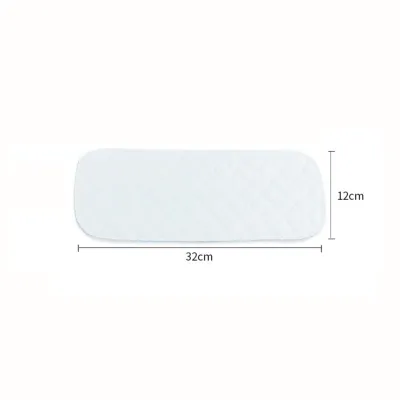
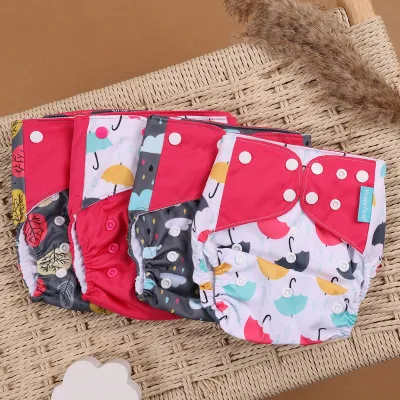

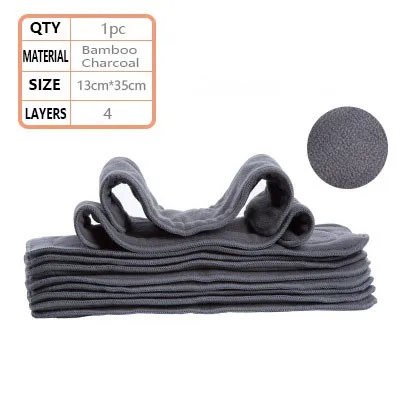
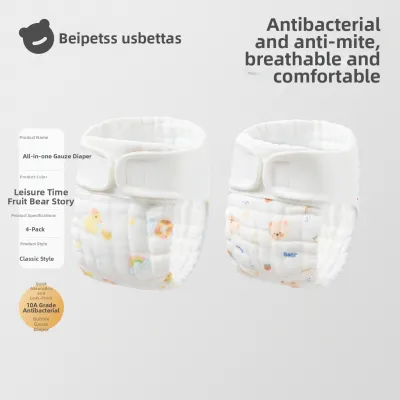
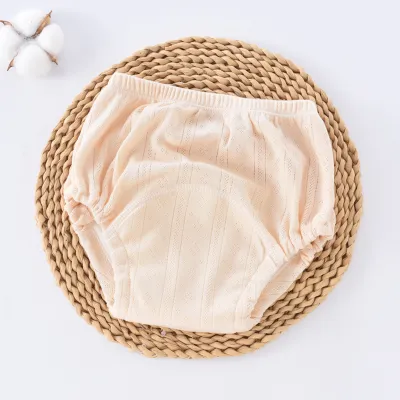

Prices are valid at publication and may change. Please refer to the product page for the latest price.
Accessories play a supporting role in maintaining your routine. If you use diaper rash creams, you must check the product labels carefully to ensure they are cloth-safe. Traditional creams containing petroleum or high concentrations of zinc can coat the fabric fibers, creating a barrier that repels moisture and causes leaks. Additionally, a dedicated diaper pail or a large hanging wet bag will keep soiled diapers contained. Always verify material compatibility and care requirements on the manufacturer’s tags before purchasing or using any accessories.
Step-by-Step: How to Fit and Change a Cloth Diaper
Preparing the diaper is the first step in the changing process. If you are using pocket diapers, stuff the absorbent inserts completely flat inside the pocket, ensuring there are no bunches or folds that could cause discomfort or leaks. For diaper covers, fold your flat or prefold fabric according to the manufacturer’s instructions and place it securely inside the waterproof shell.
Achieving the correct fit is essential to prevent leaks and ensure your baby’s comfort. Place the prepped diaper under your baby, ensuring the back of the diaper sits just above the hips. Fasten the rise snaps on the front of the diaper first; these snaps adjust the overall length of the diaper to match your baby’s current height and weight. Next, fasten the waist snaps so the diaper is snug but comfortable. You should be able to slide two fingers easily between the diaper waist and your baby’s tummy without restricting their breathing.
Once the waist is secured, perform a quick leg check. Tuck the elastic leg gussets into your baby’s underwear line or leg creases. This positioning prevents gaps around the thighs where liquid could escape. Ensure that none of the inner absorbent fabric or insert is poking out of the waterproof outer shell, as this will draw moisture onto your baby’s clothes.
Safe removal and waste management keep the routine hygienic. Always maintain close caregiver supervision during changes, keeping one hand on your baby if they are on an elevated changing table. When removing a wet diaper, simply place it directly into your wet bag. For soiled diapers, the cleaning method depends on your baby’s diet. If your baby is exclusively breastfed, the waste is water-soluble and can go directly into the washing machine. Once your baby begins eating solid foods, you must scrape, shake, or spray the solid waste into the toilet bowl before placing the diaper in the wet bag.
Building a Daily Cloth Diapering Routine
Setting up an organized changing station keeps your daily routine efficient and stress-free. Store your clean diapers, extra inserts, cloth wipes, diaper-safe creams, and wet bags within arm’s reach of your changing surface. This organization ensures you never have to leave your baby unattended or turn your back during a change.
Establishing a realistic changing frequency is vital for maintaining skin health. Because washable cloth diapers do not contain the chemical gelling agents found in disposable diapers, they must be changed more frequently. A typical schedule is every two to three hours during the day, or immediately when the diaper is soiled. You can adjust this frequency based on your baby’s age, liquid intake, and the specific absorbency limits of the inserts you choose.
Managing your wet bag properly prevents odors and mildew, especially in tropical environments. Keep your storage wet bag or diaper pail in a well-ventilated area away from direct sunlight and out of reach of children. Empty and wash the contents of your wet bag every one to two days to prevent moisture buildup and protect the diaper fabrics from degradation.
How to Wash and Care for Washable Cloth Diapers
Maintaining a safe and effective laundry routine preserves the absorbency, hygiene, and longevity of your diapers. A standard routine consists of a two-step wash process. First, run a short pre-wash or rinse cycle with a small amount of detergent and cold or warm water. This cycle flushes out the bulk of the urine and organic waste, ensuring that the subsequent main wash is performed in clean water.
Following the pre-wash, run a long, heavy-duty main wash cycle. Use a full dose of an effective, cloth-safe detergent that is free of fabric softeners, optical brighteners, and heavy fragrances. Fabric softeners must be strictly avoided, as they leave a waxy residue on the fibers that repels moisture. Do not use bleach unless specifically recommended by the manufacturer, as it can weaken the elastics and damage the waterproof polyurethane laminate (PUL) layer over time.
Drying methods impact the lifespan of your diapering supplies. Line drying your diapers in the sun is an energy-efficient option that naturally helps fade stains. However, during the rainy season or periods of high humidity, drying times will be longer, and you may need to rely on indoor drying racks or a machine dryer. If you use a dryer, select a low-heat setting. High heat can melt or delaminate the waterproof layers and prematurely wear out the elastics. Always defer to the specific care labels provided by your diaper manufacturer for exact temperature and cycle settings.
Troubleshooting Leaks and Skin Irritation
If you experience leaks, a systematic check can help identify the cause. Start by examining the fit; gaps around the legs or a loose waist are common culprits. Next, check for compression leaks, which occur when tight clothing or snug onesies squeeze liquid out of a saturated insert. Using looser clothing or vest extenders can resolve this issue. If the insert is completely soaked when a leak occurs, your baby may have outgrown the current absorbency level, indicating it is time to add a booster insert or switch to a higher-capacity material.
Repelling issues occur when water beads up on the diaper’s inner lining instead of soaking through. This is often caused by detergent buildup or the accidental use of non-cloth-safe diaper creams. If you suspect buildup, check your manufacturer’s instructions for safe stripping or deep-cleaning protocols to restore the fabric’s absorbency.
Skin safety is the top priority when diapering. While mild redness can occasionally occur from wetness, persistent or severe irritation requires immediate action. If your baby develops a bright red, bumpy rash, blistering, peeling skin, or signs of a yeast infection, discontinue using cloth diapers immediately. Switch to a temporary alternative and consult a pediatrician or qualified healthcare professional for a proper diagnosis and treatment plan.
Frequently Asked Questions (FAQ)
How many washable cloth diapers do I need to start?
The number of diapers you need depends on your baby’s age, your washing frequency, and local drying conditions. Newborns require more frequent changes than older infants, often needing diaper changes multiple times a day. If you plan to wash your diapers every two days, you will need enough diapers to cover those days, plus a buffer to use while the washed diapers are drying. In humid weather or during the rainy season when line drying takes longer, having a larger rotation ensures you do not run out of clean supplies.
Can I use cloth diapers overnight or when traveling?
Yes, you can use cloth diapers overnight and while traveling with some adjustments. For overnight use, you will need to increase the diaper’s absorbency to handle longer stretches of sleep. You can achieve this by adding a booster insert made of natural fibers like hemp or bamboo, which hold more liquid, while ensuring the leg gussets still fit snugly to prevent compression leaks. When traveling, pack high-quality, zippered wet bags to seal in odors and moisture. If you do not have access to laundry facilities while away, switching temporarily to disposable diapers is a practical alternative.
When should I stop using a cloth diaper and consult a doctor?
You should stop using cloth diapers and seek professional medical care if your baby develops severe skin issues. While mild redness from wetness often clears up with frequent changes and a diaper-safe barrier cream, a persistent, spreading rash or raised red bumps may indicate a yeast or bacterial infection. If the skin becomes broken, bleeding, raw, or if the rash is accompanied by a fever or extreme discomfort, discontinue cloth diapering immediately and consult your pediatrician.
Community discussion
Share your experience or ask a question. Comments are reviewed before publication.