
Starting toilet training is a major milestone that requires patience, timing, and a supportive approach. Instead of rushing into a rigid schedule, successful training begins by recognizing your toddler’s unique developmental cues and preparing a comfortable environment. By focusing on cooperation rather than control, you can guide your child through this transition smoothly while building their confidence and independence.
Recognizing Readiness Signs Before You Start
Bladder control is a physiological milestone that cannot be rushed. Look for physical indicators, such as diapers that remain dry for at least two hours at a stretch or stay dry after a nap. Predictable, regular bowel movements also indicate that your child’s digestive system is maturing and that they are becoming aware of their bodily rhythms.
Your toddler also needs to connect the physical sensation of a full bladder or bowel with the action of using the toilet. Cognitive and communication signs include the ability to understand and follow simple, two-step instructions. Communication is equally vital; your child should be able to express the need to go, whether through words, gestures, or facial expressions.
Products mentioned in this guide
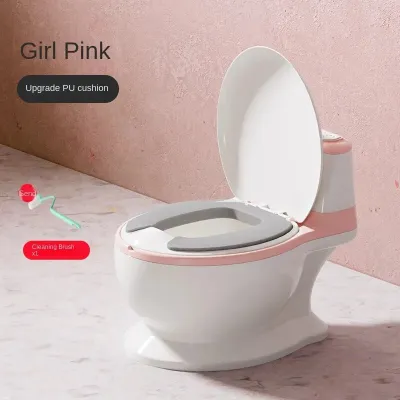

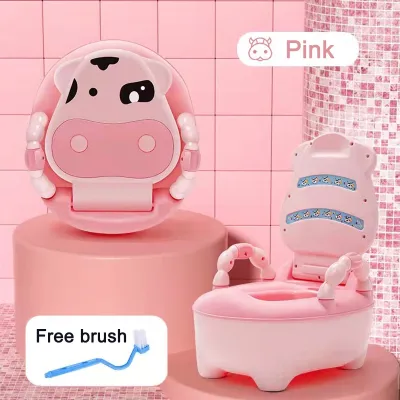
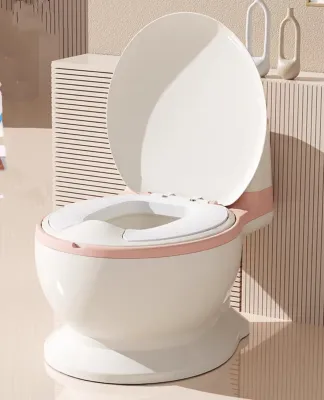
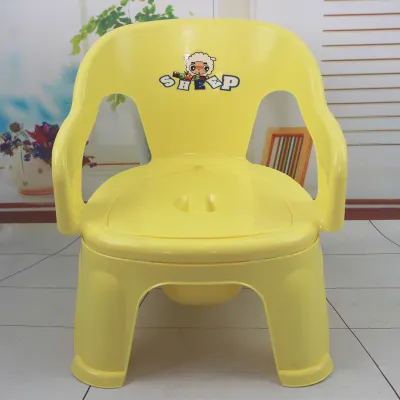
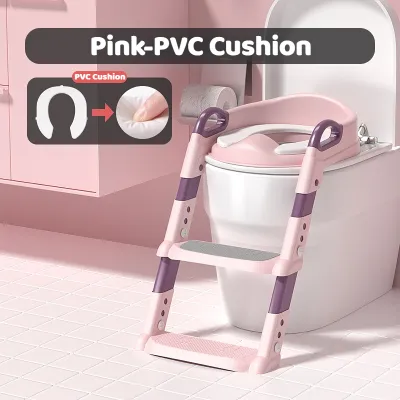
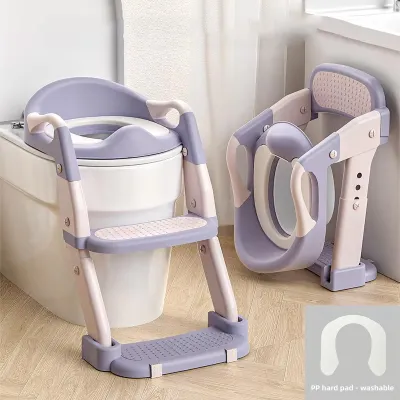
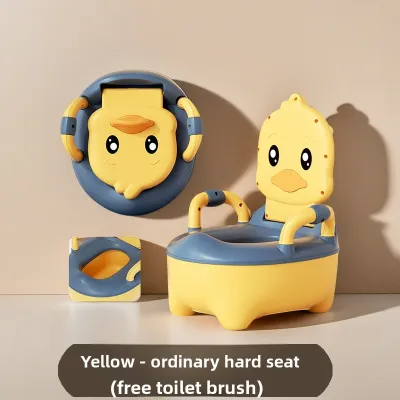
Prices are valid at publication and may change. Please refer to the product page for the latest price.
A growing desire for independence is a strong behavioral indicator of readiness. You might notice your toddler trying to pull their pants up and down, imitating family members in the bathroom, or showing a distinct interest in how the toilet works. They may also express discomfort when their diaper is wet or soiled, actively asking to be changed.
Timing is everything, and starting during a period of stress can lead to resistance. If your family is currently navigating major life changes—such as moving to a new home, welcoming a new sibling, transitioning to a new childcare setup, or recovering from an illness—it is best to postpone training. Wait until daily routines have stabilized before introducing this new habit.
Gathering the Right Equipment for Toilet Training
Parents generally choose between a standalone potty chair and a toilet seat reducer. A standalone potty chair is highly portable, sits low to the ground, and allows your toddler’s feet to plant firmly on the floor, which provides the physical leverage needed for comfortable bowel movements. Alternatively, a toilet seat reducer fits directly over your standard toilet seat, making it a great space-saving option that helps children transition directly to the family toilet. If you choose a reducer, always pair it with a sturdy step stool so your child can climb up independently and support their feet while sitting. Always verify the manufacturer’s weight limits and safety guidelines for these products before use.

The right wardrobe makes a significant difference in preventing accidents. During the training phase, dress your toddler in loose, easy-to-remove clothing, such as gartered cotton shorts, and avoid overalls, belts, or complex buttons. In warm, humid climates, lightweight cotton shorts are ideal because they are easy for small hands to pull down quickly and dry rapidly after washing. You will also need to decide between reusable training pants, which have an absorbent layer to catch minor leaks while letting the child feel wetness, and regular cotton underwear, which provides immediate feedback when an accident occurs.
Keeping the experience positive and organized requires a few extra tools. Consider keeping a few favorite picture books or a simple visual chart in the bathroom to keep your toddler engaged while they sit. Additionally, prepare a dedicated cleaning kit with mild disinfectant, microfiber cloths, and an enzyme-based cleaner to handle accidents on tiled or wooden floors quickly and calmly.
Step-by-Step Process to Introduce the Potty
Introduce the potty slowly to remove any fear or anxiety. Place the potty chair in the bathroom and let your toddler explore it, sit on it fully clothed, or even decorate it with stickers. This helps them view the potty as their own personal, safe piece of furniture rather than an intimidating object.
Children learn by observing. Use simple, neutral language to explain what the potty is for, using terms like “pee” and “poop” consistently. You can demonstrate the process using a favorite stuffed animal or doll, showing how the toy sits on the potty, washes its hands, and celebrates. If you feel comfortable, let your child watch you or an older sibling use the toilet, explaining each step clearly.
Once your child is comfortable sitting on the potty, encourage them to sit on it without a diaper at predictable times throughout the day. Excellent times to try include immediately after waking up, about 20 to 30 minutes after meals, or right before bath time. Keep these initial sessions short—no more than three to five minutes—and let them get up if they want to, ensuring there is no pressure.
Focus your praise on the effort and cooperation rather than the physical result. Saying “Thank you for sitting on the potty and trying!” builds confidence, even if they do not actually produce anything. Avoid over-the-top celebrations or material rewards that might create pressure; instead, use warm verbal encouragement, high-fives, or a simple sticker on a progress chart to keep the experience positive.
Establishing a Consistent Daily Routine
Consistency is the foundation of successful toilet training. Integrate potty visits into your toddler’s existing daily transitions to build a natural habit. Prompt them to try using the potty before leaving the house, after returning home, before naptime, and as part of the bedtime routine.
Keep your language simple, direct, and free of shame. Avoid using words like “dirty,” “smelly,” or “yucky” to describe bodily functions, as this can make children feel self-conscious or anxious about their bodies. Instead, use matter-of-fact terms and maintain a calm, encouraging tone when discussing potty habits.
Every child has a unique biological clock. Spend a few days tracking when your toddler naturally urinates or has bowel movements, and adjust your potty schedule to match these patterns. If you notice they consistently soil their diaper about thirty minutes after breakfast, make that a primary time for a relaxed potty sit.
Daytime bladder control is the primary goal when starting out. To support daytime success and prepare for future night-time training, offer plenty of water throughout the day to keep them hydrated, but gently taper off large drinks in the hour before bedtime. Ensure they make one final trip to the potty as part of their evening wind-down routine.
Handling Setbacks and When to Pause
Accidents are an inevitable and necessary part of the learning process. When your toddler wets or soils their clothes, respond with a calm, neutral attitude. Avoid showing frustration, scolding, or sighing, as this can induce shame and delay progress; instead, say something simple like, “You had an accident, and that is okay. Let’s clean up and try to get to the potty next time.”
Sometimes, a toddler who was doing well may suddenly refuse to use the potty or start withholding their bowel movements. Withholding can lead to painful constipation, which creates a negative cycle of fear and avoidance. If your child screams, cries, or actively resists sitting on the potty, it is a clear sign that they are experiencing stress and are not ready for this stage.
If you encounter persistent resistance or if your household is experiencing a sudden disruption, it is entirely appropriate to pause training. Put your child back into diapers or training pants without any sense of failure or disappointment. A break of two to four weeks allows the pressure to dissipate, making it much easier to restart with a fresh, positive approach later.
While setbacks are normal, certain signs warrant a conversation with your pediatrician. If your child experiences physical pain during urination or bowel movements, consistently withholds stool for several days, or shows a sudden, complete regression after months of successful toilet use, consult a qualified healthcare professional. They can rule out urinary tract infections, constipation, or other underlying physical concerns.
Frequently Asked Questions (FAQ)
How long does it typically take to toilet train a toddler?
The timeline for toilet training varies significantly from child to child. While some toddlers grasp the concept and achieve daytime dryness within a few weeks, others may take several months to become fully reliable. It is important to distinguish between initial understanding and consistent, independent control. Occasional accidents are normal for many months, especially when a child is distracted by play, tired, or adapting to a new environment.
What should I do if my toddler refuses to use the potty?
If your toddler refuses to use the potty, the most effective response is to remove all pressure immediately. Forcing a child to sit or pleading with them often triggers a power struggle, which increases anxiety and resistance. Step back, return to diapers or training pants, and avoid discussing the potty for a couple of weeks. When you reintroduce it, focus on low-stress familiarization and let your child take the lead.
When should I start night-time toilet training?
Night-time dryness is a physiological milestone that requires a different level of physical maturity than daytime training. It often takes months or even years after daytime training is established for a child’s body to produce the hormones necessary to reduce urine production at night. You can consider night-time training when your child consistently wakes up with a dry diaper in the morning or wakes up on their own during the night to use the bathroom.
Community discussion
Share your experience or ask a question. Comments are reviewed before publication.