
Starting your baby boy on solid foods is a monumental milestone in his first year of life. As a parent in the Philippines, finding the ideal food set for baby boy options means looking for ingredients that are highly nutritious, easily digestible, and culturally familiar. While baby boys and baby girls share the same fundamental digestive needs, selecting nutrient-dense, local foods like kalabasa, kamote, and malunggay ensures your little one gets the vital energy, iron, and vitamins required for rapid physical development. Transitioning to solids is not just about filling his belly; it is about teaching him how to swallow, chew, and experience a world of diverse flavors safely.
When to Start: Signs Your Baby Boy Is Ready for Solids
Health authorities, including the World Health Organization (WHO) and the Department of Health (DOH), recommend exclusive breastfeeding or formula feeding for the first six months of a baby’s life. However, age is not the sole indicator of readiness. Your baby boy’s digestive system and motor skills must be developmentally prepared to handle solid food safely.
Before introducing any solid food, look for these key physical readiness signs:
Products mentioned in this guide


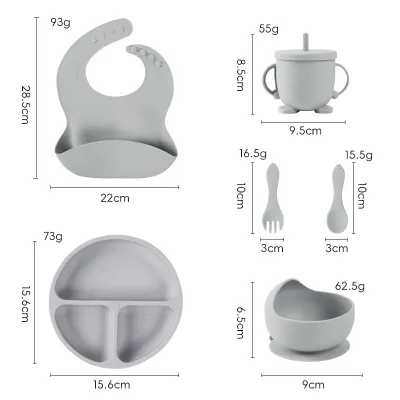
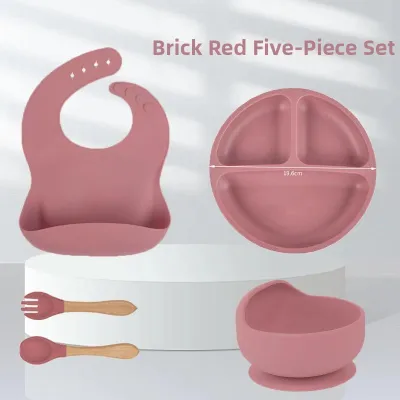
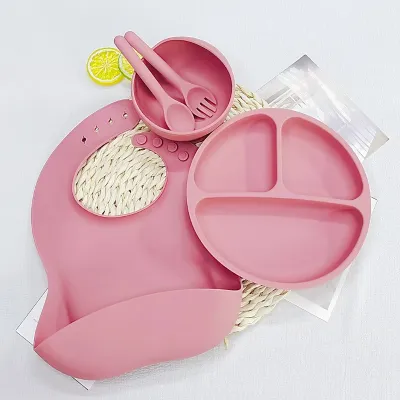
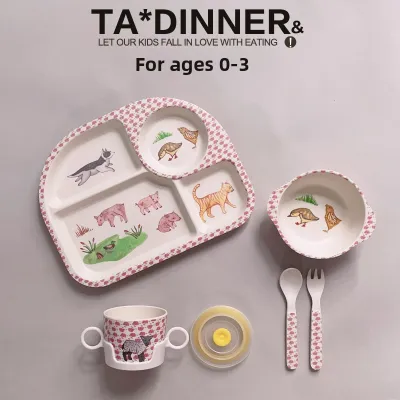


Prices are valid at publication and may change. Please refer to the product page for the latest price.
- Minimal Support Sitting: Your baby should be able to sit upright in a high chair or on your lap with little to no support, holding his head steady.
- Good Head and Neck Control: He must be able to move his head freely to look at food or turn away when he is full.
- Disappearance of the Tongue-Thrust Reflex: If you place a tiny bit of food on his tongue and he automatically pushes it out with his tongue, he is not yet ready for solids.
- Active Interest in Food: He may watch you intently while you eat, reach for your spoon, or open his mouth when food is nearby.
Every baby develops at his own pace. It is crucial to consult your pediatrician before starting solids to verify that your baby boy is physically and developmentally ready for this transition.
Best First Foods: Nutrient-Dense and Local Options in the Philippines
At around six months of age, a baby’s natural iron and zinc stores begin to deplete. Because breastmilk or formula alone can no longer fully meet these specific nutritional requirements, your baby’s first solid foods must be rich in these essential minerals. Iron is particularly vital for healthy brain development and red blood cell production in active, growing babies.

To address these needs, consider starting with iron-fortified baby cereals, pureed meats (such as chicken, beef, or pork), or well-cooked and mashed beans. When buying commercial baby cereals, always check the product documentation and packaging to verify the age suitability, ingredients, and manufacturer instructions.
In the Philippines, you have access to an abundance of fresh, budget-friendly, and nutrient-dense local ingredients that make perfect first foods:
- ***Kalabasa* (Squash)**: Highly rich in vitamin A, kalabasa is easy to steam and mash into a naturally sweet, smooth puree that babies love.
- ***Kamote* (Sweet Potato)**: Excellent for energy and dietary fiber, kamote supports healthy digestion and is gentle on a developing tummy.
- ***Malunggay* (Moringa)**: Often called a nutritional powerhouse, malunggay leaves can be thoroughly washed, steamed, and pureed into a fine paste to mix into warm rice porridge (lugaw) for an extra boost of iron and vitamins.
- Local Fruits: Ripe saba or lakatan bananas and ripe papaya are excellent choices. Steaming saba bananas before mashing can make them even softer and easier to digest.
While initial food choices do not strictly differ by gender, focusing on high nutrient density supports the rapid physical and cognitive growth typical of active baby boys.
Step-by-Step Feeding Guide: Textures, Portions, and Timing
Transitioning your baby boy to solid foods is a gradual process that requires patience. You will slowly build his eating skills by adjusting the texture of his meals as his oral motor skills mature.
Stage 1: Around 6 Months (Smooth Purees and Mashes)
At the very beginning, solid food is purely complementary to breastmilk or formula. Start by offering 1 to 2 teaspoons of food once a day. Choose a time when your baby is alert, happy, and not overly hungry or tired—mid-morning is often an ideal time.
The texture at this stage must be completely smooth, runny, and free of any lumps. You can achieve this by blending or pressing the food through a fine sieve, then thinning it out with a little breastmilk, formula, or cooled, boiled water. Introduce only one single-ingredient food at a time, and wait a few days before introducing a new one to monitor how his body reacts.
Stage 2: 7 to 8 Months (Thicker Mashes and Soft Lumps)
Once your baby boy tolerates smooth purees, you can gradually increase his meals to two times a day. His digestive system and oral muscles are now ready for thicker textures. Transition from runny purees to thicker mashes with soft, easily mashable lumps.
This stage is perfect for introducing combined flavors. You can prepare a simple rice porridge (lugaw) as a base and stir in mashed kalabasa and finely minced, well-cooked chicken. Encouraging your baby to chew these soft lumps helps develop his jaw muscles, even if he does not have teeth yet.
Stage 3: 9 to 12 Months (Soft Finger Foods and Family Meals)
By nine months, your baby boy can transition to three meals a day, plus one or two healthy snacks. He will also begin developing his pincer grasp—the ability to pick up small objects using his thumb and index finger.
Support this developmental milestone by offering soft finger foods. Excellent options include small pieces of ripe mango, soft papaya, or well-cooked vegetable cubes (like steamed carrots or kamote). Ensure all finger foods are soft enough to be easily mashed between your thumb and forefinger to prevent choking, and never leave your baby unsupervised during meals.
Building a Daily "Food Set" and Meal Plan for Your Baby
When preparing a complete food set for baby boy meals, aim to balance three key components: a carbohydrate or energy source, a protein or iron source, and a vitamin-rich fruit or vegetable. This structural approach ensures he receives a diverse range of nutrients every day.
Here is a sample daily structure for a baby who has transitioned to Stage 2 or Stage 3 textures:
- Breakfast: Iron-fortified oatmeal prepared with breastmilk or formula, topped with mashed lakatan banana.
- Lunch: Warm lugaw cooked with minced chicken breast and finely chopped, steamed malunggay leaves.
- Snack: Steamed, mashed kamote cubes or a few small slices of ripe papaya.
- Dinner: Mashed kalabasa mixed with well-cooked, pureed tofu or pork.
Always remember that breastmilk or formula remains the primary source of nutrition during your baby boy’s first year. Solid foods are meant to complement his milk intake, not replace it entirely. You can also introduce small sips of cooled, boiled water from an open cup during meals to help him practice drinking and stay hydrated in our tropical climate.
Safety Rules and Foods to Avoid During the Transition
Keeping your baby safe during his transition to solid foods involves careful preparation, vigilant supervision, and knowing which ingredients to keep off his plate.
To prevent choking, strictly avoid offering whole nuts, whole grapes, hard raw vegetables, hotdog slices, and sticky foods like thick peanut butter. Always cut fruits and vegetables into safe, age-appropriate shapes and sizes, and ensure a caregiver supervises every meal.
There are several foods you must completely avoid during your baby’s first year:
- Honey: Never give honey to a baby under 12 months due to the serious risk of infant botulism.
- Added Salt and Sugar: Avoid adding salt, sugar, or highly processed seasonings to your baby's food. His kidneys are still too immature to process excess sodium, and avoiding sugar helps prevent a preference for overly sweet foods.
- Unpasteurized Dairy: Stick to breastmilk, formula, or small amounts of pasteurized yogurt if recommended by your pediatrician.
When introducing new ingredients, use the “wait-and-see” rule. Introduce one new food at a time and wait 2 to 3 days before adding another. Watch closely for signs of an allergic reaction, such as skin rashes, hives, swelling, vomiting, or diarrhea. If you observe any of these symptoms, stop feeding the food immediately and consult your pediatrician or seek medical attention.
In our warm, humid climate, food safety also means preventing bacterial growth. Always wash your hands, utensils, and baby feeding gear thoroughly before preparation. Store any leftovers in the refrigerator immediately, and discard any food that has sat at room temperature for more than two hours.
Frequently Asked Questions (FAQ)
Do baby boys need larger portions than baby girls?
No, baby boys do not inherently require larger portions of solid food than baby girls during their first year. Portion sizes should always be guided by your baby’s individual appetite, growth spurts, and natural hunger cues rather than his gender. Practice responsive feeding by letting your baby decide how much to eat. Signs that he is full include turning his head away from the spoon, closing his mouth tightly, spitting out food, or playing with his bowl. Never force-feed your baby, as this can disrupt his natural ability to recognize satiety.
What should I do if my baby refuses his first foods?
If your baby boy rejects his first spoonfuls of solid food, rest assured that this is a completely normal reaction. Swallowing solid textures and using a spoon are brand-new skills that take time to master. It can take up to 10 to 15 exposures to a new food before a baby learns to accept it. If he refuses, simply stop, wait a few days, and try again. You can also try offering the food at a different time of day when he is alert but not overly tired, or adjust the consistency by adding a bit of breastmilk to make it runnier. Always keep mealtimes relaxed and pressure-free.
Community discussion
Share your experience or ask a question. Comments are reviewed before publication.