
Transitioning back to work while continuing your breastfeeding journey is a major milestone that requires a balance of preparation, the right tools, and a sustainable routine. Successfully building a breast milk stash is not about hoarding massive quantities of milk overnight, but rather about establishing a gentle, consistent pumping habit a few weeks before your maternity leave ends. By understanding your body’s lactation signals, selecting compatible equipment, and practicing safe storage methods, you can confidently secure a reliable supply of nourishment for your baby while you are away.
When and How to Introduce the Breast Pump
Introducing a breast pump too early can sometimes interfere with your baby’s natural nursing patterns. Most lactation professionals suggest waiting until your breastfeeding relationship is well-established, which typically takes about four to six weeks postpartum. This waiting period allows your body to calibrate its milk production to your baby’s direct demand and helps prevent flow preference, where a baby begins to favor the fast, effortless flow of a bottle nipple over the breast.
When you are ready to start, plan your first few pumping sessions in a low-stress environment where you feel completely relaxed. High stress levels can release adrenaline, which actively blocks the oxytocin needed for your milk to let down. Choose a quiet corner of your home, perhaps after your baby has finished a morning feed when your milk volume is naturally at its highest, and focus on getting comfortable with the machine rather than worrying about the volume you collect.
Products mentioned in this guide
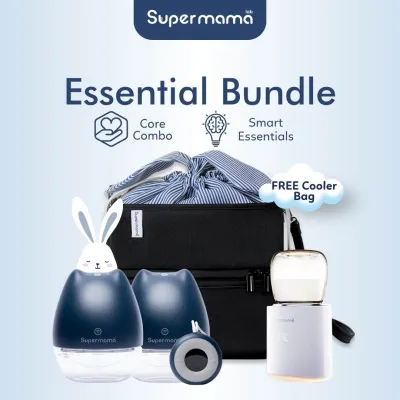
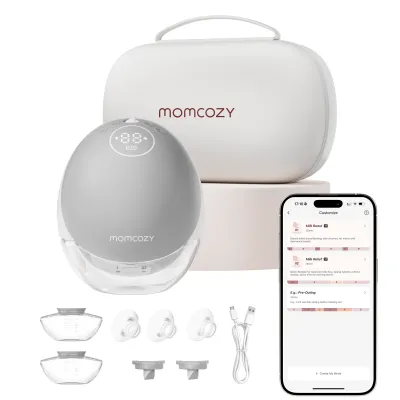
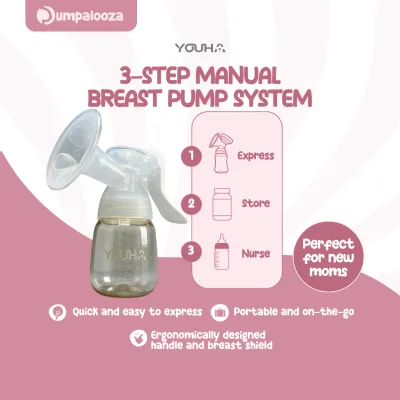
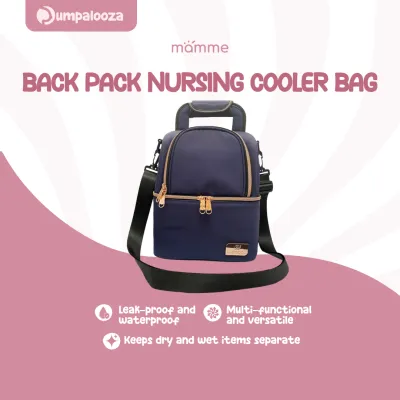
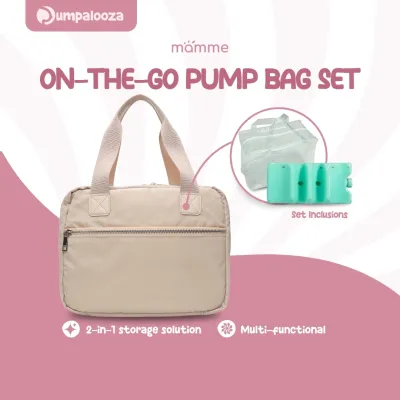
Prices are valid at publication and may change. Please refer to the product page for the latest price.
It is completely normal to express only a few drops or a tiny fraction of an ounce during your first few attempts. Your body is learning a new physical stimulus, and your brain needs time to associate the pump’s suction with the let-down reflex. Treat these early sessions as practice runs to understand how the pump feels and to adjust the settings to a gentle, comfortable level.
Before you turn on the machine, it is essential to measure your breast anatomy to determine your correct flange size. Standard pump kits usually come with a default 24mm flange, but nipples come in all shapes and sizes. Using a flange that is too large can pull too much of your areola into the tunnel, while one that is too small will rub against your nipple, causing painful friction, swelling, and clogged ducts. Measure the diameter of your nipple base before a pumping session and consult the manufacturer’s sizing chart to find a precise fit.
Establishing a Comfortable and Consistent Pumping Routine
To maintain a robust milk supply once you return to work, you will need to establish a pumping schedule that mimics your baby’s natural feeding intervals. If your baby typically nurses every three hours during the day, aim to pump every three hours while you are away from them. This consistent demand signals your breasts to continue producing milk at the same rate, preventing a drop in your overall supply.

While consistency is key, it is equally important to set reasonable time boundaries for each pumping session. A standard session should last between 15 and 20 minutes, which is generally enough time to empty the breasts and stimulate another let-down. Pumping for longer periods does not necessarily yield more milk and can easily lead to nipple trauma, breast tissue fatigue, and unnecessary physical exhaustion.
The physical act of pumping is deeply connected to your emotional state, making relaxation techniques a vital part of your routine. In our warm tropical climate, staying hydrated is incredibly important for your overall health and milk production, so keep a large bottle of water nearby during every session. You might also find it helpful to look at photos or videos of your baby, listen to calming music, or use warm compresses on your breasts for a few minutes before you begin to help trigger your let-down reflex.
Nutrition also plays a supportive role in your pumping journey, so focus on eating balanced meals that keep your energy levels steady throughout the workday. Simple, nutrient-dense snacks like oats, local fruits, and vegetables can provide the extra calories your body needs to sustain milk production. Remember that rest is just as crucial; try to align your pumping sessions with your scheduled work breaks so you do not feel rushed or anxious.
Evaluating Breast Pumps and Essential Accessories
Selecting the right pumping equipment is a highly personal decision that depends on your daily logistics, workplace environment, and budget. Manual pumps are lightweight, silent, and do not require electricity, making them excellent for quick expression on the go or as a quiet backup in your office bag. Single-electric pumps offer automated suction but only express one breast at a time, which can double your total pumping time.
For mothers returning to a full-time work schedule, a double-electric breast pump is often the most efficient choice because it stimulates both breasts simultaneously, which can help increase prolactin levels and shorten your pumping sessions. When evaluating options like Pumpalooza or other popular brands, focus on verifying the adjustable suction levels, the availability of a stimulation mode, and the battery life if you do not always have access to an electrical outlet. Always review the manufacturer’s warranty terms and ensure that replacement parts are easy to source.
Beyond the pump itself, a hands-free pumping bra is an indispensable accessory that allows you to work, read, or relax while expressing milk. Look for a bra that holds the flanges securely against your breasts to maintain a proper seal without requiring you to hold them in place. You will also need a dedicated set of cleaning supplies, including a bottle brush, a small basin used exclusively for baby items, and a mild, fragrance-free dish soap to wash your pump parts after every use.
It is also wise to purchase a few spare valves, membranes, and tubing ahead of time, as these silicone parts naturally wear out and lose suction over time. Having replacements on hand prevents unexpected disruptions to your pumping schedule. Ensure you purchase these accessories from official brand stores or reputable online marketplaces to guarantee they are made from safe, food-grade materials.
Safe Storage, Thawing, and Handling Protocols
Keeping your expressed milk safe requires strict adherence to hygiene and temperature controls, especially in the warm and humid climate of the Philippines. Before you begin storing your milk, verify the latest storage duration guidelines for room temperature, refrigeration, and freezing from your pediatrician or local health authorities. As a general rule, freshly expressed milk should be placed in the refrigerator as soon as possible to preserve its quality and prevent the growth of harmful bacteria.
When storing your milk, use high-quality, BPA-free breast milk storage bags or sterilized glass containers with tight-sealing lids. Avoid filling containers to the very top, as breast milk expands as it freezes, which can cause bags to burst or lids to pop open. Clearly label each container with the date and time of expression using a waterproof marker, and organize your freezer stash using the first-in-first-out (FIFO) method so that you always use the oldest milk first.
To preserve the delicate nutrients and protective antibodies in your breast milk, always thaw and warm it gently. The safest way to thaw frozen milk is to transfer it to the refrigerator the night before you plan to use it, or to place the sealed container in a bowl of lukewarm water. Never use a microwave or boiling water to heat breast milk, as extreme temperatures destroy its beneficial properties and create uneven hot spots that can easily burn your baby’s sensitive mouth.
Once breast milk has been thawed, it must be kept in the refrigerator and used within 24 hours, and it should never be refrozen. If your baby does not finish a bottle during a feeding, the remaining milk must be discarded within two hours to prevent the spread of bacteria from the baby’s saliva. Keeping a clean, organized storage system ensures that every drop of your hard-earned milk remains safe and nourishing.
Preparing Your Childcare Provider for the Transition
A smooth transition back to work relies heavily on preparing your baby’s caregiver to handle your stored milk supply with care. Before your first day back, calculate a realistic buffer stash to keep at home or at the childcare facility. A practical way to estimate this is to multiply your baby’s average intake per feed—usually around 60 to 90 milliliters—by the number of feeds they typically need during your working hours, then add a few extra portions as a safety net.
Provide your childcare provider with clear, written instructions that outline how to store, thaw, and warm your breast milk. Explain the importance of paced bottle-feeding, a technique where the bottle is held horizontally to allow the baby to control the flow of milk, which mimics the natural rhythm of breastfeeding and prevents overfeeding. Share your baby’s specific hunger and comfort cues so the caregiver can easily distinguish between a need for food and a need for soothing.
Establish a simple communication plan to track your baby’s daily feeding habits while you are away. Ask your caregiver to note the times your baby fed, how much milk they consumed, and if there was any leftover milk that had to be discarded. This daily feedback is incredibly valuable, as it allows you to adjust the portion sizes you freeze and ensures you are not wasting any of your precious milk stash.
It is also helpful to have your caregiver practice feeding your baby with a bottle a week or two before you return to work. This allows your baby to get used to receiving milk from someone else and helps the caregiver find the most comfortable feeding positions. Be patient during this adjustment period, as both your baby and their caregiver are learning a new routine together.
Frequently Asked Questions (FAQ)
How do I know if my flange size is correct?
A correctly fitting flange allows your nipple to move freely back and forth in the tunnel during pumping without rubbing against the sides, while drawing in very little of the surrounding areola. If you experience persistent friction, pain, swelling, or if your breasts still feel heavy and full of milk after a 20-minute session, your flange is likely the wrong size. Keep in mind that your breast and nipple size can change throughout your postpartum journey, so it is important to remeasure your nipple base if you begin to experience new discomfort or a sudden drop in output.
Is it safe to reheat breast milk more than once?
No, it is not safe to reheat breast milk more than once due to the risk of rapid bacterial growth. When your baby drinks from a bottle, bacteria from their mouth naturally enter the milk, and these microorganisms can multiply quickly once the milk is warmed and left at room temperature. To protect your baby from potential illness, any milk left over in a bottle after a feeding session must be discarded within two hours, and you should never place warmed milk back into the refrigerator or freezer for future use.
Community discussion
Share your experience or ask a question. Comments are reviewed before publication.