
Quick Answer: Verifying Authentic Uni Care Wipes
Ensuring the safety and authenticity of baby care products is a top priority for parents in the Philippines. The most reliable way to guarantee you are purchasing genuine products is to buy directly from the uni care official store on major, verified e-commerce platforms. While physical inspections of packaging seals, print quality, and batch codes can help identify counterfeit items after delivery, verifying the seller’s credentials before checkout is your strongest line of defense. Taking a few moments to check for official mall badges and verified seller status prevents the risk of receiving compromised products. By prioritizing authorized distribution channels, you protect your family from the potential hazards of counterfeit hygiene products.
Why the Uni Care Official Store is Your Safest Option
Baby skin is exceptionally delicate, thin, and highly sensitive to external irritants. Because an infant’s skin barrier is still developing, using products that contain unlisted chemicals, incorrect pH levels, or bacterial contaminants can lead to severe diaper rash, allergic reactions, or infections. This vulnerability makes the selection of safe, hypoallergenic baby wipes a critical decision for caregivers. When you purchase from unauthorized third-party sellers, you bypass the safety nets established by the manufacturer. These sellers often source their inventory from unverified supply chains, increasing the likelihood of distributing expired, tampered, or outright counterfeit items.

Furthermore, the tropical climate of the Philippines introduces unique storage challenges that third-party sellers rarely address. High heat and intense humidity accelerate the degradation of wet wipes. If packages are stored in non-climate-controlled warehouses, the moisture inside the pack can become a breeding ground for mold and bacteria, even before the product reaches its expiration date. The uni care official store guarantees direct-from-manufacturer authenticity, ensuring that every pack is stored in proper, climate-controlled environments. Buying official products ensures you receive wipes with valid expiration dates, intact preservative systems, and the exact hypoallergenic formulation intended by the brand.
Products mentioned in this guide
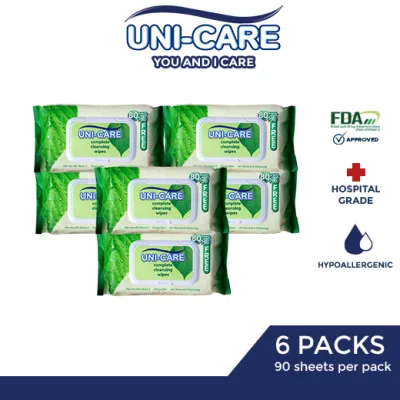
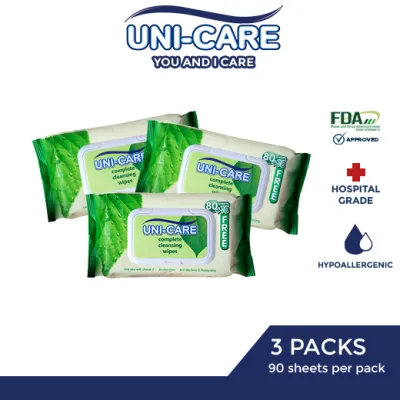
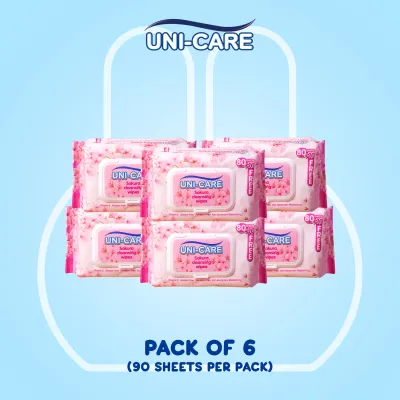
Prices are valid at publication and may change. Please refer to the product page for the latest price.
Always remember to verify the age suitability, method of use, and manufacturer warnings on the packaging documentation rather than assuming suitability based on the product name alone. Caregiver supervision is essential during use to prevent accidental ingestion or choking hazards.
Key Visual Checks: Packaging, Seals, and Labels
When your package arrives, conducting a thorough physical inspection is an essential step in verifying its authenticity. Before opening the pack or using the wipes on your baby, compare the physical item in your hands with the product images displayed on the brand’s official website. Counterfeiters often struggle to replicate the precise manufacturing standards of genuine brands, leaving behind subtle clues on the outer packaging, seals, and labels. By training your eye to spot these discrepancies, you can quickly identify a compromised product.
Inspecting the Outer Packaging and Seals
The physical construction of the packaging is one of the first indicators of quality. Genuine baby wipes are packaged in thick, durable plastic designed to withstand pressure and retain moisture over long periods. Pay close attention to the plastic welding along the edges and seams of the pack; authentic manufacturing lines produce uniform, perfectly straight, and clean seals. If you notice uneven, messy, or easily separated seams, the product may be a counterfeit or a poorly repackaged item.
Next, examine the print quality on the plastic wrap. Authentic packaging features crisp, high-contrast text and perfectly aligned graphics with no color bleeding or fading. Counterfeiters often use low-grade printing processes, resulting in blurry fonts, pixelated logos, or colors that look washed out compared to the original design. Additionally, inspect the plastic lid and the inner sticker seal beneath it. The adhesive on the sticker should be strong, clean, and free of residue. If the sticker is loose, shows signs of dried-out glue, or appears to have been peeled back and resealed, the package has likely been tampered with or stored in conditions that compromised its seal.
Checking Product Labels and Batch Information
Every authentic pack of baby wipes is marked with traceable manufacturing details, including a batch number, manufacturing date, and expiration date. On genuine products, this information is typically applied using high-precision laser printing or deep embossing on the back or bottom of the pack. These codes are designed to remain legible throughout the product’s shelf life and will not easily rub off when you scratch them gently with a fingernail. Counterfeit versions often feature cheap, smudged ink that smears easily under friction or moisture.
It is also vital to verify the ingredient list and warning labels printed on the back of the pack. Compare the text layout, font size, and spelling with the official brand specifications and local regulatory formatting standards. Counterfeit packaging frequently contains subtle typographical errors, missing safety warnings, or incorrect ingredient listings that do not match the registered formulation. If the warning labels seem incomplete or use unusual phrasing, do not use the wipes, as they may not comply with local consumer safety standards.
How to Verify Seller Credentials on E-Commerce Platforms
Preventing a counterfeit purchase starts long before the delivery rider arrives at your doorstep. When shopping on e-commerce platforms in the Philippines, learning how to navigate seller profiles and identify authentic storefronts is your most effective tool. The digital marketplace is filled with thousands of merchants, making it easy for unauthorized sellers to mimic official brands. However, platforms provide specific visual cues and verification metrics that help consumers distinguish genuine stores from third-party resellers.
First, always look for official mall badges next to the seller’s name. Major e-commerce platforms designate verified brand stores with prominent tags such as ‘Mall’ or ‘Official Store’. These badges are not easily obtained; they require the merchant to submit official business registrations, trademark certificates, and direct authorization letters from the brand. If a seller lacks this badge, they are operating as a third-party merchant, regardless of how professional their store banner looks.
Second, analyze the shop’s performance metrics. Authentic brand stores typically boast a high follower count, often reaching tens or hundreds of thousands of users, alongside an overall shop rating of 4.8 stars or higher. Check the ‘About’ or ‘Profile’ tab of the shop to look for direct corporate registration details or explicit brand authorization certificates. Be highly skeptical of sellers who write ‘100% authentic’ or ‘authorized distributor’ in their product descriptions but fail to display any official platform badges or verifiable credentials on their main store profile. Anyone can type reassuring claims into a product description, but only verified partners receive official platform recognition.
Red Flags: Pricing, Reviews, and Shipping Anomalies
Smart shopping requires a keen eye for anomalies in pricing, customer feedback, and shipping logistics. Counterfeiters and unauthorized sellers rely on specific tactics to attract unsuspecting buyers, and recognizing these red flags can save you from purchasing substandard baby care products.
The most common trap is ‘too good to be true’ pricing. Authentic baby wipes have fixed manufacturing, packaging, and distribution costs, which keep their retail prices relatively stable across authorized channels. If you encounter a listing offering a bulk pack of wipes at a fraction of the standard retail price—such as ₱20 for a pack that typically retails for ₱80 to ₱100—you should immediately suspect the product’s authenticity. While official stores do run occasional promotional sales, they rarely slash prices to a degree that defies basic logistics costs.
Customer reviews provide another layer of defense, but they must be analyzed critically. Instead of relying solely on the overall star rating, filter the reviews to view user-uploaded photos and videos of the actual product received. Look closely at the packaging details in these photos to check for the visual discrepancies mentioned earlier. Furthermore, watch out for bot-generated reviews. These are characterized by highly repetitive, generic 5-star ratings, identical phrasing across multiple accounts, and machine-translated English that lacks natural flow.
Finally, pay attention to shipping details. If the official brand distributes its products locally within the Philippines, but the seller’s listing indicates the item is shipping from an unverified overseas warehouse with an unusually long processing time, this is a major red flag. Authentic local products should ship from established domestic distribution networks, ensuring faster delivery and proper handling.
What to Do If You Suspect a Counterfeit Product
If you have purchased wipes and suspect they are counterfeit or tampered with upon arrival, your immediate priority must be safety. Stop using the wipes on your baby’s skin immediately. Counterfeit hygiene products are not subjected to safety testing and may contain harmful industrial chemicals, banned preservatives, or high levels of bacteria that can cause severe skin irritation, chemical burns, or systemic infections.
Once you have secured your baby’s safety, initiate the return and refund process through the e-commerce platform where you made the purchase. Do not click ‘Order Received’, as this can complicate your ability to file a dispute. Select the option for returning a counterfeit or damaged item, and prepare your evidence. Take clear, high-resolution photos of the blurry printing, compromised seals, smudged batch codes, or any other physical defects. Include screenshots of your chat history with the seller if they made false claims about the product’s origin.
After submitting your dispute, report the unauthorized seller directly to the platform’s customer support team to help prevent other parents from falling victim to the same listing. You can also contact the official customer service channels of the brand to report the counterfeit seller, providing them with the shop name and listing link so their legal teams can take appropriate action.
Frequently Asked Questions (FAQ)
Can I trust third-party sellers with high ratings?
While high ratings are a positive indicator, they do not guarantee product authenticity. Some third-party sellers mix genuine inventory with counterfeit stock, sell near-expiry items, or engage in review manipulation to artificially boost their scores. Official store badges and verifiable brand authorization remain the only definitive proofs of a legitimate, safe supply chain.
Do authentic Uni Care wipes have a specific scent?
Authentic baby wipes typically feature a mild, clean scent or are completely fragrance-free, depending on the specific variant. However, scent is highly subjective and can vary slightly between manufacturing batches, making it an unreliable method for verifying authenticity. Caregivers should rely on packaging and seller verification checks instead. If you notice any unusual odor, or if the wipes cause skin irritation, redness, or rashes, discontinue use immediately and consult a pediatrician or qualified healthcare professional.
Community discussion
Share your experience or ask a question. Comments are reviewed before publication.