
Why Authenticity Matters for Baby Skincare
Baby skin is remarkably delicate, being up to 30% thinner than adult skin, which makes it highly susceptible to external irritants and chemical absorption. In the tropical climate of the Philippines, high temperatures and humidity often trigger common skin issues like heat rash (bungang-araw) and diaper dermatitis, requiring parents to use gentle, trustworthy products. Applying counterfeit baby skincare products can exacerbate these conditions, introducing dangerous toxins directly to your child’s bloodstream.
Counterfeit baby washes, lotions, and creams bypass the strict quality control standards mandated for infant products. These fake formulations frequently contain unauthorized ingredients, including industrial-grade surfactants, heavy metals, or banned preservatives like parabens and formaldehyde releasers. These substances can lead to severe contact dermatitis, chemical burns, or long-term systemic health issues for your developing baby.
When purchasing any baby skincare item, always verify the recommended age range, method of use, and manufacturer warnings printed on the packaging. Do not assume suitability based solely on the product name, and check the official manufacturer website or regulatory channels for any active product recalls before use. Caregivers must supervise babies during bath time and ensure all products are kept safely out of reach.
Products mentioned in this guide
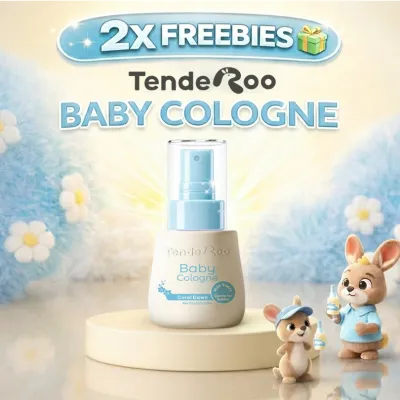
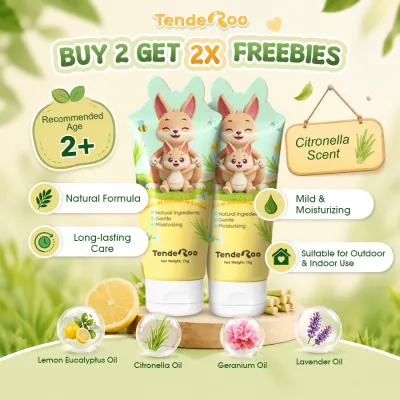
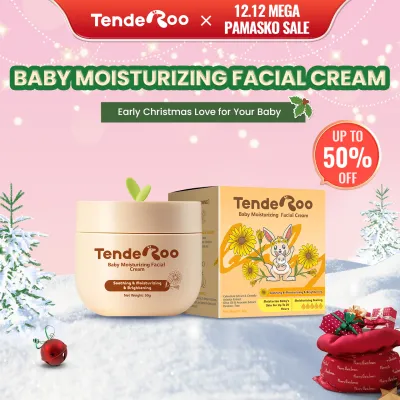
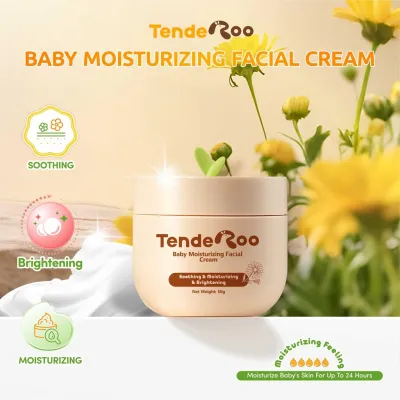
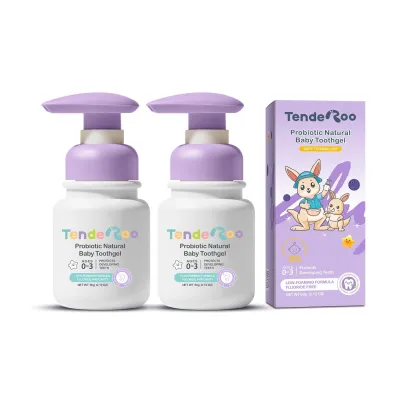
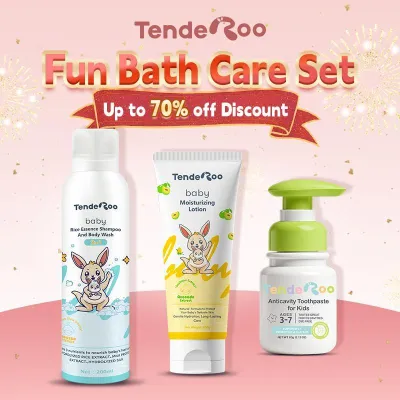
Prices are valid at publication and may change. Please refer to the product page for the latest price.
Popular baby brands like Tenderroo are frequent targets for counterfeiters due to their high market demand and the trust they have established among parents. Unscrupulous sellers exploit this reputation by replicating the outer packaging of popular products, filling them with cheap, unverified chemical mixtures. Because these items look nearly identical to the genuine products on digital storefronts, parents must learn to look closer.
Protecting your child from these hidden hazards requires a proactive approach to online shopping. By understanding how to identify authentic packaging, verify seller credentials, and inspect the physical properties of the product, you can ensure that only safe, dermatologist-tested formulas touch your baby’s skin.
Key Differences: Genuine vs. Counterfeit Tenderroo Products
Packaging and Labeling Details
Genuine baby products are manufactured using high-precision printing equipment, resulting in crisp, clear, and perfectly aligned text on all labels. When evaluating a bottle, look closely at the typography and layout. Counterfeit packaging often exhibits blurry fonts, bleeding ink, or inconsistent spacing between letters that indicate low-quality reproduction.

Always inspect the label for spelling mistakes, grammatical errors, or unusual phrasing. While reputable brands employ professional editors and strict quality assurance teams, counterfeit operations frequently make typographical errors in the ingredient list or usage instructions.
Check the physical integrity of the safety seals, shrink wrap, and bottle caps. Genuine products are sealed securely to prevent contamination and leakage during transit, featuring high-quality plastic wrap that fits tightly around the cap. If the seal is loose, unevenly cut, dirty, or completely missing, the product has likely been tampered with or refilled.
Analyze the alignment and placement of the barcode and labels on the container. On authentic items, the main labels and barcode stickers are applied mechanically, ensuring they are perfectly centered and free of air bubbles or creasing. Hand-applied labels on fake products often appear crooked, off-center, or have peeling edges.
Product Texture, Scent, and Color
The physical characteristics of the liquid, lotion, or cream inside the bottle are primary indicators of authenticity. Genuine formulations undergo rigorous stability testing to ensure a consistent, smooth, and homogeneous texture that does not separate over time.
If you squeeze out a portion of the product and notice a watery consistency, clumping, or oily separation, this is a major warning sign. Counterfeiters often dilute their mixtures with water or use cheap binding agents that fail to maintain a stable emulsion, especially under warm, humid conditions.
Scent is another critical differentiator to evaluate before applying any product to your child. Authentic baby skincare is formulated with extremely mild, hypoallergenic fragrances or is entirely fragrance-free to prevent respiratory and skin irritation. If the product emits a strong, artificial, perfume-heavy, or chemical-like odor resembling household detergent, it is highly likely a counterfeit.
Crucial Safety Rule: Always prioritize your baby’s physical safety when trying a new bottle, even if the packaging looked convincing. If you notice any redness, swelling, hives, or signs of discomfort, stop using the product immediately. Wash the skin thoroughly with clean, lukewarm water, and consult a pediatrician or qualified healthcare professional.
How to Verify Tenderroo Products and Seller Credentials
Identifying the Official Store Online
The most reliable way to avoid counterfeit items when shopping on major online marketplaces is to purchase exclusively from the verified tenderroo official store. E-commerce platforms designate these authentic storefronts with specific badges, such as “Mall” or “Official Store,” which are only awarded after the seller submits verified business registrations and brand authorization documents.
Before clicking the purchase button, take a moment to evaluate the seller’s profile and performance metrics. High-quality, authorized sellers typically maintain an overall rating of 95% or higher and have a substantial history of positive customer feedback spanning several months or years.
Be highly skeptical of newly created store accounts that lack a verifiable business history or have generic, randomized alphanumeric usernames. These temporary storefronts are often set up by counterfeiters to sell fake stock quickly before the platform detects their fraudulent activity and shuts them down.
Carefully read the customer reviews, paying specific attention to the 1-star and 2-star ratings. Genuine buyers who have accidentally purchased counterfeits from a seller will often leave detailed feedback warning others about strange smells, watery textures, or allergic reactions.
Inspecting Batch Codes and Manufacturing Details
Every authentic baby skincare product features a unique batch code and expiration date printed directly on the packaging. These tracking numbers are vital for quality control, allowing the manufacturer to identify specific production runs in the event of a product inquiry or safety recall.
On genuine bottles and tubes, these codes are typically embossed (raised) or laser-printed onto the crimp of the tube or the bottom of the bottle. The print should be clean, precise, and resistant to normal handling; if the ink smudges easily when rubbed with a damp finger, the packaging is likely a cheap imitation.
Cross-reference the date format and batch code structure with the official guidelines provided on the brand’s website. If the packaging displays an unusual date format that does not match the standard layout used by the brand, or if the batch code is entirely missing, do not use the product.
If you are still uncertain about the legitimacy of a batch code, contact the brand’s official customer service department directly. Provide them with a clear photograph of the code and the packaging, as they can verify whether that specific code corresponds to an actual production run in their database.
Safe Buying Channels for Baby Products in the Philippines
Securing authentic skincare for your little one requires a deliberate choice of where you spend your money. Prioritizing the official tenderroo official store on reputable online marketplaces ensures that you are buying directly from the brand or its authorized local distributor, completely eliminating the risk of counterfeit exposure.
For those who prefer offline shopping, purchasing from established physical pharmacies, major supermarkets, or recognized baby specialty retailers across the Philippines provides an excellent layer of safety. These corporate retailers have strict supply chain vetting processes and source their inventory directly from authorized brand distributors.
Be wary of extreme price discrepancies, which serve as one of the most common red flags for counterfeit products. If a standard bottle of baby wash typically retails for ₱350, a listing offering the exact same item for ₱80 is highly suspicious and should be avoided, as authentic formulations cannot be manufactured or sold at such low price points.
Avoid purchasing from unauthorized third-party sellers who ship their inventory from unverified overseas warehouses or fail to provide local distribution credentials. These listings often bypass local customs inspections and safety standards, leaving you with no recourse if the product turns out to be a dangerous imitation.
What to Do If You Suspect a Counterfeit Purchase
If you suspect that the product you received is a counterfeit, your absolute first priority must be to protect your baby’s health by discontinuing use immediately. Even if the baby has not shown an adverse reaction yet, the unverified ingredients in a fake product pose an ongoing risk of chemical exposure and skin irritation.
Next, document the suspicious product thoroughly by taking clear, well-lit photographs from multiple angles. Capture close-up shots of the blurry printing, misaligned labels, the batch code, the safety seal, and a small sample of the product’s texture or color to serve as evidence.
Initiate a formal return and refund request through the e-commerce platform’s buyer protection program before the automated payment window closes. Select “counterfeit item” or “item not as described” as the reason for your return, and upload your compiled photographic evidence to support your claim.
Finally, report the fraudulent listing and the seller’s account directly to the platform’s customer support team and local consumer protection agencies, such as the Department of Trade and Industry (DTI). Taking this step helps clean up online marketplaces, protecting other parents from falling victim to unsafe counterfeit baby products.
Frequently Asked Questions (FAQ)
Can I rely solely on a barcode scanner app to verify authenticity?
No, you should never rely exclusively on a barcode scanner application to confirm if a product is genuine. Barcodes are simple graphic representations of numbers that identify a product type, and counterfeiters can easily copy and print identical barcodes onto their fake packaging.
While a failed scan can indicate a fake, a successful scan simply means the barcode itself is valid, not that the liquid inside the bottle is the genuine, safe formulation.
Is a slightly damaged outer box always a sign of a counterfeit?
A slightly damaged outer box is not always a definitive sign of a counterfeit product. During shipping and handling across the Philippines, packages can experience minor dents, creases, or tears due to transit movement and humidity.
To differentiate normal transit wear from a fake, look for structural packaging flaws such as missing safety seals, poor glue application on the box seams, low-resolution printing, or mismatched batch codes between the box and the bottle.
Community discussion
Share your experience or ask a question. Comments are reviewed before publication.