
Identifying a genuine 250g jar of Sudocrem Original Cream requires a close inspection of its packaging, batch codes, and physical properties. A genuine tub features crisp, perfectly aligned label printing, a laser-etched or dot-matrix batch code that does not rub off, and a secure tamper-evident tear strip. Once opened, the cream should present a thick, uniform zinc oxide paste with a mild lavender scent that does not separate into oily layers, even in the warm Philippine climate.
As a trusted household staple for managing diaper rash and protecting delicate skin barriers, this product is a frequent target for counterfeiters. Distinguishing between an authentic jar and a sophisticated fake is crucial for protecting your family. By looking beyond the surface label and evaluating the physical characteristics of the cream alongside the legitimacy of your purchasing channel, you can ensure you are using a safe, original product.
Why Authenticity Matters for Your Baby's Skin
An infant’s skin barrier is exceptionally delicate, being significantly thinner and more sensitive than adult skin. When diaper rash or skin irritation occurs, this natural barrier is already compromised and highly vulnerable to external substances. Applying any topical product to an inflamed area means that whatever ingredients are inside the cream will interact directly with your baby’s sensitive epidermal layers. For this reason, caregivers should always verify the recommended age suitability, application methods, and manufacturer warnings directly from the product’s official documentation, and ensure that infants are supervised during application to prevent accidental ingestion or contact with eyes.
Products mentioned in this guide
Prices are valid at publication and may change. Please refer to the product page for the latest price.
Counterfeit creams are manufactured in unregulated, unhygienic environments that completely bypass strict quality control and sanitary standards. These illicit facilities often use unverified, industrial-grade ingredients, contaminated water, or incorrect concentrations of active components like zinc oxide. Some fakes may even contain harmful heavy metals or banned chemical preservatives that should never touch human skin.
Using a counterfeit cream on your baby introduces severe health risks, including acute contact dermatitis, chemical burns, painful allergic reactions, or secondary bacterial infections. Furthermore, because a fake formula lacks the proper protective barrier properties, it will fail to shield the skin from the irritating effects of wetness and friction, rapidly worsening the diaper rash.
Caregivers must prioritize safety by immediately halting the use of any product suspected of being counterfeit. Do not attempt to test a questionable cream on a small patch of your baby’s skin. If your baby has already been exposed to a suspected fake and shows signs of persistent redness, swelling, hives, or distress, consult a pediatrician or a qualified healthcare professional immediately.
Visual and Physical Checks: Genuine vs. Fake Sudocrem 250g
Detecting a counterfeit requires a systematic approach. By examining the external packaging and evaluating the cream’s physical properties, you can identify key discrepancies that distinguish a genuine product from a fake.

Packaging, Labels, and Batch Codes
The first line of defense is the exterior of the 250g gray plastic jar. Authentic jars are manufactured using high-precision molding, resulting in a sturdy tub with smooth, clean edges along the seams and the base. Run your fingers along the bottom rim; a genuine jar will not have rough, sharp, or uneven plastic flashing. Look for clearly defined recycling symbols and plastic type markings molded cleanly into the plastic on the bottom.
Next, scrutinize the printed label carefully. Genuine labels feature exceptionally sharp, high-contrast text and precise color reproduction, with the iconic red, blue, and gray branding perfectly aligned. Counterfeiters often scan original labels and reprint them, which introduces subtle fuzziness, especially in the small ingredient list and safety warnings on the back. Pay close attention to spelling; typos or grammatical errors are immediate indicators of a counterfeit.
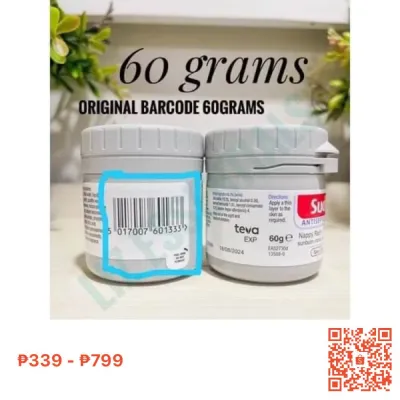
The batch code and expiration date require close inspection. On an authentic jar, these details are applied using specialized production-line equipment, such as dot-matrix printing or laser etching, which is designed to withstand handling. In contrast, counterfeiters often use cheap ink stampers or basic inkjet printing that can be easily smudged, scratched off, or dissolved with a swipe of rubbing alcohol.
Finally, examine the lid and the tamper-evident tear strip. Authentic jars feature a secure, tightly fitting lid with a clean plastic tear strip that must be broken to open the tub. If this strip is already broken, looks melted, or feels unusually flimsy, the product may have been tampered with or refilled. Because manufacturers periodically update packaging designs and regulatory symbols, always cross-reference the packaging with current, official product images on the brand’s official website rather than relying solely on memory.
Texture, Scent, and Consistency
Once you open the jar, the physical characteristics of the cream provide definitive clues. Authentic Sudocrem Original Cream has a highly specific formulation. It is a thick, rich, zinc oxide-based paste that holds its shape. When you scoop a small amount, it should feel substantial and spread smoothly and evenly across the skin, creating a visible, protective white barrier without feeling excessively greasy or runny.
The scent of genuine Sudocrem is highly characteristic and consistent. It features a mild, clean, and calming aroma, heavily influenced by its lavender oil component. This scent should be subtle and soothing, never overpowering or harsh.
Counterfeit products struggle to replicate this complex emulsion. Common red flags in fake creams include separated oils pooling on the surface of the cream, a watery or runny consistency, or a clumpy, gritty texture that feels rough to the touch. In the tropical climate of the Philippines, high humidity and heat can accelerate the breakdown of poorly formulated fake creams, causing them to separate into distinct liquid and solid layers.
Furthermore, fake creams often exhibit an unpleasant, strong chemical odor, an oily petroleum smell, or an overly synthetic perfume scent. These off-putting smells indicate the use of cheap industrial fragrances or raw chemical substitutes that have not been refined. While minor batch-to-batch variations can occasionally occur due to natural sourcing of certain ingredients, drastic deviations in physical state are strong indicators of a counterfeit product.
Reliable Verification Steps Before and After Purchase
To protect your family, you should implement a series of verification steps both before and after making a purchase. These steps go beyond a simple glance and help confirm the product’s pedigree.
- Inspect the Inner Seal Integrity: When you open a new jar of Sudocrem 250g, check for any inner protective foil or plastic seal if applicable to that specific batch's packaging standard. If a seal is present, it should be perfectly centered, taut, and firmly adhered to the rim of the jar. Look for signs of tampering, such as glue residue around the outer rim, uneven sealing, or a loose cover that suggests the jar was opened and manually resealed.
- Verify Batch Codes via Official Channels: If you are uncertain about the legitimacy of a batch code printed on your jar, reach out directly to the manufacturer's official customer service channels or use their official regional website if they provide a batch verification tool. Provide them with the batch code, expiration date, and photos of the packaging. Official representatives can cross-reference these details with their manufacturing logs to verify if that specific batch was produced and distributed to the Philippine market.
- Avoid Unverified Third-Party Authenticity Apps: Many consumers download third-party barcode scanning apps or "authenticity checker" platforms, believing they can verify a product's legitimacy. However, these apps merely read the numerical data encoded in the barcode. Counterfeiters can easily copy a genuine barcode from an authentic jar and print it onto thousands of fake packages. A barcode scanner will read this copied code as "authentic," providing a false sense of security.
- Combine Multiple Verification Methods: Never rely on a single surface feature to confirm authenticity. A clever counterfeiter might obtain genuine empty jars and refill them with fake cream, or print high-quality labels while using cheap ingredients. True verification requires a holistic check: verify the seller's reputation, inspect the outer packaging molding, check the batch code print method, evaluate the inner seal, and analyze the texture and scent of the cream itself.
Safe Purchasing Channels in the Philippines
The most effective way to avoid counterfeit baby care products is to control where you buy them. In the Philippines, the retail landscape offers several highly secure options, alongside high-risk digital marketplaces.
- Prioritize Authorized Physical Retailers: For absolute peace of mind, purchase Sudocrem from established, licensed physical pharmacies and health stores. Major national chains such as Watsons, Mercury Drug, and reputable supermarket chains (like SM Supermarket, Robinsons Supermarket, or Landers Superstore) have strict procurement protocols. They source their inventory directly from authorized local distributors, ensuring a secure supply chain that is virtually immune to counterfeit infiltration.
- Shop via Official Online Flagship Stores: If you prefer the convenience of online shopping, navigate exclusively to official brand flagship stores or authorized digital malls on major e-commerce platforms. Look for verified seller badges (such as "Mall" or "Official Store" tags) which indicate that the seller's business registration and distribution rights have been verified by the platform.
- Identify Red Flags in Online Listings: Be highly skeptical of third-party marketplace sellers. A major red flag is an unrealistically low price. If a 250g jar of Sudocrem is listed at a price that is significantly lower than the standard retail price in established pharmacies (for example, priced at ₱150 to ₱200 when the standard market price is closer to ₱500 to ₱700), it is highly likely to be a counterfeit. Counterfeiters use low prices to lure bargain-hunting parents. Other warning signs include bulk wholesale offers without official receipts, listings with poor or generic seller ratings, and shipping origins that do not align with authorized local distribution hubs.
- Request Proof of Purchase: When buying from independent third-party sellers on online platforms, do not hesitate to message the seller and request proof of purchase or official distributor invoices. Legitimate sellers who source their products ethically will be transparent and willing to provide redacted invoices or receipts to prove their stock is genuine. If a seller makes excuses, refuses to provide documentation, or claims the low price is due to "direct factory excess," avoid purchasing from them.
What to Do If You Receive a Suspected Counterfeit
If you have purchased a jar of Sudocrem 250g and suspect it is counterfeit, you must take immediate, decisive action to protect your family and hold the seller accountable.
First and foremost, stop using the cream immediately. Do not apply it to your baby, yourself, or anyone else. Store the jar securely out of reach of children so it is not accidentally used.
Create a comprehensive digital paper trail. Take clear, high-resolution photographs of the product from all angles. Capture close-up shots of the suspected label flaws, the batch code, the expiration date, the inner seal, and the texture of the cream. Keep your original physical receipt, or take screenshots of the online order confirmation, the seller’s profile, and your chat history with the seller.
If you purchased the product online, immediately open a dispute or return request through the e-commerce platform’s customer resolution center. Upload your documented photo evidence and clearly state that you received a counterfeit product. Request a full refund and ask the platform to flag and investigate the seller’s account to prevent them from selling to other parents.
To protect the wider public, file a formal complaint with the Department of Trade and Industry (DTI) in the Philippines. The DTI monitors consumer product safety and investigates unfair trade practices, including the distribution of counterfeit goods. You can submit your complaint and evidence through the DTI’s official consumer protection channels.
If you have already applied the suspected counterfeit cream and your baby exhibits any adverse skin reactions—such as increased redness, hives, swelling, blistering, or signs of discomfort—do not wait. Seek professional medical advice from a pediatrician immediately. Bring the suspected jar with you to the clinic so the doctor can review the potential irritants.
Frequently Asked Questions (FAQ)
Does the batch code format change with new packaging?
Yes, manufacturers occasionally update their batch code formats, lengths, or printing locations when they transition to new packaging designs, upgrade their production line machinery, or shift manufacturing to different authorized facilities. These updates can make a genuine batch code look unfamiliar. To verify if a new format is legitimate, check the brand’s official regional website for the most current packaging and coding standards, or contact their customer support directly rather than assuming an unfamiliar layout is a fake.
Is it safe to use a suspected fake on adult skin if it looks okay?
No, it is highly unsafe to use a suspected counterfeit product on adult skin, even if the cream looks and smells relatively normal. Counterfeit cosmetics and barrier creams are made in unregulated facilities without microbial testing or chemical safety checks. They may contain hidden contaminants, heavy metals, or highly alkaline pH levels that can disrupt the skin barrier, leading to severe contact dermatitis, chemical burns, or deep skin infections. The risk of adverse reactions applies to individuals of all ages.
Community discussion
Share your experience or ask a question. Comments are reviewed before publication.