
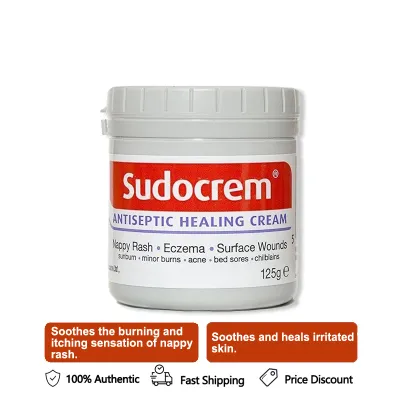
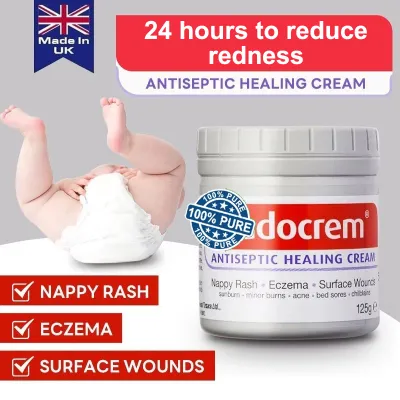
To spot fake Sudocrem, you must carefully inspect the packaging print quality, cross-check the batch codes, evaluate the physical consistency of the cream, and purchase only from authorized retailers. Authentic Sudocrem features a thick, pale greyish-white paste with a subtle lavender scent, housed in a high-quality grey tub with crisp, legible text. Counterfeit products often present blurry labels, mismatched batch numbers, and a runny or separated texture that can severely irritate your baby’s delicate skin.
Ensuring you purchase a genuine sudocream original cream is vital for safe infant skincare, especially in the tropical climate of the Philippines where heat and humidity can exacerbate diaper rash. While a lower price tag on online marketplaces might seem appealing, the risks of applying unverified chemicals to a baby’s compromised skin barrier far outweigh any temporary savings. This guide provides a comprehensive checklist to help parents verify their purchase and protect their children from counterfeit hazards.
Why Authenticity Matters for Your Baby's Skin
An infant’s skin barrier is significantly thinner, more delicate, and more permeable than that of an adult. Because of this structural vulnerability, any topical product applied to a baby’s diaper area is absorbed much more readily into their system. Genuine diaper barrier creams are formulated under strict pharmaceutical and cosmetic quality controls to ensure they are hypoallergenic, sterile, and chemically stable. When these standards are met, the cream effectively seals out moisture and protects irritated skin from the acidic enzymes present in urine and stools.
Products mentioned in this guide
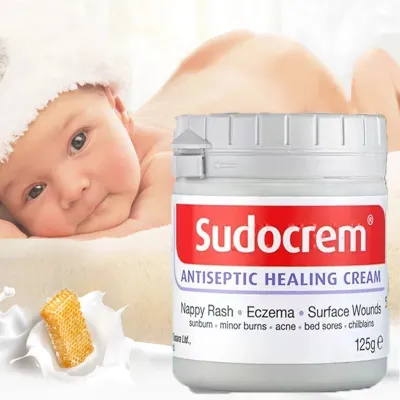
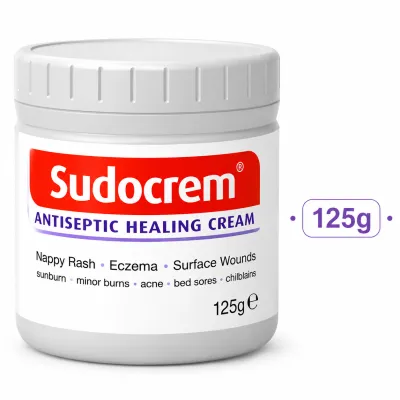
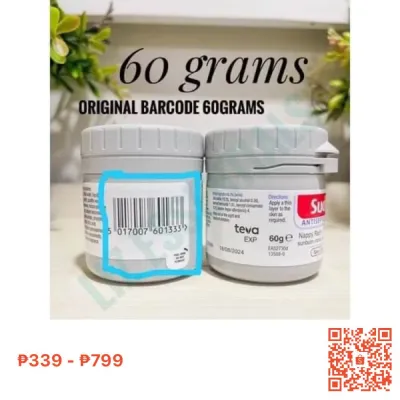
Prices are valid at publication and may change. Please refer to the product page for the latest price.
Counterfeit skincare products, by contrast, are manufactured in unregulated, often unhygienic environments with no oversight from health authorities. Laboratory analyses of seized counterfeit cosmetics globally have frequently revealed the presence of heavy metals, harmful bacterial contaminants, and banned industrial chemicals. Applying a fake cream to an already inflamed diaper rash can cause severe chemical burns, contact dermatitis, or systemic toxicity. Furthermore, if the counterfeit product has an incorrect pH level, it can strip the skin’s natural defenses, turning a mild rash into a severe, painful infection.
As a parent, your primary defense against these complications is vigilant verification. A severe diaper rash not only causes intense discomfort and sleepless nights for your infant but can also lead to secondary bacterial or fungal infections that require prescription treatments. Prioritizing skin health by ensuring every topical product you use is authentic is a fundamental aspect of safe caregiving. Always consult a pediatrician or a qualified dermatologist if your baby’s diaper rash persists, bleeds, oozes, or worsens after applying any treatment.
Key Differences Between Genuine and Fake Sudocream Original Cream
Identifying a counterfeit product requires a systematic approach that combines visual inspection with sensory evaluation. Counterfeiters generally focus on replicating the outward appearance of popular brands at the lowest possible cost, which inevitably leads to noticeable shortcuts in both packaging materials and chemical formulations. By understanding the specific benchmarks of an authentic tub, you can quickly identify the red flags that signal a dangerous imitation.

Before you open a newly purchased tub, take a moment to examine its exterior features under good lighting. Once opened, the physical properties of the cream itself—such as how it feels, smells, and behaves when spread—will provide the final confirmation of its legitimacy. Let us break down these critical checkpoints into clear, observable steps.
Packaging and Labeling Details
The first line of defense is a close examination of the tub’s print quality and labeling alignment. Genuine manufacturers utilize high-precision industrial printing machinery that produces razor-sharp text, consistent color tones, and perfectly aligned labels. On an authentic tub, even the smallest safety warnings and ingredient lists are easily legible without magnification. Counterfeit tubs, however, often feature labels with slightly blurry text, pixelated graphics, or colors that look faded or overly saturated. If you notice any spelling errors, grammatical slips, or uneven margins on the label, the product is highly likely to be a fake.
Next, inspect the batch code and expiry date, which are typically stamped or etched onto the tub. On genuine packaging, these details are applied using precise dot-matrix printing or clean laser etching that resists smudging. The batch code on the bottom or side of the tub must match any corresponding codes printed on the outer box, if the product was packaged in one. Counterfeiters often use standard, cheap ink stamps that can easily be smeared with a damp finger, or they may print identical, static batch numbers across thousands of fake units.
It is important to note that manufacturers occasionally update their packaging designs, label layouts, or regional safety symbols to comply with changing regulations. Consequently, a slight difference in the label design compared to a tub you bought years ago does not automatically indicate a counterfeit. To verify whether a design variation is legitimate, cross-reference the packaging with the brand’s official website or consult an authorized local distributor. Always verify the manufacturer’s official warnings and usage instructions directly on the product label before application.
Texture, Scent, and Color of the Cream
If the packaging passes inspection, the next step is to evaluate the sensory profile of the cream itself. Genuine Sudocrem is highly recognizable by its incredibly thick, smooth, and consistent paste-like texture. When you scoop a small amount, it should hold its shape and feel velvety, spreading evenly across the skin to form a protective, semi-opaque barrier without clumping or dragging. The color should be a uniform, pale greyish-white, which is a natural characteristic of its zinc oxide formulation.
The scent of the authentic cream is another reliable indicator of quality. It features a very mild, pleasant, and highly specific clinical aroma with a subtle hint of lavender. This scent is designed to be soothing and non-intrusive. Counterfeit creams often fail to replicate this delicate balance; they may smell strongly of harsh industrial chemicals, cheap artificial perfumes, or have a rancid, oily odor due to the use of low-grade carrier lipids.
If you notice that the cream has separated into a watery liquid and a solid mass, feels gritty or grainy to the touch, or is unusually runny, do not apply it to your child. If you have already applied the cream and your baby experiences unexpected redness, swelling, stinging, or displays signs of discomfort like crying during application, stop use immediately. Gently wash the area with lukewarm water and a mild, baby-safe cleanser to remove all traces of the product, and consult a healthcare professional to assess the skin’s condition.
Reliable Ways to Verify Your Sudocrem
Beyond visual and sensory checks, there are structured verification methods you can employ to confirm your product’s authenticity. Some batches of the cream, depending on their target market and manufacturing origin, may feature official anti-counterfeit elements such as holographic stickers, tamper-evident seals, or scannable QR codes. If your tub includes a QR code, scan it using a smartphone to see if it directs you to an official, secure brand domain. However, keep in mind that the absence of a QR code on older stock or batches imported from specific European regions does not automatically mean the product is counterfeit, as packaging standards vary globally.
For absolute certainty, the most reliable action is to contact the official brand distributor or customer service representatives in the Philippines. You can submit the printed batch number, the name and location of the seller, a copy of your purchase receipt, and high-resolution photographs of the tub’s front, back, and base. The distributor can cross-reference the batch number with their manufacturing logs to verify if that specific code was indeed produced on that date and allocated to a legitimate shipment.
Remember that no single visual trick or packaging shortcut can guarantee 100% authenticity on its own. Counterfeiters are constantly refining their methods to mimic genuine packaging more closely. Therefore, the most dependable approach is a holistic evaluation: combine physical packaging checks, sensory testing of the cream, and a strict policy of buying only through verified, reputable retail channels.
Where to Buy Genuine Sudocrem in the Philippines
The single most effective way to avoid counterfeit diaper rash creams is to control where you buy them. In the Philippines, you should prioritize purchasing healthcare and baby products from major, established physical pharmacies such as Watsons or Mercury Drug. These retail giants have highly secure supply chains and source their inventory directly from authorized pharmaceutical distributors, virtually eliminating the risk of counterfeit stock entering their shelves. Major supermarket chains and dedicated department stores also offer reliable, authentic products.
If you prefer online shopping, only purchase from the brand’s official flagship stores or “Mall” verified sellers on reputable e-commerce platforms. These platforms provide stricter merchant vetting and offer robust buyer protection policies. Be highly suspicious of listings that feature prices significantly below the standard market rate. For example, if a standard-sized tub of genuine Sudocrem typically retails between ₱350 and ₱500, a listing offering the same size for ₱100 is a major red flag. Counterfeiters rely on extreme price drops to lure bargain-hunting parents.
Exercise extreme caution when browsing unauthorized social media sellers, independent classified ads, or unverified third-party vendors on online marketplaces. Sellers who claim to offer “overseas stock,” “duty-free imports,” or “wholesale clearance prices” often bypass standard quality checks and may be distributing counterfeit goods. Always look for established sellers who provide verifiable business addresses, transparent return policies, and realistic customer reviews. Avoid listings with highly repetitive, generic positive reviews that look like automated bot feedback.
What to Do If You Suspect You Bought a Counterfeit
If you suspect that the tub of cream you purchased is a counterfeit, the very first step is to cease using it immediately. Do not attempt to “finish the tub” or use it on less sensitive areas of your baby’s body. Safely store the suspected item in a secure place out of reach of children and other caregivers to prevent accidental application.
Next, compile a detailed record of your purchase to support your claim. Take clear, well-lit photographs of the packaging, focusing on the blurry print, mismatched batch numbers, or any physical defects. Take photos of the cream’s texture if it appears separated or discolored. Keep digital copies of your purchase receipt, the online transaction details, and screenshots of the seller’s product listing and store profile. This documentation is crucial for securing a refund and reporting the seller.
If you purchased the product through an online marketplace, immediately file a formal return and refund request through the platform’s buyer protection program. Select “counterfeit product” or “item not as described” as the primary reason, and upload your compiled photographic evidence. Reputable platforms take intellectual property and consumer safety violations very seriously and will typically freeze the seller’s funds while investigating your claim.
If the seller is uncooperative, or if you bought the product from an independent vendor, you can escalate the issue by filing a formal complaint with the Department of Trade and Industry (DTI) or the Food and Drug Administration (FDA) in the Philippines. Reporting these incidents helps regulatory bodies track down illicit supply chains, shut down fraudulent online storefronts, and protect other families from potentially hazardous health products.
Frequently Asked Questions (FAQ)
To help you quickly navigate common concerns regarding product verification and safety boundaries, we have compiled answers to some of the most frequent queries from parents.
Can I use suspected counterfeit cream on adult skin if it looks okay?
You should strongly avoid using any suspected counterfeit cream on adult skin, even if the skin appears healthy and less sensitive than a baby’s. Counterfeit cosmetics are manufactured without regulatory oversight and may contain hidden contaminants, heavy metals like lead or arsenic, or banned chemical stabilizers. Even if it does not cause an immediate reaction, applying these unverified formulations can lead to severe contact dermatitis, allergic reactions, or long-term skin damage over time. If you suspect a product is fake, the safest course of action is to dispose of it entirely.
Does genuine Sudocrem always have a protective seal under the lid?
The presence, material, or design of an internal protective seal under the lid can vary depending on the manufacturing facility, the specific batch, or recent packaging updates implemented by the brand. Some genuine batches feature a foil or plastic seal, while others may rely solely on the outer plastic tear-strip on the lid to guarantee tamper resistance. Because of these manufacturing variations, you should never rely on the presence or absence of an internal seal as your sole proof of authenticity. Instead, evaluate the product holistically by checking the print quality, batch codes, cream texture, and the reputation of your chosen retailer.
Community discussion
Share your experience or ask a question. Comments are reviewed before publication.