
Diaper rash is a common concern for parents in the Philippines, where the tropical heat and high humidity can easily exacerbate skin irritation. To protect sensitive skin, many families rely on a trusted barrier cream like sodocream original cream. However, the rise of online marketplaces has brought a surge of counterfeit baby care products, making it increasingly difficult to ensure you are purchasing a genuine item. Using an unverified formula on your baby’s skin poses serious risks that every caregiver must actively avoid.
When a baby suffers from diaper dermatitis, their skin barrier is already compromised, inflamed, and highly vulnerable. Applying a counterfeit cream can introduce unknown chemicals, industrial-grade ingredients, or bacterial contaminants directly into these open micro-tears. Instead of soothing the irritation, a fake product can trigger severe allergic reactions, chemical burns, or secondary bacterial and fungal infections.
Because of these high stakes, caregivers must maintain a strict safety protocol when evaluating any skincare product. If you notice your baby’s rash worsening, spreading, or showing signs of an adverse reaction—such as increased redness, swelling, or pustules—after application, stop using the cream immediately. Wash the area gently with clean water, discontinue the product, and consult a pediatrician or qualified healthcare professional right away.
Products mentioned in this guide
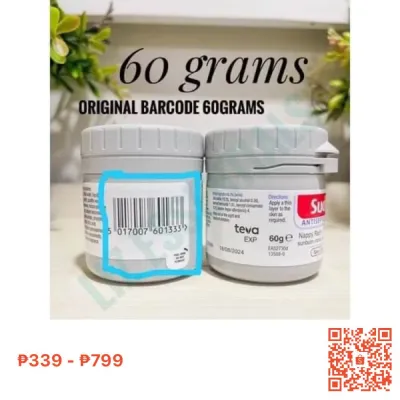
Prices are valid at publication and may change. Please refer to the product page for the latest price.
Verifying Packaging Details for Sodocream Original Cream
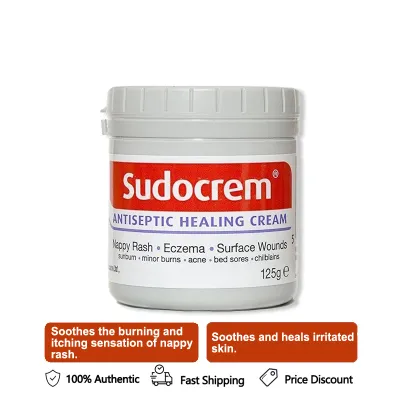
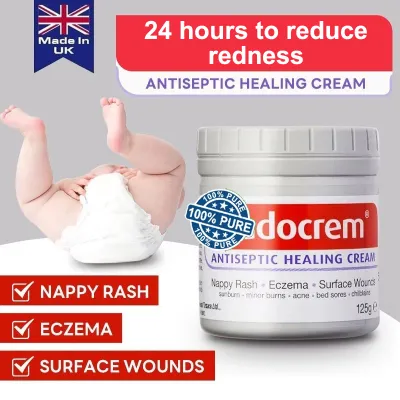
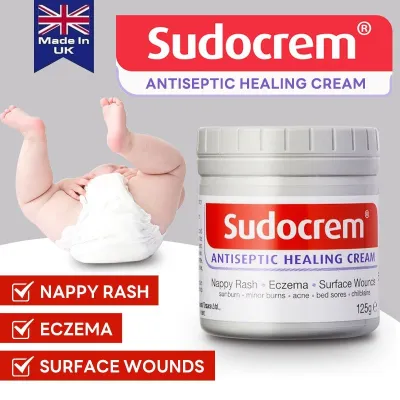
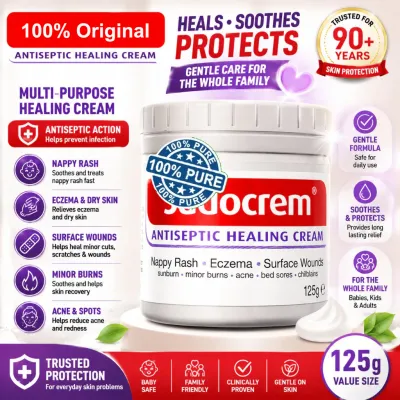
Evaluating the physical container is your first line of defense when confirming whether you have purchased a genuine sodocream original cream. Authentic manufacturers adhere to strict quality control standards, resulting in highly consistent packaging that counterfeiters struggle to replicate accurately. By closely inspecting the jar before opening it, you can spot several physical discrepancies that indicate a counterfeit.
Start by examining the plastic jar itself. A genuine container is molded from high-quality, sturdy plastic with a uniform gray color and smooth, clean seams. The plastic should not feel flimsy, and there should be no rough or sharp excess plastic along the edges. The lid must fit securely and seal tightly, requiring a deliberate twist to open, which ensures the product remains airtight and uncontaminated during transit and storage.
Next, turn your attention to the label printing and alignment. Authentic labels feature sharp, high-resolution text and perfectly aligned logos that do not peel or bubble at the edges. Counterfeit jars often display blurred fonts, slightly washed-out colors, or misaligned text blocks that suggest cheap printing methods. Check the spelling of every word carefully; minor typographical errors or unusual spacing are immediate indicators of a fake product.
When inspecting the packaging, also take the time to verify the age or developmental stage recommendations, specific method of use, and manufacturer warnings printed on the label. Never infer suitability or safety instructions solely from a product’s name or online descriptions. Always cross-reference the printed instructions with the official documentation to ensure the cream is appropriate for your baby’s current developmental stage.
Another critical verification step involves inspecting the batch codes and expiry dates. On genuine packaging, this information is typically embossed, laser-etched, or printed using high-durability ink that does not easily rub off when scratched with a fingernail. Counterfeit products often have these details printed with cheap ink that smudges easily, or they may lack a batch code altogether. Ensure the date format matches standard international formats and looks consistent with the rest of the label’s typography.
Finally, read the ingredient list on the back of the jar. The formulation of a genuine barrier cream relies on specific active ingredients, such as zinc oxide, benzyl alcohol, and anhydrous hypoallergenic lanolin, at precise concentrations. Compare the listed ingredients on your jar with the official product specifications provided on the manufacturer’s official channels. If you spot missing ingredients, altered concentrations, or unfamiliar chemical additives, do not use the product.
Comparing Texture, Color, and Scent
Once you open the jar, your senses become the primary tools for verifying authenticity. The physical properties of the cream inside are incredibly difficult for counterfeiters to mimic because they lack access to the precise manufacturing processes and high-grade raw ingredients used in the original formulation. Conducting a quick sensory check can save your baby from a painful skin reaction.

Begin by observing the texture and consistency of the cream. An authentic barrier cream is characteristically thick, smooth, and highly cohesive, designed to form a visible, water-resistant protective layer over the skin. When you scoop a small amount, it should hold its shape without dripping. In contrast, counterfeit creams are frequently watery, runny, excessively greasy, or lumpy, failing to create the necessary barrier.
Pay close attention to the color of the product. The genuine cream is a uniform, clean white color with a matte finish. Be highly suspicious of any product that exhibits a yellowish tint, a stark, unnatural bluish-white hue, or visible liquid separation. If you open a new jar and find a layer of oil or water sitting on top of the cream, this indicates poor formulation stability and is a major red flag.
The scent of the cream is another reliable indicator of its origin. The original product has a very distinct, mild lavender-like fragrance that is clean and unobtrusive. Counterfeit versions often smell strongly of harsh chemicals, artificial perfumes, or even rancid oils. If the scent feels overwhelming, metallic, or chemically off-putting, it is highly likely that the product contains unauthorized synthetic fragrances or degraded ingredients.
As a fundamental safety rule, never apply the cream to your baby’s skin if it fails any of these sensory checks. Even if the packaging looked convincing, a strange texture, off-color, or unusual smell is a clear sign that the formulation is unsafe. Your baby’s health is paramount, so always err on the side of caution and discard any product that arouses suspicion during your physical inspection.
Red Flags When Shopping Online and In-Store
With the convenience of digital shopping, many parents in the Philippines purchase baby care supplies through online marketplaces. While these platforms offer competitive prices, they also host numerous third-party sellers distributing unverified goods. Recognizing common red flags in product listings and store profiles can help you avoid purchasing counterfeit items in the first place.
Pricing anomalies are often the most obvious warning signs of a counterfeit product. While prices can fluctuate slightly based on importer fees and shipping costs, a genuine jar typically falls within a consistent retail price band in the Philippines—generally ranging from ₱350 to ₱800 depending on the jar size. If you encounter a listing offering the cream at a fraction of this price, or advertising bulk bundles that seem too cheap to be true, exercise extreme caution.
Before adding an item to your cart, thoroughly investigate the seller’s credibility and history. Check the overall store rating and read through the recent negative reviews specifically. Look for detailed feedback from other parents who have flagged the seller for shipping fake products, expired batches, or items with damaged seals. Be wary of stores that have high overall ratings but consist of generic, repetitive, or obviously automated positive reviews.
The quality of the online listing itself can also reveal a fraudulent seller. Authentic distributors invest in high-quality, original product photography and provide comprehensive, grammatically correct descriptions with detailed ingredient lists. Red flags include listings that rely solely on low-resolution stock images stolen from official websites, descriptions filled with spelling errors, or a complete lack of technical and manufacturing details.
Safe Purchasing Channels in the Philippines
The most effective way to protect your family from counterfeit baby products is to purchase exclusively from verified and authorized channels. By choosing reputable retailers, you significantly minimize the risk of exposing your baby’s sensitive skin to unregulated formulations. Knowing where to shop ensures peace of mind with every purchase.
When shopping online, always prioritize the brand’s official flagship stores hosted on major e-commerce platforms. These digital storefronts are directly managed by authorized distributors and offer guaranteed authentic inventory. Look for platform-verified badges, such as official mall labels, which indicate that the seller’s business registration and supply chain have been vetted by the platform.
For physical shopping, stick to established supermarkets, trusted national drugstores, and reputable baby care specialty shops across the Philippines. These large-scale retail chains have robust quality assurance protocols and source their inventory directly from official importers. Purchasing from a brick-and-mortar store also allows you to physically inspect the jar’s packaging, batch codes, and seals before handing over your money.
If you choose to buy from smaller independent boutiques, third-party online sellers, or local physical stalls, always ask the seller for verification. Reputable independent sellers should be willing and able to provide proof of official distribution, such as wholesale receipts or authorization certificates from local importers. If a seller becomes defensive, evasive, or refuses to provide any proof of sourcing, do not complete the transaction.
What to Do If You Suspect a Counterfeit Product
If you have already purchased a jar and suspect it is a counterfeit after performing your checks, taking swift and correct action is vital. Handling the situation properly protects your baby from potential harm and helps prevent other parents in your community from falling victim to the same fraudulent seller.
Your immediate priority must be safety. Stop using the suspected product on anyone in your household immediately, and store it completely out of reach of children and other caregivers. To prevent accidental use, it is best to safely dispose of the cream once you have completed any necessary return or reporting processes. Never pass a suspicious product along to another family or donate it.
Next, initiate a return and refund request through the buyer protection program of the e-commerce platform where you made the purchase. To build a strong case, document your findings thoroughly by taking clear, high-resolution photographs. Capture the specific details that raised your suspicions, such as the smudged batch code, blurry label text, or the watery texture of the cream itself, and submit these as evidence.
Finally, report the fraudulent listing and the seller’s account to the e-commerce platform’s customer support team to initiate an internal investigation. You can also report the incident to local consumer protection authorities, such as the Department of Trade and Industry (DTI) or the Food and Drug Administration (FDA) of the Philippines, to help curb the distribution of unregistered and potentially hazardous cosmetic products.
Frequently Asked Questions (FAQ)
Can I verify Sudo Cream authenticity using a barcode scanner app?
Using a barcode scanner app is not a foolproof method for verifying the authenticity of baby care products. Counterfeiters can easily copy a valid barcode from a genuine jar and print it onto their fake packaging, which means a scanner app will still display the correct brand and product name. To ensure authenticity, you must rely on physical packaging inspections, sensory checks, and purchasing from trusted sellers.
Is it safe to use a suspected fake Sudo Cream on adult skin?
It is highly unsafe to use a suspected counterfeit cream on adult skin. Counterfeit skincare products are manufactured in unregulated, unsanitary facilities without quality control, meaning they may contain harmful bacteria, heavy metals, or toxic chemical stabilizers. Even though adult skin is generally less sensitive than a baby’s, these contaminants can still cause severe contact dermatitis, chemical burns, or deep skin infections.
Does the original Sudo Cream separate or become watery over time?
While extreme heat during transit or storage in tropical climates like the Philippines can occasionally cause minor oil separation in genuine products, the cream should quickly return to a uniform state. A product that is consistently watery, severely separated, or lumpy upon opening at room temperature is highly abnormal. This state indicates either a counterfeit formulation or a heavily degraded, expired product that is no longer safe to use.
Community discussion
Share your experience or ask a question. Comments are reviewed before publication.