
Ensuring the authenticity of the baby products you use daily is one of the most direct ways to protect your infant’s delicate skin. When shopping for Nursy wipes on online marketplaces, verifying that you are purchasing genuine products is essential to avoid the risks associated with counterfeit goods. To spot fake Nursy wipes, you must carefully inspect the packaging for clear batch codes, check for official store verification badges on e-commerce platforms, examine the print quality of the logos, and observe the physical texture and scent of the wipes themselves. In a tropical climate like the Philippines, where high humidity and heat can quickly exacerbate skin irritation, using unverified products can lead to unnecessary discomfort for your little one. This guide provides actionable steps to help you identify authentic products and navigate online stores safely.
Why Authenticity Matters for Your Baby's Skin
An infant’s skin barrier is significantly thinner and more sensitive than that of an adult, making it highly susceptible to external irritants. In warm, humid tropical environments, babies are already prone to heat rashes and diaper dermatitis. Introducing counterfeit baby wipes—which often bypass standard quality control measures—can introduce harsh, unregulated chemicals directly to these sensitive areas. Fake wipes may contain industrial-grade preservatives, artificial fragrances, or incorrect pH levels that strip away the skin’s natural protective oils, leading to painful rashes or contact dermatitis.
Furthermore, counterfeit manufacturing facilities do not adhere to the strict sterile conditions required for baby care products. Wipes produced in unverified environments can harbor harmful bacteria or mold, which thrive in moist packaging. When applied to a baby’s skin, especially in the diaper area where friction and moisture are already present, these contaminated wipes can cause skin infections. Genuine baby wipes are formulated to be pH-balanced and dermatologically tested to ensure they gently cleanse without causing harm. Verifying these safety standards on the packaging is a crucial step in safeguarding your baby’s health, and caregivers should consult a pediatrician immediately if any unusual skin reactions occur.
Products mentioned in this guide
![[PROMO PACK] Nursy Wipes Scented 120s x 2 packs (240 pulls)](https://img.lazcdn.com/g/p/435c95f1d11ae4999f3fc7fb1320ecdd.jpg_400x400q80.jpg_.webp)
![[PROMO PACK] Nursy Wipes Powder Scent 90 pulls - 4 Packs with FREE 30 pulls 2 Packs](https://img.lazcdn.com/g/p/5cbff1f93441a40c4c1cd5d80ed88c0e.jpg_400x400q80.jpg_.webp)
![[PROMO PACK] Nursy Wipes Powder Scent 90 pulls - 6 Packs with FREE 30 pulls 3 Packs](https://img.lazcdn.com/g/p/0b2eafd04d22766eac88a4f72afa24ee.jpg_400x400q80.jpg_.webp)
![[PROMO PACK] Nursy Wipes Powder Scent 90 pulls - 12 Packs with FREE 30 pulls 6 Packs](https://img.lazcdn.com/g/p/65eae782d946c9c1644bd52d9776e368.jpg_400x400q80.jpg_.webp)
Prices are valid at publication and may change. Please refer to the product page for the latest price.
Key Features of Genuine Nursy Wipes
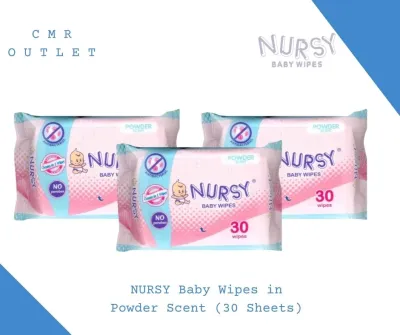
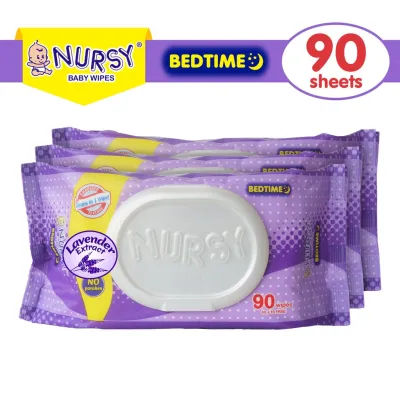
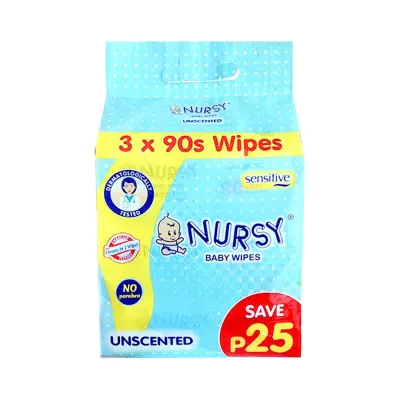
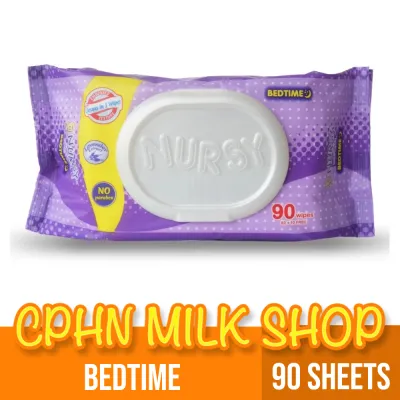
To ensure you are using authentic products, it is important to familiarize yourself with the physical and visual characteristics of genuine Nursy wipes. Start by examining the outer packaging. Authentic packs feature high-quality, crisp printing with vibrant colors and clear, legible text. The manufacturer’s label must include a complete, detailed ingredient list, clear batch codes, and legible manufacturing and expiration dates. These details are typically stamped or printed using precise, industrial machinery, meaning they will not easily smudge or scratch off when rubbed.

The physical properties of the wipes themselves offer another reliable point of comparison. Genuine wipes are made from a soft, durable fabric designed to cleanse gently without tearing easily during use. They maintain an optimal moisture level—they should feel damp and refreshing to the touch, but not excessively dry or dripping with excess liquid. The scent of authentic wipes is typically very mild, clean, or completely fragrance-free, depending on the specific product variant. Additionally, authentic packaging features robust, functional plastic lids and high-quality adhesive seals that keep the wipes airtight and prevent them from drying out.
Red Flags: How to Spot Counterfeit Wipes
Recognizing the warning signs of counterfeit baby wipes can prevent you from making a risky purchase. One of the most common red flags is an unusually low price that seems too good to be true. If a seller offers a pack of wipes for a fraction of the standard retail price—such as listing a large pack for a suspiciously low price like ₱15 when authorized retailers charge significantly more—it is highly likely the product is a counterfeit. While discounts and promotions do occur, extreme price deviations are a primary indicator of unauthorized or fake goods.
Another major warning sign lies in the quality of the packaging presentation. Counterfeit products often exhibit poor print quality, including blurry logos, misaligned text, faded colors, or even obvious spelling mistakes in the product description or ingredient list. If the plastic packaging feels unusually thin, crinkly, or poorly sealed, exercise caution. Upon opening the package, pay close attention to the sensory details. If the wipes have a strong, harsh chemical odor, feel excessively dry, tear apart with minimal tension, or leave a soapy, sticky residue on your hands, stop using them immediately. The absence of critical tracking information, such as a missing batch number or an unreadable manufacturing date, is also a clear sign that the product did not come from an authorized production line.
Finding and Verifying the Nursy Wipes Official Store
Navigating online marketplaces requires a vigilant approach to ensure you are buying directly from authorized channels. When searching for a “nursy wipes official store” on major e-commerce platforms in the Philippines, look for official verification badges. Platforms often designate authorized brand stores with specific tags such as “Mall,” “Flagship Store,” or a verified checkmark next to the seller’s name. These badges indicate that the platform has verified the seller’s business registration and authorization to sell genuine brand products.
Beyond looking for badges, take a moment to inspect the seller’s profile details. Check the store’s age, overall rating, and customer feedback history. A reputable, official store will typically have a high positive rating and thousands of followers. Read through the customer reviews, paying close attention to those that include photos and videos of the received products. Genuine buyers often share their experiences regarding packaging quality and delivery. To be absolutely certain, you can also cross-reference the online store link by visiting the brand’s official social media pages or their official website, which often direct customers to their authorized e-commerce storefronts.
What to Do If You Receive Suspected Fake Wipes
If you suspect that the wipes you received are counterfeit, your first priority must be your baby’s safety. Stop using the wipes immediately to prevent any potential skin irritation, allergic reactions, or infections. Store the suspected package out of reach of children and do not attempt to use them for any personal hygiene purposes. If your baby has already come into contact with the wipes and shows signs of persistent redness, swelling, or discomfort, consult a qualified healthcare professional or pediatrician for proper guidance.
Next, document the evidence to support your claim for a refund. Take clear, well-lit photographs and videos of the product, focusing on the areas that raised your suspicions, such as blurry printing, missing batch codes, or damaged seals. Keep the original shipping pouch and the transaction invoice. Log into the e-commerce platform where you made the purchase and initiate a return or refund request under the platform’s buyer protection program, citing “counterfeit item received” as the reason. Finally, report the suspicious seller listing to the platform administrators to help protect other parents, and consider sending a message to the brand’s official customer service channels to alert them to the counterfeit activity.
Frequently Asked Questions (FAQ)
Can I use suspected fake baby wipes for cleaning surfaces instead of skin?
It is highly discouraged to use suspected counterfeit baby wipes for cleaning household surfaces or toys. Because these products lack regulated quality control, they may contain unknown chemical formulations, industrial solvents, or contaminants that can damage delicate surfaces, strip paint, or leave behind toxic residues. These residues can easily be transferred to your hands or your baby’s toys, posing an accidental ingestion risk. The safest course of action is to safely discard the counterfeit product entirely rather than risk cross-contamination in your home.
Are third-party sellers always selling fake Nursy wipes?
Not all third-party sellers offer counterfeit products, as some may be small, independent retailers selling genuine overstock or parallel imports. However, buying from unauthorized third-party sellers carries a significantly higher risk of receiving expired, improperly stored, or counterfeit items. Official flagship stores remain the safest choice for guaranteed authenticity, as they ensure the products are stored in temperature-controlled environments and adhere to strict quality standards. Purchasing from official channels also ensures you have access to valid customer support and return policies if any issues arise with your order.

Community discussion
Share your experience or ask a question. Comments are reviewed before publication.