
Ensuring your child receives safe, authentic nutrition is a top priority for every parent. In the Philippines, Nido 3 Plus is a popular milk supplement formulated for children aged three years and older. However, the rise of counterfeit products on online marketplaces and unauthorized retail channels has left many parents worried about the safety of the milk they feed their toddlers. Counterfeit milk formulas can pose risks to your child’s nutrition and well-being due to unverified ingredients or unsanitary packaging conditions.
To protect your child, it is essential to know how to verify the authenticity of your purchases. This guide provides practical, step-by-step instructions on performing visual and physical packaging checks, using official manufacturer verification tools, and identifying authorized sellers. By learning how to spot the differences between genuine and counterfeit products, you can make informed, safe purchasing decisions for your family.
Visual and Physical Checks to Spot Fake Nido 3 Plus
When buying milk formula, your first line of defense is a thorough physical inspection of the packaging. Counterfeiters often struggle to replicate the high-quality printing and structural standards maintained by official manufacturers.
Products mentioned in this guide
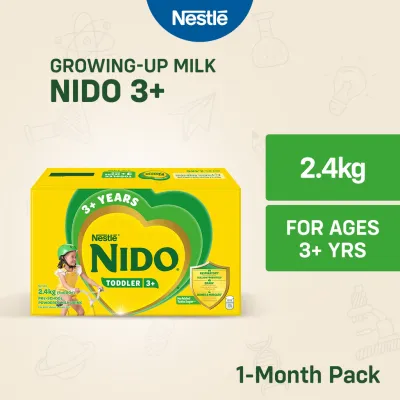
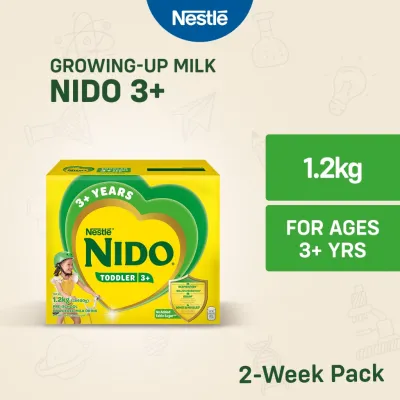
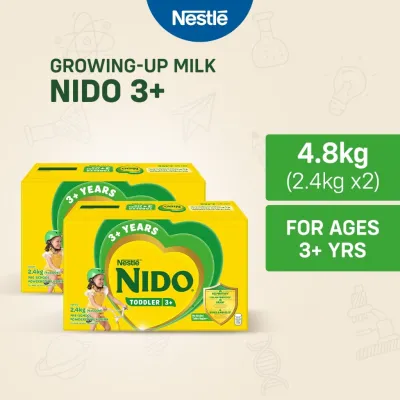
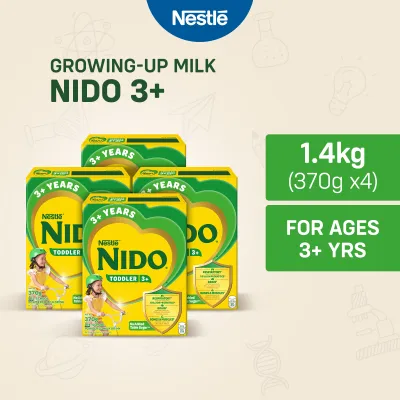
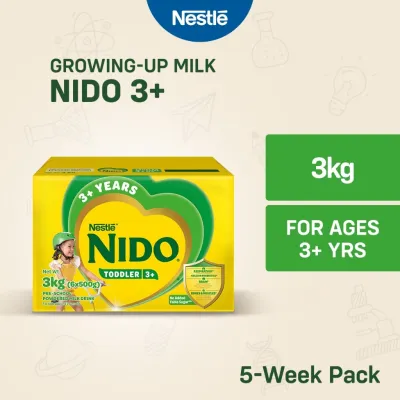
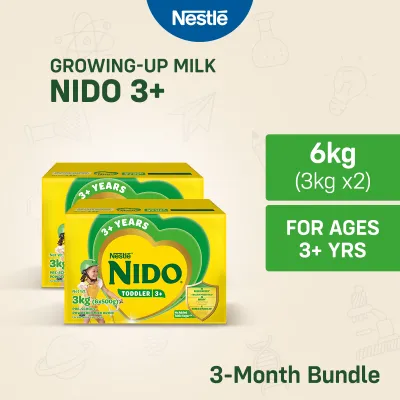
Prices are valid at publication and may change. Please refer to the product page for the latest price.
Start by examining the outer packaging, whether it is a tin can or a foil pouch. Authentic Nido 3 Plus packaging features sharp, vibrant colors, clear text, and perfectly aligned logos. If you notice blurry printing, faded colors, misaligned text, or spelling mistakes, these are strong indicators of a counterfeit product. Additionally, inspect the physical integrity of the container. Authentic tins should be free of dents, rust, or signs of tampering, and the plastic lid should fit securely. For pouches, check that the heat seals are uniform, clean, and completely airtight. In the humid, tropical climate of the Philippines, any compromise in the seal can expose the powder to moisture, leading to spoilage and bacterial growth.
Next, locate the manufacturing date, expiry date, and batch code. On genuine products, these details are typically printed using high-quality, smudge-resistant ink or laser-marking technology. The characters should be clean, evenly spaced, and easy to read. If the print looks smudged, uneven, or appears to have been scraped off and reprinted, do not purchase or use the product.
Once you open the packaging, observe the milk powder itself. Authentic Nido 3 Plus powder has a consistent light cream color, a fine and uniform texture, and a distinct, pleasant milky aroma. It should flow easily without large, hard clumps. If the powder has a yellowish or greyish tint, feels unusually coarse, contains hard clumps that do not easily dissolve, or emits a sour, metallic, or chemical odor, stop use immediately. Always consult a qualified healthcare professional if your child shows any signs of discomfort after consuming milk.
Using Official Verification Tools and Batch Codes
While visual and physical checks are highly useful, sophisticated counterfeiters can sometimes produce convincing packaging. To ensure absolute certainty, you should utilize official verification methods provided by the manufacturer.

Every authentic package of Nido 3 Plus is marked with a unique batch code, which is printed alongside the manufacturing and expiry dates. This code allows the manufacturer to track the product back to the specific factory, production line, and date it was made.
If you are uncertain about the authenticity of a product you have purchased, you can contact the brand’s official consumer care hotline or customer service channels in the Philippines. Provide them with the batch code, expiry date, and details of where you purchased the product. The customer care team can cross-reference this information with their official production database to verify if the batch is legitimate and was officially distributed to the market.
It is important to understand that visual inspections alone have limitations. A counterfeit product might look identical to an authentic one on the outside, but the contents could be entirely different. Therefore, if you notice any discrepancies in the powder’s behavior—such as how it dissolves in water—or if your child refuses to drink it, rely on official manufacturer confirmation before continuing use. Always prioritize safety and verify the product details against the official guidelines provided on the manufacturer’s website.
How to Identify and Buy from Nido 3 Plus Official Stores
The most effective way to guarantee that you are purchasing genuine Nido 3 Plus is to buy exclusively from authorized and official stores. With the convenience of online shopping, many parents turn to e-commerce platforms, but these spaces also host unauthorized third-party sellers.
When shopping on online marketplaces, look for verified seller badges. Official brand stores are typically marked with a “Mall” tag, a verified checkmark, or a specific “Official Store” label. These designations indicate that the platform has vetted the seller’s business credentials and authorized their inventory. Avoid buying from individual, unverified sellers who cannot provide proof of authorization, even if they claim their stock is authentic or sourced from official distributors.
Pricing is another critical indicator of authenticity. Be highly cautious of deals that seem too good to be true. While official stores and authorized supermarkets run legitimate promotions, prices that significantly undercut the standard retail price (SRP) in Philippine Pesos (₱) are major red flags. If a seller is offering Nido 3 Plus at a fraction of the usual retail cost, it is highly likely to be counterfeit, expired, or near-expiry stock that has been tampered with.
To ensure peace of mind, prioritize purchasing your child’s milk formula from established physical supermarkets, reputable drugstores, and major department stores. These retailers have strict quality control measures and secure supply chains directly linked to authorized distributors. If you prefer the convenience of online delivery, only use the brand’s direct flagship stores on verified online marketplaces. Always check the official product documentation for age suitability, preparation instructions, and caregiver supervision guidelines to ensure safe and proper use.
What to Do If You Receive Suspected Counterfeit Milk
If you suspect that you have received a counterfeit package of Nido 3 Plus, take immediate action to protect your child and help prevent others from being affected.
First, stop using the product immediately. Do not attempt to feed it to your child, and do not discard the packaging or the remaining powder. Secure the tin or pouch, the scoop, and any seals in a safe place. This physical evidence is crucial for any subsequent investigation by the manufacturer or consumer protection authorities.
Second, contact the seller or the e-commerce platform where you made the purchase. Request a refund and file a formal complaint against the seller. Provide clear photos of the packaging discrepancies, batch codes, and the powder itself to support your claim. Reporting the suspicious listing helps the platform take down unauthorized sellers and protect other consumers.
Third, report the incident directly to the manufacturer’s consumer care team in the Philippines. They take counterfeit reports seriously and can initiate investigations into unauthorized supply chains. Additionally, you can report the counterfeit product to local consumer protection agencies, such as the Department of Trade and Industry (DTI) or the Food and Drug Administration (FDA) of the Philippines. These agencies have the authority to inspect sellers, seize counterfeit goods, and enforce safety standards.
Frequently Asked Questions (FAQ)
Can I trust online marketplace sellers with high ratings?
High ratings alone do not guarantee that a seller is offering authentic products. Some unauthorized sellers manipulate their ratings through fake reviews or by initially selling genuine items before switching to counterfeit stock. When evaluating reviews, look closely at the written feedback rather than just the star rating. Check for specific customer complaints regarding packaging differences, broken seals, unusual powder texture, or expired dates. If multiple reviews raise concerns about product quality, avoid purchasing from that seller.
Does a lower price always mean the Nido 3 Plus is fake?
A lower price does not automatically mean the product is fake, but extreme discounts should always be treated with suspicion. Legitimate discounts occur during official brand campaigns, holiday sales, or supermarket promotions. To verify if a discount is genuine, cross-reference the offer with announcements on the brand’s official social media pages or authorized retailer websites. If an unverified seller is offering a price significantly below the standard retail price (₱) without any official promotion, it is safer to purchase from an authorized store instead.
Community discussion
Share your experience or ask a question. Comments are reviewed before publication.