
Infant skin is incredibly delicate, thin, and highly permeable. In the tropical climate of the Philippines, where high humidity and heat frequently trigger sweat rashes, dry patches, and eczema, choosing safe skincare is a top priority for parents. Unfortunately, the high demand for premium baby care brands has led to an influx of counterfeit items in online marketplaces and unauthorized physical stalls. Using counterfeit skincare exposes your baby to unregulated chemicals, heavy metals, or bacterial contamination that can cause severe allergic reactions and long-term skin damage.
When shopping online, many parents search for terms like “mustella official” to find legitimate sellers, only to be met with a confusing array of third-party listings using clever keywords to mimic authorized distributors. Distinguishing genuine items from sophisticated fakes requires a careful combination of physical product inspection and strategic purchasing. No single visual indicator guarantees authenticity on its own, meaning parents must learn how to spot packaging red flags and identify authorized retail channels.
Before applying any skincare product, always check the manufacturer’s label for specific age recommendations, weight ranges, and usage instructions, as infant skin needs change from the newborn stage to toddlerhood. Caregivers should supervise all product applications and store bottles safely out of reach of children.
Products mentioned in this guide
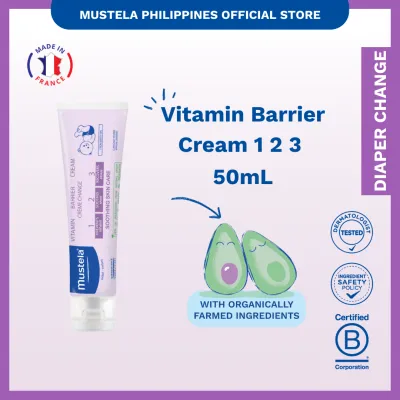
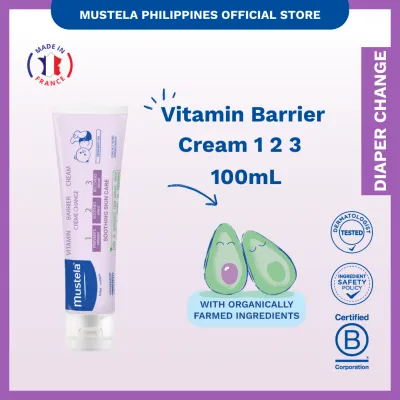
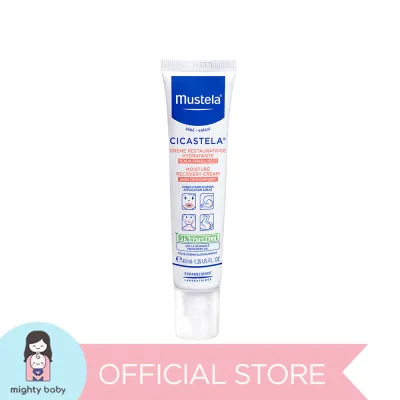
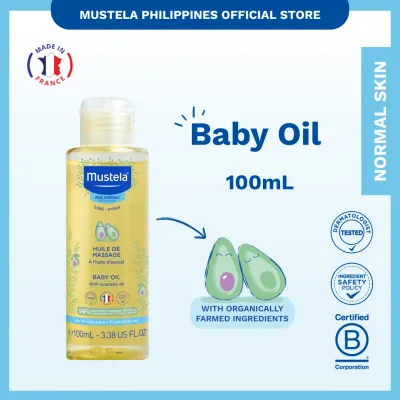
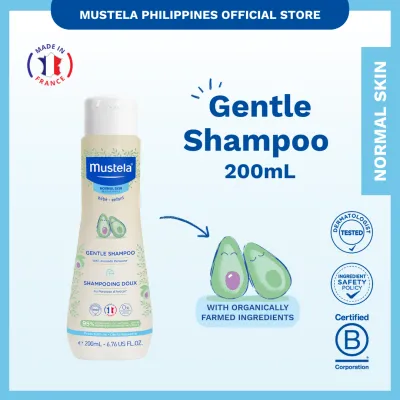
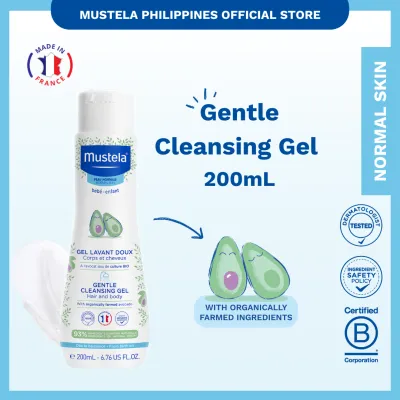
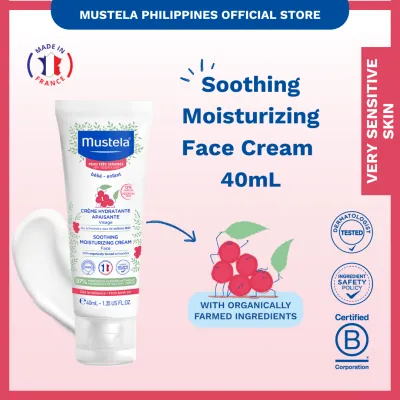
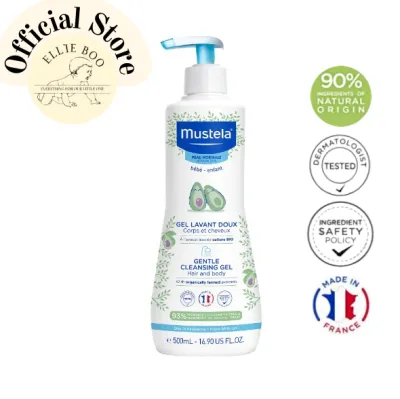
Prices are valid at publication and may change. Please refer to the product page for the latest price.
How to Inspect Mustela Packaging and Product Quality
Evaluating a baby skincare product requires a systematic visual and physical inspection before it ever touches your child’s skin. Counterfeiters have become adept at replicating bottle shapes and label colors, but they often cut corners on manufacturing quality, printing precision, and formulation safety. By examining the packaging details closely, you can identify the subtle discrepancies that set genuine imports apart from illicit imitations.
Packaging, Batch Codes, and Labeling Details
The first line of defense is examining the print quality on the bottle or tube. Authentic packaging features sharp, crisp typography, perfectly aligned logos, and accurate multilingual translations with absolutely no spelling errors. Counterfeit products frequently exhibit blurry text, bleeding ink edges, or slight variations in the brand’s signature blue and white color palette.
Next, locate the batch code and expiration date, which are critical tracking markers for genuine manufacturers. On authentic tubes, the batch code is deeply embossed into the crimped top edge, while on plastic bottles, it is typically printed clearly near the bottom or on the back label. If this code is missing, smudged, easily scraped off with a fingernail, or printed in a generic font, the product is highly suspect.
You should also inspect the safety seals and tamper-evident features. Genuine bottles of cleansing gel and lotion usually come with a plastic clip on the pump dispenser to prevent accidental leaking during transit, or they are sealed with tight shrink wrap. If a product arrives with a loose, poorly fitting cap, or shows signs of prior opening, do not use it.
Keep in mind that manufacturers periodically update their packaging designs, label layouts, and active ingredient highlights to improve user experience or meet local regulatory standards. To avoid false alarms, compare your physical product with the latest high-resolution product images on the official brand website rather than relying on outdated online photos or blog posts from several years ago.
Texture, Scent, and Color Consistency
Once you open the product, pay close attention to its sensory characteristics. Authentic formulations undergo strict quality control to ensure consistent emulsion textures, meaning creams and washes should be smooth, uniform, and free from watery separation or grittiness. If a lotion feels excessively greasy, sticky, or separates into oily layers when squeezed out, it does not meet genuine manufacturing standards.
The scent of the product is another vital indicator of its legitimacy. Authentic fragranced products feature a very specific, delicate, and clean botanical scent derived from natural-origin ingredients like Avocado Perseose. Conversely, counterfeit versions often emit a harsh, overpowering chemical odor or a heavy, artificial perfume smell designed to mask cheap raw materials.
Always prioritize your baby’s safety when evaluating any new skincare item. If the product causes unexpected redness, itching, hives, or any signs of an allergic reaction, stop using it immediately, wash the skin thoroughly with clean water, and consult a pediatrician or qualified medical professional. Never attempt to “wait out” a reaction or assume it is a temporary adjustment period.
Official Verification Methods and Finding a Mustella Official Source
Relying on physical inspection alone can sometimes feel uncertain, especially as counterfeiters improve their packaging replication techniques. To gain absolute peace of mind, parents should utilize direct verification methods and understand the limitations of popular digital tools.

If you are highly suspicious of a product you have purchased, the most reliable verification step is to contact the brand’s local customer service team directly. Take clear, high-resolution photographs of the front and back labels, the embossed batch code, the pump mechanism, and your purchase receipt, and send them to the official local distributor’s customer support email or verified social media accounts. They can cross-reference the batch code with their shipment logs to confirm if the item was imported through their authorized supply chain.
Many parents attempt to use third-party barcode scanning applications on their smartphones, believing a successful scan proves authenticity. However, this is a common misconception; a barcode is simply a static numeric code that counterfeiters can easily copy from a genuine bottle and print onto thousands of fake labels. A successful scan only verifies that the barcode exists in a global product database, not that the physical liquid inside your specific bottle is authentic.
Because of these limitations, you should avoid relying on crowd-sourced authenticity checks, unverified online parenting forums, or independent beauty blogs to validate your purchase. Direct communication with the manufacturer or their designated local distributor remains the only definitive way to confirm a product’s legitimacy when high-stakes infant health is on the line.
Additionally, dynamic facts such as safety certifications, product recalls, or ingredient updates should always be verified through official channels. Do not rely on third-party claims regarding regulatory compliance; instead, check the official websites of local regulatory bodies like the Food and Drug Administration (FDA) of the Philippines for the most accurate and up-to-date safety advisories.
Trusted Channels to Buy Genuine Mustela in the Philippines
The most effective way to protect your baby from counterfeit skincare is to eliminate the risk entirely by purchasing only from authorized, vetted retail channels. Knowing where to shop in the Philippines ensures you receive fresh, properly stored, and genuine products every time.
Authorized Physical Retailers and Pharmacies
When shopping in person, always prioritize established, nationwide health and beauty chains, such as Watsons, or authorized pharmacy counters in major department stores. Reputable supermarket baby aisles and dedicated, high-end baby boutiques are also safe options because these large-scale retailers source their inventory directly from authorized national distributors.
If you are visiting smaller, independent baby specialty stores, do not hesitate to ask the store management for proof of distribution or verification of their wholesale sourcing. Legitimate retailers will gladly assure customers of their supply chain’s integrity.
The primary advantage of buying from physical stores is the invaluable opportunity to inspect the product firsthand before making a payment. You can verify that the safety seals are intact, check that the expiration date leaves ample time for use, and ensure the bottle has not been damaged or exposed to direct sunlight on the shelf.
Official Online Flagship Stores and Direct Websites
For digital shopping, navigating online marketplaces requires extra caution to avoid unauthorized sellers. Always look for verified badges such as “Official Store,” “Mall,” or “Flagship” on major e-commerce platforms, as these designations require sellers to submit official business registration and brand authorization documents to the platform before operating.
Be highly skeptical of third-party marketplace sellers offering steep discounts or prices that are significantly lower than the standard retail price found in physical pharmacies. While flash sales do occur, excessively low prices are a primary red flag for counterfeit goods, expired stock, or damaged items that have been improperly stored in hot, humid warehouses.
The safest online route is to purchase directly from the brand’s official local website or their designated, authorized digital distributors. Buying from these direct-to-consumer channels guarantees that the products are stored in temperature-controlled environments, protecting the delicate botanical active ingredients from the degrading effects of tropical heat.
Steps to Take If You Receive a Suspected Counterfeit
If you suspect that an item you purchased online or from an unauthorized seller is counterfeit, acting quickly can protect other families and help you secure a refund. Do not throw the product away immediately, as you will need it to build a strong case for your dispute.
First, stop using the product on your baby immediately to prevent any potential skin irritation or chemical exposure. Store the bottle safely out of reach of children, keeping all remaining contents, the original shipping box, and any protective packaging completely intact.
Next, document your evidence thoroughly by taking clear, well-lit photos of the suspicious packaging details, the batch code, and any physical defects. Capture screenshots of the original online product listing, the seller’s store page, your order confirmation, and all chat conversations you had with the seller regarding the product’s authenticity.
Submit a formal dispute through the customer support system of the e-commerce platform where you made the purchase, uploading your documented evidence to request a full refund. Most major platforms have strict policies against counterfeit sales and will freeze the seller’s payouts while investigating your claim.
If the online platform fails to resolve the issue, or if your baby experienced an adverse health reaction from using the suspected fake product, escalate the matter by filing a formal complaint with the Department of Trade and Industry (DTI) or the Food and Drug Administration (FDA) in the Philippines. Reporting these incidents helps local authorities track down illicit distributors and remove hazardous counterfeit baby products from the market.
Frequently Asked Questions (FAQ)
Can I trust a Mustela product just because it has a valid barcode?
No, you cannot rely solely on a barcode to prove authenticity. Counterfeiters routinely copy valid barcodes from genuine packaging and print them onto fake bottles, which will still trigger a successful scan on third-party mobile apps. To ensure the product is genuine, you must verify the physical packaging details, batch codes, and purchase only from authorized retailers.
Do authentic Mustela products always have a strong fragrance?
No, authentic formulations do not always have a strong fragrance. The brand offers specialized fragrance-free product lines specifically formulated for newborns, extremely sensitive skin, or eczema-prone skin types. While their classic lines feature a signature, mild botanical scent, any product that emits a harsh, chemical, or heavy artificial perfume smell is likely a counterfeit.

Community discussion
Share your experience or ask a question. Comments are reviewed before publication.