
Why Authenticity Matters for Your Baby's Skin
Sending a balikbayan box filled with baby care products is a labor of love for Overseas Filipino Workers (OFWs) supporting their families back home. Among the most requested items are bulk baby diapers, particularly premium options like MamyPoko XXL pants, which offer comfort for growing toddlers. However, the rising market for counterfeit baby products presents a serious hazard. Counterfeit diapers are not just a waste of hard-earned money; they pose direct threats to a baby’s health. These fake products often utilize substandard, non-breathable plastics, untested industrial adhesives, and low-grade dyes that have not undergone safety evaluations.
In the tropical climate of the Philippines, high heat and humidity amplify the risks of using counterfeit diapers. When a baby wears a non-breathable, fake diaper, sweat and urine are trapped against the skin, creating a warm, damp environment. This rapidly leads to severe diaper dermatitis, painful friction chafing, and secondary bacterial or fungal infections. Because a baby’s skin barrier is exceptionally thin and sensitive, exposure to unregulated chemical residues in fake diapers can trigger allergic contact dermatitis or systemic irritation. For OFWs, conducting thorough authenticity checks on bulk purchases before shipping them across the ocean is a critical step in protecting their children from severe discomfort and skin conditions.
Where to Buy Authentic MamyPoko XXL Pants in Bulk
To avoid the risk of sending counterfeit goods home, the first line of defense is choosing secure purchasing channels. When buying MamyPoko XXL pants in bulk, always prioritize official brand websites, authorized physical supermarkets, or verified flagship stores on major e-commerce platforms. Authorized distributors maintain strict supply chain controls, ensuring that the products are stored in hygienic environments before they reach your hands.
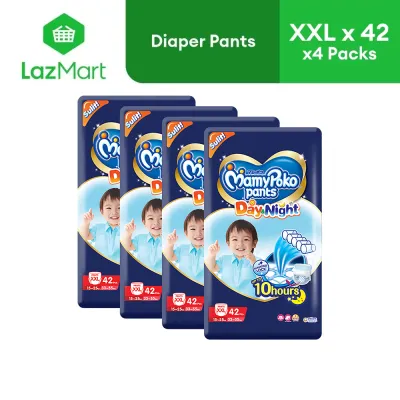
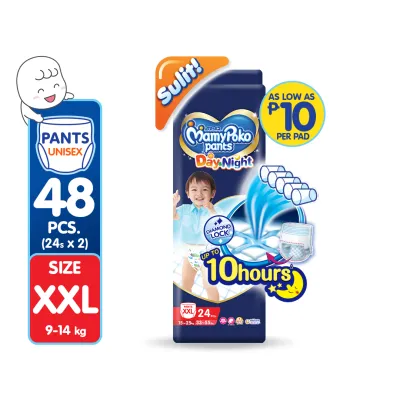
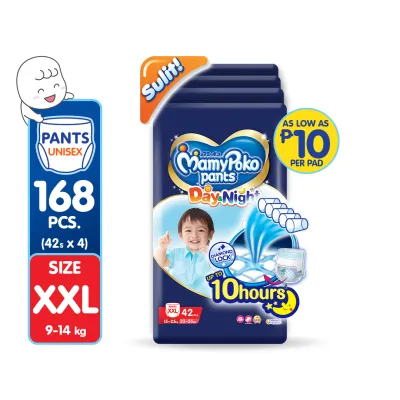
Products mentioned in this guide
![[DUO PACK] Mamypoko Bye Bye Lamok Disposable Pants Diaper - XXL (22pcs + 2 Free) x 2 Packs](https://img.lazcdn.com/g/p/7df5aa88350464c812bcde3a9e91300e.png_400x400q80.png_.webp)
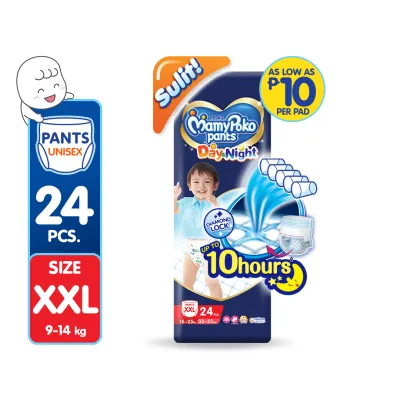
![Mamy Poko [XXL] Day & Night Pants Diaper (24pcs)](https://img.lazcdn.com/g/p/012ed0d9b935c44dd54018867a255099.jpg_400x400q80.jpg_.webp)
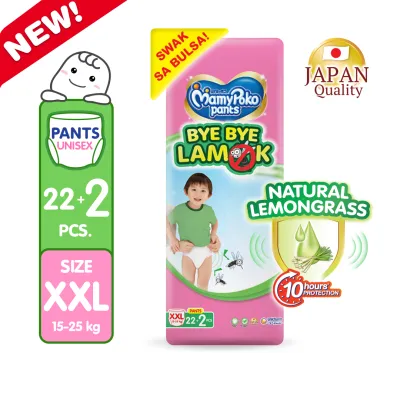
Prices are valid at publication and may change. Please refer to the product page for the latest price.

Avoid purchasing bulk diaper boxes from unverified third-party sellers, social media marketplace groups, or independent classified ads. These sellers often lure buyers with wholesale prices that are significantly lower than the standard retail price. While saving money is important for OFWs, deals that seem too good to be true usually are. Counterfeit operations frequently use social media channels to liquidate bulk stocks of fake diapers that do not meet basic quality standards.
When shopping on online marketplaces, look closely at the seller’s profile. Verify that the store carries an official brand badge, such as a “Mall” or “Verified Seller” tag, which indicates the platform has vetted their business registration. Additionally, read recent customer reviews carefully. Do not just look at the overall star rating; filter the feedback to read low-star reviews. Look specifically for complaints regarding unexpected leaks, chemical smells, unusually stiff materials, or reports of babies developing sudden rashes. If multiple buyers mention that the diapers feel different from previous purchases or lack absorbency, avoid the seller entirely.
Key Differences Between Genuine and Counterfeit MamyPoko Pants
Identifying counterfeit diapers requires a keen eye and a systematic inspection of both the outer packaging and the individual diapers inside. Because counterfeiters continuously update their manufacturing processes to mimic authentic designs, relying on a single visual flaw is rarely sufficient. Instead, you must evaluate multiple physical, tactile, and functional indicators to confirm whether the product is genuine.
Packaging and Labeling Details
The outer plastic packaging is often the first giveaway of a counterfeit product. Authentic MamyPoko packaging features high-resolution, crisp printing with vibrant colors that do not bleed or appear faded. The character illustrations, including the brand’s mascot Poko Chan, should be sharp and clearly defined. On counterfeit packaging, the graphics are often scanned and reprinted, resulting in blurry edges, pixelation, or slightly distorted colors that look washed out.
Pay close attention to the text, labeling, and brand logos. Genuine packaging will have perfectly aligned text, correct spelling of all brand names (such as “MamyPoko” and the parent company “Unicharm”), and clear, legible instructions. Counterfeits frequently exhibit minor typographical errors, inconsistent font sizes, or poorly translated safety warnings.
Furthermore, check the manufacturing and expiration dates printed on the pack. Authentic packs use clear, precise laser-printing or inkjet-printing methods for batch codes and dates, which are easy to read and do not easily rub off. Counterfeit packs may have smudged, crooked, or entirely missing date codes. The plastic wrapping itself should feel thick and durable, with clean, professional heat seals along the seams. Flimsy plastic that tears too easily or has rough, unevenly melted edges is a common indicator of manual packaging in unauthorized facilities.
Material Quality and Absorbency
Once you open a pack, the physical texture of the diapers will provide immediate clues. Authentic MamyPoko pants are crafted with high-quality, non-woven fabrics designed to feel soft, breathable, and cloth-like to the touch. This ensures comfort and minimizes friction against a toddler’s skin. In contrast, counterfeit diapers often feel stiff, rough, or excessively plasticky, resembling cheap synthetic sheets rather than soft cotton.
Inspect the inner absorbent core of the diaper by holding it up to a bright light source or gently feeling it with your hands. The absorbent core of a genuine diaper is evenly distributed throughout the pad to ensure consistent moisture locking. Counterfeit diapers often have unevenly distributed filling, with noticeable clumps, empty gaps, or loose paper fluff that shifts when the diaper is handled.
Odor is another critical factor to check. Genuine diapers are virtually odorless or have a very mild, clean scent if they are a scented variety. Counterfeit diapers often emit a strong, unpleasant chemical odor, which is typically a byproduct of industrial bleaching agents, cheap adhesives, or poor storage conditions in damp warehouses. If you detect a sharp chemical or musty smell upon opening the package, do not place the diaper on a child’s skin.
Sizing and Fit for XXL
The XXL size is specifically designed for older toddlers who are highly active. To ensure comfort and prevent leakage, authentic MamyPoko XXL pants feature highly elastic, multi-strand waistbands and leg gathers that stretch smoothly to accommodate the child’s movements. Before using or packing them, verify the manufacturer’s recommended weight and size range printed on the packaging, as these specifications can vary slightly depending on the regional market of origin.
Counterfeit diapers in XXL sizes often suffer from poor construction and inaccurate sizing. They frequently run much smaller than genuine XXL pants, fitting more like a medium or large size. The elastic bands used in fakes are often stiff, dry, or made of single-strand rubber that snaps easily when stretched. This lack of elasticity means the diaper will not contour properly to the baby’s body, leading to immediate sagging and leaks.
Additionally, examine the protective leg cuffs (gathers). Authentic diapers have a double-layered barrier that stands upright to catch liquid, whereas counterfeits often have flat, flimsy leg cuffs that fail to provide any real leak protection, resulting in frequent messes and skin chafing around the thighs.
Step-by-Step Verification Before Sealing Your Balikbayan Box
Because shipping a balikbayan box from abroad to the Philippines can take several weeks or even months, discovering that you have sent counterfeit diapers after the box has arrived is incredibly frustrating. To prevent this, implement a strict inspection workflow before you tape up your cargo box.
First, do not ship bulk orders completely sealed without checking them first. Open at least one pack from your bulk purchase to inspect the contents. It is far better to send a neatly taped, verified open pack than to ship multiple sealed packs of unusable, hazardous counterfeits.
Second, take out several individual diapers from different areas of the pack. Verify that the “XXL” size indicator is clearly printed on each diaper and matches the outer packaging. The designs on the diapers should be consistent in color and alignment.
Third, conduct a simple water absorption test at home. Pour approximately 150 to 200 milliliters of water onto the center of a single diaper. An authentic MamyPoko diaper will absorb the liquid rapidly, distributing it evenly across the core, and the top sheet should feel dry to the touch within a couple of minutes. If the water pools on the surface, leaks out of the sides, or causes the absorbent core to collapse into heavy, saggy clumps, the diaper is counterfeit.
Finally, keep your physical purchase receipts or save digital invoices. Take clear, high-resolution photographs of the outer packaging, the printed batch codes, the individual diaper designs, and the seller’s store details. Having this documentation ready is essential if you need to request a refund or file a dispute with the e-commerce platform while your balikbayan box is in transit.
What to Do If You Suspect You Bought Counterfeit Diapers
If your physical inspection or water test leads you to believe that the MamyPoko XXL pants are counterfeit, take immediate action to protect both your family’s health and your financial interests.
First, stop using the diapers immediately. Never attempt to use up a suspected counterfeit pack, even for short daytime periods, as the chemical irritants and lack of breathability can cause severe skin damage very quickly. If the child has already worn one of the diapers and shows signs of a persistent rash, skin peeling, or extreme discomfort, stop using the product and consult a pediatrician or a qualified healthcare professional right away.
Next, initiate a return or refund request through the platform where you purchased the diapers. Upload the photos you took during your inspection, highlighting the blurry printing, uneven core distribution, or failed water test. Report the seller’s listing to the e-commerce platform’s customer support team to prevent them from selling fake goods to other unsuspecting families.
Finally, you can reach out to the official customer service channel of Unicharm or MamyPoko in your local region. Provide them with the batch codes and photos of the packaging. While they cannot issue refunds for purchases made through unauthorized third-party sellers, they can verify if the batch code is authentic and take legal action against the counterfeit distributors.
Frequently Asked Questions (FAQ)
To help you quickly navigate the bulk-buying process and ensure your balikbayan box contains only genuine products, here are answers to common questions regarding diaper authenticity.
Can I rely solely on the price to identify fake MamyPoko pants?
No, you cannot rely entirely on the price to determine if a product is genuine. While an incredibly low price—such as a bulk deal offered at 50% below the standard retail price—is a major warning sign, counterfeiters have become more sophisticated. Many dishonest sellers now price counterfeit diapers only slightly below the standard retail price (SRP) to make the deal look like a legitimate discount or holiday promotion. Therefore, while price is an important warning indicator, you must always combine it with physical packaging inspections, material checks, and absorbency tests to ensure the product is safe for your baby.
Do genuine MamyPoko XXL pants have a specific batch code I can scan?
Authentic MamyPoko packs are printed with unique manufacturing and batch codes, usually located on the bottom or side of the plastic packaging. However, you should not rely on generic QR code or barcode scanning apps downloaded from mobile app stores to verify authenticity. These generic apps simply read the barcode number and search the internet for matching product listings, which counterfeiters can easily copy from genuine packaging. To verify a batch code accurately, cross-reference the code format with the official MamyPoko or Unicharm customer service guidelines, or contact their regional support team directly to confirm if the batch code matches their official production records.
Community discussion
Share your experience or ask a question. Comments are reviewed before publication.