
Ensuring your child receives authentic, high-quality nutrition is a top priority for every parent. When buying formula milk like Lactum 3 Plus—which is specifically formulated for children aged 3 years old and above—verifying the authenticity of the product is essential for their health and development. Caregivers must always verify specific age suitability, weight guidelines, and preparation instructions from the official product documentation before feeding.
To spot fake products, you must combine careful seller verification with a thorough physical inspection of the packaging, label, and powder. While no single visual marker can guarantee authenticity on its own, buying exclusively from authorized channels and knowing how to inspect the product will help protect your family. Purchasing from a lactum 3 plus official store or authorized distributor is the most reliable way to ensure you are getting a genuine product. This guide outlines the practical steps you can take to verify your purchase, from checking the physical tin to tracking batch numbers directly with the manufacturer.
The Risks of Counterfeit Formula Milk
Counterfeit formula is manufactured without regulatory oversight, proper quality control, or sanitary standards. It may contain incorrect ratios of essential nutrients, completely lack vital vitamins, or introduce harmful contaminants like heavy metals, bacteria, or industrial chemicals. Because young children have sensitive digestive systems and developing immune systems, consuming compromised formula poses severe health risks.
Products mentioned in this guide
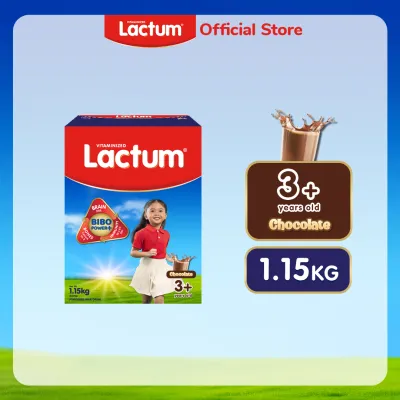
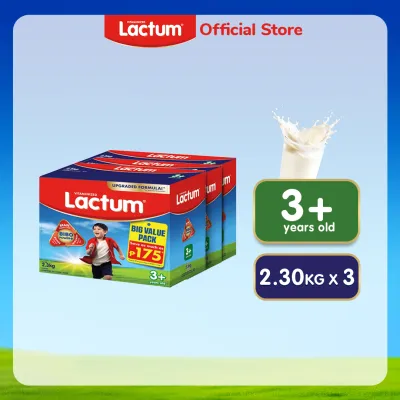
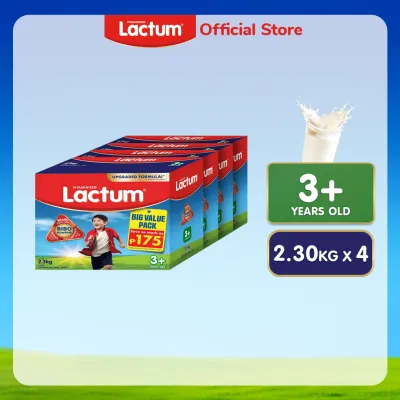
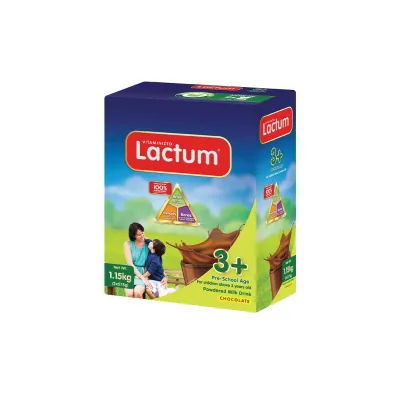
Prices are valid at publication and may change. Please refer to the product page for the latest price.
Visual inspection and purchasing strictly from authorized channels are your primary defenses for child safety and peace of mind. Relying on a single check is risky; a comprehensive approach ensures that you do not accidentally feed your child a compromised product. By understanding the physical and digital markers of genuine formula, you can make informed decisions every time you shop.
Furthermore, tampered or counterfeit products may have been stored in sub-optimal conditions, exposing the milk powder to high humidity and heat. In tropical climates like the Philippines, improper storage accelerates spoilage, leading to mold growth or nutrient degradation. Protecting your child requires a proactive strategy that begins before you even make a purchase.
Where to Buy: Identifying a Lactum 3 Plus Official Store and Authorized Sellers
Differentiating between authorized physical retailers and unauthorized vendors is the first step in securing genuine formula. Authorized physical retailers in the Philippines include major supermarket chains, such as SM Supermarket, Robinsons Supermarket, and Puregold, as well as established drugstores like Mercury Drug and Watsons. These retailers source their inventory directly from authorized distributors, maintaining strict quality control and temperature-regulated storage conditions.

Conversely, purchasing from unauthorized street vendors, unverified pop-up stalls, or public market stalls carries a high risk. These sellers often lack proper business registrations and cannot verify the origin of their stock. They may unknowingly sell counterfeit goods or products that have expired and been repackaged.
When shopping on major e-commerce platforms, always look for verified flagship stores. These stores are typically marked with “Mall” or “Official” badges, indicating that the platform has verified the brand’s registry. Always check the seller’s business registration details if available, and read recent buyer reviews. Pay close attention to reviews that specifically mention product authenticity, packaging quality, and delivery condition, rather than just shipping speed.
Advise against buying from unverified social media sellers, third-party resellers, or online listings offering prices significantly lower than the standard market rate. If a 1.2kg or 1.6kg tin of Lactum 3 Plus is sold at a steep discount—such as 30% to 50% below the standard retail price of around ₱600 to ₱900 depending on the size—treat it as a major warning sign. Authentic formula pricing remains relatively consistent across authorized channels; extreme discounts are a classic red flag for counterfeit or expired goods.
Additionally, check the seller’s overall rating and the history of the store. Official stores usually have high positive ratings and a long-standing presence on the platform. Be cautious of stores that have generic, random-character names or those that have only been active for a few weeks. Counterfeiters frequently set up temporary online storefronts, sell off fake inventory quickly, and shut down before authorities or platform administrators can intervene.
Packaging and Label Checks: Authentic vs. Fake Lactum 3 Plus
Tin Can and Seal Integrity
Genuine Lactum 3 Plus is packaged in a high-quality tin can with a smooth, unblemished surface. The branding colors, including the signature green and yellow shades, should be consistent and vibrant. Check the outer plastic shrink wrap around the lid; it must be tight, even, and properly aligned without wrinkles, tears, or signs of reheating.
When you open the plastic lid, inspect the inner foil seal. An authentic foil seal is firmly attached to the rim, shows no signs of re-gluing, and features a clean, sturdy pull-tab mechanism. If the foil feels loose, looks wrinkled, or has adhesive residue around the edges, do not use the powder.
Additionally, examine the plastic lid itself. It should fit snugly over the tin without being overly loose or difficult to snap into place. Any signs of scratches, tool marks, or pry marks around the rim of the lid or the top of the tin suggest that the container may have been opened, tampered with, or refilled with inferior powder.
In the tropical climate of the Philippines, high humidity can quickly rust compromised tin cans. Inspect the seams of the tin, especially at the bottom and sides, for any signs of rust or corrosion. A genuine, properly stored tin will have clean, rust-free seams that protect the powder from moisture ingress.
Label Print Quality and Typography
Counterfeiters often struggle to replicate the high-resolution printing processes used by official manufacturers. Compare the print quality of the label carefully. Authentic labels feature sharp, clear text, accurate nutritional tables, and precise typography. Look closely at the logo, ingredient list, and feeding guide.
Common counterfeit flaws include blurry or fuzzy text, misspellings, pixelated graphics, and inconsistent font weights. For example, check if the nutritional information table has misaligned grid lines or overlapping text. Counterfeit labels are often printed on cheap paper or low-grade adhesive vinyl, which may feel rough or peel off easily at the edges.
Additionally, verify that the mandated regulatory markings, such as the Food and Drug Administration (FDA) registration details, are present and match the official standards for the Philippine market. While these markings are dynamic and subject to change, you can cross-reference the registration numbers on the official FDA verification portal to ensure they are active and valid.
Pay close attention to the language used on the label. Authentic products distributed in the Philippines will feature English and occasionally local language text that is grammatically correct and matches the official brand layout. If you notice unusual foreign characters or translations that seem out of place for the local market, the product may be an unauthorized parallel import or a complete counterfeit.
Powder Texture and Aroma (Post-Purchase)
Once you open the tin, observe the sensory characteristics of the powder. Genuine Lactum 3 Plus powder has a uniform, light-yellowish cream color, a fine and consistent texture, and a pleasant, natural milky scent. It should scoop easily without excessive resistance or sticking to the scoop.
Be alert to warning signs such as severe clumping, unusual dark or off-color specks, a gritty or sandy texture, or a strong chemical, metallic, or stale odor. These anomalies indicate poor storage, moisture penetration, tampering, or the use of counterfeit ingredients.
When mixing the powder with water, observe how it dissolves. Genuine formula dissolves predictably when following the manufacturer’s preparation instructions. If the powder forms hard, insoluble lumps, leaves an unusual oily film on the surface of the water, or separates rapidly after mixing, stop using the product immediately.
Keep in mind that minor variations in powder color can occasionally occur due to seasonal changes in milk sourcing, but these variations are subtle. Any drastic deviation from the familiar milky aroma or a chalky appearance should be treated with extreme caution. Always prioritize your child’s safety and consult a professional if you are unsure.
Official Verification and Batch Tracking
Locate the batch number, manufacturing date, and expiry date printed on the bottom of the tin. In authentic products, these details are typically laser-etched or printed using high-quality ink that does not easily smudge or rub off when you run your finger over it. If the text is easily wiped away, blurry, or printed on a sticker instead of directly on the tin, the product is highly suspect.
You can cross-reference these details by contacting the manufacturer’s official customer service hotline or email address, which is printed on the back of the packaging. Provide them with the batch number and expiry date to verify if it matches their production records. This is one of the most definitive ways to confirm authenticity, as counterfeiters cannot register fake batch numbers in the manufacturer’s official database.
Some packaging may feature QR codes or tracking codes designed for traceability. When scanning these codes, always verify the URL of the landing page. Counterfeiters can generate QR codes that link to spoofed, lookalike websites designed to mimic the official brand’s verification system. Ensure the domain name matches the official brand website exactly before trusting the verification result.
It is also wise to check for active product recalls or safety alerts issued by the manufacturer or the Food and Drug Administration. While recalls are rare, staying informed about official announcements ensures that you are aware of any batches that have been flagged for quality issues, helping you maintain a safe feeding routine for your child.
When contacting customer support, note down the response time and the specific details they request. Legitimate customer care agents will ask for clear photos of the bottom of the tin, the purchase receipt, and the store name. They can quickly cross-reference this data with their distribution logs to tell you exactly which distributor handled that specific tin.
Action Plan: What to Do If You Suspect a Counterfeit Product
If you suspect that the formula you purchased is counterfeit, follow this clear protocol to protect your child and report the incident:
Step 1: Stop feeding immediately. Cease using the product right away. If your child has already consumed the formula and shows any unusual symptoms—such as vomiting, diarrhea, skin rashes, fever, or extreme fussiness—consult a pediatrician or a qualified healthcare professional promptly. Do not wait for symptoms to worsen before seeking medical advice.
Step 2: Preserve the evidence. Do not throw away the product, packaging, or receipt. Keep the tin, the plastic lid, the inner foil seal, the remaining powder, and your proof of purchase intact. These items are crucial for investigation, reporting, and securing a refund. Store the compromised tin in a secure place out of reach of children.
Step 3: Report the incident. Contact the customer service department of the physical store or report the seller directly to the ecommerce platform’s customer support to prevent other parents from purchasing from them. Additionally, notify the official brand manufacturer through their verified hotlines or official social media channels, providing clear photos of the batch details and packaging anomalies. You can also file a report with the Food and Drug Administration (FDA) to initiate regulatory action against the seller.
By taking swift action, you not only protect your own child but also help safeguard the wider community of parents who rely on genuine nutritional products. Prompt reporting enables platforms to take down fraudulent listings and helps authorities track down illicit distribution networks operating in the country.
Frequently Asked Questions (FAQ)
Can I rely solely on a barcode scanner app to verify Lactum 3 Plus?
No, you should not rely exclusively on standard barcode scanner apps. These apps simply read the printed Universal Product Code (UPC) or European Article Number (EAN) on the packaging. Because barcodes are static graphic patterns, counterfeiters can easily copy and print a genuine barcode onto fake packaging. Always combine barcode checks with physical inspections of the seal, label quality, and batch tracking.
For reliable verification, use the batch code tracking method or purchase strictly from a verified official store, as these channels offer direct accountability that a simple barcode scan cannot provide.
Is a slightly dented tin can a sign of counterfeit formula?
Not necessarily. Minor dents can occur during shipping, transit, or handling in warehouses and retail stores. If the outer plastic shrink wrap and the inner foil seal are completely intact, and the tin is not rusted, punctured, or leaking, the formula inside is generally safe to use.
However, if the damage is severe, causes the tin to bulge, or compromises the airtight seal, return the product to the seller immediately and do not feed it to your child. A compromised seal allows moisture and bacteria to enter, spoiling the powder and posing health risks.
Community discussion
Share your experience or ask a question. Comments are reviewed before publication.