
To ensure you are using genuine EQ wipes on your baby, you must verify the packaging details, inspect the physical wipe quality, and purchase exclusively from verified official stores or authorized retail partners. Counterfeit baby products pose a significant risk to infant health, making vigilance essential for every parent. In the Philippines, where high heat and humidity can easily trigger diaper rash, using authentic, dermatologically tested products is crucial for maintaining your baby’s skin health. If your baby develops a persistent rash, redness, or signs of skin irritation, stop using the product immediately and consult a pediatrician or qualified healthcare professional.
Why Authentic EQ Wipes Matter for Your Baby's Skin
The tropical climate in the Philippines naturally increases the risk of diaper rash and skin chafing for infants. Authentic baby wipes are formulated with mild, carefully selected ingredients designed to cleanse sensitive skin without stripping its natural moisture barrier. These genuine products undergo rigorous quality control to ensure they are free from harmful contaminants and safe for daily use.
Counterfeit wipes, on the other hand, are produced in unregulated environments without any quality oversight. They may contain harsh industrial chemicals, unapproved preservatives, or high bacterial counts due to contaminated water sources. Using these unauthorized products on sensitive areas can lead to severe contact dermatitis, painful chemical burns, or secondary bacterial infections.
Products mentioned in this guide
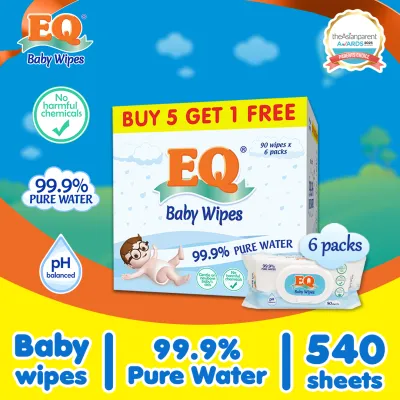
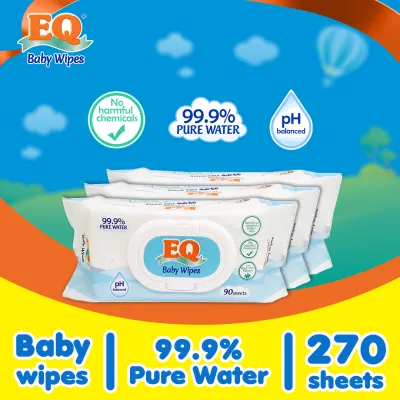
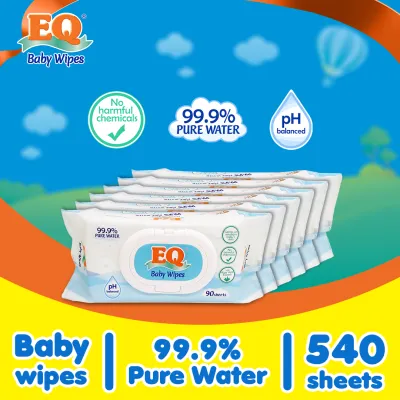
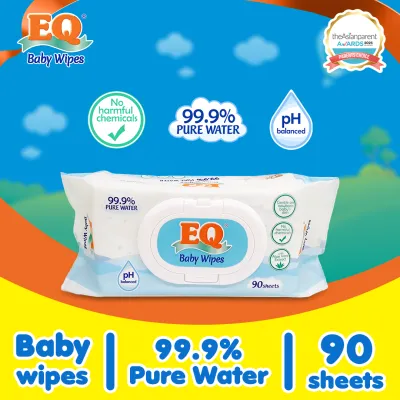
Prices are valid at publication and may change. Please refer to the product page for the latest price.
Because EQ is a highly trusted and widely used brand among Filipino families, counterfeiters frequently target its popular product lines. They exploit the brand’s reputation by replicating the packaging to sell cheap, unsafe imitations to unsuspecting parents. Prioritizing product verification is the first line of defense in protecting your baby’s delicate skin.
Physical Checks: Comparing Genuine and Suspected Fake Wipes
Inspecting the physical product and its packaging is one of the most effective ways to identify potential counterfeits before they touch your baby’s skin. Start by examining the packaging quality. Genuine EQ wipes feature crisp, high-resolution printing where text is perfectly legible, colors are vibrant, and brand logos are precisely aligned. Counterfeit packaging often displays blurry text, faded colors, or misaligned graphics.

Next, feel the plastic material of the packaging. Genuine packs use a thick, durable plastic barrier designed to retain moisture and protect the wipes from external contamination. Fake packs often feel thin, crinkly, or easily punctured. Pay close attention to the plastic resealable lid or adhesive sticker. The adhesive on genuine packs is designed to open and close repeatedly without losing its grip, while fake packs may have weak adhesive that dries out quickly or a poorly fitted plastic lid that leaks.
The texture and moisture of the wipes themselves are also key indicators. When you pull a wipe from a genuine pack, it should feel soft, thick, and adequately moistened with a mild, clean scent or no scent at all. Suspected counterfeits often feel unusually thin, rough, or paper-like, tearing easily when pulled. They may also be dry to the touch or dripping with an excessively watery fluid that smells strongly of alcohol, cheap perfume, or harsh chemicals.
Finally, check the expiration dates and batch codes. Legitimate manufacturers stamp clear, legible batch codes and expiration dates onto the packaging, typically on the back or bottom seam. These codes are usually printed using a precise inkjet process or embossed directly into the plastic seal. On counterfeit packs, these details might be completely missing, smudged, printed in an incorrect font, or easily rubbed off with a wet finger. Always verify the specific ingredients, safety certifications, and manufacturer warnings printed on the product packaging before use.
Verification Methods: Confirming Authenticity
If physical inspection leaves you uncertain, you can employ several verification methods to confirm the product’s origin. Start by looking for any official security features, such as specific QR codes, holographic stickers, or unique batch tracking numbers on the packaging. While not all product lines feature holograms, checking for these details against the official packaging guidelines is a reliable first step.
Another effective method is to contact the brand’s official customer service channel directly. You can find their official social media pages or contact details on their official website. Provide them with clear, high-resolution photos of the product’s front and back, the batch code, the expiration date, and details of where you purchased the item. The manufacturer can cross-reference the batch code with their production logs to verify if that specific batch was ever produced and distributed.
Additionally, keep a genuine pack of EQ wipes from a trusted supermarket to use as a baseline. Lay the suspected pack side-by-side with the known genuine pack. Compare the exact dimensions of the packaging, the placement of the barcode, the ingredient list formatting, and the manufacturer’s address details. Any discrepancy in the spelling of ingredients, company names, or contact addresses is a clear sign of a counterfeit product.
Finding the EQ Wipes Official Store and Safe Buying Channels
The most reliable way to avoid counterfeit products is to purchase directly from the EQ wipes official store or authorized flagship stores on major ecommerce platforms. When shopping online, look for the platform’s official verification badges—such as “Mall” or “Official Store” tags—which indicate that the seller’s business credentials and product authenticity have been vetted by the platform. Avoid buying from unverified third-party sellers, even if they claim to sell “authentic overruns” or “export quality” items.
Be highly skeptical of listings that offer prices significantly lower than the standard retail price. If a deal seems too good to be true, such as a bulk pack sold for a fraction of its usual cost, it is highly likely to be a counterfeit. Check the seller’s profile for red flags: look for low overall ratings, a high volume of negative reviews complaining about fake products or skin rashes, and a lack of clear business registration details.
For absolute peace of mind, prioritize buying your baby essentials from established physical retailers. Major supermarkets, department stores, and dedicated baby specialty shops in the Philippines source their inventory directly from authorized distributors. While online shopping offers convenience, purchasing from reputable physical stores eliminates the risk of receiving counterfeit goods.
Steps to Take If You Receive a Suspected Counterfeit
If you suspect that the wipes you purchased are fake, stop using them on your baby immediately. Do not risk even a single use, as chemical irritants can cause immediate discomfort and long-term skin issues. Store the suspected pack safely out of reach of children so it is not accidentally used by other family members.
Next, initiate a return and refund request through the ecommerce platform where you made the purchase. Document your claim thoroughly by taking clear photos and videos of the packaging defects, the blurry printing, or the unusual wipe texture. Most major online marketplaces have robust buyer protection policies that cover counterfeit items, provided you report the issue within the return window.
Finally, report the suspicious seller to both the ecommerce platform’s customer support and the official EQ brand representatives. Sharing the seller’s store name, product link, and your purchase details helps the brand take legal action and assists the platform in banning fraudulent storefronts, protecting other parents from making the same mistake.
Frequently Asked Questions (FAQ)
Can I use suspected fake wipes for cleaning surfaces instead of my baby's skin?
No, you should not use suspected counterfeit wipes to clean household surfaces, toys, or baby gear. Counterfeit wipes are manufactured without regulatory oversight, meaning they may contain harmful industrial chemicals, mold, or high levels of bacteria. When you wipe down household surfaces, high chairs, or toys, these unverified chemicals and contaminants can leave a residue. Your baby can easily ingest these residues through hand-to-mouth contact or touch them, leading to skin irritation or accidental chemical exposure. The safest course of action is to discard the suspected counterfeit wipes entirely to prevent any accidental contact.
How can I verify if an online seller is an authorized EQ distributor?
To verify if an online seller is an authorized distributor, you can start by asking the seller directly for their official authorization certificate or proof of wholesale purchase from the brand’s parent company. Legitimate distributors are usually willing to provide this documentation to reassure customers. You can also cross-check the seller’s registered business name against the list of authorized distributors, which is often available on the brand’s official website or can be confirmed by contacting their customer service team. If the seller refuses to provide proof or gives vague answers, it is best to avoid purchasing from them.
Community discussion
Share your experience or ask a question. Comments are reviewed before publication.