
Ensuring the authenticity of dietary supplements is a primary concern for parents in the Philippines, where online marketplaces have become the go-to source for pediatric wellness products. When purchasing childlife multivitamins online, verifying that you are receiving a genuine product is essential for your child’s health. Counterfeit liquid vitamins can easily bypass basic visual checks if you do not know what specific details to look for. By learning how to evaluate online sellers, inspect physical packaging, and identify product consistency, you can confidently protect your family from fraudulent goods.
Why Authenticity Matters for Baby Vitamins
Administering unverified supplements to infants and toddlers carries significant health risks that every caregiver must take seriously. Counterfeit products are entirely unregulated, meaning they may contain undeclared, low-grade, or outright harmful ingredients. Because these products do not undergo official quality control, there is no guarantee that the liquid inside is sterile or safe for consumption.
Inaccurate nutrient dosages present another major hazard. A fraudulent liquid multivitamin might contain excessive amounts of certain fat-soluble vitamins, which can lead to toxicity in a young child’s developing system. Conversely, a counterfeit product might contain zero active nutrients, leading to undetected nutritional deficiencies if you are relying on the supplement to fill dietary gaps.
Products mentioned in this guide
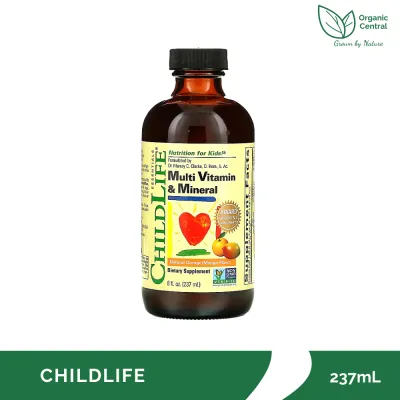
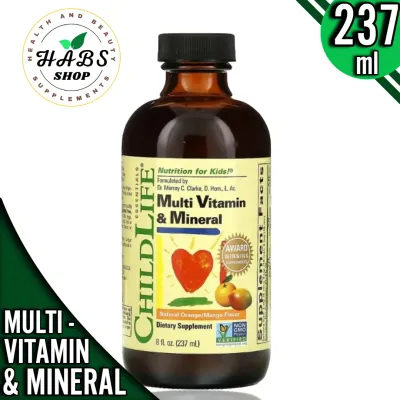
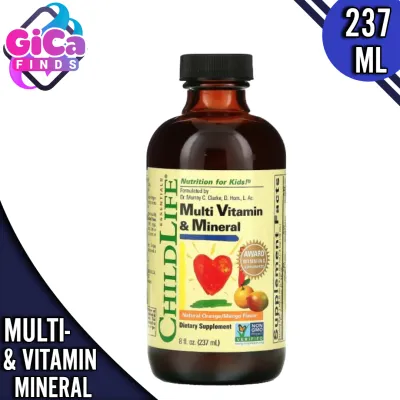
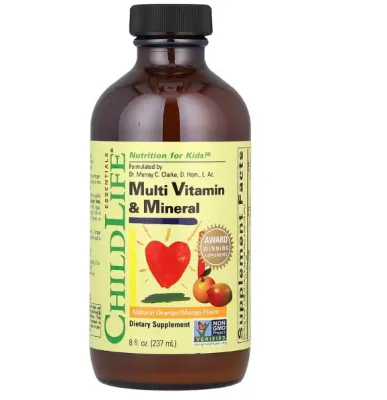
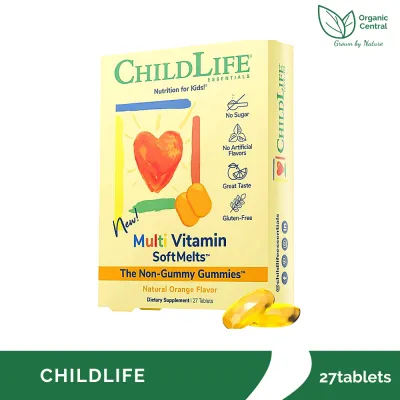
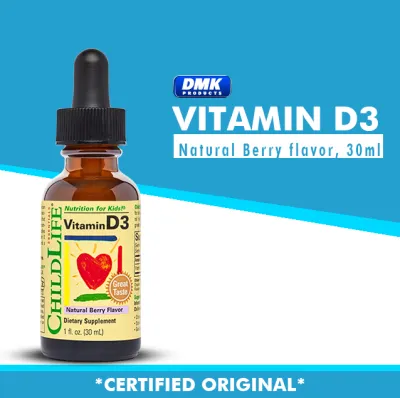
Prices are valid at publication and may change. Please refer to the product page for the latest price.
Furthermore, counterfeit manufacturing operations do not adhere to strict sanitary standards. Contamination from dust, heavy metals, or harmful bacteria can easily occur during the mixing and bottling processes of unauthorized facilities. Because babies and young children have sensitive digestive systems and developing immune systems, consuming contaminated liquids can lead to severe gastrointestinal distress or systemic infections. Always consult a qualified pediatrician before introducing any new supplement to your child’s routine, and stop use immediately if you observe any unusual physical reactions.
Red Flags When Browsing Online Marketplaces
Spotting a counterfeit product often begins long before the package arrives at your doorstep. Online marketplaces host thousands of third-party merchants, making it necessary to scrutinize every listing carefully. One of the most immediate indicators of a suspicious product is an unrealistic price point. If a listing offers a popular imported liquid multivitamin at a price drastically below the standard retail rate found in established local pharmacies, it is highly likely to be a counterfeit.

Another common red flag is the exclusive use of official stock photos. Reputable sellers who maintain physical inventory are usually willing to display actual, high-resolution photos of the specific bottles they have in stock. If a seller’s listing only features cropped, low-quality, or generic promotional images from the manufacturer’s website, you should proceed with caution.
Evaluating the seller’s profile and history provides crucial context. Look closely at the store’s overall rating, the age of the account, and the specific feedback left by previous buyers. A sudden surge in negative reviews, particularly those mentioning altered packaging, broken seals, or unusual product colors, is a clear warning sign. Be wary of newly created storefronts with generic names that have no established track record of selling authentic mother and baby products.
Vague or incomplete product descriptions should also raise suspicion. Legitimate listings typically provide detailed information regarding the specific product variant, exact volume in fluid ounces or milliliters, country of origin, and clear allergen warnings. If a listing lacks these basic details or uses poorly translated, confusing language, it may indicate that the seller is sourcing products from unverified, unauthorized distributors.
Inspecting the Packaging and Physical Product
Once the product arrives, a thorough physical inspection is your best line of defense. Begin by examining the seal integrity of the bottle. Genuine liquid supplements typically feature a secure plastic shrink wrap around the cap and neck, along with an inner safety seal under the lid. If the outer wrap is missing, loose, or looks like it has been crudely reapplied with a heat gun, do not open or use the product.
Next, study the label quality with a critical eye. Authentic manufacturers use high-precision printing equipment that produces sharp, clear text and vibrant, aligned logos. Counterfeit labels often suffer from blurry printing, misaligned text blocks, spelling errors, or subtle font variations. Pay close attention to the brand logo and the specific layout of the nutritional facts panel, comparing them directly to verified images from the official manufacturer’s website.
Batch numbers and expiration dates require careful verification. On genuine bottles, this information is typically printed using a specialized inkjet process that leaves a slightly raised, durable texture. If the batch code or expiration date looks smudged, is easily rubbed off with a finger, or is printed in a font that differs from standard manufacturer formatting, the product’s authenticity is highly questionable.
Additionally, always verify the age-specific dosage instructions, weight ranges, and manufacturer warnings directly on the official label to ensure the product is suitable for your child’s developmental stage. Never infer suitability solely from a product name or online listing title.
The physical characteristics of the liquid itself provide final clues, though you should only evaluate these if the packaging passes all initial checks. Genuine childlife multivitamins have a distinct, consistent color, texture, and natural citrus aroma. If the liquid appears unusually watery, has an artificial or chemical smell, or displays severe, irreversible separation that does not blend after shaking, do not administer it to your child. Keep in mind that tropical conditions and high humidity in the Philippines can accelerate the degradation of poorly sealed liquids, making any sign of spoilage a critical reason to discard the item.
Choosing Safe Purchasing Channels
Minimizing the risk of purchasing counterfeit pediatric supplements requires a proactive approach to selecting retail channels. Whenever shopping on major ecommerce platforms, prioritize official brand flagship stores or authorized mall equivalents. These storefronts undergo strict verification processes by the platform operators to ensure they only distribute genuine, authorized inventory.
Additionally, look for established physical pharmacy chains that also operate verified online storefronts. Purchasing from recognized local drugstores guarantees a secure supply chain, as these businesses source their inventory directly from authorized regional distributors. These platforms often display specific authenticity badges or verified seller icons that help distinguish them from unverified third-party merchants.
If you must purchase from a third-party seller, do not hesitate to ask for verification. Reputable sellers should be able to provide proof of purchase, official distribution receipts, or authorization certificates from the manufacturer upon request. If a seller refuses to provide this documentation or becomes defensive when asked about their sourcing, it is safest to take your business elsewhere.
What to Do If You Suspect a Counterfeit
If you suspect that you have received a counterfeit liquid multivitamin, your first priority must be safety. Immediately stop using the product and store it out of reach of children. Under no circumstances should you administer a questionable supplement to your child, as the potential health risks far outweigh any financial loss.
Document your findings thoroughly to support your case. Take clear, well-lit photos and videos of the packaging, focusing on the specific areas of concern such as tampered seals, blurry labels, or mismatched batch codes. Keep all original shipping packaging, invoices, and receipts, as these will be necessary when filing a dispute.
Initiate a formal return and refund request through the ecommerce platform’s dispute center as quickly as possible. Do not confirm receipt of the order or leave a review until the platform has resolved the issue, as doing so can make it much more difficult to recover your funds. Provide your documented photos and videos as clear evidence of the product’s non-authenticity.
Finally, escalate the issue to prevent other parents from falling victim to the same seller. Report the specific listing and storefront directly to the ecommerce platform’s customer support team. You may also consider notifying local health regulatory bodies, such as the Food and Drug Administration of the Philippines, or reaching out to the brand’s official customer service channel to report the counterfeit batch details.
Frequently Asked Questions (FAQ)
Can I rely solely on the expiration date to verify authenticity?
No, you should never rely exclusively on the printed expiration date to confirm that a product is genuine. Sophisticated counterfeiters can easily print realistic, altered, or stolen expiration dates and batch codes onto fraudulent packaging. To ensure safety, you must cross-reference the expiration date with other physical indicators, such as the quality of the label printing, the integrity of the safety seals, and the overall consistency of the liquid inside the bottle.
Are imported ChildLife vitamins different from locally distributed ones?
Yes, it is common to observe minor variations between bottles intended for different regional markets. Manufacturers often adjust packaging layouts, language translations, or safety seal styles to comply with the specific regulatory standards of different countries. If you notice a slight difference in the label design, check the official regional distributor’s website or contact their customer support team directly to verify if the specific packaging variation matches an authorized import batch before administering the supplement.
Community discussion
Share your experience or ask a question. Comments are reviewed before publication.