
Ensuring your baby wears genuine Huggies diapers comes down to two primary strategies: purchasing directly from the Huggies official store or authorized retail partners, and carefully inspecting the physical packaging and product design for specific quality markers. While counterfeit products occasionally slip into online marketplaces, knowing what to look for protects your baby from discomfort and ensures you get the performance you pay for.
In a tropical climate like the Philippines, diaper quality is not just a matter of convenience; it is a necessity for your baby’s daily comfort. High humidity and heat make breathability and rapid moisture absorption critical for preventing painful skin conditions. Genuine diapers are engineered with advanced materials designed to handle these exact environmental challenges, whereas counterfeit alternatives often fail under pressure, leaving your baby wet and irritated.
While counterfeiters have become increasingly sophisticated in replicating packaging designs, they cannot easily match the advanced manufacturing standards, materials, and quality control of genuine brands. By understanding the physical differences between authentic and fake diapers, and knowing how to navigate digital marketplaces safely, you can confidently make purchases that safeguard your baby’s health and your household budget.
Products mentioned in this guide
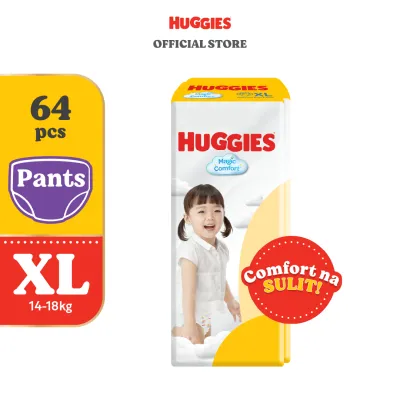
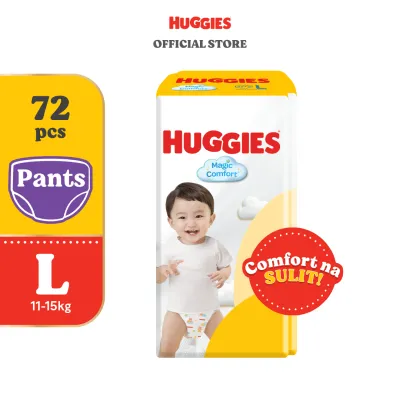
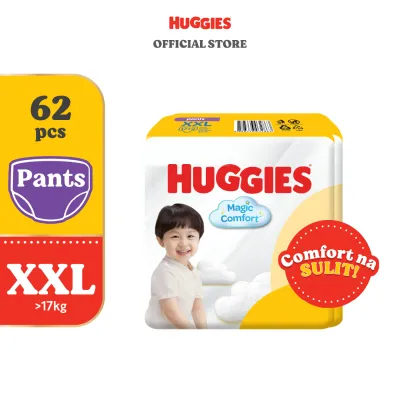
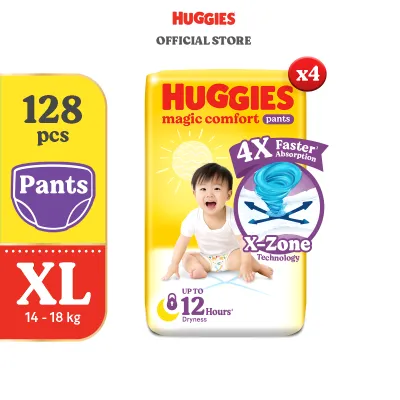
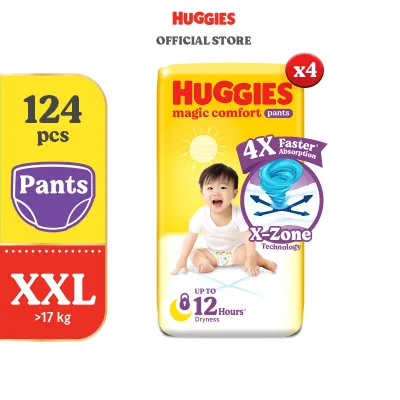
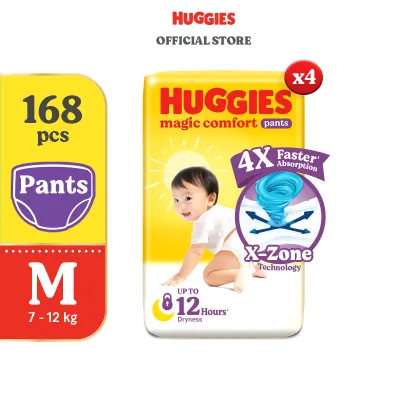
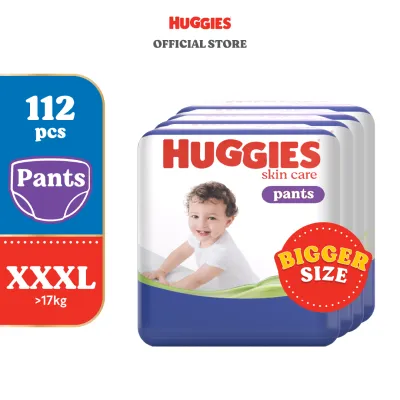
Prices are valid at publication and may change. Please refer to the product page for the latest price.
The Risks of Counterfeit Diapers for Your Baby
Using counterfeit diapers poses significant health and safety risks to your baby’s sensitive skin. Unlike genuine products, which undergo rigorous dermatological testing and quality control, fake diapers are manufactured in unregulated facilities without oversight. These unauthorized products often contain low-grade materials, unverified chemical residues, harsh bleaching agents, or synthetic fragrances that can trigger severe diaper rash, contact dermatitis, and painful allergic reactions. In the warm, humid climate of the Philippines, these irritants quickly compromise a baby’s delicate skin barrier, leading to infections that require medical attention.
Beyond skin health, counterfeit diapers fail to deliver the basic performance parents expect. Genuine Huggies diapers utilize advanced superabsorbent polymers distributed evenly throughout the core to lock away moisture and keep the baby dry. Fake diapers, however, often rely on cheap cellulose pulp or poorly distributed absorbent materials. This results in rapid clumping, sagging, and frequent leaks that disrupt your baby’s sleep and daily activities. The lack of breathability in counterfeit materials also traps heat and moisture, creating an ideal breeding ground for bacteria and yeast.
Furthermore, unauthorized manufacturing processes completely bypass standard hygiene protocols. Counterfeit operations are frequently located in dusty, unventilated environments where raw materials are exposed to moisture, pests, and industrial contaminants before packaging. When you purchase these unverified products, you expose your baby to unsanitary materials that have never been certified for safety. Investing in authentic diapers ensures that every piece has been produced under strict sanitary conditions, giving you peace of mind with every diaper change.
How to Inspect Huggies Diapers for Authenticity
A close physical inspection of the packaging is your first line of defense against counterfeit diapers. Genuine Huggies packaging features crisp, high-resolution printing, vibrant colors, and perfectly aligned text and logos. Counterfeit bags often display blurry graphics, faded colors, misspelled words, or misaligned branding elements. Additionally, pay attention to the physical quality of the plastic bag itself; authentic packaging is made of thick, durable plastic with clean, heat-sealed seams, whereas fake packaging often feels thin, crinkly, and tears easily along the edges.

When you open the package, take a moment to evaluate the texture and smell of the diapers. Authentic Huggies diapers are designed to be exceptionally soft, flexible, and virtually odorless. If you notice a strong chemical, plastic, or musty smell upon opening the bag, this is a major warning sign of unauthorized manufacturing. The outer cover of a genuine diaper should feel fabric-like and soft to the touch, while counterfeit versions often feel stiff, paper-like, or rough, which can cause chafing on your baby’s thighs and waist.
Another critical step is verifying the labels and batch codes printed on the packaging. Genuine packs always feature clearly printed manufacturing dates, expiry dates, and batch numbers, typically applied using a clean, black inkjet dot-matrix style directly onto the plastic. Counterfeiters often omit these codes entirely, print them with smudged ink that rubs off easily, or use fonts and layouts that do not match official brand standards. If the batch code is missing or illegible, the product’s authenticity is highly questionable.
While these physical checks are highly effective, it is important to remember that visual inspections alone are not completely foolproof. Sophisticated counterfeiters can sometimes replicate packaging designs with surprising accuracy, making it difficult to spot a fake with the naked eye. Therefore, physical inspection must always be combined with purchase channel verification. Checking the product’s origin remains the most reliable way to guarantee you are using genuine diapers.
Navigating the Huggies Official Store vs. Third-Party Sellers
When shopping on major e-commerce platforms in the Philippines, identifying the official store is the easiest way to guarantee authenticity. Look for verified badges such as “Mall,” “Official Store,” or “Preferred” tags next to the seller’s name. The official Huggies store will feature a high seller rating, a large follower count, and a direct link to the brand’s official distributor. Purchasing from these verified storefronts ensures that the products are sourced directly from the manufacturer’s authorized supply chain.
If you decide to purchase from a third-party seller, you must perform thorough due diligence before placing an order. Check the store’s overall rating, aiming for a score of 95% or higher, and read customer reviews carefully. Look specifically for reviews that include photos and videos of the received products, and pay attention to any complaints regarding thin materials, chemical odors, or frequent leaks. Be wary of stores with generic, randomly generated names or those that have only been active for a few weeks.
Price is another major indicator of product authenticity. While everyone loves a good deal, prices that seem too good to be true are a major red flag. Compare the listing price with the standard rates on the Huggies official store. If a third-party seller offers bulk packs of Huggies diapers at a price significantly lower than the standard market rate in the Philippines—such as a difference of several hundred pesos (₱) outside of major platform-wide sale events—the product is highly likely to be counterfeit. Authentic diapers have stable production and distribution costs, making extreme, permanent discounts financially unfeasible for legitimate retailers.
For absolute peace of mind, consider making your purchases at established physical supermarkets, department stores, or authorized pharmacies. These large, reputable retailers source their inventory directly from official distributors, virtually eliminating the risk of counterfeit stock entering their shelves. While online shopping offers convenience, buying from trusted physical stores remains a highly reliable method for parents who want to ensure they are getting genuine, high-quality diapers for their babies.
What to Do If You Receive Suspected Fake Diapers
If you suspect that the diapers you received are counterfeit, the most important step is to stop using them immediately. Do not tempt fate by putting a suspected fake diaper on your baby, even for a short period. The potential risks of severe skin irritation, chemical burns, or painful rashes far outweigh the cost of the diaper pack. Store the remaining diapers safely out of reach of children and pets while you resolve the issue.
Next, document the evidence thoroughly to support your claim. Take clear, well-lit photographs and videos of the packaging, focusing on any blurry text, misspelled words, missing batch codes, or poor seams. Take close-up photos of the diapers themselves, highlighting uneven padding, stiff materials, or unusual designs. Keep your physical or digital purchase receipt, as well as screenshots of the online order confirmation and the seller’s listing page.
Once you have gathered your evidence, contact the seller and the e-commerce platform immediately to request a refund. Report the seller for listing counterfeit goods, submitting your documented photos and videos as proof. Most major online marketplaces have strict buyer protection policies that cover counterfeit items, provided you report the issue within the platform’s specified return window. Be persistent and follow up with the platform’s customer support if the seller refuses to cooperate.
Finally, reach out to the brand’s official customer service channels to report the incident. Provide them with the batch code, the seller’s store name, and photos of the product. While the brand may not be able to issue a direct refund for purchases made through unauthorized third-party sellers, reporting these listings helps them take legal action against counterfeiters. This collective effort protects other parents in the community from unknowingly purchasing unsafe products for their babies.
Frequently Asked Questions (FAQ)
Can I verify Huggies diapers using a standard barcode scanner app?
Standard barcode scanner apps only read the printed barcode number and look it up in public databases to identify the product type. They do not verify if the physical product in your hand is genuine, as counterfeiters can easily copy and print authentic barcodes onto fake packaging. For true verification, you should rely on physical quality checks and purchase directly from official brand channels.
Are Huggies diapers from third-party sellers always fake?
Not all third-party sellers sell counterfeit diapers; many are legitimate resellers, small family-owned shops, or parents selling excess stock. However, because these sellers lack official platform verification badges, the risk of purchasing a counterfeit product is significantly higher. To minimize risk, always check for official authorization certificates, read recent customer reviews, or stick to verified stores.
What should I look for in the diaper's absorbent core?
The absorbent core of a genuine Huggies diaper should have an even, consistent distribution of padding that does not easily clump or shift when handled. In contrast, counterfeit diapers often have patchy, thin spots, or clump heavily into hard lumps when wet, indicating poor material quality and construction. You can check this by holding the dry diaper up to a light source to inspect the internal distribution.

Community discussion
Share your experience or ask a question. Comments are reviewed before publication.