
Navigating the market for baby oil wholesale purchases in the Philippines requires a careful balance of cost-efficiency, logistical planning, and strict quality verification. With a consistently high birth rate and a growing consumer focus on infant wellness, the demand for gentle, safe skincare products remains strong. However, bulk buyers must look beyond simple price-per-unit metrics to ensure their inventory complies with local regulations and remains stable under challenging tropical conditions.
Sourcing baby oil in bulk involves identifying the specific needs of your target market, finding reputable suppliers, and verifying product safety. Whether you are stocking a retail store, supplying a chain of baby spas, or sourcing for clinical use, establishing a systematic procurement process is the key to protecting your investment and your end consumers.
Defining Your Wholesale Needs and Storage Capacity
Before initiating contact with bulk suppliers, you must define the precise operational requirements of your business or institution. Identifying your primary end-users dictates the formulation type, packaging size, and quality grade of the baby oil you need to procure. For instance, retail consumers often look for recognizable brands in standard 50ml to 200ml bottles, whereas baby spas, massage clinics, or pediatric centers generally require larger professional sizes or fragrance-free formulations to minimize skin sensitivities.
Products mentioned in this guide
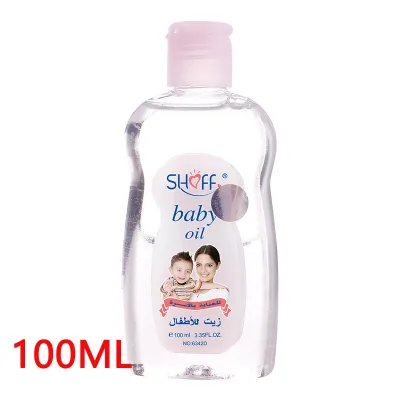
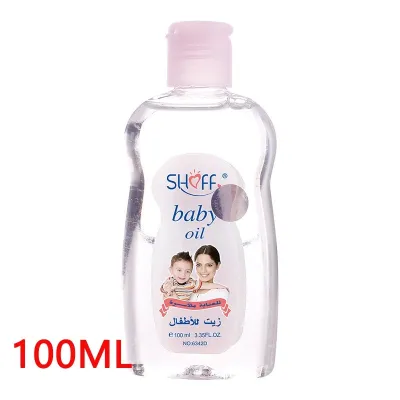
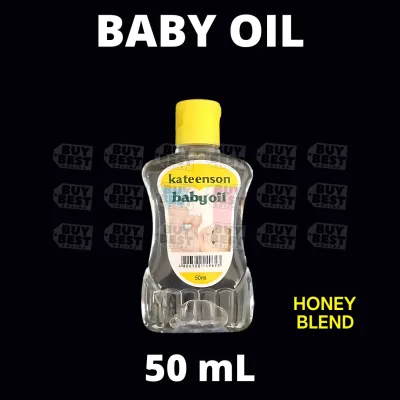
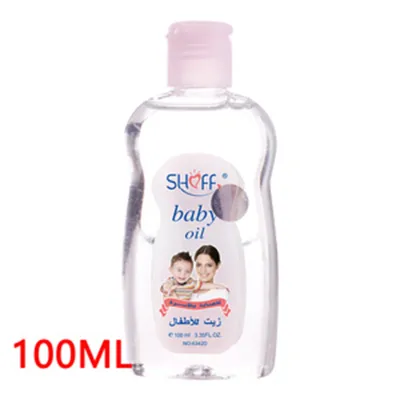
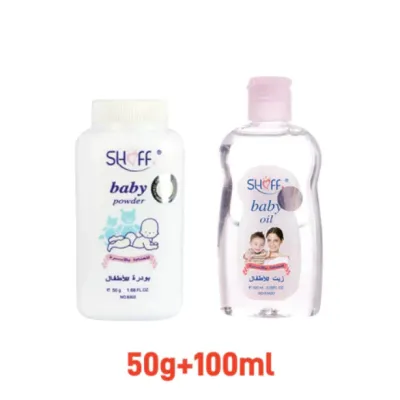
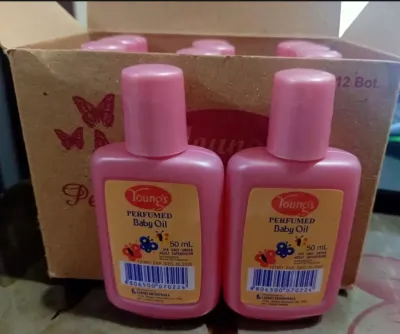
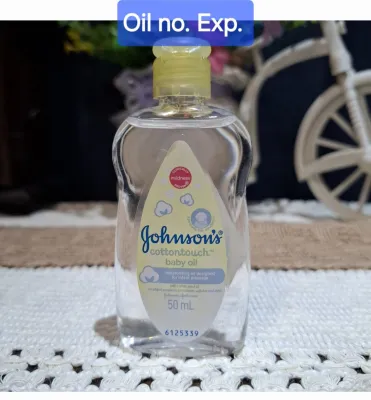
Prices are valid at publication and may change. Please refer to the product page for the latest price.
Budgetary planning must account for more than just the initial purchase price. You must calculate the total landed cost, which includes local shipping fees, customs duties if importing, and warehousing expenses. Establishing clear financial boundaries and expected profit margins helps filter out suppliers whose pricing structures do not align with your business model.
Your Minimum Order Quantity (MOQ) requirements must be balanced against your physical storage capacity. The tropical climate of the Philippines, characterized by high relative humidity and ambient temperatures that frequently exceed 30°C, presents unique logistical challenges. Storing bulk baby oil in a non-climate-controlled environment can lead to product degradation, such as the oxidation of natural plant oils or the peeling of bottle labels due to moisture. Ensure your warehouse space is dry, well-ventilated, and protected from direct sunlight before committing to large volumes.
Where to Find Reliable Baby Oil Suppliers
Finding trustworthy sources for baby oil wholesale transactions in the Philippines requires exploring multiple distribution channels. Relying on a single source can expose your business to supply chain disruptions, so establishing relationships across different sourcing avenues is highly recommended.

Direct from Manufacturers and Authorized Distributors
For guaranteed product authenticity and the lowest possible unit pricing, sourcing directly from manufacturers or their authorized local distributors is the gold standard. Major multinational brands and established local baby care brands operate through licensed distribution networks in the Philippines. Buying through these official channels ensures you receive genuine products, consistent batches, and direct access to essential regulatory documentation. While official distributors typically impose higher MOQs, the reduction in counterfeit risk and the availability of direct manufacturer support make this the safest option for large-scale operations.
Local B2B Marketplaces and Wholesale Directories
Digital wholesale directories and local business-to-business (B2B) platforms serve as valuable bridges to regional distributors and independent wholesalers. These online spaces allow you to compare pricing, minimum order requirements, and shipping terms across multiple vendors quickly. When utilizing these platforms, it is critical to perform thorough background checks on prospective sellers. Request copy of their business permits, Bureau of Internal Revenue (BIR) registration, and local sanitary permits to ensure you are dealing with a legitimate, law-abiding enterprise rather than an unauthorized middleman.
Trade Shows and Industry Exhibitions
Attending domestic trade shows, cosmetics exhibitions, and mother-and-baby expos in major urban centers like Metro Manila provides excellent networking opportunities. These events allow you to meet manufacturers and primary importers face-to-face, inspect physical product packaging, and negotiate pricing directly. Building personal relationships with suppliers at trade shows often leads to more flexible payment terms, customized packaging options, and lower initial MOQs for trial orders.
What to Verify Before Placing a Bulk Order
Because baby oil is applied directly to the delicate, developing skin barrier of infants, bulk buyers bear a heavy responsibility to ensure product safety. Substandard or contaminated products can cause severe skin irritation, leading to legal liabilities and irreparable damage to your business reputation.
Checking Ingredients and Skin Safety
Infant skin is significantly thinner and more permeable than adult skin, making it highly susceptible to chemical irritants. When evaluating baby oil formulations, carefully examine the ingredient list provided by the manufacturer. Classic formulations often utilize highly refined mineral oil, which is exceptionally stable and has a long history of safe use. Alternatively, plant-based formulations utilizing sunflower oil, virgin coconut oil, or jojoba oil are increasingly popular in the Philippine market.
Regardless of the base oil, verify the absence of harsh additives such as parabens, synthetic dyes, phthalates, and strong artificial fragrances. While many products carry “hypoallergenic” or “dermatologist-tested” labels, these marketing claims should always be verified against official technical specifications and clinical summaries provided by the manufacturer. Remember that individual skin reactions vary, and no formulation can be guaranteed to be completely allergy-proof for every single infant. If you are sourcing specialized or medicated oils intended to treat specific infant skin conditions like eczema or cradle cap, advise your clients or staff to consult a qualified pediatrician or dermatologist before application.
Confirming Regulatory Compliance and Shelf Life
In the Philippines, all cosmetic products, including baby oils, must comply with the regulations enforced by the Philippine Food and Drug Administration (FDA). Selling unregistered cosmetic products is illegal under Republic Act No. 9711. Before finalizing any purchase, request the supplier to provide the Certificate of Product Registration (CPR) or the Certificate of Cosmetic Product Notification (CCPN) for the specific batch. You can independently verify these registration numbers using the official FDA Verification Portal.
Additionally, evaluate the remaining shelf life of the inventory. For bulk purchases, ensure the products have an expiration date at least 18 to 24 months in the future. This window accounts for the time required for shipping, warehousing, and retail turnover. Inspect the physical packaging to ensure that tamper-evident seals are intact, batch numbers are clearly printed, and the labels include mandatory local information, such as the local distributor’s contact details and clear usage instructions.
Steps to Place and Inspect Your Bulk Order
To minimize financial risk and ensure consistent quality, follow a structured procurement process from the initial inquiry to the final delivery inspection.
- Step 1: Request Samples
Never place a large wholesale order without first testing physical samples. Request samples from the same production batch you intend to buy. Evaluate the oil's viscosity, absorption rate, scent profile, and packaging durability. Test how the packaging holds up under local humid conditions, checking for oil leakage around the caps or pump mechanisms. - Step 2: Negotiate Terms
Once you approve the samples, negotiate the commercial terms of the transaction. Discuss volume-based pricing tiers, payment schedules (such as a standard 30% downpayment and 70% upon delivery), and lead times. Clearly define who bears the cost of shipping and transit insurance, which is particularly important if the goods are being shipped across islands within the Philippine archipelago. - Step 3: Review the Contract
Ensure all negotiated terms are formally documented in a written contract or purchase order. The agreement must explicitly outline the required product specifications, delivery deadlines, and a clear return policy for any goods that arrive damaged, leaking, or short of the agreed shelf life. - Step 4: Inspect Upon Delivery
When the shipment arrives at your facility, conduct a thorough receiving inspection before signing the delivery receipt. Count the external cartons to verify the quantity, and open random boxes to check for transit damage or product leakage. Verify that the batch numbers on the individual bottles match the invoice and the FDA registration documents. If you discover any discrepancies, leaking bottles, or broken safety seals, halt the acceptance process, document the issues immediately with clear photographs, and contact your supplier to initiate a resolution.
Frequently Asked Questions (FAQ)
What is the typical minimum order quantity (MOQ) for baby oil?
Minimum order quantities vary significantly depending on the sourcing channel. Direct manufacturers and official brand distributors in the Philippines typically require larger MOQs, which may range from several hundred to thousands of units, or require a minimum spend of ₱50,000 to ₱100,000 per order. Conversely, independent local wholesalers and B2B platform sellers often offer much lower MOQs, sometimes as low as 24 to 48 units, making them highly accessible for small retail shops, boutique brands, or local baby spas.
How should I store bulk baby oil to maintain its quality?
To preserve the stability and shelf life of bulk baby oil, store the inventory in a cool, dry, and well-ventilated warehouse, ideally maintained at temperatures below 30°C. Keep the cartons off the floor by utilizing pallets to prevent moisture absorption from concrete surfaces. Avoid exposing the products to direct sunlight, as UV rays and heat can accelerate the oxidation of natural oils and degrade plastic packaging. Always consult and follow the manufacturer’s specific storage instructions printed on the product labels or safety data sheets.
Community discussion
Share your experience or ask a question. Comments are reviewed before publication.