
A properly positioned and secured waterproof mat is essential for containing messes and keeping your baby safe during diaper changes. By ensuring the mat lies flat, anchoring it correctly, and following routine maintenance, you can prevent frustrating slips, bunching, and leaks.
In tropical climates like the Philippines, high humidity can make surfaces slick and cause moisture to build up under plastic or silicone backings. Taking a few deliberate steps to secure your mat not only protects your nursery furniture from stubborn stains and odors but also ensures a stable, comfortable surface for your little one.
Preparing Your Changing Table and Mat for Use
Before placing any protective layer on your changing table, you must prepare the surface to ensure maximum grip and hygiene. Start by thoroughly wiping down the changing table surface with a damp cloth and a mild, baby-safe cleaner. This step removes accumulated dust, lint, leftover baby lotion, or stray moisture that naturally gathers in humid environments. Any residue left on the table acts as a barrier, preventing the mat’s anti-slip backing from gripping the wood or plastic surface effectively.
Products mentioned in this guide
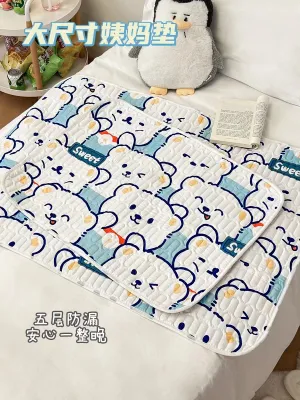
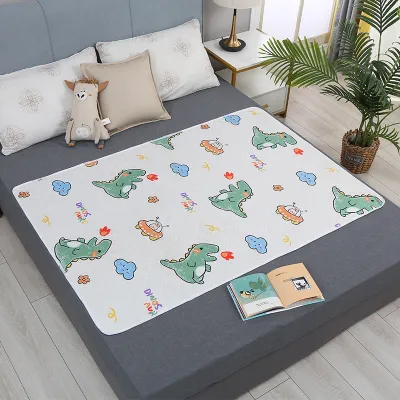
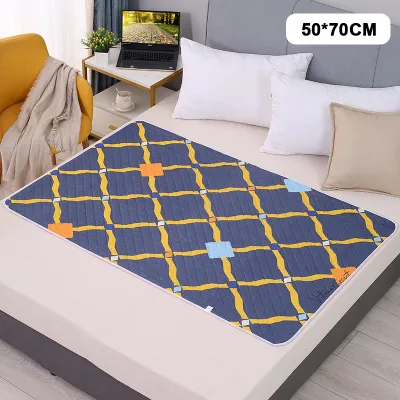
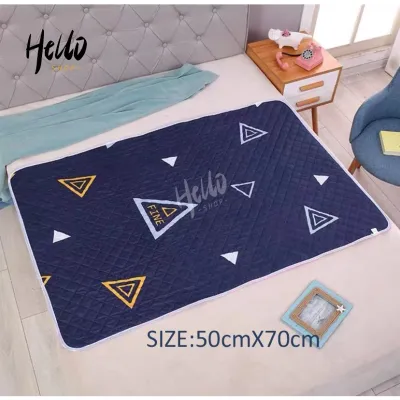


Prices are valid at publication and may change. Please refer to the product page for the latest price.
Once the table is clean, allow it to dry completely. Placing a waterproof mat over a damp surface traps moisture underneath, which can lead to mold, mildew, or damage to the table’s finish over time. While the table dries, inspect the mat’s size against the table’s flat changing area. The mat should fit snugly within the raised safety barriers of the table without climbing up the sides or hanging over the edges.
A mat that hangs over the edge is a significant hazard, as it can easily be pulled by a curious baby or snagged by a passing caregiver, dragging the entire setup down. Finally, run your hand over both the table surface and the underside of the mat to check for any debris. Small particles like dried wood shavings, loose screws, or even tiny toys can act as puncture hazards. Under the weight of a baby, these sharp objects can easily pierce the delicate waterproof membrane of the mat, rendering it useless against future leaks.
Step-by-Step Guide to Positioning and Securing the Mat
To achieve a secure, leak-proof setup, begin by aligning the mat evenly with the changing table’s edges and corners. Centering the mat ensures that the protective boundary is balanced on all sides, giving you the maximum coverage area where it is needed most. If your changing table features a contoured pad, press the mat firmly into the center depression, ensuring it conforms to the curves rather than bridging across them.

Next, utilize the specific securing features designed for your mat. Many high-quality mats feature a textured, rubberized, or silicone anti-slip backing that relies on friction to stay in place. If your mat includes safety straps or anchor tabs, thread them through the designated slots on your changing table or secure them around the frame. For mats with flexible, elasticized edges, tuck the excess material tightly under the changing pad or beneath the table’s raised wooden bumpers.
Once the mat is anchored, use your hands to smooth out the surface, working from the center outward to the edges. This motion expels trapped air pockets and flattens any wrinkles or bunching. A smooth surface is critical for both comfort and leak prevention. Wrinkles and folds create channels that guide liquid outward toward the edges of the table rather than keeping it contained. Additionally, a bunched-up mat provides uneven support, which can make your baby feel unstable and prone to fussing during the change.
Best Practices to Prevent Leaks During Diaper Changes
Even the best-secured mat can fail to contain a mess if the baby is not positioned correctly. Always place your baby centrally on the mat, aligning their lower back and bottom with the middle of the waterproof zone. This positioning ensures that any sudden sprays or leaks are caught with ample protective fabric on all sides. Keeping the baby centered also helps distribute their weight evenly, which naturally presses the anti-slip backing into the table surface to prevent shifting.
For babies who are heavy wetters or prone to mid-change accidents, consider layering a secondary, highly absorbent pad on top of your primary waterproof mat. A small, washable cotton liner or a disposable nursing pad placed directly under the baby’s bottom acts as a first line of defense. This layered approach allows you to quickly swap out the soiled top pad without needing to strip, wash, and re-secure the entire main changing table mat during a midnight diaper change.
To maintain a safe environment, always keep your diapering essentials—such as fresh diapers, wipes, rash creams, and change clothes—within arm’s reach before you lay your baby down. Having these items prepared prevents you from needing to reach away or turn your back, allowing you to keep at least one hand on your baby at all times. Constant physical supervision is a vital safety rule; it prevents the baby from rolling, scooting, or pushing off the changing table, which could dislodge the mat or cause a dangerous fall.
If your baby has outgrown the changing table’s weight limit or has become too active to safely contain, stop using the elevated table and transition to changing them on a secure floor mat. Always consult your changing table’s manual to verify the exact weight and developmental limits specified by the manufacturer.
Cleaning and Maintaining the Waterproof Layer
Preserving the integrity of your mat’s waterproof barrier requires careful cleaning habits. Always consult the manufacturer’s care label before tossing the mat into the washing machine. Different materials—such as polyurethane laminate (PUL), vinyl, or silicone-coated fabrics—have distinct tolerances for heat and agitation. Use a mild, baby-safe detergent and avoid harsh additives like bleach, fabric softeners, or strong vinegar solutions, which can chemically degrade the waterproof coating and break down the anti-slip backing.
Drying the mat requires equal care. In the warm, breezy climate of the Philippines, air-drying is highly effective and energy-efficient. Hang the mat in a well-ventilated indoor area or in shaded outdoor spaces. Avoid exposing the waterproof backing to direct, intense tropical sunlight, as extreme UV rays and heat can cause vinyl to crack, PUL to delaminate, and rubberized backings to become sticky and peel. If you must use a clothes dryer, select a low-heat or air-fluff cycle to protect the synthetic layers from melting or warping.
Regularly inspect your mat for signs of wear and tear. Over time, repeated washing can cause the waterproof layer to stiffen, crack, or peel away from the fabric base. Feel the backing for any rough patches or visible flaking, and check the seams for loose threads. If you notice any cracks, persistent odors that survive a wash, or if liquid begins to seep through to the table below, the waterproof barrier has failed, and the mat must be replaced immediately to maintain hygiene.
Troubleshooting Slipping, Bunching, and Leaks
If you find your mat constantly sliding out of place, the culprit is often a buildup of dust, lint, or baby powder on the underside. Wipe the anti-slip backing with a damp cloth to restore its grip. If your changing table has an exceptionally smooth, high-gloss finish, the built-in backing may struggle to find traction. In this scenario, placing a thin, cut-to-size sheet of non-slip drawer liner or silicone furniture grippers beneath the mat can provide the necessary friction without damaging the table’s wood finish.
Bunching usually occurs when the mat is slightly too large for the changing area, causing the fabric to ripple when the baby moves. To resolve this, re-evaluate the fit and ensure any excess material is pulled taut and tucked securely under the changing pad or table frame. If the mat lacks straps, you can use baby-safe, heavy-duty elastic bands or hook-and-loop strips attached to the underside of the table to keep the corners pulled tight and flat.
When leaks occur despite using a waterproof mat, check if the mat’s surface area is still appropriate for your baby’s current size and developmental stage. As babies grow and begin to kick or roll during changes, they can easily shift off a small mat. Additionally, inspect the mat under a bright light for micro-punctures. These tiny holes, often caused by sharp baby nails, zipper teeth, or toys brought to the changing table, are hard to spot but will allow moisture to slowly seep through to the furniture below.
Frequently Asked Questions (FAQ)
Can I use a waterproof urine mat designed for a bed on a changing table?
While you can technically use a waterproof urine mat bed protector on a changing table in an emergency, it is generally not recommended for daily use. Bed-sized mats are significantly larger than standard changing tables, which typically measure around 43 by 80 centimeters. Trying to fit a large waterproof urine mat bed protector onto a compact changing surface results in excess fabric that bunches up, creating an uneven and unstable surface for your baby.
This excess fabric can also hang over the edges of the table, presenting a hazard where a sibling or caregiver could accidentally pull it, or the baby could grab and pull it over their face. If you must use a bed mat temporarily, fold it neatly so that the folded edges are tucked securely underneath the changing pad, ensuring there are no loose flaps or thick, uneven ridges directly under your baby’s back. For long-term safety and convenience, investing in a dedicated, properly sized changing table mat (which typically costs between ₱300 and ₱800) is the best way to ensure a secure, slip-free fit.
How often should I wash the waterproof changing mat?
You do not need to machine-wash your waterproof changing mat after every single diaper change. For minor spills, wetness, or routine maintenance, simply wiping the surface with a baby-safe disinfectant wipe or a damp cloth dipped in soapy water is sufficient. This quick clean keeps the surface hygienic while minimizing the wear and tear that machine washing inflicts on waterproof coatings.
However, you should perform a full machine or hand wash immediately if the mat becomes directly soiled with feces or urine, or if you notice lingering odors, visible stains, or a sticky residue from diaper creams. Always follow the specific care instructions on your product’s label to balance cleanliness with material longevity, as over-washing can prematurely degrade the waterproof barrier.
Community discussion
Share your experience or ask a question. Comments are reviewed before publication.