
Using a baby wrap is an excellent way to keep your little one close while keeping your hands free for daily tasks, but mastering the technique requires patience, practice, and a strict focus on safety. Whether you are navigating a busy market or settling your infant at home, a properly tied wrap provides a secure, ergonomic environment that mimics the comfort of the womb. To achieve this, caregivers must learn how to select the correct fabric, prepare the wrap, position the baby’s hips and spine correctly, and perform continuous safety checks.
In tropical climates like the Philippines, where heat and humidity are constant factors, choosing the right wrap material and mastering the tie is especially important. Lightweight, breathable fabrics such as bamboo-derived rayon or thin cotton gauze help prevent both you and your baby from overheating. By understanding the mechanics of fabric tension and ergonomic positioning, you can safely enjoy the benefits of babywearing while ensuring your baby remains secure, comfortable, and cool.
Preparing for a Safe and Comfortable Wrap
Before you begin wrapping, it is essential to verify that your specific baby wrap is suitable for your baby’s current developmental stage. Always locate and read the manufacturer’s label or instruction manual to check the minimum and maximum weight limits, as well as any age recommendations. Stretchy wraps and woven wraps have different structural capacities, and using a wrap outside its designated weight range can compromise its safety and support.
Products mentioned in this guide

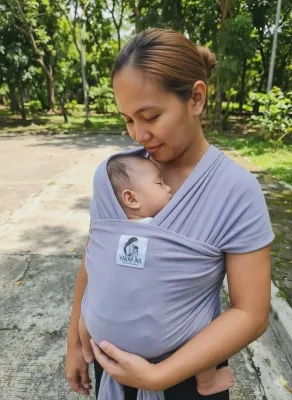
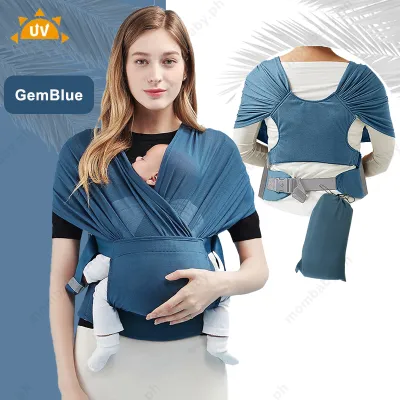
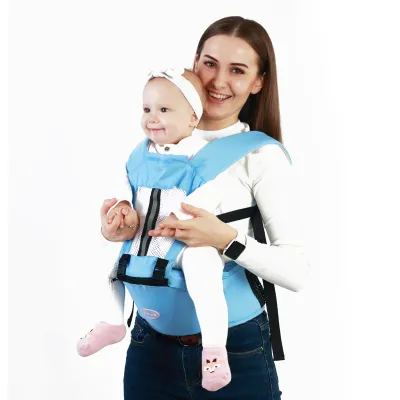
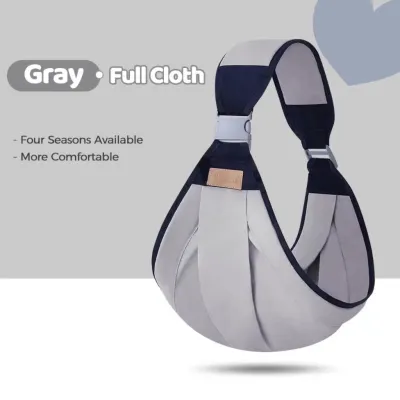
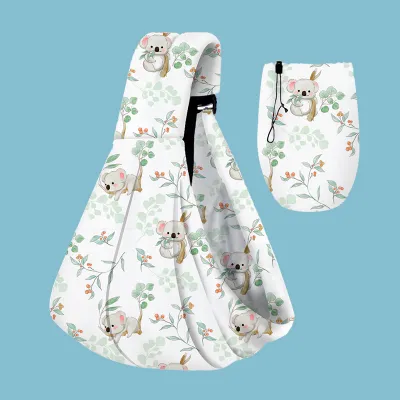
Prices are valid at publication and may change. Please refer to the product page for the latest price.
Next, perform a thorough physical inspection of the fabric. Lay the wrap out flat and examine the entire length for any signs of wear, such as small tears, thinning areas, frayed edges, or compromised seams. Over time, frequent washing and use can cause certain fabrics to lose their elasticity or develop weak spots, which could fail under the baby’s weight. If you notice any structural defects, do not use the wrap and contact the manufacturer for guidance.
For your first few attempts, set up a dedicated, safe practice space to build your confidence. Choose a quiet room with a soft surface, such as a clean bed or a padded floor mat, so there is no risk of injury if you lose your grip. Having another adult act as a spotter during these initial sessions is highly recommended, as they can help support the baby while you adjust the fabric passes and secure the knots.
Understanding the Core Safety Rules for Babywearing
Safety is the most critical aspect of babywearing, and caregivers must actively monitor several key areas whenever the baby is in the wrap. The primary concern is maintaining an open, unobstructed airway. Your baby’s face must always remain fully visible to you, with no fabric covering their nose or mouth. A helpful rule of thumb is that the baby should be positioned high enough on your chest that you can easily kiss the top of their head without straining your neck.

Equally important is monitoring the position of the baby’s head and neck. Ensure that the baby’s chin does not rest on their chest, as this chin-to-chest position can restrict their airway and make breathing difficult. There should always be a gap of at least two fingers between the baby’s chin and chest, and their head should be supported in a neutral, slightly upright position.
Proper hip and leg positioning is vital for healthy joint development. When placing your baby in the wrap, their legs should be spread in an ergonomic “M” shape, also known as the spread-squat position. In this position, the baby’s knees are higher than their bottom, and their thighs are fully supported by the fabric from knee crease to knee crease. This reduces pressure on the developing hip joints and aligns the spine in a natural, gentle curve.
Finally, the wrap must be tied tightly enough to provide continuous, firm support across the baby’s entire back. A loose wrap allows the baby to slump down, which can restrict their breathing and cause back strain for the caregiver. The fabric should hug your body and the baby’s body snugly, preventing any sagging or shifting when you move, while still allowing the baby to breathe comfortably.
Step-by-Step Guide to Tying a Front Wrap Cross Carry
The Front Wrap Cross Carry (FWCC) is one of the most versatile and popular tying methods for beginners using stretchy or woven wraps. To begin, locate the center marker of your wrap, which is usually indicated by a small tag or logo sewn into the middle of the fabric edge. Gather the fabric widthwise and place this center marker flat against your chest, ensuring the wrap is smooth and not twisted.
Take the two long tails of the wrap, bring them behind your back, and cross them over to form an “X” on your shoulder blades. Bring each tail forward over your opposite shoulder, creating two clean straps that hang down your chest. At this stage, the fabric should form a pocket or pouch across your torso, with the two shoulder straps hanging loose but secure.
Carefully pick up your baby and hold them securely against your shoulder. Slide one of your hands under the chest panel of the wrap to guide the baby’s legs through, gently lowering them into the fabric pocket. Ensure the bottom edge of the chest panel goes deep under the baby’s bottom and extends from one knee crease to the other, creating a deep, secure seat where their knees are positioned higher than their hips.
While supporting your baby with one hand, use your other hand to pull the fabric of the chest panel upward over the baby’s back, keeping it smooth and free of wrinkles. The fabric should reach up to the back of the baby’s neck for infants who do not yet have full head control, or up to their shoulder blades for older babies.
Now, locate the shoulder straps hanging down your front. One by one, pull each strap downward and forward to tighten the wrap, removing any slack from the chest panel. Cross the two straps under the baby’s bottom, ensuring they pass over the baby’s legs to reinforce the seat. For added support, you can spread these crossed passes flat across the baby’s back, or keep them bunched under the thighs depending on the wrap type and your preference.
Bring the remaining fabric tails around to your back or hip, depending on the length of your wrap, and tie them securely with a double knot. Double-check that the knot is tight and cannot slip. Tuck any excess fabric away from your baby’s face and airway, ensuring they have a clear view of their surroundings and plenty of fresh air.
Adjusting and Troubleshooting Common Wrapping Issues
Even with careful tying, you may occasionally experience discomfort or notice that the baby’s position is not quite right. If you feel strain in your shoulders or lower back, the fabric passes may be bunched up or digging into your skin. To resolve this, gently spread the shoulder straps wider across your shoulders and upper back to distribute the baby’s weight more evenly across your skeletal frame.
If you notice your baby is gradually sagging or slipping lower on your chest as you walk, the wrap was likely tied too loosely. To fix this without completely unwrapping, support your baby’s weight with one arm while using your other hand to trace the slack through the wrap, pulling it section by section toward the knot at your back. Untie the double knot, pull the excess fabric tight, and re-secure the knot firmly.
Sometimes, the fabric seat can shift or roll during movement, causing the baby’s legs to lose their ergonomic “M” shape. If this happens, reach inside the wrap and gently adjust the fabric so it extends fully from one knee crease to the other, ensuring the baby’s bottom is sunk deep into the pocket. If the fabric continues to slide, you may need to unwrap and retie, paying closer attention to the tension of the bottom rail.
There are specific situations where you must immediately stop and unwrap your baby. If your baby shows any signs of distress, such as fussing, crying, rapid breathing, or a flushed face, remove them from the carrier right away. Additionally, if you feel the wrap slipping, if a knot begins to loosen, or if you suspect the fabric is tearing, find a safe place to sit down and unwrap your baby immediately to prevent a fall.
Caring for Your Baby Wrap to Maintain Safety
Proper maintenance is essential to preserve the structural integrity and safety of your baby wrap over its lifespan. Always refer to the manufacturer’s care label for specific washing and drying instructions, as different fibers require different care. For instance, stretchy wraps containing spandex or elastane may lose their elasticity if exposed to high heat, while certain woven wraps made of linen or hemp may require specific breaking-in techniques.
When washing your wrap, use a mild, baby-safe detergent that is free of optical brighteners, fabric softeners, or harsh bleaching agents, as these chemicals can break down fabric fibers and cause premature wear. Wash the wrap on a gentle cycle in cold water, and consider placing it in a mesh laundry bag to prevent the long tails from tangling around the washing machine agitator.
In humid environments like the Philippines, proper storage is critical to prevent mold, mildew, and pest damage. Ensure the wrap is completely dry before folding it and storing it in a clean, well-ventilated drawer or closet. Avoid storing the wrap in damp areas or in direct sunlight, as prolonged exposure to moisture can weaken the fibers, and UV rays can fade and degrade the fabric over time.
Establish a quick inspection routine before every single use. Check the seams, hems, and middle marker for any loose threads or unraveling stitches. Hold the fabric up to a light source to check for thin spots or micro-tears that might not be visible when the wrap is folded. Taking a few seconds to inspect your gear ensures that every carry is as safe as the first.
Frequently Asked Questions (FAQ)
Can I use a stretchy wrap for back carrying?
No, stretchy wraps should not be used for back carrying. Stretchy fabric has a significant amount of give, which means the baby’s weight can cause the fabric to stretch and sag away from your body when placed on your back. This creates a severe fall hazard and makes it difficult to monitor the baby’s airway and positioning. Back carrying should only be attempted with supportive, non-stretchy woven wraps or structured carriers, and only when your baby has achieved the necessary developmental milestones, such as strong head and neck control. Always consult your specific product manual to verify approved carrying positions and weight limits.
How do I know if my baby is too hot in the wrap?
You can determine if your baby is overheating by checking their neck, chest, or back for sweat, flushed skin, or rapid breathing. In warm, humid climates, babywearing can quickly raise both your temperature and your baby’s temperature because the wrap acts as multiple layers of clothing. To prevent overheating, dress your baby in a single layer of lightweight, breathable clothing, such as a thin cotton onesie, and choose a wrap made from breathable fibers. If you notice any signs of heat discomfort, find a cool, shaded area, unwrap your baby immediately, and allow both of you to cool down.
When should I transition from a wrap to a structured carrier?
You should consider transitioning to a structured carrier when your baby approaches or reaches the maximum weight limit specified by your wrap’s manufacturer, or when you begin to experience physical discomfort while carrying. As babies grow more active and mobile, they may start to push away from your chest or wiggle excessively, which can stretch out a fabric wrap and compromise its support. Structured carriers offer more rigid support, padded shoulder straps, and structured waistbands that distribute a heavier baby’s weight more comfortably across your hips and shoulders, making them a practical choice for older infants and toddlers.
Community discussion
Share your experience or ask a question. Comments are reviewed before publication.