
Feeding your baby while traveling or running errands requires careful planning, especially when managing expressed breast milk. Using a milk storage bag offers a lightweight, space-saving alternative to bulky bottles, but it demands strict attention to hygiene and temperature control to keep the milk safe. Successfully feeding on the go involves a seamless sequence of checking your gear, filling and sealing the bags correctly, maintaining a cold chain during transit, and warming the milk safely before feeding. By mastering these steps, you can confidently navigate outings while ensuring your baby receives uncontaminated, high-quality nutrition.
In tropical climates like the Philippines, high humidity and elevated ambient temperatures accelerate bacterial growth, making proper milk handling even more critical. A single leak or temperature drop can compromise hours of pumping effort. Caregivers must treat the milk storage bag not just as a container, but as a sterile environment that requires protection from physical damage and heat. Understanding the mechanics of these bags—from the double-zipper seals to the expansion limits—empowers you to travel without anxiety.
What to Pack and Check Before You Leave
Before stepping out of the house, a thorough inspection of your milk storage bags is your first line of defense against leaks and contamination. Examine each bag individually for any manufacturing defects, such as misaligned zipper tracks, weak side seams, or punctures. Check the expiration date on the packaging, as the plastic material can degrade over time, reducing its flexibility and strength. Always review the manufacturer’s specifications to confirm if the bags are rated for freezing and transit, as some budget options are only designed for stationary refrigerator storage.
Products mentioned in this guide
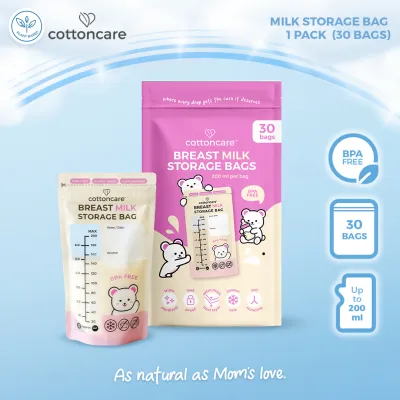
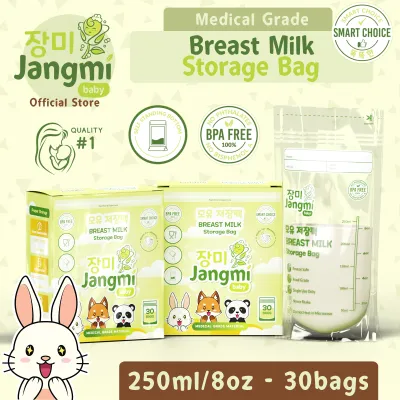
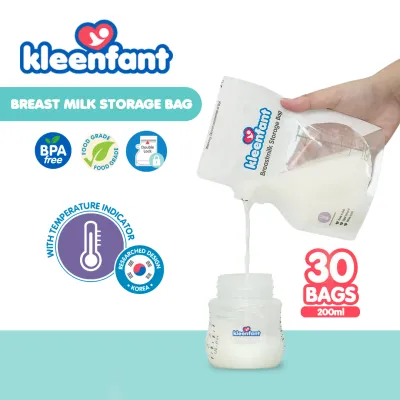
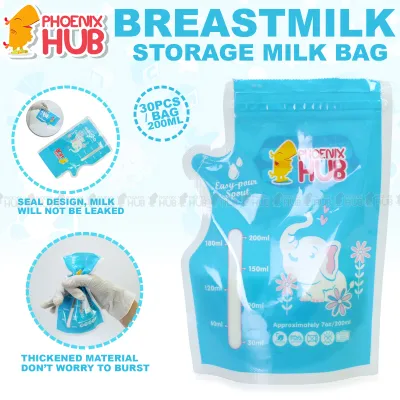
Prices are valid at publication and may change. Please refer to the product page for the latest price.
Assembling a dedicated travel kit ensures you are never caught unprepared in a public space or during a long commute. Your kit should center around a high-quality insulated cooler bag lined with thick thermal material to block external heat. Pack multiple reusable gel ice packs, which retain cold temperatures longer than standard ice cubes and do not create a pool of water as they melt. Include compatible bottle adapters if your bag system allows direct feeding, a pack of sanitizing wipes for your hands and surfaces, and a permanent marker for labeling.
Pre-labeling your milk storage bags before you fill them or leave the house is a simple step that prevents significant hygiene issues later. Writing on a filled, cold bag is incredibly difficult due to condensation, and doing so with messy hands during an outing increases the risk of transferring bacteria to the pouring spout. Use a waterproof permanent marker to clearly write the date, time of expression, and exact volume on the designated label area. This practice ensures you always use the oldest milk first and helps you track your baby’s intake accurately while away from home.
Step-by-Step Guide to Filling and Sealing
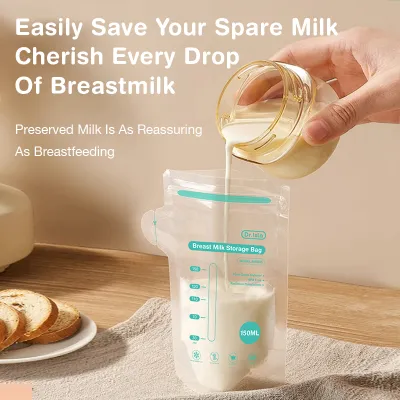
Filling a milk storage bag correctly requires a steady hand and a clean environment to preserve the liquid gold inside. Start by thoroughly washing your hands with soap and water, or use an alcohol-based hand sanitizer if a sink is unavailable. Open the bag by gently pulling the zipper tabs apart, taking care not to touch the inside of the neck or the bag’s interior with your fingers. Pour the expressed milk slowly to avoid splashing, keeping a close eye on the printed measurement lines on the side of the bag.

One of the most common mistakes caregivers make is overfilling the bag, which can lead to structural failure during transit or freezing. Liquid expands as it freezes, and even non-frozen milk can exert pressure on the seams when shifted inside a travel bag. Always leave at least an inch of headspace at the top of the bag, strictly adhering to the maximum fill line indicated by the manufacturer. If you plan to freeze the milk later, this headspace is absolutely vital to prevent the expanding liquid from bursting the delicate plastic seams.
Before sealing the double-zipper track, you must remove excess air from the bag to minimize oxidation and preserve the milk’s nutritional quality. Gently flatten the portion of the bag above the liquid level, sliding your fingers upward to push the air out through the open zipper. Once the air is expelled, press the double-zipper track firmly from one end to the other, listening or feeling for the physical click that confirms a secure lock. Run your fingers across the seal a second time to verify that no gaps remain, then store the bag flat to maximize space or upright if the bag features a self-standing gusset bottom.
Keeping Milk Safe and Cool During Transit
Maintaining a consistent cold chain is the most challenging aspect of transporting expressed milk, especially when navigating warm outdoor environments. The order in which you pack your insulated cooler bag directly impacts how long the milk remains at a safe temperature. Place a layer of frozen ice packs at the bottom of the cooler, arrange the filled milk storage bags flat on top, and sandwich them with another layer of ice packs. This configuration surrounds the milk with cold air and prevents warm air pockets from forming at the top of the cooler.
Physical protection is just as important as temperature control when your diaper bag is constantly moving. Keep the milk storage bags away from sharp objects like keys, pens, or loose toys that could puncture the plastic during transit. If your cooler bag has multiple compartments, dedicate one exclusively to milk storage to minimize the frequency of opening it, which lets cold air escape. You can also wrap the storage bags in a clean, soft cloth or place them inside a secondary plastic container within the cooler to provide an extra layer of cushioning against rough handling.
Protecting your cooler bag from external heat sources is essential for preserving the integrity of the ice packs. Avoid leaving the cooler in direct sunlight, on hot vehicle seats, or inside a parked car trunk, where temperatures can skyrocket within minutes. When traveling by public transport or walking outdoors, keep the cooler bag shaded or tucked inside a larger, insulated backpack. Regularly check the state of your ice packs during long trips; if they begin to melt completely, you will need to source fresh ice or plan to use the milk promptly according to standard health guidelines.
Warming and Feeding Your Baby on the Go
When it is time to feed your baby, thawing or warming the milk safely requires patience and the right tools. If the milk is frozen, plan ahead by transferring the bag to the refrigerator the night before, or submerge the sealed bag in a container of cool or lukewarm water. Never use a microwave to warm breast milk, as it creates dangerous hot spots that can burn your baby’s mouth and destroys the beneficial nutrients and antibodies in the milk. Instead, use a portable bottle warmer designed for travel or ask for a cup of warm water at a cafe to create a gentle water bath.
Before offering the milk to your baby, always perform a physical temperature check to ensure it is safe. Shake the bag or bottle gently to distribute the heat evenly, then squeeze a few drops of milk onto the inside of your wrist. The milk should feel lukewarm or neutral, not hot; if it feels warm to your skin, let it cool down before feeding. This simple check is a crucial safety step that prevents accidental burns and ensures a comfortable feeding experience for your little one.
Depending on the design of your milk storage bags, you will either feed directly from the bag or transfer the milk to a bottle. Some modern bag systems feature specialized adapters that screw directly onto the bag’s neck, allowing you to attach a standard nipple and collar without transferring the liquid. If your bags do not support this, carefully sanitize your hands, wipe the outside of the bag’s pouring spout with a clean cloth, and pour the milk slowly into a sterilized baby bottle. Hold the bag firmly near the seal to prevent it from slipping or collapsing during the transfer.
Managing Leftovers and Post-Feeding Cleanup
Managing unfinished milk requires strict adherence to pediatric health guidelines to protect your baby from bacterial contamination. Once your baby’s saliva mixes with the milk during a feeding session, bacteria from their mouth enter the liquid and begin to multiply rapidly. Consequently, any milk left in the bottle or bag after a feeding must be discarded within a specific timeframe, typically within two hours of the start of the feed. Never save leftover milk for a later feeding or return it to the refrigerator, as this poses a significant health risk to your developing infant.
Proper disposal of used milk storage bags depends entirely on the product’s design and the manufacturer’s explicit instructions. The vast majority of standard milk storage bags are strictly single-use and must be discarded immediately after emptying to prevent contamination. Attempting to wash and reuse single-use bags is highly discouraged, as the thin plastic is prone to micro-tears that harbor bacteria and cause leaks. If you are using specialized silicone or heavy-duty reusable bags, store the empty bag in a designated wet pouch until you can wash and sterilize it thoroughly at home.
A quick cleanup routine before you head home keeps your travel gear hygienic and prevents unpleasant odors from developing. Wipe down any spills inside your cooler bag immediately using sanitizing wipes or a damp cloth to prevent bacterial growth in the dark, damp environment. Keep used bottles, nipples, and adapters in a separate, sealed wet bag to isolate them from clean items until they can be properly washed. Taking these small steps at the end of an outing ensures your feeding equipment remains safe, clean, and ready for your next adventure.
Frequently Asked Questions (FAQ)
Can I reuse milk storage bags after washing them?
Most milk storage bags on the market are designed strictly for single-use and should be discarded immediately after a single feeding. Washing these thin plastic bags is highly discouraged because their narrow shapes and tight corners make thorough cleaning and sterilization nearly impossible. Additionally, the washing process can create microscopic tears in the plastic or damage the zipper tracks, leading to leaks and bacterial contamination during subsequent uses. If you prefer a reusable option, look specifically for bags made of food-grade silicone that are explicitly labeled as reusable and dishwasher-safe by the manufacturer.
How long can expressed milk stay in a cooler bag with ice packs?
The duration that expressed milk can safely remain in a cooler bag depends heavily on the quality of the cooler’s insulation, the ratio of ice packs to milk, and the ambient outdoor temperature. In warm, tropical climates, ice packs melt much faster, which can rapidly raise the internal temperature of your cooler. To ensure safety, consult standard pediatric health guidelines and your specific cooler manufacturer’s instructions for exact timeframes. As a general rule, always verify that the milk remains ice-cold to the touch; if the ice packs have completely melted and the milk feels warm, it should be used immediately or discarded.
Community discussion
Share your experience or ask a question. Comments are reviewed before publication.