
Teething is a challenging milestone for both infants and parents, especially in tropical climates like the Philippines where high temperatures and relentless humidity create unique hygiene challenges. Using a pacifier for baby comfort or offering a chilled teether can provide immense relief, but these soothing tools require meticulous care to prevent them from becoming breeding grounds for bacteria and mold. To keep your baby safe, you must combine proper selection, proactive physical inspections, strict sterilization routines, and climate-conscious storage.
While these soothing accessories are highly effective at calming an irritable infant, their safety depends entirely on daily maintenance. High humidity levels accelerate the growth of pathogens on damp surfaces, meaning a standard cleaning routine that works in cooler climates may not be sufficient here. This guide details exactly how to manage these soothing items safely under humid conditions, ensuring your baby’s teething journey remains hygienic and hazard-free.
Preparing for Teething Relief: Safety Checks Before First Use
Before you introduce any new soothing tool to your infant, a rigorous safety check is your first line of defense. Even brand-new products straight from the packaging can occasionally carry manufacturing defects, tears, or structural weaknesses that pose immediate choking hazards. Take the item and perform a thorough visual and physical inspection. Firmly pull and stretch the nipple of the pacifier or the various parts of the teether, checking for any tiny rips, changes in texture, or weak joints that could give way under the pressure of active chewing.
Products mentioned in this guide
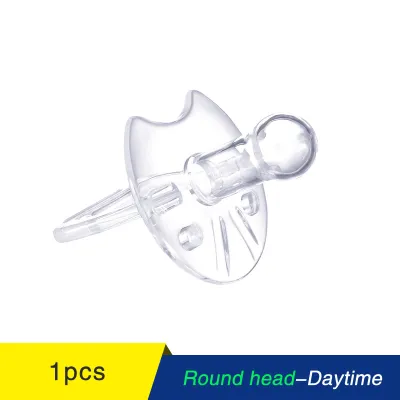
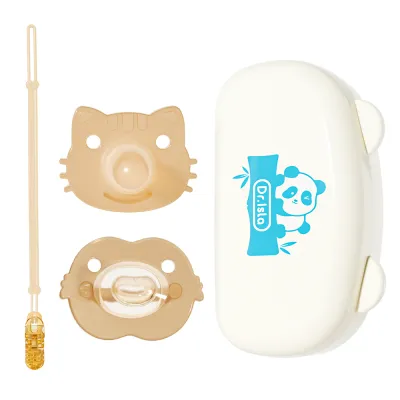
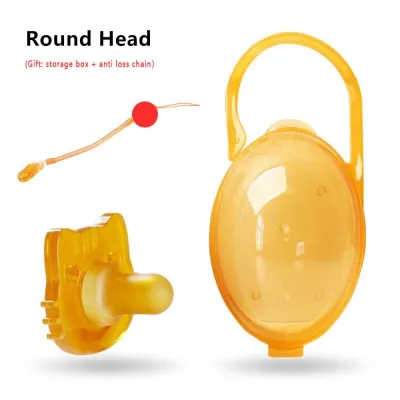
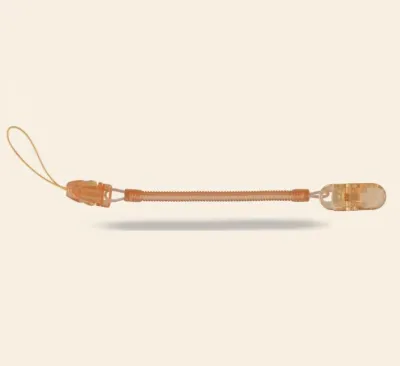
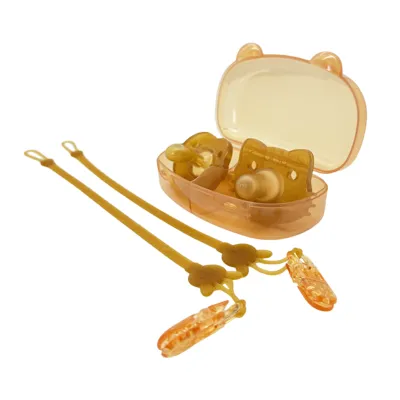
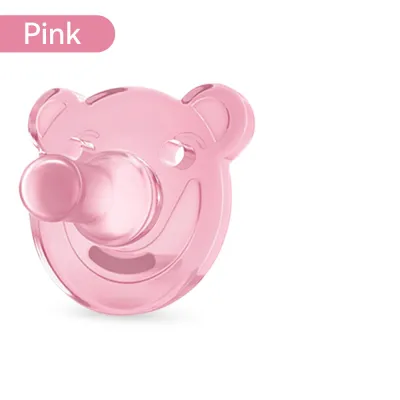
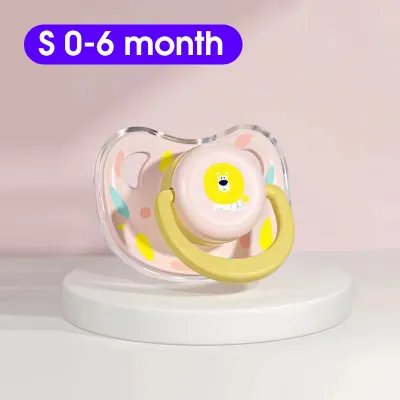
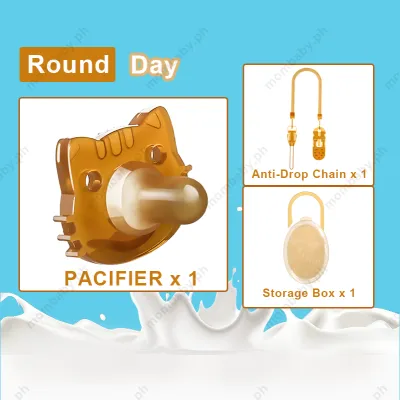
Prices are valid at publication and may change. Please refer to the product page for the latest price.
Next, turn your attention to the product packaging to verify the manufacturer’s age, weight, and developmental stage guidelines. A pacifier or teether that is too small can become a choking hazard, while one that is too large or rigid can cause oral discomfort or affect dental alignment. Do not rely solely on the product’s visual size; different materials and shapes are engineered for specific developmental milestones, such as when a baby starts sitting up or when their first molars emerge. Additionally, parents must verify that the product complies with current local safety standards and check the manufacturer’s website for any recent product recalls before purchase.
Before that first soothing session, a mandatory initial wash and sterilization are essential. Factory environments, packaging processes, and shipping channels can leave behind microscopic residues, chemical dust, or physical contaminants. Wash the item thoroughly in warm, soapy water, rinse it, and then sterilize it according to the manufacturer’s directions to ensure a sterile start.
Establish a non-negotiable safety boundary in your home: if you find even the slightest defect during your inspection, or if the product lacks clear, English-language manufacturer instructions, do not use it. It is always safer to discard an unverified or damaged item than to risk your child’s safety. Keeping a small inventory of back-up soothers can prevent the temptation to use a compromised product in a pinch.
Step-by-Step Cleaning and Sterilizing a Pacifier for Baby in Humid Climates
In tropical environments, managing moisture is the single most critical factor in keeping baby items sanitary. High humidity and warm ambient temperatures create the perfect breeding ground for microscopic pathogens, mold, and mildew. Because of this, parents must clearly distinguish between routine cleaning—which occurs after every single drop, spill, or feeding session—and deep sterilization, which should be performed daily or as recommended by your pediatrician.

A major risk point for any hollow pacifier for baby is the small space inside the nipple. When a baby sucks on a pacifier, saliva, milk residues, and water can easily slip through the ventilation holes and become trapped inside the bulb. In a damp, warm climate, this trapped moisture can turn into black mold within a matter of days. Preventing this requires diligent flushing during cleaning and a dedicated, well-ventilated drying process.
Routine Daily Cleaning
For routine cleaning throughout the day, start by washing your hands thoroughly with soap and water. Wash the pacifier or teether using mild, baby-safe dish soap and clean, warm water. Avoid using harsh chemical detergents or highly fragranced dish soaps, as these can leave behind residues that irritate your baby’s sensitive oral mucosa.
Pay close attention to the hollow nipple during this routine. Submerge the pacifier in warm, soapy water and squeeze the bulb several times to draw the soapy water inside, flushing out any trapped milk, saliva, or dust. Rinse the entire item under clean, running water, squeezing the nipple repeatedly under the stream to ensure all soap residue is completely removed.
Deep Sterilization and Drying
For deep sterilization, you must strictly defer to the manufacturer’s material limits. Common sterilization methods include boiling, electric steam sterilizers, and ultraviolet (UV) sanitizing units. Before exposing any pacifier or teether to high heat, check the product packaging or the manufacturer’s website for the maximum heat tolerance and recommended exposure times.
Silicone and latex react very differently to heat. High-grade silicone is generally heat-resistant and durable, whereas natural rubber latex is highly sensitive to heat and will degrade, soften, and crack quickly if boiled or steamed repeatedly. Never microwave a pacifier or teether unless the specific product is explicitly certified for microwave sterilization, as uneven heating can create dangerous hot spots or warp the plastic shield.
Once the sterilization cycle is complete, the post-sterilization drying process is where many parents make critical mistakes in humid climates. Remove the items using clean tongs and immediately shake out any excess water trapped inside the hollow nipple by squeezing the bulb firmly while pointing it downward. Place the sterilized items on a clean, dry, and elevated drying rack located in a well-ventilated room. Avoid placing them near windows where outdoor dust can settle on them, or in closed cupboards where stagnant, humid air will prevent them from drying completely.
Safe Usage Practices: Supervision and Hazard Prevention
Using pacifiers and teethers safely requires active, continuous adult supervision. Even if a product is rated as completely safe, a baby’s physical movements can introduce unexpected risks. Never leave your baby unattended while they are using a pacifier or chewing on a teether, especially when they are transitioning to sleep or playing actively.
One of the most dangerous practices is attaching a pacifier to your baby’s clothing using makeshift solutions. Never use strings, ribbons, cords, or loose pieces of fabric to tie a pacifier around your baby’s neck or wrist, or to secure it to their crib. These materials pose a severe strangulation hazard. If you need to keep the pacifier from falling onto the floor, use only short, safety-approved pacifier clips that comply with local safety standards. Ensure the clip is securely fastened to their clothing, is short enough to prevent wrapping around the neck, and is removed entirely when your baby is placed down to sleep.
Additionally, never dip a pacifier or teether into sweet substances like honey, syrup, condensed milk, or sugar water. This practice is a primary driver of early childhood dental caries (tooth decay) and introduces harmful bacteria directly into your baby’s mouth. In a tropical climate, sweet residues left on or around the pacifier will also rapidly attract ants and other insects, creating an unsanitary environment.
Finally, pay close attention to where you place these items when they are not in use. High temperatures accelerate the breakdown of plastics, silicone, and latex. Keep teethers and pacifiers away from direct sunlight, hot windowsills, or closed vehicles (such as car dashboards). If a teether is designed to be chilled for teething relief, place it only in the main compartment of your refrigerator. Never place a gel-filled or water-filled teether in the freezer unless the manufacturer explicitly states it is safe to do so, as extreme freezing temperatures can make the outer plastic brittle, causing it to crack and leak fluid into your baby’s mouth.
If your baby exhibits persistent gum bleeding, high fever, or signs of an oral infection, stop using any teething accessories immediately and consult a qualified pediatrician or pediatric dentist.
Storing Soothers to Prevent Mold in Damp Weather
Storing clean, sterilized pacifiers and teethers in a high-humidity environment requires a strategic approach to prevent airborne mold spores from colonizing the surfaces. Once your pacifiers and teethers are completely dry, store them in clean, breathable containers or dedicated pacifier cases designed with built-in air vents. These vents allow minimal airflow, preventing moisture from building up inside the container.
A common mistake is storing clean soothers in airtight plastic bags, sealed food containers, or silicone pouches before they are fully dry. If even a microscopic droplet of moisture is trapped inside a sealed, airtight space in warm weather, it creates a highly humid microclimate that accelerates rapid mold and bacterial growth.
Additionally, choose the location of your storage container carefully. Avoid high-humidity zones in your home, such as the bathroom, areas directly above or adjacent to the kitchen sink, or near laundry appliances. Instead, store the ventilated container in a cool, dry pantry, a dedicated nursery drawer, or an air-conditioned room where the ambient humidity is naturally lower.
When to Replace: Spotting Wear, Tear, and Hidden Mold
Pacifiers and teethers are not designed to last indefinitely, and their lifespan is significantly shortened by the environmental demands of a tropical climate. Parents must routinely check for physical signs of material degradation. Inspect the items daily for stickiness, swelling, discoloration, thinning, or visible cracks. If a silicone nipple feels sticky to the touch or if a latex nipple appears swollen and dark, the material has begun to break down and must be discarded immediately.
The combination of high ambient heat, humidity, and constant exposure to baby saliva accelerates the structural breakdown of both silicone and latex. Latex, being a natural material, is particularly prone to expanding and softening over time, which can lead to tearing during active sucking or chewing. Quality pacifier replacements in the Philippines typically range from ₱150 to ₱500, making regular replacement a highly accessible safety measure.
Hidden mold is another critical hazard. Squeeze the hollow nipple of the pacifier under a bright light to inspect the interior. If you spot any dark specks, black spots, or cloudy discoloration inside the bulb, this is a clear sign of internal mold growth. Because you cannot effectively scrub the inside of a sealed nipple, any sign of internal mold means you must dispose of the pacifier immediately.
While manufacturers often provide a general replacement timeline (such as every four to eight weeks for pacifiers), you should always prioritize the actual physical condition of the item over a calendar date. If an item shows any signs of wear, structural weakness, or mold, discard it immediately, regardless of how long you have owned it.
Frequently Asked Questions (FAQ)
Can I clean a dropped pacifier by putting it in my own mouth?
No, you should never clean a dropped pacifier by putting it in your own mouth. While it may seem like a quick way to wipe away dirt, this practice transfers cavity-causing bacteria (such as Streptococcus mutans) and other pathogens from your saliva directly to your baby’s mouth. Because an infant’s immune system is still developing, this transfer increases their risk of dental decay and infections. If a pacifier drops, wash it thoroughly with clean water and mild soap, or replace it with a clean, spare pacifier that you keep on hand.
How do I get trapped water out of a pacifier nipple after washing?
To remove trapped water from a hollow pacifier nipple, hold the plastic shield of the pacifier firmly with one hand. Point the nipple downward over a clean sink or towel, and use your other hand to squeeze the silicone or latex bulb repeatedly. This squeezing action forces the trapped water out through the ventilation holes at the base of the shield. Once most of the water is expelled, place the pacifier upright (with the nipple pointing upward or resting on a clean, ventilated drying rack) to allow any remaining moisture to evaporate completely before storage or use.
Community discussion
Share your experience or ask a question. Comments are reviewed before publication.