
Using an inverted nipple suction device can be a highly effective way to help your baby latch, but it must be done with extreme care to prevent tissue damage and support a healthy breastfeeding journey. When used correctly, these simple tools apply gentle vacuum pressure to draw out flat or inverted nipples temporarily right before a feeding session. However, because breast tissue is highly sensitive—especially during the postpartum period—improper use can lead to bruising, swelling, and severe skin irritation that can actually make breastfeeding more difficult. To use these devices safely, you must prioritize strict hygiene, apply only mild pressure, limit the duration of each session, and pay close attention to your body’s signals.
Understanding How Suction Devices Help Inverted Nipples
An inverted nipple is a condition where the nipple retracts inward into the breast instead of pointing outward. This occurs due to short milk ducts or tight tethering of the underlying connective tissue. For many mothers in the Philippines, discovering that they have flat or inverted nipples can cause anxiety when preparing to breastfeed. It is important to understand that babies do not breastfeed on the nipple alone; they take a large mouthful of the breast, which includes the areola. However, an inverted or flat nipple can make it challenging for a newborn to find the correct anchor point and establish a deep, comfortable latch.
This is where an inverted nipple suction device, often referred to as a nipple corrector or puller, becomes a valuable temporary aid. These small, manually operated devices use a gentle vacuum to temporarily stretch the tight connective tissues and draw the nipple outward. By doing this immediately before a feed, you present a more defined target for your baby, making it significantly easier for them to latch onto the breast.
Products mentioned in this guide
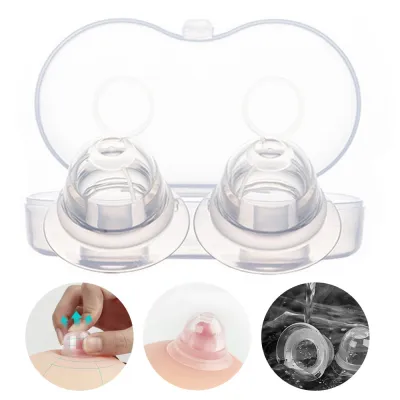
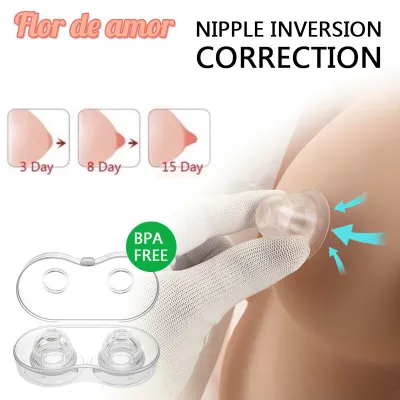
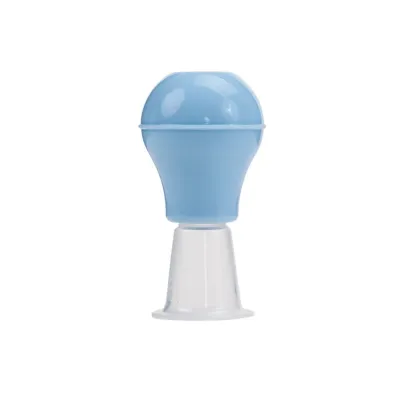
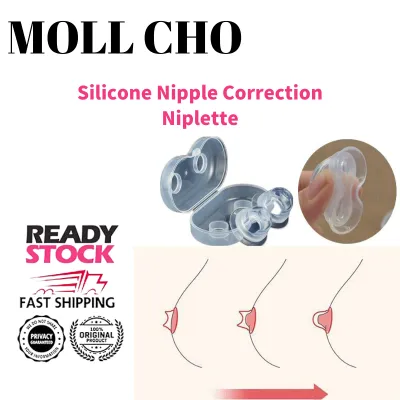
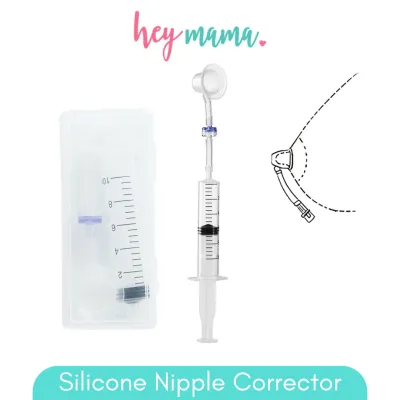
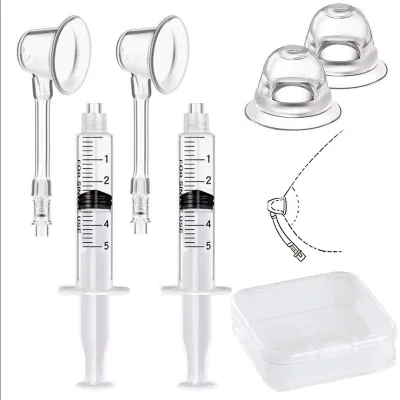
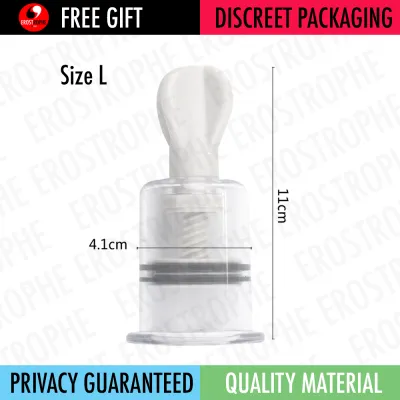
Prices are valid at publication and may change. Please refer to the product page for the latest price.
It is vital to establish realistic expectations from the beginning. These suction devices are designed to assist with the mechanics of feeding sessions; they are not guaranteed to be permanent anatomical cures. While some women find that their nipples naturally become more protractile over months of active breastfeeding, the device itself provides a temporary physical change that typically lasts long enough for the baby to latch.
Before incorporating any suction device into your daily routine, you should consult an International Board Certified Lactation Consultant (IBCLC), a midwife, or your healthcare provider. This is particularly crucial if you have a history of breast surgery, experience pain when touching your breasts, or are unsure of your specific nipple anatomy. A professional can evaluate your breasts, confirm whether the device is appropriate for your situation, and guide you on an integrated feeding plan.
Preparing for Safe Use: Hygiene and Device Checks
Maintaining strict hygiene is a primary defense against breast infections like mastitis, which can quickly derail your breastfeeding experience. In the warm, humid climate of the Philippines, moisture and sweat can accumulate rapidly on the skin, creating an environment where bacteria and yeast can thrive. Before you touch your breasts or handle any part of the suction device, you must wash your hands thoroughly with clean water and a mild, unscented soap for at least 20 seconds. Gently clean your breasts with plain water during your daily bath, avoiding harsh soaps that can strip away natural protective oils and dry out your skin.

Next, you must clean and sterilize the suction device according to the manufacturer’s specific care instructions. Because these devices are made from various materials—such as medical-grade silicone, polycarbonate, or rubber—the safe cleaning method will vary. Some parts can withstand boiling water or steam sterilization, while others may degrade under high heat and should only be washed with warm, soapy water. Always check the product manual to verify the correct sterilization limits. After washing, allow the components to air dry completely on a clean, dry paper towel or a dedicated drying rack in a well-ventilated area to prevent mold growth.
Before every single use, perform a meticulous visual inspection of the device. Look closely for any signs of wear and tear, such as small cracks in the plastic, tears in the silicone bulb, or a loss of elasticity in the suction mechanism. Damaged components can harbor harmful bacteria even after washing, and rough or cracked edges can cause micro-tears in your delicate skin. If you detect any degradation, discard the device immediately and replace it with a new one. Never use a compromised device on your breasts.
Step-by-Step Guide: Using the Device Before a Feed
Using an inverted nipple suction device requires a gentle, methodical approach. You should never rush this process, as excessive force can cause immediate pain and tissue damage. Follow these four steps to ensure a safe and effective application before you begin nursing.
Step 1: Positioning the Device Begin by finding a comfortable, relaxed position. Center the open cup or flange of the device directly over your nipple, ensuring it is perfectly aligned. The edge of the device should rest flat against your areola, creating an airtight seal without pinching, folding, or trapping the surrounding skin. If the seal is uneven, the suction will be weak, and the uneven pressure can cause localized bruising on one side of the nipple.
Step 2: Applying Gentle Suction Once the device is correctly positioned, slowly apply suction using the specific mechanism of your device. If you are using a bulb-style corrector, gently squeeze the silicone bulb before placing it on the breast, then slowly release your grip to draw the nipple in. If using a syringe-style or pump-style device, pull the plunger back gradually and smoothly. The key is to apply the minimum amount of suction required to draw the nipple out. You should feel a firm, pulling sensation, but it must never feel painful. If you experience any sharp pain or pinching, immediately release the vacuum and try again with less pressure.
Step 3: Timing the Session Keep the suction active only for a very brief period. Refer to the manufacturer’s instructions or follow the specific timeline provided by your lactation consultant. Generally, keeping the device on for one to three minutes right before a feed is sufficient to draw the nipple out. Leaving the device on for too long can cause fluid retention (edema) in the areola, making the breast hard and actually making it more difficult for your baby to latch. It can also restrict blood flow to the delicate nipple tissue, leading to bruising or skin damage.
Step 4: Releasing and Latching When the time is up, do not pull the device straight off your breast, as this sudden force can tear the skin. Instead, break the vacuum seal gently. Most devices have a release valve, or you can simply press your finger against the edge of the cup to let air in and break the seal smoothly. Once the device is removed, immediately offer your breast to your baby. The nipple will be drawn out and more prominent, allowing your baby to locate it easily and establish a deep, comfortable latch.
Managing Latch Attempts and Post-Feeding Nipple Care
Even with the help of a suction device, your baby may not latch perfectly on the first try. Breastfeeding is a learned skill for both you and your newborn, requiring patience and practice. If your baby struggles to latch after you remove the device, do not panic. Try adjusting your baby’s positioning, ensuring their chin is pressed deep into the breast and their nose is free. If the nipple begins to retract before the baby can latch, you may reapply the suction device briefly for another minute, provided your skin is not irritated.
However, if your baby becomes highly frustrated or if you find yourself getting stressed, it is best to pause. You can soothe your baby with skin-to-skin contact, or temporarily switch to an alternative feeding method recommended by your healthcare provider, such as cup feeding or spoon feeding expressed breast milk. Avoid using the suction device continuously throughout the day or between feeds unless a lactation consultant has explicitly advised a specific therapeutic schedule. Overusing the device when you are not actively feeding can overstimulate the breasts, potentially causing soreness or an unwanted increase in local skin sensitivity.
After the feeding session is complete, proper nipple care is essential to maintain skin health, especially in a tropical environment. Gently express a few drops of your breast milk and smear it over your nipples and areola. Breast milk has natural antibacterial properties and acts as an excellent, soothing moisturizer. Allow your nipples to air dry completely before putting your bra back on. If your skin feels dry, cracked, or irritated, you can apply a thin layer of medical-grade, purified lanolin or a safe, breathable moisturizer approved by your doctor. Avoid using heavily scented lotions or petroleum-based products that can block pores and trap moisture, which increases the risk of fungal infections like thrush.
Warning Signs: When to Stop and Seek Professional Help
While a nipple suction device is a helpful tool, it is not suitable for everyone, and it must be discontinued immediately if it causes adverse physical reactions. You must monitor your breasts daily for any signs of injury or infection. Stop using the device right away if you experience severe or persistent pain, or if you notice any of the following visual warning signs:
- Blistering or skin peeling: Indicates that the suction pressure is too high or the device is poorly fitted.
- Bruising or purple discoloration: Signifies broken blood vessels from excessive vacuum force.
- Bleeding or cracked skin: Creates an open pathway for bacteria to enter the breast tissue, increasing the risk of mastitis.
- Signs of infection: Localized redness, swelling, skin that feels hot to the touch, or if you develop a fever or flu-like symptoms.
Overusing the device or applying too much pressure can lead to severe tissue damage and localized swelling (edema). When the areola becomes swollen and engorged with fluid due to excessive suction, it loses its pliability, making it nearly impossible for a newborn to latch deeply. This defeats the purpose of the device and can lead to a painful cycle of poor latches and further nipple damage.
If you encounter any of these red flags, or if you find that using the device does not improve your baby’s ability to latch after several days, seek professional assistance. Contact your lactation consultant, obstetrician, or a local community health nurse. They can assess your technique, check for underlying issues like tongue-tie in your baby, and help you find alternative solutions to ensure your baby receives the nourishment they need while keeping your breasts healthy and pain-free.
Frequently Asked Questions (FAQ)
Can I use a nipple suction device if I have flat nipples instead of inverted ones?
Yes, you can use a suction device for flat nipples, but it may not always be necessary. Flat nipples do not retract inward; they simply do not protrude outward when stimulated. Many babies can latch successfully onto flat nipples without any intervention, provided they are positioned correctly and encouraged to take a deep mouthful of the breast. It is highly recommended to have a lactation consultant assess your baby’s latch first. If they determine that drawing the flat nipple out slightly would help your baby anchor onto the breast, they may suggest using a suction device or manual stimulation techniques before feeds.
Will using a suction device permanently fix my inverted nipples?
No, these devices do not permanently alter the underlying anatomy of your breasts. Inverted nipples are caused by internal physical factors, such as short milk ducts or tight connective tissue fibers. While the gentle suction draws the nipple out temporarily for feeding, the tissue will eventually return to its natural state once the suction is released. However, many mothers find that as their baby continues to nurse and draw the breast into their mouth over several weeks or months, the constant physical stretching can naturally make the nipples more protractile over time.
Is it safe to use a nipple suction device while pregnant?
You should avoid using any nipple suction or stimulation devices during pregnancy unless you have received explicit authorization from your obstetrician. Nipple stimulation triggers the release of oxytocin, a hormone that can stimulate uterine contractions and potentially induce premature labor. This risk is particularly high before you reach full term (37 weeks of gestation). If you are pregnant and concerned about how your inverted nipples will affect your ability to breastfeed, discuss your concerns with your doctor or a lactation consultant during your prenatal visits so you can plan a safe postpartum strategy.
Community discussion
Share your experience or ask a question. Comments are reviewed before publication.