
Introducing solid foods and managing teething discomfort are two major milestones in your baby’s first year. A fruit pacifier—often called a baby food feeder or silicone teething feeder—is a practical tool that addresses both stages simultaneously. This device allows your little one to safely explore the tastes and textures of fresh fruits while providing cool, textured relief to sore, inflamed gums. By placing soft food inside a secure, perforated pouch, you give your baby the independence to chew and suck without the immediate risk of choking on large solid chunks.
To get the most out of this feeding tool, you must understand how to introduce it at the right developmental stage, prepare the contents safely, and maintain strict hygiene. Because these devices come into direct contact with your baby’s mouth and fresh food, proper usage and cleaning are essential to prevent bacterial growth and ensure a safe, enjoyable sensory experience.
When to Introduce a Fruit Pacifier to Your Baby
Before offering a fruit pacifier to your baby, it is crucial to look for signs of developmental readiness rather than relying solely on a calendar date. While many product labels suggest use starting around six months of age, every baby develops at their own pace. Your baby should be able to sit upright with minimal support and demonstrate strong head and neck control. They should also show an active interest in food, such as watching you eat, reaching for your plate, or opening their mouth when food is nearby. Another key indicator is the fading of the tongue-thrust reflex, which naturally pushes solid objects out of the mouth.
Products mentioned in this guide
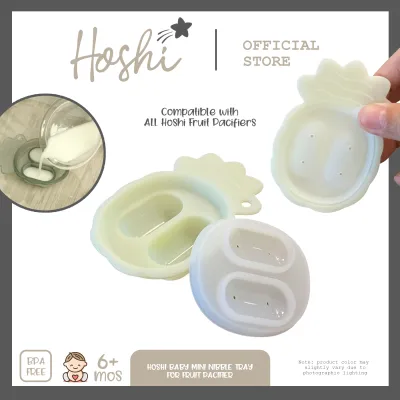
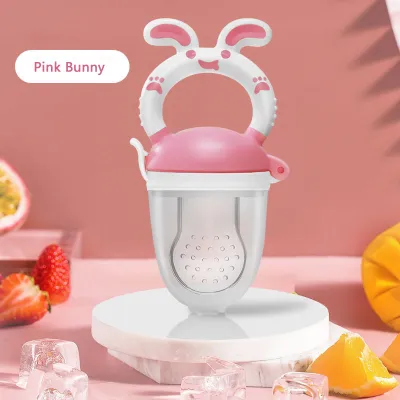
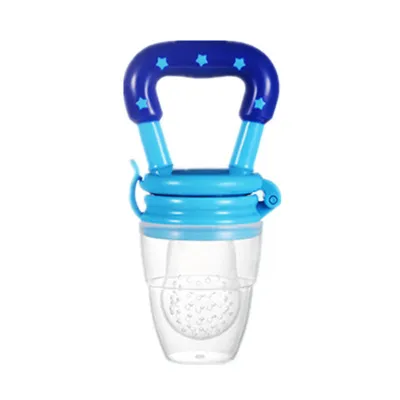
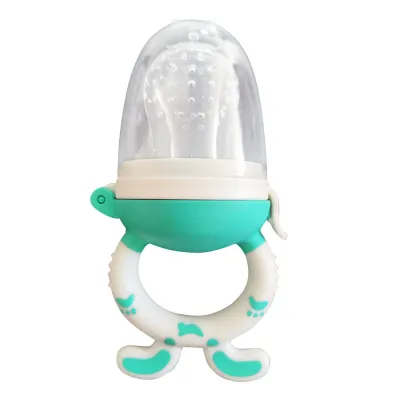
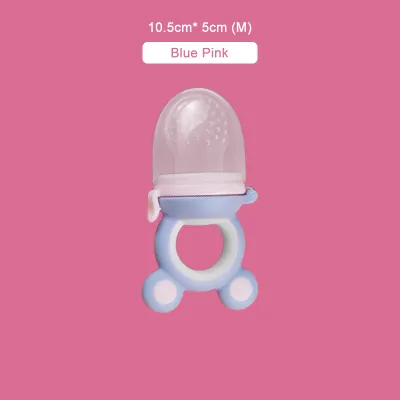
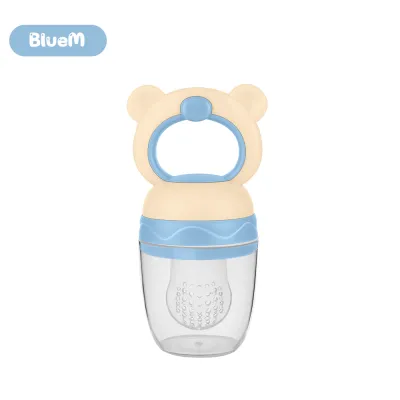
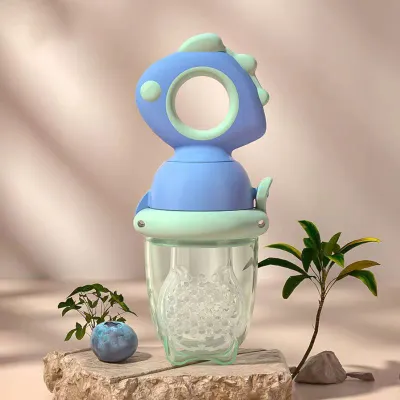
Prices are valid at publication and may change. Please refer to the product page for the latest price.
It is helpful to distinguish between using the pacifier for teething relief versus using it for early flavor exploration. If your primary goal is to soothe sore gums, you can introduce the tool slightly earlier with chilled breastmilk or frozen purees, provided your baby is developmentally ready to hold and mouth objects under close supervision. When using the device to introduce fresh fruits, wait until your baby is ready for complementary foods, which typically aligns with the six-month mark. Always consult your pediatrician before introducing new foods to ensure your baby’s digestive system is ready.
Using a fruit pacifier during these early stages helps bridge the gap between liquid feeds and solid foods. It allows your baby to practice hand-eye coordination as they grasp the handle and guide the pouch to their mouth. It also encourages self-feeding habits early on, giving your baby control over the pace of their sensory exploration while keeping the experience safe and manageable.
Choosing and Preparing Safe Fruits for the Pouch
Selecting the right fruits is essential for a successful and safe feeding session. For beginners, choose fruits that have a soft, naturally mashable texture and yield plenty of juice and puree when squeezed. In tropical climates like the Philippines, ripe mangoes, soft bananas (such as latundan or lakatan varieties), ripe papayas, and avocados are excellent choices. These fruits are easy for your baby to mash with their gums through the perforations, providing instant flavor and a satisfying texture without requiring teeth.

Conversely, you must avoid hard, round, or highly acidic fruits that could cause irritation or pose a choking hazard if they somehow escape the pouch. Raw apples, firm pears, and carrots are too hard for a baby to mash and should never be placed in the feeder raw; however, you can steam them until they are completely soft before putting them in the pouch. Avoid highly acidic citrus fruits like calamansi, lemons, or sour pineapples, as the high acidity can irritate your baby’s sensitive skin, cause rashes around the mouth, or upset their stomach. Additionally, ensure you thoroughly remove any small seeds or tough skins from fruits like grapes or watermelons before serving.
To prepare the fruit, start by washing your hands and the produce thoroughly under clean, running water. Peel the skin completely, remove any pits, seeds, or fibrous strings, and cut the fruit into small, neat cubes that fit easily into the feeder’s pouch. Avoid overfilling or forcing the fruit into the pouch, as this can put pressure on the locking mechanism and cause it to fail during use. Fill the pouch just enough so that it can be closed and locked securely without any juices leaking out prematurely, which can create a sticky mess in warm, humid weather.
Step-by-Step Guide to Using a Fruit Pacifier
Using a fruit pacifier safely requires a careful, step-by-step approach to ensure the device is secure and your baby is positioned correctly. Start by assembling the thoroughly cleaned feeder. Insert the silicone or mesh pouch into the plastic collar, fill it with your prepared fruit pieces, and snap or screw the locking ring shut. Double-check the locking mechanism by gently tugging on the pouch and trying to pry the latch open with your fingers. It should remain firmly locked to ensure your baby cannot accidentally open the compartment and access large chunks of food.
Once the feeder is secure, place your baby in an upright sitting position, preferably in a high chair. Never allow your baby to use a fruit pacifier while lying down or reclining, as this increases the risk of fluids pooling at the back of their throat, which can lead to choking or gagging. Hand the feeder to your baby and let them explore it at their own pace. You must maintain constant, direct adult supervision throughout the entire session. Never leave your baby unattended with the feeder, even for a brief moment, and do not let older siblings handle the device while the baby is using it.
As your baby chews, watch their cues closely to determine when they are finished. A baby will typically show they are done by dropping the feeder, turning their head away, or losing interest in chewing. You should also monitor the state of the food inside the pouch. Once the fruit has been completely mashed and the juices are gone, remove the pacifier. Leaving an empty pouch with your baby can lead to frustration, excess air swallowing, or unnecessary gum irritation from chewing on the empty silicone or mesh.
Cleaning, Maintenance, and Essential Safety Rules
In warm, humid tropical environments, food residue left on baby gear can quickly become a breeding ground for bacteria and mold. Therefore, you must clean the fruit pacifier immediately after every use. Disassemble all parts of the feeder, including the pouch, collar, handle, and cap. Rinse them under warm running water to wash away loose pulp and juices before they dry and harden. For silicone pouches, wash with mild dish soap and a soft bottle brush. For mesh pouches, which tend to trap tiny fruit fibers, soak the mesh in warm, soapy water for a few minutes, then use a clean toothbrush to gently scrub the fibers until all residue is gone. Sterilize the parts according to the manufacturer’s instructions, ensuring the materials are rated for boiling water or steam sterilization.
Before assembling the feeder for the next use, perform a quick inspection of all components. Gently stretch the silicone or mesh pouch and hold it up to the light to check for micro-tears, holes, or thinning areas, which can easily develop once your baby starts growing sharp teeth. Inspect the plastic hinges, handles, and locking latches for any hairline cracks or structural weaknesses. If you notice any damage, discard the compromised part immediately. Replacement silicone pouches are widely available and affordable, often costing under ₱100, making it easy to keep the device safe and hygienic.
Finally, always adhere to crucial safety boundaries to protect your baby. A fruit pacifier is an active feeding and teething tool; it should never be used as a regular pacifier, a pacifier attached to a clip, or a sleep soother. Never leave it in your baby’s crib or playpen. If your baby shows any signs of distress, coughing, or persistent gagging during a session, remove the feeder immediately and sit them upright. By treating the fruit pacifier as an active, supervised developmental tool, you ensure a safe and positive introduction to the world of fresh flavors.
Frequently Asked Questions (FAQ)
Can a fruit pacifier replace regular meals or milk feeds?
No, a fruit pacifier cannot replace regular meals or milk feeds. For babies under one year of age, breastmilk or infant formula remains the primary source of essential nutrition and calories. The fruit pacifier is strictly a supplementary tool designed for sensory exploration, self-feeding practice, and teething relief. It should only be offered in small amounts between regular milk feeds or as a fun addition to their established solid food routine, ensuring it does not interfere with their primary nutritional intake.
How long should a baby use a fruit pacifier in one sitting?
A baby should use a fruit pacifier for approximately 10 to 15 minutes per session. This timeframe aligns with a baby’s natural attention span and prevents jaw fatigue from repetitive chewing. You should remove the pacifier as soon as the fruit inside is fully depleted, mashed, or loses its flavor. Removing the device promptly prevents your baby from swallowing excess air or chewing on an empty, collapsed pouch, which can cause gum discomfort.
Is a silicone or mesh fruit pacifier better for teething?
Both materials have distinct characteristics, but silicone is generally preferred for teething relief. Silicone pouches are firmer, providing a more substantial surface for massaging sore, swollen gums, and they can easily hold chilled or frozen purees. They are also non-porous, highly durable, and much easier to clean and sanitize. Mesh pouches offer a softer, more flexible texture that some babies find comforting, but they require meticulous scrubbing to remove trapped food particles and are more prone to tearing over time. Check the manufacturer’s age and material recommendations to choose the best option for your baby’s developmental stage.
Community discussion
Share your experience or ask a question. Comments are reviewed before publication.