
Swaddling a newborn with a modern baby swaddle wrap is an effective way to soothe your infant, mimic the security of the womb, and prevent the sudden startle reflex from waking them. Unlike traditional square blankets that require complex folding techniques, a dedicated swaddle wrap utilizes built-in fasteners, zippers, or wings to simplify the process. However, achieving a secure wrap requires careful attention to safety guidelines, hip health, and temperature regulation. By mastering the correct positioning, securing the upper body safely, and leaving ample room for natural hip movement, you can create a secure sleep environment that supports your baby’s rest.
When to Use a Swaddle Wrap and Safety Boundaries
Before introducing a swaddle wrap to your newborn’s sleep routine, review the manufacturer’s specific guidelines. Every brand designs its wraps with distinct age, weight, and size limits, typically printed on the product packaging or fabric label. Placing a baby in a wrap that is too large can lead to loose fabric shifting over their face, while a wrap that is too small can restrict breathing or compress developing joints. Always weigh and measure your baby regularly to ensure they remain within the recommended specifications.
In addition to physical measurements, observe your baby’s developmental milestones. Swaddling is strictly a temporary practice meant for the earliest weeks of life. The moment your baby shows any signs of attempting to roll over—whether from back to front or front to back—you must stop swaddling immediately. A swaddled baby who rolls onto their stomach is at a high risk of suffocation because their arms are restricted, preventing them from lifting their head or turning their face to breathe.
Products mentioned in this guide
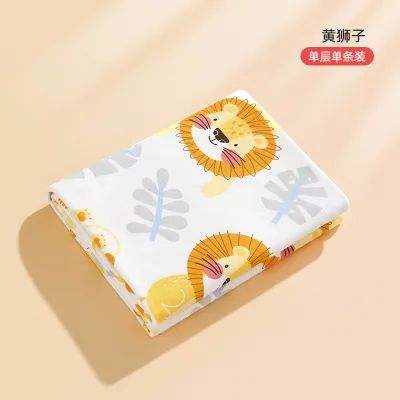
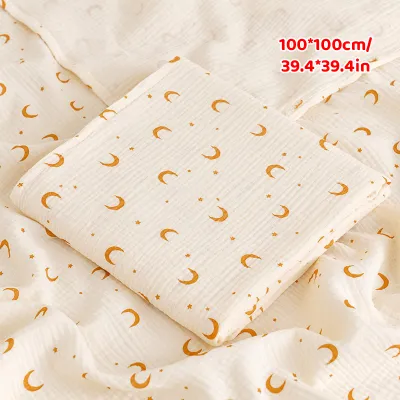
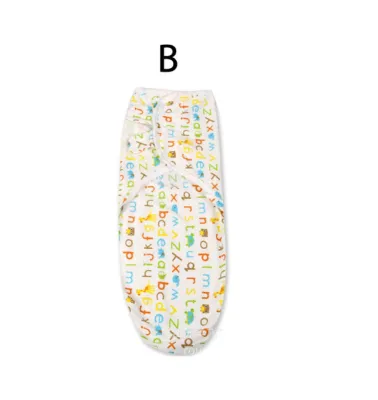
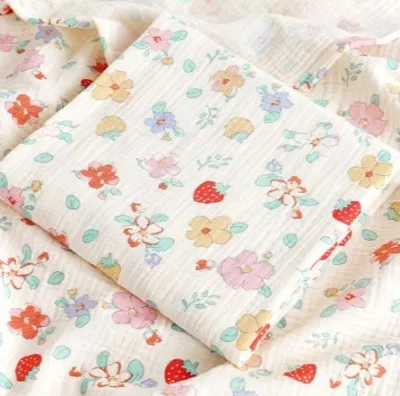
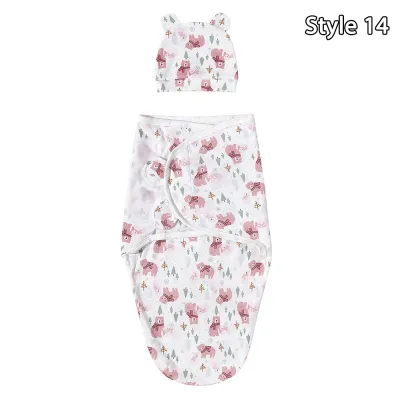
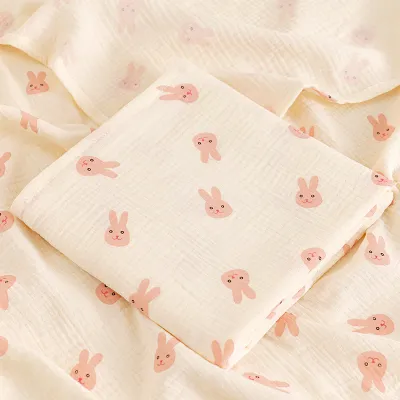
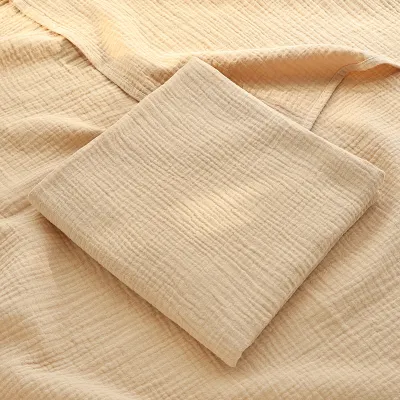
Prices are valid at publication and may change. Please refer to the product page for the latest price.
To maintain a safe sleep environment, swaddling must always be paired with standard safe sleep practices. Pediatricians recommend that infants sleep on their backs on a firm, flat surface. The sleep space must be entirely free of loose blankets, pillows, bumper pads, stuffed animals, or sleep positioners. A swaddle wrap is designed to replace loose bedding entirely, minimizing the risk of accidental airway obstruction during unsupervised sleep sessions. If you have any concerns about your baby’s sleep patterns or physical development, consult a qualified pediatrician.
Preparing for a Safe Swaddling Session
Creating a safe physical environment is the first step before placing your baby into the swaddle wrap. Begin by preparing the crib, bassinet, or playard. The mattress must be firm and covered only by a tight-fitting sheet. Ensure there are no gaps between the mattress and the frame where fabric or limbs could become trapped. Removing all soft objects from the sleep area ensures that the swaddle wrap is the only fabric present in the sleep space.

Next, perform a quick physical inspection of the swaddle wrap itself. Check the fabric for any signs of wear, such as thinning material, frayed edges, or loose threads that could wrap around tiny fingers or toes. Inspect the fasteners, whether they are hook-and-loop strips, zippers, or snaps. Ensure they grip securely and do not have sharp edges. Stretched-out fabric or weakened fasteners can allow your baby to break free during the night, creating dangerous loose folds of cloth in the crib.
In tropical climates like the Philippines, managing the ambient temperature is critical to preventing overheating. High humidity and warm evenings mean that babies can easily become too hot while swaddled. Assess the room temperature and adjust your baby’s base layers accordingly. On warm nights, a simple short-sleeved bodysuit or even just a diaper under a lightweight, breathable cotton or bamboo swaddle wrap may be sufficient. If you use air conditioning, monitor the room temperature to ensure it remains comfortable, and avoid placing the crib directly in the path of cold air currents or electric fans.
Step-by-Step Guide to Swaddling Your Newborn
Using a swaddle wrap makes the swaddling process much more consistent than using a traditional flat blanket, but it still requires precise execution. Following a structured sequence ensures the wrap functions exactly as the manufacturer intended, keeping your baby secure without causing discomfort.
Positioning the Baby and the Wrap
Start by laying the swaddle wrap completely flat on the prepared sleep surface. Orient the wrap according to the manufacturer’s instructions, ensuring that any wings, pockets, or fastener strips are spread out wide and positioned correctly. If the wrap features a foot pocket, make sure it is aligned at the bottom, ready to receive your baby’s legs.
Gently lay your baby down on their back, centering their body along the midline of the wrap. Position them so that their shoulders are aligned just slightly below the top edge of the fabric. This alignment is crucial; if the baby is placed too low, the fabric may ride up over their chin, while placing them too high will prevent the wrap from securing the shoulders properly.
Double-check that the baby’s head and neck are completely free of the wrap. The fabric should never touch the ears or cover the back of the head. The mattress should fully support the baby’s head and neck, with no extra padding or folded fabric underneath the skull, ensuring an open and unobstructed airway.
Securing the Arms and Torso
Once your baby is positioned, secure the upper body. Depending on the design of your swaddle wrap, you will either tuck one arm down at a time or place both arms into designated sleeves or pockets. Follow the specific folding or fastening sequence designed for your product, ensuring that you do not force your baby’s limbs into unnatural positions.
Most swaddle wraps are designed to keep the baby’s arms snug against their sides or gently crossed over their chest, mimicking their natural fetal position. If your baby prefers to sleep with their hands near their face, look for a wrap designed specifically to accommodate this position. Never force a baby’s arms straight down if they resist; instead, guide them gently and let the wrap hold them securely but comfortably.
As you pull the wings or flaps across the baby’s chest and secure the fasteners, pay close attention to the tension. The wrap must be snug enough to prevent the startle reflex from waking the baby, but it must never compress the chest. There must be enough flexibility in the fabric to allow the baby’s chest to rise and fall naturally with every breath, ensuring their ribcage can expand fully without restriction.
Finishing the Swaddle and Checking Fit
The lower half of the swaddle wrap requires a different approach than the snug upper half. Healthy hip development depends on allowing the baby’s legs to move naturally. When securing the bottom of the wrap or tucking in the foot pocket, ensure there is plenty of loose fabric around the hips, knees, and feet.
Your baby’s legs should be able to bend up and out at the hips, forming a natural “frog-leg” position. Avoid any swaddling technique or product that pulls the baby’s legs straight down or forces their knees tightly together, as this can lead to hip dysplasia or joint strain. The bottom fasteners should secure the fabric without applying upward or downward tension on the legs.
Finally, inspect the completed swaddle for any loose ends or excess fabric. If the wrap has long wings or adjustable straps, ensure they are fully fastened and tucked away according to the product instructions. Loose fabric can easily shift as the baby moves, potentially sliding upward and covering their nose or mouth during sleep.
How to Verify the Swaddle is Safe and Comfortable
Once the swaddle wrap is fully secured, perform a few quick physical checks before leaving your baby to sleep. The first check is the finger-width test. Slide two of your fingers between the swaddle wrap and your baby’s chest. The fabric should feel snug against your fingers, but you should be able to slide them in easily without forcing them. If you cannot fit two fingers, the wrap is too tight and must be loosened; if there is a large gap, it is too loose and could unravel.
Next, visually inspect the area around your baby’s face. Confirm that the top edge of the swaddle wrap sits well below the chin and cannot slide upward when the baby wiggles. The fabric should remain flat against the upper chest and shoulders. If the collar of the wrap looks loose or bunches up toward the mouth, remove the wrap and reposition the baby higher up on the fabric before refastening.
Finally, monitor your baby for signs of overheating, which is especially important in warm, humid environments. Feel the back of your baby’s neck or their chest; these areas should feel warm and dry, not hot or sweaty. Signs of overheating include damp hair, a sweaty neck, flushed cheeks, rapid breathing, or heat rash. If you notice any of these signs, immediately unswaddle the baby, allow them to cool down, and adjust their base clothing layers or the room’s ventilation before swaddling again.
When to Stop Swaddling and Transition
Swaddling is a highly effective tool for newborns, but it has a strict expiration date based on your baby’s physical development. Monitor your baby closely during both sleep and awake times for the earliest signs of rolling. If your baby begins to wiggle onto their side, arch their back significantly, or attempt to roll over from their back to their tummy, you must stop swaddling immediately.
Even if your baby has not yet shown signs of rolling, adhere strictly to the manufacturer’s maximum weight, height, or age limits. As babies grow stronger, they can easily overpower the fasteners of a swaddle wrap, increasing the risk of the wrap coming undone in the crib. Regularly check your baby’s growth against the product’s specifications to determine when they are outgrowing the wrap.
When it is time to transition away from swaddling, plan a gradual or immediate shift to a safe alternative. Many parents choose to transition to a wearable blanket or sleep sack, which keeps the baby warm without restricting their arms. Some transition wraps allow you to swaddle with one arm out for a few nights before freeing both arms, helping your baby adjust gradually to the freedom of movement while maintaining a familiar sleep routine.
Frequently Asked Questions (FAQ)
Is it safe to swaddle my baby for every sleep session?
Swaddling is generally safe for nighttime sleep and naps, provided you follow all safety guidelines and place your baby on their back on a firm, flat surface. However, swaddling should be reserved strictly for sleep times. During supervised awake hours, your baby needs full freedom of movement to stretch, kick, explore their hands, and develop their motor skills. Keeping a baby swaddled while awake can limit their physical development and reduce opportunities for essential tummy time.
What should I do if my baby keeps breaking out of the swaddle?
If your baby frequently escapes their swaddle, first verify that you are using the correct size according to their current weight and length. An oversized wrap will have loose areas that make escaping easy, while an undersized wrap may not fasten securely. Next, review the manufacturer’s instructions to ensure you are applying the correct tension and aligning the fasteners properly. Never use safety pins, extra straps, or loose blankets to secure a loose swaddle, as these introduce severe safety hazards to the sleep environment. If your baby continues to break free, it may be time to transition to a wearable sleep sack that allows free arm movement.

Community discussion
Share your experience or ask a question. Comments are reviewed before publication.