
Preparing baby formula while traveling or running errands in the Philippines requires careful planning to protect your baby’s health. High humidity and tropical heat accelerate bacterial growth, making dry powder storage and on-demand mixing the safest approach. Using a dedicated milk powder container allows you to pre-measure dry formula portions at home, ensuring you can quickly mix a fresh, safe bottle whenever your baby gets hungry. This method eliminates the need to carry bulky formula cans or guess measurements while managing a hungry infant in public spaces. By mastering the preparation steps and maintaining strict hygiene standards, you can confidently feed your baby anywhere, from a busy shopping mall to a family road trip.
What to Pack and Prepare Before You Leave Home
Before stepping out of the house, gathering the right tools is essential for a smooth feeding experience. Your travel kit should include a clean milk powder container, the required number of sterilized baby bottles with secure caps, and a reliable insulated thermos filled with safe, hot water. If your formula brand requires mixing at a specific temperature, you may also need to carry a separate bottle of cooled, sterilized water to adjust the temperature. Having these items organized in a dedicated section of your diaper bag prevents frantic searching when your baby begins to cry.
Proper preparation of the milk powder container begins well before you add any formula. Wash the container thoroughly with warm, soapy water, rinse it completely, and sanitize it according to the manufacturer’s instructions. In a humid tropical climate, any lingering moisture inside the compartments will cause the powder to clump, spoil, or stick to the plastic walls. Ensure every compartment, lid, and silicone seal is bone-dry by letting them air-dry completely on a clean rack. Even a single drop of water can ruin an entire portion of formula, making it difficult to dispense and potentially encouraging bacterial growth.
Products mentioned in this guide
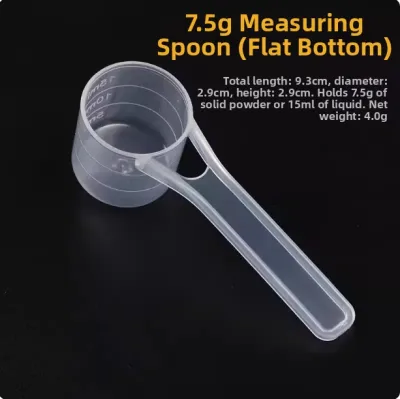
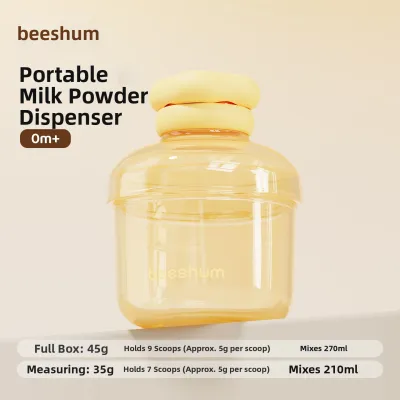
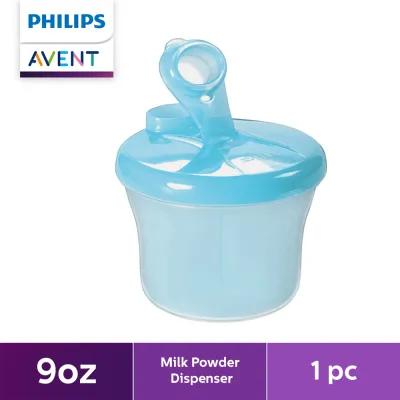
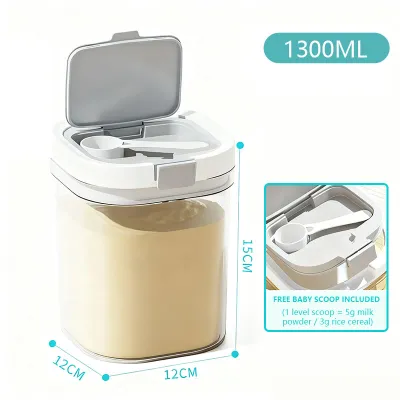
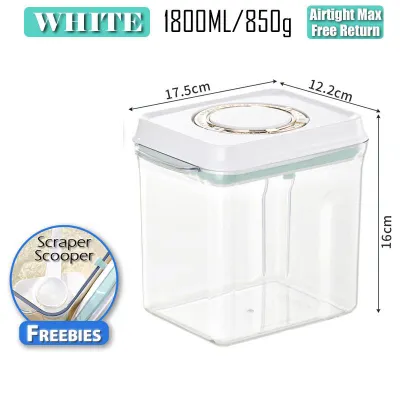
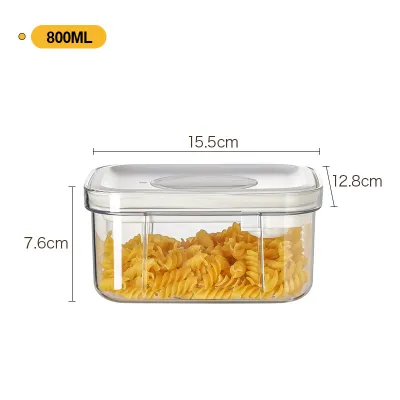
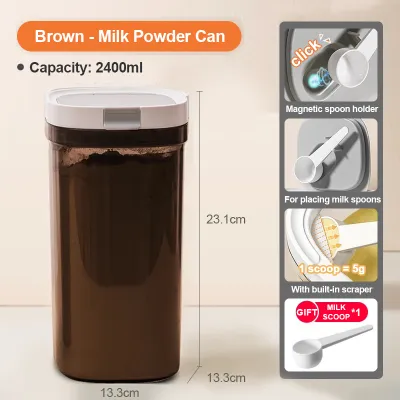
Prices are valid at publication and may change. Please refer to the product page for the latest price.
Once the container is dry, carefully portion the dry formula. Use the scoop that came with your current formula tub, as scoop sizes vary significantly between brands and stages. Measure the exact number of scoops required for each individual feed into separate compartments of the container. Do not pack or compress the powder into the scoop unless the manufacturer’s instructions explicitly direct you to do so; instead, level each scoop with a clean, dry knife or the built-in leveler on the formula tub. Keep track of which compartment holds which portion size if your baby drinks different amounts throughout the day.
Finally, verify that the container’s lid and seals are completely secure before packing it away. Many milk powder containers feature a rotating lid with a single dispensing spout, while others have individual snap-on caps for each compartment. Ensure that the lid clicks firmly into place and that the seals are aligned. A loose lid can allow humid air to enter, causing the powder to degrade, or worse, allow the powder to spill and mix between compartments. This simple check prevents messy spills inside your diaper bag and ensures your measurements remain accurate.
How to Mix the Bottle Safely While On-the-Go
When your baby is ready to feed, find a clean, stable surface to prepare the bottle. Start by thoroughly cleaning your hands with soap and water, or use an alcohol-based hand sanitizer if running water is unavailable. Check the water temperature in your thermos against the specific formula manufacturer’s instructions. Some formulas require water that has been boiled and cooled to no less than 70°C to eliminate any potential pathogens that may be present in the dry powder. Other formulas may allow for room-temperature sterilized water, so always verify the preparation instructions on your specific formula packaging.

To mix the bottle, always pour the water into the sterilized bottle first. Measure the water level at eye level to ensure absolute accuracy. Adding the water first is a critical step; if you add the powder first, it displaces the water, making it difficult to measure the liquid volume accurately. This can result in an overly concentrated feed that can strain your baby’s developing kidneys and digestive system, or a diluted feed that lacks proper nutrition. Once the water is at the correct level, rotate the lid of your milk powder container so the dispensing spout aligns with the compartment containing the pre-measured powder.
Carefully open the spout and align it directly over the neck of the baby bottle. Tilt the container and tap the bottom gently to guide all the powder into the water. In humid conditions, formula powder can easily stick to the plastic spout or the edges of the compartment. Visually inspect the compartment to confirm that every grain of powder has transferred into the bottle. If any powder clings to the spout, gently tap the container again or use a clean, sterilized utensil to dislodge it, ensuring your baby receives the full, intended dose.
After transferring the powder, immediately secure the bottle nipple, collar, and cap tightly to prevent leaks. To dissolve the powder completely, use the mixing method recommended by the manufacturer. Generally, swirling the bottle gently in a circular motion is preferred over vigorous shaking. Gentle swirling helps dissolve the formula thoroughly while minimizing the introduction of air bubbles into the liquid. Excessive air bubbles can lead to gas, colic, and spit-up, causing discomfort for your baby during and after the feed.
Before offering the bottle to your baby, always perform a quick temperature test. Shake a few drops of the prepared formula onto the inside of your wrist. The skin on your wrist is highly sensitive and will quickly tell you if the liquid is too hot. The formula should feel lukewarm or neutral. If the liquid feels hot, do not feed it to your baby. Cool the bottle by holding the lower half under cold running water or placing it in a cup of cool water for a few minutes, then retest the temperature before feeding.
Essential Safety and Hygiene Rules for Travel Feeding
Maintaining strict hygiene while feeding on-the-go is vital for preventing foodborne illnesses. Always prioritize water safety by using water that has been boiled and cooled, or commercially sealed bottled water that is specifically labeled as safe for infant consumption. Avoid using tap water from public restrooms, parks, or restaurants to prepare your baby’s bottle, as municipal water quality can vary. Even when rinsing feeding equipment while out, stick to safe, potable water to avoid introducing harmful microorganisms to your baby’s bottles.
Always check your formula packaging for specific time limits regarding how long prepared formula can safely sit. Once the dry powder is mixed with water, the clock starts ticking. In the warm, tropical climate of the Philippines, bacteria can multiply rapidly in warm milk. Generally, prepared formula should be consumed within two hours of mixing if kept at room temperature. If the ambient temperature is exceptionally warm, this safe window may be even shorter. Never leave a prepared bottle in a hot car or exposed to direct sunlight, as this creates an ideal breeding ground for bacteria.
If your baby does not finish the entire bottle, you must discard the leftover formula within one hour of the start of the feed. When your baby sucks on the nipple, saliva enters the bottle. Saliva contains bacteria and enzymes that begin to break down the formula and multiply rapidly in the liquid. Saving this partially consumed formula for a later feed—even if you place it in a cooler bag—is unsafe and increases the risk of diarrheal illnesses. Always discard the leftovers and wash the bottle as soon as possible.
Recognizing when to stop and seek an alternative is a key part of safe travel feeding. If you find yourself in an environment where you cannot clean your hands, if your water supply has run hot or cold beyond safe limits, or if you suspect your milk powder container has been contaminated by moisture or pests, do not proceed with the feed. It is always safer to delay the feed slightly until you can access clean water and a hygienic environment, or to use a ready-to-feed liquid formula alternative if available and recommended by your pediatrician.
How to Clean and Maintain Your Milk Powder Container
Keeping your milk powder container clean ensures it remains a safe, hygienic tool for future outings. A durable milk powder container, which typically costs between ‛150 and ‛500 on local ecommerce platforms, is a highly cost-effective investment for mobile parenting. As soon as you return home, empty any unused formula powder from the compartments. Do not leave dry powder in the container for extended periods, as it can absorb ambient moisture and spoil. Rinse all parts of the container promptly with warm water to prevent milk residue from drying and hardening in the corners, which makes cleaning much more difficult later.
Wash all disassembled parts—including the main body, individual compartments, lids, and silicone seals—with warm, soapy water. Use a mild dishwashing liquid designed specifically for baby bottles and accessories. A dedicated baby bottle brush or a small detail brush is highly effective for reaching into the tight corners of the compartments and the narrow opening of the dispensing spout. Ensure you scrub away all visible residue, as dried formula can harbor bacteria and cause unpleasant odors.
After washing, rinse all components thoroughly with clean water to remove any soap residue. Place the parts on a clean, dry rack in a well-ventilated area to air-dry completely. In humid tropical environments, avoid reassembling the container while any part is still damp. Trapped moisture can quickly lead to mold growth or cause the powder to clump during your next use. If you prefer to sanitize the container, check the manufacturer’s instructions to ensure the plastic can withstand steam or boiling water without warping.
Regularly inspect your milk powder container for signs of wear and tear. Look closely for fine cracks in the plastic, worn or stretched silicone seals, or persistent odors that remain even after thorough washing. Cracks can harbor bacteria and compromise the structural integrity of the container, while worn seals can lead to leaks and moisture entry. If you observe any of these issues, it is time to replace the container. Investing in a new, high-quality container ensures your baby’s food remains safe and dry.
Frequently Asked Questions (FAQ)
Can I pre-mix formula and carry it in a cooler bag?
While some formula manufacturers provide instructions for transporting pre-mixed formula in a cooler bag with ice packs, mixing on demand is generally the safer and more reliable choice for travel. In a tropical climate, maintaining a consistently cold temperature inside a portable cooler bag can be difficult, especially during outdoor activities. If the temperature inside the bag rises, bacteria can multiply quickly in the liquid formula. Carrying dry powder in a milk powder container and mixing it with safe water right before feeding eliminates this risk, ensuring your baby always receives a fresh, safe meal.
What should I do if my baby doesn't finish the bottle?
Any formula left in the bottle after a feed must be discarded within one hour of the start of the feeding. Bacteria from your baby’s saliva enter the bottle during feeding and grow rapidly in the warm milk, posing a health risk if consumed later. Saving leftovers in a diaper bag or cooler does not stop this bacterial growth. To minimize waste, try preparing smaller volumes of formula if your baby’s appetite is unpredictable. You can easily mix a small additional portion from your milk powder container if your baby is still hungry after finishing the first bottle.
Community discussion
Share your experience or ask a question. Comments are reviewed before publication.