
Administering Tiki Tiki drops to your baby requires careful attention to dosage, timing, and proper physical technique to ensure your little one receives their nutritional support safely. As a liquid multivitamin formulated specifically for infants, these drops are designed to supplement a baby’s daily nutrient intake during critical stages of early development. However, because every infant’s nutritional needs and physical development vary, giving any supplement requires a systematic approach that prioritizes safety, hygiene, and professional medical guidance. By understanding the correct administration methods, recognizing how to read product labels, and learning how to handle a fussy baby during feeding time, you can make this daily routine stress-free and highly beneficial for your child’s growth.
Understanding Multivitamin Drops and When to Use Them
Liquid multivitamin drops serve as a targeted way to deliver essential vitamins and minerals to infants who may need nutritional support. During the first year of life, babies undergo rapid physical and cognitive development, requiring a steady supply of key nutrients to support their growing bodies. While breast milk and infant formula provide the primary foundation of early nutrition, certain situations may prompt a healthcare provider to recommend an additional liquid supplement.
Pediatricians often suggest multivitamin drops under specific circumstances. For instance, if a baby is transitioning to solid foods and demonstrating picky eating habits, drops can help bridge temporary nutritional gaps. Additionally, infants born prematurely, those with specific absorption challenges, or babies who are not consistently meeting their developmental growth milestones may benefit from a structured vitamin routine.
Products mentioned in this guide
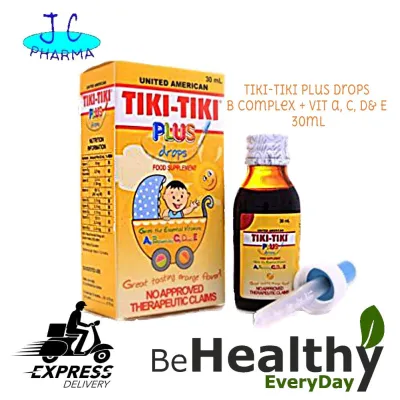


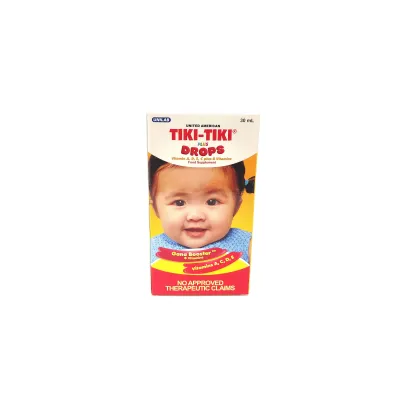
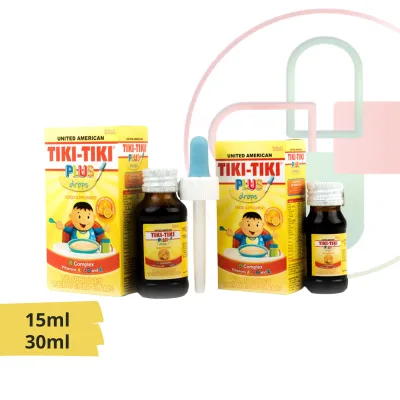



Prices are valid at publication and may change. Please refer to the product page for the latest price.
Before introducing Tiki Tiki drops or any other supplement to your baby’s daily routine, consulting a qualified pediatrician is an absolute necessity. A healthcare professional can evaluate your baby’s unique dietary intake, physical growth, and overall health status to determine if supplementation is truly required. Starting vitamins without professional guidance can lead to unnecessary nutrient imbalances, making expert consultation the essential first step for any caregiver.
How to Determine the Correct Dosage for Your Baby
Determining the correct dosage of liquid vitamin drops is a critical task that requires absolute precision. Because infant formulations are highly concentrated, even a small deviation from the recommended amount can have a significant impact on your baby’s delicate system. To find the safe and accurate dosage, caregivers must always start by carefully reading the specific product packaging and the enclosed manufacturer leaflet.

The product label provides essential details regarding the concentration of vitamins per milliliter and outlines age-based instructions. It is vital to recognize that generic online dosage charts or advice from parenting forums can be highly unreliable. Manufacturers occasionally update their formulations, meaning that older charts or different product variants may specify entirely different concentrations. Relying on unverified sources increases the risk of under-dosing or accidental over-dosing.
To ensure absolute safety, always verify the exact dosage with your baby’s pediatrician. The doctor will calculate the appropriate volume based on your baby’s current weight, age, and specific health requirements rather than relying solely on broad age brackets. If the pediatrician’s prescribed dosage differs from the general guidelines printed on the box, always follow the personalized instructions provided by your healthcare provider.
Step-by-Step Guide to Administering the Drops
Giving liquid drops to an infant requires a calm environment, clean hands, and a structured physical technique to prevent choking and ensure the baby swallows the entire dose. Following a consistent step-by-step process helps establish a safe routine for both you and your baby.
Begin by thoroughly washing your hands with soap and warm water to maintain strict hygiene. Prepare the supplement bottle by checking the label instructions; some liquid vitamins require gentle shaking before use to ensure the active ingredients are evenly distributed throughout the liquid. Carefully unscrew the cap and use the provided dropper to draw the exact amount prescribed by your pediatrician. Double-check the liquid level against the measurement markings on the dropper in a well-lit room to confirm accuracy.
Next, position your baby securely to ensure safe swallowing. Hold your baby in a semi-upright position, cradling their head and neck gently but firmly in your arm, similar to the position used during bottle-feeding. Never administer liquid drops while your baby is lying completely flat on their back, as this significantly increases the risk of choking, coughing, or inhaling the liquid into their lungs.
To administer the drops, gently place the tip of the dropper into your baby’s mouth, aiming toward the inside of their cheek rather than the back of their throat. Slowly squeeze the bulb to dispense the liquid in small, manageable increments. Dispensing the medicine slowly allows your baby to swallow naturally at their own pace and prevents them from gagging or spitting the liquid back out.
Once the full dose has been administered, carefully remove the dropper. Clean the dropper thoroughly according to the manufacturer’s instructions, which typically involve rinsing it with clean, room-temperature water and allowing it to air dry. Secure the bottle cap tightly to prevent contamination and preserve the stability of the remaining liquid.
Practical Tips for Fussy or Resistant Babies
Not all babies accept liquid vitamins easily, and some may resist the taste, texture, or the physical presence of a dropper. If your baby becomes fussy, cries, or actively tries to push the dropper away, forcing the liquid down can lead to choking and create a negative association with the routine. Employing gentle behavioral strategies can make the process much smoother.
One effective method is to use a clean pacifier immediately after administering the drops. Sucking on a pacifier triggers a natural swallowing reflex, helping the baby swallow any remaining liquid in their mouth while providing instant comfort. Alternatively, you can use a favorite toy, soft music, or gentle talking to distract your baby right before and during the administration, keeping their attention away from the dropper.
If your baby consistently rejects the taste of the drops, you may wonder if you can mix the liquid with their food. Before doing so, check the product label or consult your pediatrician to confirm if the drops can be safely mixed with breast milk, infant formula, or solid purees. If approved, only mix the drops with a very small portion of food or milk to ensure your baby consumes the entire mixture and receives the full dose.
It is common for infants to spit out some or all of the liquid during administration. If your baby spits out the entire dose immediately, do not immediately administer another full dose, as it is difficult to determine how much was actually swallowed. Re-dosing without professional guidance can lead to accidental double-dosing. Instead, contact your pediatrician for advice on whether to wait until the next scheduled time or attempt a partial dose.
Proper Storage and Safety Checks
Maintaining the stability, efficacy, and safety of liquid multivitamin drops depends heavily on how the product is stored and handled. In tropical climates where high humidity and elevated temperatures are common, proper storage practices are especially critical to prevent the active vitamins from degrading prematurely.
Always store the vitamin bottle in a cool, dry place away from direct sunlight, moisture, and localized heat sources, such as stoves or electronic appliances. Avoid storing the bottle in the bathroom, as the high humidity from showers can compromise the product’s integrity. Check the manufacturer’s packaging to see if refrigeration is recommended after opening, as some liquid formulations require cold storage to maintain potency.
Before each use, perform a quick visual inspection of the liquid. Look for any unexpected changes in color, odor, or consistency. If the liquid appears unusually cloudy, has developed a strange smell, or shows signs of separation that do not resolve with gentle shaking, discard the bottle and replace it.
Finally, always keep the bottle securely capped and stored completely out of the reach of infants and older children. Liquid vitamins often have a sweet, appealing flavor that can attract curious toddlers, posing a serious risk of accidental ingestion. Regularly check the expiration date printed on the packaging, and safely discard any expired product according to local guidelines.
Frequently Asked Questions (FAQ)
What should I do if I miss a dose?
If you forget to give your baby their scheduled dose of vitamin drops, administer it as soon as you remember. However, if it is nearly time for the next scheduled dose, skip the missed dose entirely and resume your regular daily schedule. Never double the dose to make up for a missed one, as this can expose your baby to an unsafe concentration of vitamins.
Can I mix the drops with hot food or liquids?
No, you should avoid mixing liquid multivitamin drops with hot food, warm formula, or hot water. High temperatures can degrade heat-sensitive vitamins, such as Vitamin C and certain B vitamins, reducing the overall nutritional value of the supplement. If mixing is approved by your pediatrician and the product label, only use cool or room-temperature liquids or purees.
Are there any side effects I should watch for?
Some babies may experience mild, temporary digestive changes, such as mild spit-up or a slight change in stool color, when starting a new multivitamin. However, if you notice signs of an allergic reaction—such as hives, swelling, or difficulty breathing—or if your baby experiences persistent vomiting, diarrhea, or unusual lethargy, stop giving the drops immediately and seek urgent medical attention from a pediatrician.
Community discussion
Share your experience or ask a question. Comments are reviewed before publication.