
Giving your child a daily nutritional supplement requires a careful balance of developmental readiness, accurate dosing, and consistent safety practices. Chewable vitamins, such as Ceelin Chewables with Zinc, are formulated to help bridge nutritional gaps, but they must be administered with the same level of caution as any other health product. Ensuring your child can safely consume these tablets involves verifying their age, assessing their physical ability to chew solid foods, and strictly adhering to the manufacturer’s guidelines. By taking a proactive and informed approach, you can support your child’s health while minimizing potential risks.
Verifying Age Suitability and Reading the Label
Before introducing any chewable supplement, parents must carefully examine the product packaging to confirm the manufacturer’s recommended minimum age. These age limits are established based on average developmental milestones and safety standards, ensuring that the tablet’s size, texture, and nutrient concentrations are appropriate for a specific age group. Introducing a chewable tablet to a child who is younger than the recommended age increases the risk of accidental choking and may expose them to nutrient levels unsuitable for their developmental stage.
Physical readiness is just as critical as chronological age. Even if a child meets the age requirement on the label, parents must evaluate whether the child has fully mastered the ability to chew and swallow solid foods safely. Children should be able to grind down solid textures completely before swallowing and should not have a habit of pocketing food in their cheeks. If a child still struggles with solid table foods or tends to swallow items whole, it is best to delay the introduction of chewable tablets and consult a pediatrician for alternative options.
Products mentioned in this guide
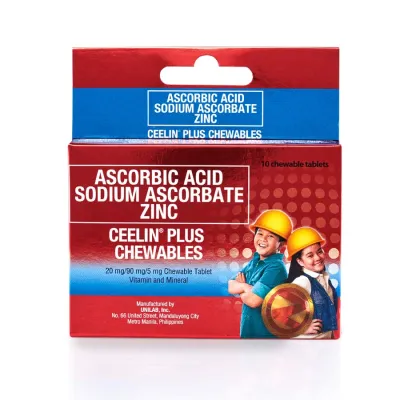

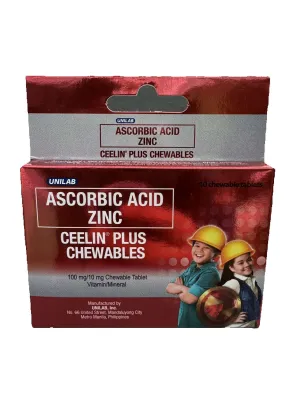
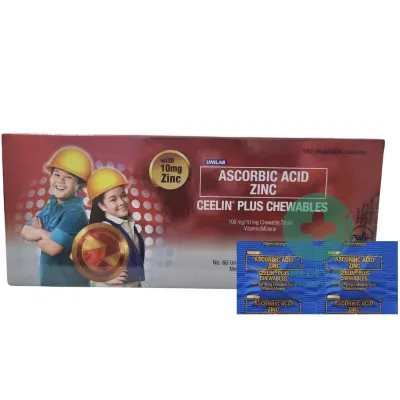




Prices are valid at publication and may change. Please refer to the product page for the latest price.
Reading the supplement facts panel on the back of the packaging is another essential step. This label details the exact concentrations of active ingredients, specifically Vitamin C and Zinc, provided in each serving. Understanding these amounts helps parents monitor their child’s total daily nutrient intake, especially if the child also consumes fortified foods or other dietary supplements. Because formulations can vary, never assume the nutrient levels of one brand or product line match another without verifying the label first.
Determining the Correct Dosage for Your Child
To find the safe and effective serving size for your child, always refer to the official dosage chart printed on the product packaging or the enclosed insert. This chart typically categorizes the recommended dosage based on the child’s age or weight brackets. Because children grow at different rates, weight-based dosing can sometimes offer a more accurate measure than age alone. Never guess the dosage or rely on unverified advice from online forums, as improper dosing can compromise your child’s safety.

Exceeding the recommended daily allowance of Vitamin C and Zinc carries distinct health risks for growing children. While Vitamin C is water-soluble and excess amounts are generally eliminated by the body, very high doses can still lead to stomach cramps, diarrhea, and general digestive discomfort. Zinc is a trace mineral that the body requires in much smaller quantities; consuming too much zinc over time can interfere with the absorption of other essential minerals like copper and may cause chronic nausea or immune system issues.
Consulting a pediatrician is the safest way to establish a personalized dosing plan, particularly if your child has underlying health conditions, specific dietary restrictions, or is taking other medications. A healthcare professional can evaluate your child’s overall diet to determine if a supplement is necessary and ensure that the addition of Vitamin C and Zinc will not interact negatively with any existing treatments. Always seek professional guidance before starting any new supplement regimen for a child with unique medical needs.
Steps for Safe Administration and Chewing
Establishing a safe routine for administering chewable vitamins helps prevent accidents and ensures the nutrients are absorbed effectively. Always ensure your child is sitting completely upright in a stable chair while taking the tablet. Children should never chew vitamins while lying down, running, playing, or talking, as these activities significantly increase the risk of the tablet slipping into the airway and causing choking. An adult must actively supervise the child during the entire process, ensuring the tablet is chewed thoroughly before being swallowed.
The timing of the supplement can also impact how well your child tolerates it. Some children experience mild stomach irritation or nausea when taking zinc-containing supplements on an empty stomach. To prevent this, consider giving the chewable tablet alongside a meal or a substantial snack. Food acts as a natural buffer for the stomach lining, making the digestion process much more comfortable for young children. Check the product label for any specific instructions regarding food intake.
To avoid accidental double dosing, especially in households with multiple caregivers, implement a reliable tracking system. You can use a physical calendar on the refrigerator, a shared digital tracking app, or a dedicated pill organizer kept in a secure location. Ensure that all family members and caregivers communicate clearly and record each dose immediately after administration. This simple habit prevents the dangerous scenario where a child receives multiple doses of the same vitamin in a single day.
Monitoring Your Child and When to Consult a Doctor
After introducing the chewable supplement to your child’s routine, closely monitor them for any physical changes or adverse reactions. During the first few days, watch for mild side effects such as temporary stomach upset, slight nausea, or minor changes in bowel movements. While these mild digestive adjustments are relatively common and often subside as the child’s system adapts, they should still be monitored closely to ensure they do not worsen.
Parents must also be vigilant for signs of more serious adverse reactions, including allergic responses or acute zinc toxicity. An allergic reaction may manifest as hives, skin rashes, itching, swelling of the face, lips, or tongue, or sudden difficulty breathing. Symptoms of excessive zinc intake or toxicity can include severe and persistent vomiting, intense abdominal pain, diarrhea, and unusual lethargy or sleepiness. Recognizing these warning signs early allows you to take swift action to protect your child’s health.
If your child experiences persistent discomfort, recurrent vomiting, extreme tiredness, or any signs of an allergic reaction, stop giving the supplement immediately. Do not wait to see if the symptoms improve on their own. Seek professional pediatric care or visit the nearest medical facility right away, bringing the product packaging with you so the healthcare providers know exactly what ingredients and dosages your child has consumed.
Storing the Vitamins Safely at Home
Proper storage is vital to maintain the quality and safety of chewable vitamins, particularly in tropical climates like the Philippines. High humidity and elevated temperatures can cause chewable tablets to absorb moisture, leading them to become sticky, discolored, or degraded in potency. Store the bottle in a cool, dry place, ideally below 30°C, away from direct sunlight and areas prone to moisture, such as bathrooms or kitchen countertops. Keeping a silica gel packet inside the bottle, if provided by the manufacturer, can also help absorb excess moisture.
Because chewable vitamins are often formulated with appealing fruit flavors and bright colors, children can easily mistake them for candy. To prevent accidental ingestion and potential overdose, always keep the container tightly closed with its child-resistant cap. Store the bottle on a high shelf or inside a locked cabinet that is completely out of your child’s sight and physical reach. Never refer to vitamins as “candy” to encourage your child to take them, as this can tempt them to seek out the bottle on their own.
Regularly inspect your home’s medicine cabinet to check the expiration dates on all supplements. Expired vitamins may lose their effectiveness or undergo chemical changes that make them unsafe for consumption. If you notice any tablets that have melted, changed color, or developed an unusual odor, discard the entire bottle safely. Dispose of the vitamins in a manner that ensures children and household pets cannot retrieve them from the trash.
Frequently Asked Questions (FAQ)
Can my child take Ceelin chewables with other multivitamins?
Combining different dietary supplements can easily lead to an accidental overdose of specific nutrients. Many standard children’s multivitamins already contain significant amounts of Vitamin C and Zinc. If you give your child multiple products containing these same active ingredients, you risk exceeding the safe upper limits established for their age group. Always review the ingredient labels of every supplement your child takes, and consult a pediatrician before combining any vitamins, minerals, or highly fortified foods.
What should I do if my child accidentally takes too many chewables?
If you suspect or confirm that your child has consumed more than the recommended dose of chewable vitamins, take immediate action. Keep the product packaging nearby so you can provide exact ingredient concentrations and dosages to medical professionals. Contact a local poison control center or seek emergency medical care immediately. Do not attempt to induce vomiting unless a qualified healthcare professional explicitly instructs you to do so, as this can sometimes cause further complications or airway irritation.

Community discussion
Share your experience or ask a question. Comments are reviewed before publication.