
Giving your child a nutritional supplement like Appebon with iron requires a careful balance of timing, correct dosage, and dietary coordination to achieve the best results. To maximize its effectiveness, you should administer the supplement according to your pediatrician’s precise recommendations, pay close attention to food interactions that affect iron absorption, and maintain a consistent daily routine. While many parents in the Philippines seek out this supplement to help support a child’s appetite and physical growth, it is essential to remember that vitamins work best when paired with healthy eating habits and proper administration techniques.
Understanding Appebon with Iron and When to Use It
Appebon with iron is a liquid nutritional supplement formulated to help address dietary gaps, support metabolic functions, and stimulate a healthy appetite in growing children. It typically combines essential B-complex vitamins, lysine, and iron—nutrients that play vital roles in energy production, red blood cell formation, and overall physical development. In the Philippines, where children may experience temporary phases of picky eating or nutritional deficiencies, parents often consider this type of supplement to help their children gain healthy weight and maintain active energy levels.
Recognizing whether your child actually needs an appetite support supplement or is simply experiencing a normal, temporary lull in growth is a crucial first step. Children’s appetites naturally fluctuate based on their daily activity levels, teething phases, or minor seasonal illnesses. However, if you observe persistent signs such as prolonged refusal of food, noticeable lethargy, slow weight gain compared to their growth chart, or unusual paleness, these may indicate a nutritional gap that warrants closer attention.
Products mentioned in this guide
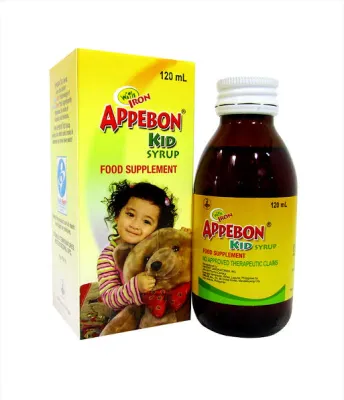
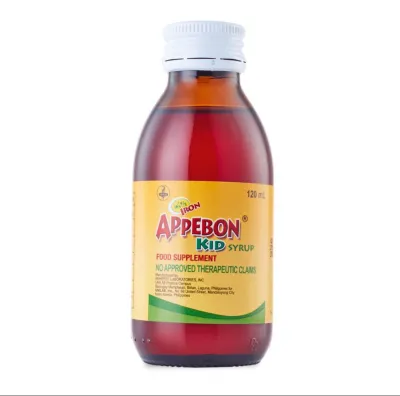
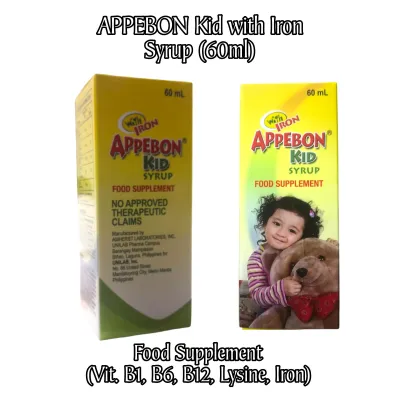
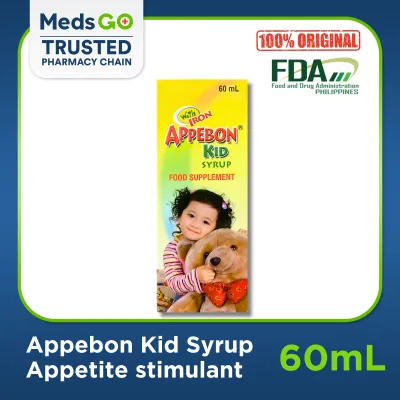
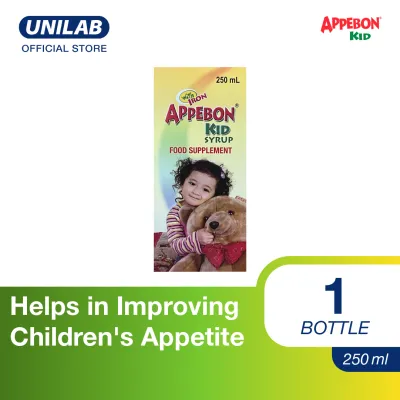
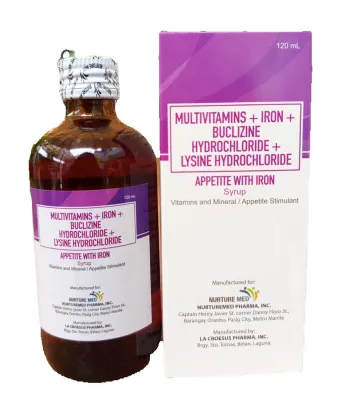
Prices are valid at publication and may change. Please refer to the product page for the latest price.
It is vital to understand that a multivitamin or iron supplement is designed to support, not replace, a wholesome and balanced diet. Relying solely on a syrup to boost your child’s weight without addressing their overall eating environment or food variety will not yield sustainable health benefits. Supplements function as a temporary bridge to help restore nutritional balance while you work on establishing positive mealtime habits and offering a diverse range of nutrient-dense foods.
Consulting Your Pediatrician for Proper Dosage
Before introducing any iron-containing supplement to your child’s daily routine, scheduling a consultation with a qualified pediatrician is an indispensable safety step. Pediatricians calculate dosages based on highly specific individual factors, including your child’s exact weight, age, developmental stage, and current blood iron levels. Guessing the dosage or relying on advice from online forums can lead to under-dosing, which makes the supplement ineffective, or accidental over-dosing, which poses severe health risks.

To make the most of your pediatric visit, prepare a detailed summary of your child’s daily life and health history to share with the doctor. Note down their typical daily food intake, any known food or drug allergies, and a list of all other vitamins, drops, or fortified milk products they currently consume. This comprehensive overview helps the pediatrician assess whether your child is already receiving sufficient iron from other sources, preventing the risk of cumulative nutrient duplication.
Always adhere strictly to the doctor’s written prescription or the detailed instructions printed on the manufacturer’s packaging. Iron requirements are highly individualized; a dose that is safe and effective for a neighbor’s child or an older sibling may not be appropriate for your child. Never adjust the prescribed amount or frequency on your own, even if you feel your child’s appetite is not improving as quickly as you had hoped.
Best Practices for Daily Administration
The timing of when you give an iron supplement can significantly influence how well your child’s body absorbs the nutrient and how comfortable their stomach remains. Ideally, iron is absorbed most efficiently when taken on an empty stomach, about one hour before or two hours after a meal. However, because iron can sometimes cause mild abdominal discomfort, nausea, or a metallic taste, giving the supplement with or immediately after a light snack or meal is often recommended to prevent stomach upset.
Food and beverage interactions play a powerful role in how much iron actually enters your child’s bloodstream. Vitamin C is an excellent absorption enhancer; pairing the supplement with a small amount of calamansi juice, orange juice, or vitamin C-rich fruits can help the body process the iron more effectively. Conversely, calcium is a known inhibitor of iron absorption. To ensure your child gets the full benefit of the supplement, avoid giving it alongside milk, breastmilk, formula, yogurt, or other calcium-rich foods, keeping a clear window of at least two hours between these items.
Accurate measurement is critical when administering liquid vitamins to infants and young children. Always use the specific syringe, dropper, or measuring cup that comes packaged with the product, rather than a standard household kitchen spoon, which can vary widely in volume. If your child dislikes the taste of the syrup, consult the product label or your pediatrician to see if it is safe to mix the dose into a small portion of compatible fruit puree or water, ensuring they consume the entire mixture to get the full dose.
Monitoring Your Child's Response and Knowing When to Stop
As your child begins their supplement regimen, keeping a close eye on their physical and behavioral progress will help you evaluate its effectiveness. Positive indicators typically manifest gradually over several weeks, starting with a subtle increase in their interest in meals, improved energy levels during playtime, and a more consistent sleep pattern. Over a longer period, your pediatrician can verify if these changes translate into steady, healthy progress on your child’s official growth and weight charts.
It is common for children taking iron supplements to experience mild, temporary physiological changes that are generally harmless. For instance, you may notice that your child’s stool turns a dark green or black color, which is a normal result of unabsorbed iron passing through the digestive tract. Mild constipation or slight changes in bowel habits can also occur; you can help manage these minor issues by ensuring your child stays well-hydrated with water and consumes fiber-rich local fruits like ripe papaya or bananas.
However, parents must remain vigilant for more serious adverse reactions that require immediate medical intervention. If your child develops severe abdominal pain, persistent vomiting, diarrhea, skin rashes, hives, or swelling of the face and throat, stop administering the supplement immediately. These symptoms, along with any sudden breathing difficulties or extreme lethargy, are critical red flags that demand an urgent visit to the nearest hospital or clinic.
Safe Storage and Overdose Prevention
Because iron is a highly potent nutrient, storing the supplement safely is one of the most critical responsibilities of a caregiver. Keep the bottle in a cool, dry place where the temperature remains stable, away from direct sunlight and the high humidity typical of tropical climates in the Philippines. Most importantly, store the bottle in a high, locked cabinet or a designated medicine box that is completely out of your child’s reach and sight.
Accidental iron poisoning is a serious medical emergency that often happens when children mistake sweet-tasting syrups for candy or juice. Always ensure that the child-resistant cap is screwed on tightly and locked properly after every single use, and never leave the bottle unattended on a counter or table. Educate older siblings and other household members about the importance of keeping all medications and vitamins securely stored away from young hands.
In the event that you suspect your child has accidentally ingested more than the prescribed dose of an iron supplement, do not wait for symptoms to appear. Gather the product bottle so you can tell medical professionals exactly what was consumed, and immediately take your child to the nearest hospital emergency room or contact a local poison control center. Prompt professional action is vital to managing potential iron toxicity safely and effectively.
Frequently Asked Questions (FAQ)
Can I mix the supplement into my child's milk or formula?
It is highly recommended to avoid mixing iron-containing supplements directly into your child’s milk, formula, or breastmilk. Calcium and proteins present in dairy products bind to iron in the digestive tract, significantly reducing the amount of iron your child’s body can absorb and utilize. To ensure maximum effectiveness, administer the supplement separately, and try to maintain a gap of at least two hours between the supplement dose and any milk feeds or dairy snacks.
How long does it take to see improvements in my child's appetite?
Every child’s body responds differently, but you can generally expect to see gradual improvements in appetite and energy levels within two to four weeks of consistent daily use. This timeline depends heavily on administering the supplement correctly, maintaining a regular routine, and offering a supportive, stress-free mealtime environment. If you do not observe any noticeable changes after a month of consistent use, consult your pediatrician to reassess your child’s nutritional needs and rule out any underlying health issues.
What should I do if my child misses a dose?
If you realize you have missed a scheduled dose, give it to your child as soon as you remember, provided it is not too close to the time for their next scheduled dose. If the next dose is only a few hours away, skip the missed dose entirely and resume your regular daily schedule. You must never double the dose or give two doses close together to make up for a missed one, as administering too much iron at once can lead to acute stomach irritation or dangerous iron toxicity.
Community discussion
Share your experience or ask a question. Comments are reviewed before publication.