
To freeze and thaw baby food safely in glass containers, you must manage temperature transitions carefully to prevent thermal shock and leave adequate headspace for food expansion. Glass is an excellent choice for storing homemade purees because it is non-toxic, chemical-free, and resistant to stains and odors. However, because glass is rigid, it can crack or shatter if the food expands too much during freezing or if it experiences sudden, extreme temperature changes. By mastering proper portioning, leaving a safe gap at the top of each jar, and thawing food gradually in the refrigerator, you can safely preserve nutritious meals for your baby.
In tropical climates like the Philippines, where high ambient temperatures and humidity can accelerate bacterial growth, proper food preservation is especially critical. Preparing homemade purees in batches and freezing them allows you to provide fresh, wholesome meals without cooking every single day. Using glass containers helps ensure that no unwanted chemicals leach into your baby’s food, but it requires a clear understanding of how glass behaves under freezing and heating conditions. Following a systematic approach to selecting, filling, freezing, and thawing your glass jars will keep your baby’s meals safe and nutritious.
Choosing and Preparing Freezer-Safe Glass Containers
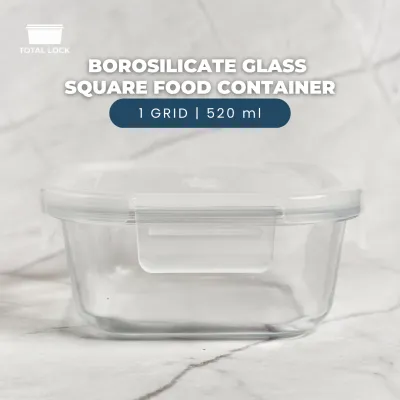
Not all glass is manufactured to withstand the extreme temperatures of a freezer. When selecting containers for your baby’s food, verify that both the glass and its lids are explicitly labeled as freezer-safe by the manufacturer. Look for tempered glass or high-quality borosilicate glass, which are specifically designed to resist thermal shock and thermal expansion. Standard glass jars, such as repurposed condiment or jam jars, often have uneven thickness and are highly prone to cracking under freezing pressure or during the thawing process.
Products mentioned in this guide
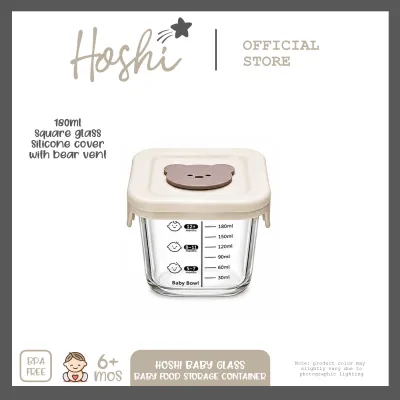
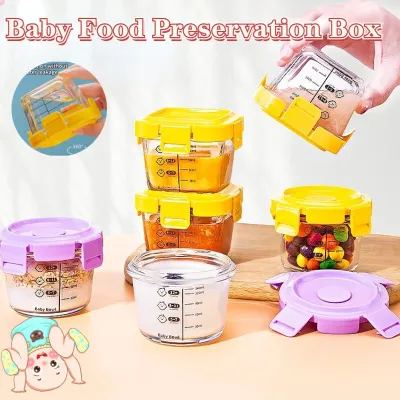
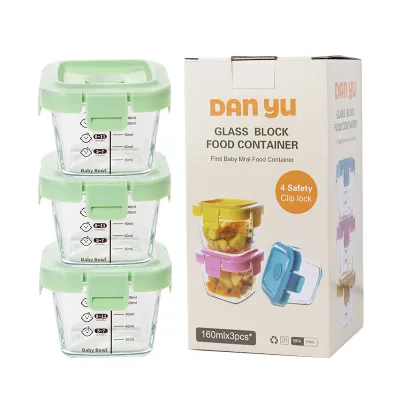
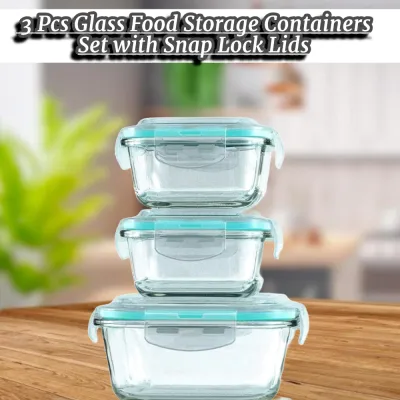
![Glass Food Storage Containers with Airtight Lid [3 containers with lids] Microwave/Oven/Freezer & Dishwasher Safe (3pcs-1set}](https://img.lazcdn.com/g/p/54ff879086003e685c94c4397cb5fbc5.jpg_400x400q80.jpg_.webp)
Prices are valid at publication and may change. Please refer to the product page for the latest price.
Before filling your selected containers, they must be thoroughly washed, sanitized, and completely dried. Wash the jars and lids in warm, soapy water, or run them through a hot dishwasher cycle. In humid environments, moisture left inside a sealed container can encourage mold and bacterial spores to multiply before the food fully freezes. Ensuring every jar is bone-dry before adding food is a simple yet vital step in maintaining food safety.
Additionally, you must allow freshly cooked baby food to cool to room temperature before transferring it to the glass containers. Pouring hot puree into a room-temperature or cold glass jar can cause immediate cracking due to thermal shock. Letting the food cool also prevents excess steam from trapping inside the container, which would otherwise condense on the lid and freeze into large ice crystals, leading to freezer burn and a watery texture upon thawing. To keep food safe, do not leave it sitting at room temperature for more than two hours before placing it in the refrigerator or freezer.
Portioning and Leaving the Right Headspace
Understanding the physics of freezing is crucial when using glass containers. Water expands by approximately nine percent when it transitions from a liquid to a solid state. Because baby food purees have a high water content—especially those made from fruits and vegetables like squash, chayote, or pears—they will expand significantly as they freeze. If there is no room for this expansion inside the jar, the expanding food will exert immense pressure on the rigid glass walls, causing the container to crack or shatter.

To prevent this, you must leave adequate headspace at the top of each container. Check the manufacturer’s guidelines for the specific fill line, which is often marked on specialized baby food glass jars. If there is no marked line, a good rule of thumb is to leave at least a one-inch (2.5 cm) gap between the top of the puree and the rim of the jar. This empty space gives the expanding food room to rise upward rather than pushing outward against the glass walls.
Portioning the food into single-serving sizes is also highly recommended to match your baby’s current appetite. For babies who are just starting solids around six months of age, a single serving may only be one to two tablespoons (approximately 15 to 30 ml). Older babies may require larger portions of 2 to 4 ounces (60 to 120 ml). Storing food in these small, individual portions prevents unnecessary waste, as you cannot safely refreeze or save leftover baby food once your baby’s saliva has touched the spoon or the food has been warmed.
Step-by-Step Freezing and Labeling
Once your baby food has cooled and has been portioned into the glass jars with proper headspace, you can proceed to seal them. Secure the lids properly to prevent freezer burn and to stop the food from absorbing odors from other items in your freezer. If you are using jars with airtight silicone seals, ensure the seal is seated correctly in the lid. Some parents prefer to leave the lids slightly loose during the first few hours in the freezer to allow any remaining air to escape as the food expands, tightening them fully once the puree is completely frozen solid.
Labeling each container is an essential step that should never be skipped. Use freezer-safe tape and a permanent marker to write down the exact type of food and the date of preparation. In a busy household, different purees can look identical once frozen, and tracking dates is the only reliable way to ensure you are using the oldest batches first. This practice helps you maintain a safe rotation system and prevents you from keeping food past its recommended storage window.
When placing the glass containers in the freezer, position them in the main body of the freezer where the temperature remains most stable. Avoid storing glass jars on the door shelves, as these areas experience frequent temperature fluctuations every time the freezer is opened. These fluctuations can cause the outer layers of the food to partially thaw and refreeze, compromising both the quality of the food and the integrity of the glass. Keep the jars upright and leave a small amount of space between them to allow cold air to circulate freely.
Safe Thawing and Reheating Without Breaking the Glass
Thawing frozen baby food in glass requires a gradual temperature transition to protect both the food’s safety and the glass container. The safest and most reliable method is to transfer the glass jar from the freezer to the refrigerator overnight. This slow process keeps the food at a safe, cold temperature (below 4°C) while it thaws, preventing harmful bacteria from multiplying. Plan ahead by moving the next day’s meals to the refrigerator the evening before.
If you need to thaw the food more quickly, you can submerge the sealed glass jar in a cold water bath. Place the jar in a bowl filled with cold tap water, ensuring the water does not reach the lid if it is not completely watertight. Change the water every 15 to 20 minutes to keep it cold. Never use warm or hot water for this method, as the sudden temperature change can cause the glass to crack, and warming the outer layers of the food too quickly can encourage bacterial growth.
Strictly avoid unsafe thawing practices, such as leaving the glass container on the kitchen counter at room temperature. In warm, tropical climates, the outer edges of the food will quickly enter the temperature “danger zone” where bacteria thrive, while the center remains frozen. Additionally, never place a frozen glass jar directly into boiling water, a hot oven, or a microwave unless the manufacturer explicitly states the container is rated for such extreme thermal transitions. Doing so poses a high risk of the glass shattering violently.
Once the food is fully thawed, you can reheat it gently. If you choose to warm the food, place the glass jar in a bowl of warm water or use a bottle warmer set to a gentle heating cycle. Stir the puree thoroughly after warming to eliminate any hot spots that could burn your baby’s mouth. Always test the temperature of the food on the inside of your wrist before feeding; it should feel lukewarm, never hot. Discard any leftovers from the feeding bowl after the meal, as bacteria from your baby’s saliva can contaminate the remaining food.
Cleaning and Inspecting Containers for Reuse
Maintaining your glass containers properly ensures they remain safe for repeated use. When washing the jars, use a soft sponge or a silicone bottle brush along with mild, baby-safe dishwashing liquid. Avoid using abrasive scrubbing pads, steel wool, or harsh chemical cleaners. These abrasive materials can create microscopic scratches on the glass surface. Over time, these micro-scratches weaken the structural integrity of the glass, making it significantly more likely to crack or shatter during future freezing or heating cycles.
After each wash and freeze cycle, take a moment to inspect the glass containers closely. Hold each jar up to the light and run your finger carefully along the rim and base to check for micro-cracks, chips, or unusual cloudiness. If you detect even the slightest imperfection, discard the container immediately. Microscopic glass fragments can detach and contaminate your baby’s food, posing a severe safety hazard.
Do not forget to inspect the lids and silicone seals as well. Check plastic lids for warping, cracking, or signs of degradation, and examine silicone rings for mold, tearing, or loss of elasticity. In humid climates, mold can easily develop in the tight grooves of silicone seals if they are not dried completely. Remove the silicone seals during washing, clean them thoroughly, and allow them to air-dry completely before reassembling. Replace any lids or seals that no longer provide a tight, leak-proof fit.
Frequently Asked Questions (FAQ)
Can I put hot baby food directly into glass containers before freezing?
No, you should never put hot baby food directly into glass containers before freezing. Pouring boiling or very hot food into a room-temperature glass jar causes rapid thermal expansion, which can crack or shatter the glass instantly. Furthermore, sealing hot food traps steam inside the container. As this steam cools, it turns into condensation, which then freezes into large ice crystals on top of the food. This excess moisture causes freezer burn and degrades both the texture and the nutritional value of the puree. Let the freshly prepared food cool on the counter for about 20 to 30 minutes, or place the cooking pot in a cold-water bath to speed up the cooling process before transferring the food to your glass jars.
How long can homemade baby food stay in the freezer?
While homemade baby food can technically remain safe in a constantly freezing environment for several months, standard food safety guidelines recommend consuming frozen purees within one to three months for optimal quality and nutrient retention. Purees made from fruits and vegetables generally maintain their quality longer, while purees containing meat, poultry, fish, or eggs should ideally be consumed within one to two months. Always rely on the preparation date labels you created during the freezing step to manage your inventory. After thawing, perform a quick sensory check: if the food has an off-smell, an unusual color change, or a watery, separated texture that does not improve after a thorough stirring, it is best to discard it to ensure your baby’s safety.
Community discussion
Share your experience or ask a question. Comments are reviewed before publication.