
Wearing a baby carrier offers a wonderful way to keep your little one close while keeping your hands free for daily tasks. Whether you are navigating a busy local market, walking through a shopping mall, or simply managing household chores, a structured carrier provides convenience and mobility. However, achieving a secure and comfortable fit requires more than just buckling a few straps. Properly adjusting your Sunveno baby carrier ensures that your baby’s weight is distributed evenly across your body, preventing back strain while keeping your baby in a safe, ergonomic position.
In tropical climates like the Philippines, where high heat and humidity are daily realities, proper adjustment also plays a critical role in keeping both you and your baby cool. A poorly fitted carrier can trap excess body heat, leading to discomfort and skin irritation for your little one. By mastering the correct setup, positioning, and adjustment techniques, you can enjoy long, comfortable outings while prioritizing your baby’s physical development and safety.
Pre-Use Checks and Preparation
Before you place your baby in the carrier, take a few moments to perform a thorough safety inspection. Examine the fabric for any signs of wear, such as frayed seams, torn stitching, or thinning material. Pay close attention to the high-stress areas where the shoulder straps and waist belt connect to the main body panel. Inspect all plastic buckles, clips, and fasteners for hairline cracks or warping that could compromise their structural integrity. If you notice any damage, refrain from using the carrier and contact the manufacturer for guidance.
Products mentioned in this guide
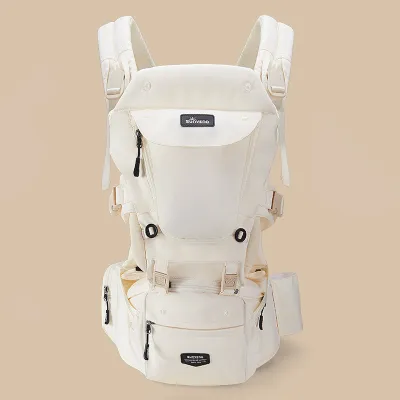
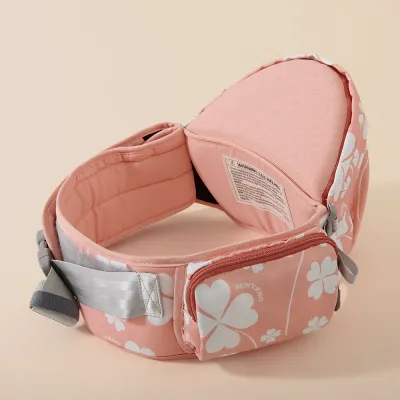
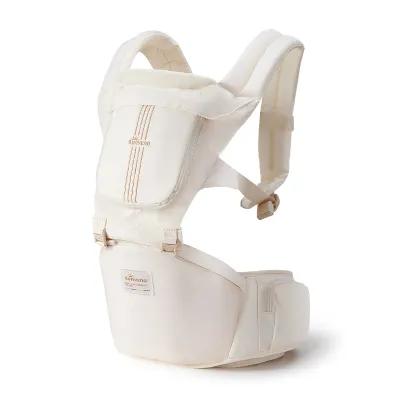
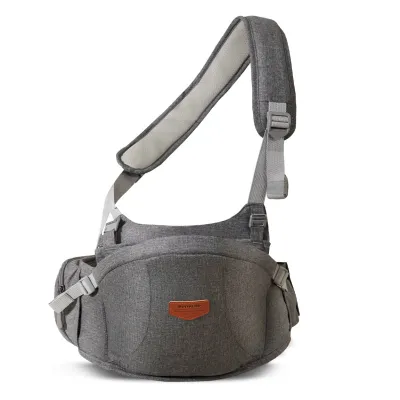
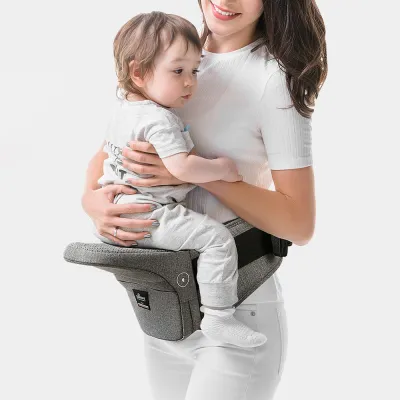
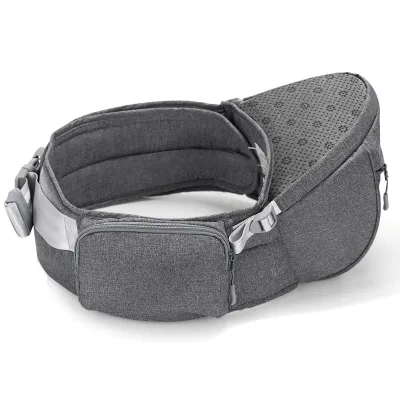
Prices are valid at publication and may change. Please refer to the product page for the latest price.
Next, verify that your baby meets the weight and developmental requirements for your specific Sunveno model. Baby carriers are engineered with strict weight limits to ensure structural safety and proper physical support. Refer to your product manual to confirm your baby’s weight falls within the approved range. Additionally, consider your baby’s developmental stage; certain carrying positions, such as outward-facing or back-carrying, are only safe once your baby has achieved strong, independent head and neck control.
Dressing your baby appropriately is another essential preparation step, especially in warm and humid environments. Because the carrier acts as an extra layer of insulation and your body heat will transfer to your baby, dress them in lightweight, breathable clothing. Cotton or bamboo fabrics are excellent choices to help absorb moisture and keep your baby cool. Avoid dressing them in bulky outfits or heavy footed sleepers, which can cause overheating and restrict their movement within the carrier.
Step-by-Step Guide to Putting On the Carrier
To establish a stable and secure foundation, always put on and adjust the empty carrier before placing your baby inside. Begin by positioning the wide waist belt around your natural waist, which is typically higher than where you would wear a standard belt. Placing the belt higher on your torso allows the structured support to transfer your baby’s weight directly to your hips and core, protecting your lower back from strain. Fasten the main waist buckle securely and pull the strap until the belt fits snugly against your body.

Once the waist belt is secure, let the main body panel hang down in front of you. If your model features a structured hip seat, ensure the seat is centered on your abdomen and does not tilt downward. Slip your arms through the shoulder straps one at a time, keeping the fabric flat against your shoulders. Avoid letting the straps twist, as twisted webbing can concentrate pressure on narrow areas of your shoulders and neck, leading to muscle fatigue and discomfort during extended use.
Before proceeding, locate and fasten the chest strap, which connects the two shoulder straps across your upper back. This strap prevents the shoulder straps from slipping off your shoulders. Double-check every buckle, safety clip, and fastener on the carrier. Listen for a clear, audible click to confirm that each buckle is fully engaged. If your carrier includes safety elastic loops near the buckles, always thread the male end of the buckle through the loop before fastening it; this safety feature prevents the strap from fully releasing if the buckle is accidentally undone.
Positioning Your Baby Safely
With the carrier securely fastened to your body, you can now carefully transition your baby into the seat. Hold your baby securely against your chest with one hand while using your free hand to guide their legs through the leg openings. Gently lower their bottom into the deepest part of the seat. Ensure their weight is fully supported by the seat panel rather than their crotch, which helps maintain a natural and comfortable sitting posture.
Observe your baby’s leg position to ensure they are in the recommended “M-shape” or “frog-leg” position. In this ergonomic posture, your baby’s knees should be positioned slightly higher than their hips, and their thighs should spread comfortably around your torso. This position supports healthy hip joint development and reduces the risk of hip dysplasia. Avoid any position where the baby’s legs dangle straight down, as this places unnecessary stress on their developing hip sockets.
Next, check your baby’s height and airway. Your baby should be positioned high enough on your chest that you can easily kiss the top of their head simply by tilting your head forward. Their face must remain completely visible to you at all times, with their nose and mouth clear of any fabric, clothing, or your own body. If your baby is still developing head and neck control, raise the carrier’s integrated headrest or manually support their head to prevent it from slumping backward or sideways.
Adjusting for Parent and Baby Comfort
Once your baby is positioned correctly, you can fine-tune the straps to optimize comfort for both of you. Locate the adjustment straps on the sides of the shoulder straps and pull them forward or backward to tighten the fit. The goal is to bring your baby’s torso snug against your chest so their center of gravity aligns with yours. If the straps are too loose, your baby will sag outward, pulling your shoulders forward and causing lower back pain.
If your specific Sunveno model features an adjustable seat panel, modify the width to match your baby’s size. The seat should support your baby’s thighs from knee crease to knee crease without forcing their lower legs to bend inward or outward. If the fabric bunches behind their knees or forces their legs too far apart, narrow the seat setting. Providing proper knee-to-knee support ensures that the weight of their legs is evenly distributed, preventing pressure points on their thighs.
Finally, adjust the height of the chest strap on your back. Most carriers allow you to slide this strap up or down along the shoulder straps. Position it near the middle of your shoulder blades to distribute the weight evenly across your upper back. If your model includes a lumbar support pad on the waist belt, slide it to the center of your lower back to provide additional stability. These small adjustments can make a significant difference in comfort during longer walks or daily errands.
Safety Checks and When to Stop
Before you begin your walk or resume your activities, perform a quick mental checklist to verify that everything is secure. Check your baby’s airway once more to ensure their chin is not resting on their chest. A slumped chin can restrict a young baby’s soft airway, making breathing difficult. Ensure there is a gap of at least two fingers between their chin and chest, and verify that no loose fabric or clothing is bunched around their face.
Monitor your baby’s physical comfort and temperature regularly while wearing the carrier. In warm climates, check the back of your baby’s neck or their back for excessive sweat or hot skin, which are signs of overheating. If they appear flushed, restless, or overly warm, find a cool, shaded area to take them out of the carrier and let them cool down. Always prioritize your baby’s comfort over completing your task.
Stop using the carrier immediately if you observe any signs of mechanical failure or physical distress. This includes buckles that slip under weight, seams that begin to unravel, or straps that do not stay tight. If your baby shows persistent signs of discomfort, difficulty breathing, or unusual fussiness that cannot be resolved by adjusting the straps, remove them from the carrier. Always consult the manufacturer’s customer service or a qualified babywearing professional if you are unsure about the safety or fit of your gear.
Frequently Asked Questions (FAQ)
Can I use my Sunveno carrier for a newborn?
You must check your specific Sunveno model’s instruction manual to verify the exact minimum weight and age requirements. Many structured carriers are designed for infants who have reached a certain weight threshold, typically around 3.2 to 3.5 kilograms, and who can spread their hips comfortably. Some models may require a dedicated infant insert or specific seat adjustments to provide the necessary head, neck, and spine support for a newborn. Never use the carrier for a newborn if their weight falls below the manufacturer’s specified limit.
How should I wash the carrier if it gets soiled?
Always read the care label attached to your carrier for the manufacturer’s specific cleaning instructions. For minor spills, drool, or spit-up, spot clean the affected area with a damp cloth and mild, baby-safe soap to preserve the fabric and hardware. If a full wash is necessary and permitted by the care label, remove any removable hard inserts or foam hip seats first. Place the carrier in a mesh laundry bag, use a gentle cycle with cold water and mild detergent, and avoid bleach. Always air dry the carrier in a shaded, well-ventilated area, as direct sunlight and machine dryers can degrade the plastic buckles and synthetic padding over time.

Community discussion
Share your experience or ask a question. Comments are reviewed before publication.