
Wearing a shoulder baby carrier properly is one of the most rewarding ways to keep your baby close while keeping your hands free for daily tasks. Whether you are navigating a busy local market, managing household chores, or taking a stroll in the warm afternoon breeze, a well-adjusted carrier provides comfort for you and a secure, soothing environment for your little one. Achieving this balance requires understanding the mechanics of your specific carrier, paying close attention to your baby’s developmental stage, and mastering a few simple adjustment techniques. By focusing on proper positioning and weight distribution, you can enjoy the benefits of babywearing while ensuring your baby remains safe, cool, and ergonomically supported.
Preparing Your Carrier and Baby for Safe Use
Before you even begin to put on your shoulder baby carrier, you must verify that both the gear and your baby are ready for a safe journey. Start by consulting the manufacturer’s documentation to confirm that your baby falls within the approved weight, age, and developmental milestones. Never assume a carrier is suitable based on its name or appearance alone, as different designs have highly specific structural capacities that must be respected to ensure safety.
Carefully inspect the carrier’s fabric, seams, buckles, and rings for any signs of wear, fraying, or structural damage. In warm, humid climates like the Philippines, moisture can weaken certain fabrics over time or cause mold to develop in storage, making a thorough pre-use inspection essential. Check the stitching near load-bearing points and ensure that plastic buckles click securely into place without any signs of cracking.
Products mentioned in this guide
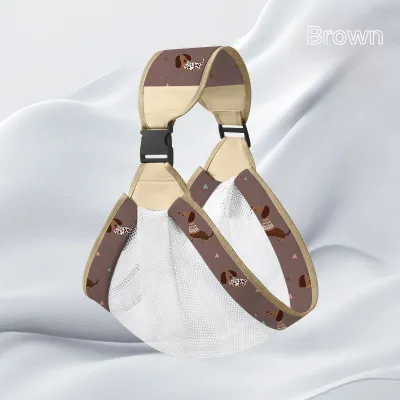
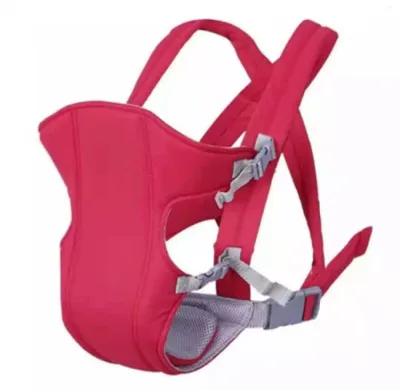
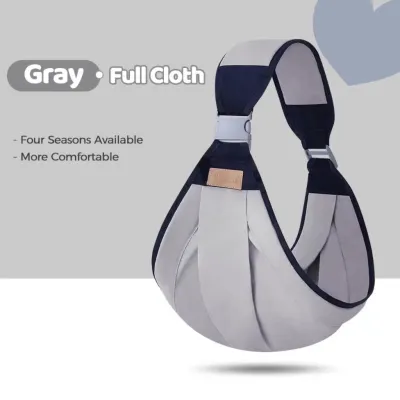
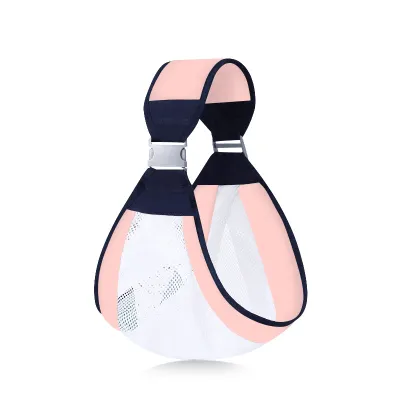

Prices are valid at publication and may change. Please refer to the product page for the latest price.
Additionally, dress your baby in lightweight, breathable clothing, such as a single layer of cotton or bamboo, to prevent overheating while they are nestled close to your body heat. The carrier itself acts as an extra layer of insulation, so keeping their clothing minimal and breathable is key to their comfort. Always prioritize shade and hydration for both yourself and your baby during warm days.
Step-by-Step: Putting on the Shoulder Carrier
Putting on a shoulder baby carrier correctly establishes a stable foundation that protects your back and keeps your baby secure. Begin by slipping the main shoulder strap over your head, positioning the fabric so it drapes smoothly across your shoulder and back. If your carrier features a wide shoulder band, spread the fabric out across your shoulder blade rather than letting it bunch up near your neck, which can cause localized muscle strain and headaches.

For carriers equipped with a supportive waist or hip belt, secure this buckle snugly around your torso, positioning it high enough so that the baby’s eventual resting place will be close to your chest. The belt should feel firm and level, preventing the carrier from sagging forward once the baby’s weight is added. Adjust the main body panel, pouch, or sling tail to create a supportive pocket, leaving just enough room to slide your baby in without leaving excessive slack.
If you are using a ring sling, ensure the rings are positioned high on your shoulder, just below your collarbone, before placing the baby inside. As you tighten the fabric, the rings will naturally pull down slightly, so starting with them high ensures they land in a comfortable, safe position. Take a moment to smooth out any twists in the fabric across your back to ensure even weight distribution.
Positioning Your Baby for Airway and Hip Support
Placing your baby into the carrier requires careful attention to their physical development, airway safety, and hip health. As you gently lower your baby into the fabric pocket, support their head and neck continuously, especially if they have not yet developed full head control. Guide their legs into a natural spread-squat posture, often referred to as the M-position, where their knees are bent and positioned slightly higher than their bottom.
This ergonomic alignment supports healthy hip joint development and reduces the risk of hip dysplasia by keeping the thigh bones securely seated in the hip sockets. Ensure that the carrier’s fabric extends fully from knee crease to knee crease, supporting the entire thigh rather than letting the legs dangle straight down. Gently tuck their pelvis forward to encourage a naturally rounded spine, which is the most comfortable and supportive position for a developing baby.
Airway safety is the most critical aspect of babywearing. Ensure that your baby’s face remains completely visible and uncovered by fabric at all times, with their head positioned close enough for you to easily kiss the top of their forehead. Keep their chin off their chest—there should always be a gap of at least two fingers under their chin—to maintain an open, unobstructed airway, and regularly monitor their breathing to ensure they are comfortable and secure.
Adjusting Straps for Caregiver Comfort and Security
Once your baby is positioned, fine-tuning the straps is essential to distribute their weight evenly and eliminate any dangerous slack. Tighten the shoulder and waist straps gradually, pulling the fabric or webbing to bring the baby’s center of gravity flush against your own chest. Always support your baby’s weight from underneath with one hand while pulling the adjustment straps with the other to prevent friction on their skin and make adjusting much easier.
If you are using a ring sling, pull the fabric through the rings in small sections—focusing on the top, middle, and bottom rails individually—to achieve a uniform, snug fit. The fabric should wrap smoothly around your baby’s back and under their thighs, providing firm support that prevents them from slumping without restricting their chest expansion or breathing. If the baby can slump or lean away from your body when you bend forward slightly, the carrier is too loose.
Balancing the load across your back and shoulders not only keeps your baby secure but also prevents the localized back strain that often occurs during extended periods of daily wear. If you feel pressure on your neck or lower back, try spreading the shoulder fabric wider or adjusting the height of the waist belt. A well-adjusted carrier should make your baby feel like an extension of your own body, allowing you to move naturally and comfortably.
Final Safety Checks and When to Readjust
Before you begin moving around or stepping outside, perform a quick visual and physical safety check to confirm everything is secure. Verify that your baby’s airway is completely clear, their chin is pointed slightly upward, and their face is fully visible. Check their limbs to ensure the fabric is not digging into their thighs or restricting circulation, looking for any signs of redness or coldness in their feet.
In warm tropical weather, feel the back of their neck or chest to ensure they are not overheating or sweating excessively. If you notice signs of heat stress, such as rapid breathing, flushed cheeks, or damp hair, take the baby out of the carrier immediately to let them cool down in a shaded, well-ventilated area. Regularly check that all buckles remain securely fastened and that the fabric has not slipped or loosened during movement.
If you notice the baby slumping, sliding downward, or if you experience persistent shoulder or back pain, stop what you are doing immediately, support your baby with your hands, and find a safe place to sit and readjust the carrier. Never attempt to adjust the carrier while walking or performing tasks that require your full attention. Taking a few moments to ensure a perfect fit protects both your physical well-being and your baby’s safety.
Frequently Asked Questions (FAQ)
Can my baby face outward in a shoulder carrier?
Whether your baby can face outward depends entirely on the specific design of your shoulder baby carrier and your baby’s developmental stage. You must consult the manufacturer’s instructions to verify if outward-facing positions are supported, as many shoulder carriers and ring slings are designed exclusively for inward-facing or hip carries. If the carrier does support this position, wait until your baby has demonstrated full, consistent head and neck control before attempting it. Additionally, keep outward-facing sessions brief and observe your baby closely for signs of overstimulation, fatigue, or physical slumping, transitioning them back to an inward-facing position as soon as they show signs of tiredness.
How do I know if the carrier is too tight or too loose?
A properly adjusted carrier should feel snug and supportive, similar to a firm hug, without causing discomfort to you or your baby. If the carrier is too loose, you will notice fabric slack that allows your baby to slump down, which can dangerously compromise their airway and cause back strain for you. Conversely, if the carrier is too tight, it may restrict your baby’s chest expansion, make it difficult for them to breathe comfortably, or leave deep red marks on their legs. Observe your baby’s physical cues; they should be able to move their head slightly, breathe easily, and rest comfortably against your chest without showing signs of distress or restricted movement.
When should I transition to a different type of baby carrier?
You should consider transitioning to a different type of baby carrier when your child approaches or reaches the manufacturer’s maximum weight limit, or when their physical size makes the current setup uncomfortable. As babies grow heavier and more active, a single-shoulder carrier may begin to cause unmanageable shoulder or back strain for the caregiver, indicating that a two-shoulder structured carrier or a backpack carrier might offer better weight distribution. Additionally, if your baby consistently shows signs of discomfort, restlessness, or restricted leg movement in the shoulder carrier, it is time to evaluate other carrying options that better suit their changing developmental needs and physical size.
Community discussion
Share your experience or ask a question. Comments are reviewed before publication.