
Wearing a baby shoulder carrier can make daily tasks and outdoor walks much easier, but keeping your little one safe and comfortable requires careful preparation and precise adjustments. Properly positioning your baby ensures their airway remains completely clear while distributing their weight evenly across your body to prevent strain. By mastering the correct setup, strap adjustments, and safety checks, you can confidently enjoy hands-free mobility while keeping your baby secure.
In tropical climates like the Philippines, where high humidity and warm temperatures are daily realities, choosing and wearing a carrier requires extra attention to airflow and fabric choice. Caregivers must balance the convenience of hands-on travel with the physical needs of a developing baby. This guide walks you through the essential steps to prepare, position, and adjust your baby shoulder carrier, ensuring a supportive experience for both you and your child.
Pre-Use Checks and Preparation
Before you even lift your baby, you must ensure that both the carrier and your child are ready for a safe journey. Every carrier model has specific physical limits that you must verify. Start by checking the manufacturer’s label and instruction manual to confirm your baby’s current weight and developmental stage align with the product’s specifications. Never assume a carrier is suitable based on its name or general appearance, as minimum and maximum weight limits vary significantly between brands.
Products mentioned in this guide


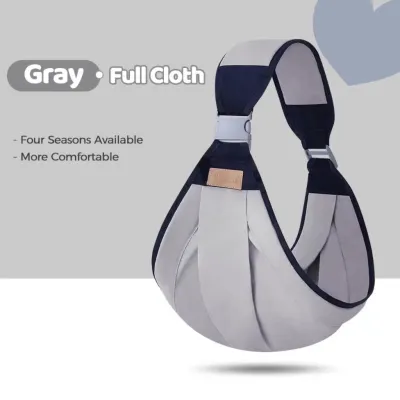
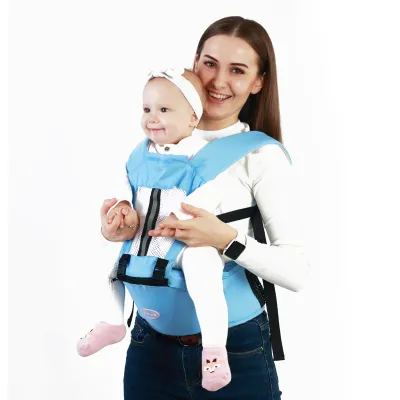

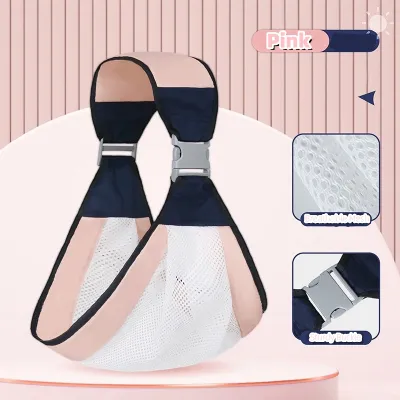
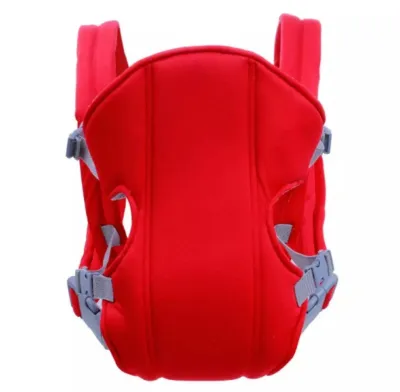
Prices are valid at publication and may change. Please refer to the product page for the latest price.
If you acquired the carrier secondhand or received it as a gift without a manual, search the manufacturer’s official website to download the correct documentation. This step is crucial for verifying that you have all necessary infant inserts or accessories required for younger babies. Additionally, checking online allows you to verify if the specific model or batch has been subject to any safety recalls or product updates.
Next, perform a thorough physical inspection of the carrier itself. Examine all buckles, fasteners, and adjustment clips to ensure they snap shut securely and do not slip under tension. Inspect the fabric panels, shoulder straps, and waist belts for any signs of wear, such as fraying threads, torn seams, or weakened stitching. If you notice any structural damage, do not use the carrier, as compromised materials can fail unexpectedly under the baby’s weight.
Preparing your baby is just as important as checking the gear. Ensure your baby is calm, fed, and has a clean diaper before attempting to place them in the carrier, as a fussy baby can make the initial positioning difficult and unsafe. If your baby is crying or agitated, take a few minutes to soothe them first, as sudden movements during the loading process can compromise their safety.
Pay close attention to how your baby is dressed, especially in warm, humid environments. Choose lightweight, breathable clothing like soft cotton or bamboo fabrics to prevent heat retention, and remember that the carrier itself acts as an extra layer of fabric around their body. Avoid dressing them in footed onesies, as the fabric can pull tightly against their toes when they are seated, causing discomfort and restricting circulation.
Monitor the ambient room temperature or outdoor weather conditions before heading out. Overheating is a serious risk for infants, so keeping their clothing minimal and choosing shaded paths will help maintain a comfortable body temperature during your activities. Caregivers should also prepare themselves by wearing comfortable, flat shoes with good traction and stretching their shoulders and back before putting on the carrier.
Step-by-Step Guide to Positioning Your Baby
Placing your baby into a shoulder carrier requires a stable stance and a methodical approach to ensure their safety at every step. Always prioritize keeping their airway completely unobstructed during this process. Begin by standing in a stable position, preferably on a flat, non-slip surface away from hazards. Secure the carrier’s main harness or waist belt around your body according to the manufacturer’s instructions before you attempt to lift your baby.

For your first few attempts, it is highly recommended to practice in front of a large mirror or have another adult assist you. A mirror allows you to visually confirm that the straps are flat and that the baby’s legs are threaded correctly through the openings without having to twist your body. Having a second pair of hands provides an extra layer of security while you build muscle memory and confidence.
Once your own harness is secure, lift your baby gently, ensuring you provide continuous support to their head, neck, and bottom with your hands. Your baby’s muscles are still developing, so manual support is critical until they are fully settled into the carrier’s seat. Slowly guide your baby into the carrier’s seat or pouch, keeping one hand firmly on their back or bottom at all times. Do not let go of your baby until you are certain that all safety straps, buckles, or side barriers are fully engaged and locked.
As you guide their legs through the designated openings, make sure the fabric does not pinch or bunch up around their thighs. Gently smooth out the leg holes to ensure the weight is distributed evenly across their bottom and thighs rather than concentrated on a single narrow strip of fabric. Check that their clothing has not ridden up or bunched tightly around their groin or knees.
Immediately check the position of your baby’s face once they are in the carrier. Their face must be fully visible to you at all times, completely uncovered by fabric, hood attachments, or your own clothing. Ensure there is a clear space between your baby’s face and your chest or shoulders. Their nose and mouth must remain free from any obstruction to allow fresh air to circulate freely around them.
Pay close attention to the alignment of your baby’s neck and chin. Their chin must never rest directly on their chest, as this curved posture can restrict or block their delicate airway. A helpful rule of thumb is to ensure you can easily fit two fingers between your baby’s chin and their chest. If their head slumps forward, gently adjust their position or tilt their head slightly upward to restore an open, straight airway.
Keep your baby close enough to kiss. If you can easily bend your head forward and kiss the top of your baby’s head, they are positioned at a safe, high level on your torso. This high positioning not only keeps their airway visible but also aligns their center of gravity with yours, making the load feel significantly lighter and more stable as you walk.
Adjusting the Straps for Ergonomic Support
Properly adjusting the straps of your shoulder carrier is essential to distribute your baby’s weight evenly and support their natural physical development. Poorly adjusted straps can lead to caregiver back pain and uncomfortable pressure points for the baby. Start by adjusting the shoulder straps so they fit snugly against your body without digging into your skin. A good test is to slide a single finger underneath the strap; it should feel tight but allow your finger to pass through with minor resistance.
If your carrier features a waist belt, position it firmly around your hips rather than your soft stomach area. Placing the belt on your hips transfers the majority of the baby’s weight to your lower body, protecting your shoulders and upper back from strain. Ensure the waist belt is level all the way around your body; a tilted belt indicates uneven weight distribution and can cause localized muscle fatigue.
Many structured carriers include a chest strap or back clip that connects the two shoulder straps. Position this clip at the mid-scapula level—roughly in the middle of your shoulder blades—to prevent the shoulder straps from slipping outward off your shoulders. Adjust the tension of this clip so it pulls the shoulder straps inward slightly, which helps distribute the load across your upper back muscles rather than your neck.
Observe your baby’s leg and hip position carefully once the straps are tightened. Their legs should form a natural shape that supports their hips, with their knees positioned slightly higher than their bottom, resembling an “M” posture. Avoid any positioning that forces your baby’s legs to hang straight down or stretches their hip joints outward unnaturally. Supporting their thighs from knee to knee helps maintain healthy joint alignment and prevents unnecessary pressure on their developing hips.
As you walk and move, make minor adjustments to the straps to relieve any localized pressure points. If you feel a pulling sensation on your neck or lower back, pause, support your baby’s weight with one hand, and readjust the tension on the opposite straps. Remember that your body shape and your baby’s size will change over time, requiring you to re-evaluate strap tension during every single use. Regular micro-adjustments ensure the carrier remains comfortable for longer walks and daily tasks.
Take note of how your own posture responds to the carrier. If you find yourself leaning forward or arching your lower back to compensate for the weight, the carrier is likely positioned too low or the straps are too loose. Tightening the straps to bring the baby closer to your torso will help restore your natural, upright posture, reducing the risk of long-term muscle strain or fatigue.
Safety Boundaries and When to Stop Using
While a shoulder carrier offers excellent convenience, caregivers must remain vigilant and recognize when it is time to take a break or stop using the product altogether. Continuous monitoring is the key to preventing accidents and discomfort. Actively monitor your baby throughout the entire time they are in the carrier. Watch for physical signs of distress, such as excessive sweating, flushed cheeks, rapid breathing, or unusual fussiness, which can indicate overheating or discomfort.
In warm tropical environments, heat exhaustion can develop quickly. If you notice your baby’s skin feels hot to the touch or if they become unusually lethargic, remove them from the carrier immediately. Seek a cool, shaded area, offer them fluids if appropriate for their age, and fan them gently to lower their body temperature. Do not place them back in the carrier until they are fully recovered and cool.
Never use a baby shoulder carrier during high-risk activities that expose your baby to heat, sharp objects, or sudden impacts. Avoid cooking over a hot stove, handling hot liquids, using knives, or participating in sports like cycling, running, or climbing while wearing the carrier. The physical barrier of the carrier can limit your visibility of the ground directly in front of you, increasing the risk of tripping over low obstacles.
Be mindful of your altered center of gravity when wearing a carrier. Take slow, deliberate steps, especially when walking on uneven surfaces, climbing stairs, or navigating wet walkways, to prevent slips and falls. If you need to pick up an object from the ground, do not bend forward at the waist, as this can cause your baby to lose balance or slip. Instead, bend at your knees while keeping your back straight and supporting your baby’s body with one hand.
If your baby shows persistent discomfort, cries continuously, or resists being placed in the carrier, stop using it immediately. Remove them from the harness and inspect their skin for red marks or pressure lines that might indicate the straps are too tight or misaligned. Consult a pediatrician if you have any concerns about your baby’s posture, physical comfort, or if they seem to experience pain during or after carrier use. Additionally, stop using the specific carrier model if your baby exceeds the manufacturer’s maximum weight or height limits.
Routine Care and Maintenance of the Carrier
Keeping your baby carrier clean and structurally sound is vital for long-term safety and hygiene. Regular maintenance prevents fabric degradation and ensures all mechanical parts function correctly. Always follow the specific washing instructions printed on the product’s care label. Different materials, such as organic cotton, synthetic meshes, or structured canvas, require specific water temperatures and mild detergents to avoid weakening the fibers.
To extend the life of your carrier, spot-clean minor spills, drool, or spit-up with a damp cloth and mild soap instead of running it through a full wash cycle every time. Frequent machine washing can accelerate the wear of fabrics and weaken the structural stitching over time. When a full wash is necessary, use a gentle cycle with cold water and place the carrier inside a mesh laundry bag or pillowcase to protect the plastic buckles from slamming against the drum.
Avoid using harsh bleaches, fabric softeners, or strong chemical cleaners, as these can degrade the fabric’s strength and irritate your baby’s sensitive skin. After washing, always air-dry the carrier in a well-ventilated area. Do not use a mechanical dryer unless the manufacturer’s label explicitly permits it, as high heat can warp plastic buckles, shrink cotton panels, and damage internal foam padding.
Regularly inspect the carrier’s hardware, including plastic buckles, zippers, and metal snaps, especially after washing or heavy daily use. Check for hairline cracks, bent prongs, or loose stitching along the load-bearing seams. If you find any damaged components, contact the manufacturer for replacement parts or discontinue using the carrier entirely to prevent accidental failure.
Store the carrier in a cool, dry place away from direct sunlight when it is not in use. Prolonged exposure to intense sunlight and high humidity can fade the fabric, weaken synthetic fibers, and encourage mold growth over time. Keeping the carrier stored properly ensures it remains safe, clean, and ready for your next outing.
Frequently Asked Questions (FAQ)
Can I use a shoulder carrier for a newborn?
Whether you can use a shoulder carrier for a newborn depends entirely on the specific model’s manufacturer guidelines. You must check the product manual for the minimum weight and age requirements, as many standard shoulder carriers are designed only for older babies who have achieved full head and neck control. Newborns lack the muscle strength to support their own heads, making them highly vulnerable to airway obstruction if they slump forward.
If a carrier model is approved for newborns, verify that it includes specialized, integrated head and neck support inserts designed specifically for infant anatomy. These inserts help keep the baby’s head in an upright, aligned position, preventing their chin from dropping toward their chest. Never attempt to improvise your own support inserts using rolled towels or blankets, as these can shift during movement and block the baby’s airway.
Before using any carrier for a premature baby, a low-birth-weight infant, or a baby with underlying health conditions, always consult a pediatrician. A qualified medical professional can provide personalized guidance on safe positioning and ensure the baby’s respiratory system is not compromised. They can also help you determine if alternative carrying methods, such as a soft wrap, might be more appropriate for your baby’s developmental stage.
How long can my baby stay in the carrier at one time?
There is no universal time limit for how long a baby can stay in a carrier, as safe duration depends on your baby’s age, physical development, the carrier’s design, and environmental factors. However, young babies should not remain in a static position for prolonged periods without a break. Their joints, muscles, and circulatory systems benefit from regular movement and changes in posture throughout the day.
Take regular breaks every 30 to 45 minutes to remove your baby from the carrier, allowing them to stretch, move their limbs freely, and change their posture. Use these breaks to check their skin for red marks, verify their temperature, and ensure their circulation is completely unrestricted. These intervals also give you a chance to rest your own muscles and hydrate, especially when carrying a heavier baby in warm weather.
If your baby falls into a deep sleep while in the carrier, it is highly recommended to transfer them to a flat, firm, and safe sleep surface, such as a crib or bassinet, as soon as possible. Safe sleep guidelines emphasize that flat surfaces are the best way to maintain an open airway and reduce sleep-related risks. While short naps during a walk are common, prolonged sleep in an upright, seated carrier is not a substitute for a safe, flat sleeping environment.
Community discussion
Share your experience or ask a question. Comments are reviewed before publication.