
Giving your child the right nutritional support is a top priority for parents in the Philippines, where the warm tropical climate keeps little ones active and constantly growing. When it comes to supporting your child’s appetite and developmental milestones, liquid multivitamin supplements are a common choice. However, learning how to properly administer tikitiki vitamins for kids drops is essential to ensure your child receives the intended benefits safely and without discomfort.
Proper administration involves more than just squeezing a plastic dropper; it requires careful attention to age-specific dosages, safe physical positioning, and correct timing. Because every child’s nutritional needs and physical development are unique, understanding the mechanics of giving liquid vitamins can prevent common issues like choking, spit-ups, or accidental under-dosing. By mastering these steps, you can make daily vitamin time a stress-free, positive routine for both you and your baby.
Understanding TikiTiki Drops and When to Start
TikiTiki drops are widely recognized as a liquid multivitamin formulation designed specifically for infants and toddlers. These drops generally contain essential nutrients, including B-complex vitamins, Vitamin C, and lysine—an amino acid often associated with supporting a healthy appetite and promoting physical growth. Parents frequently turn to these supplements during developmental transitions or when they notice their child is going through a picky eating phase.
Products mentioned in this guide
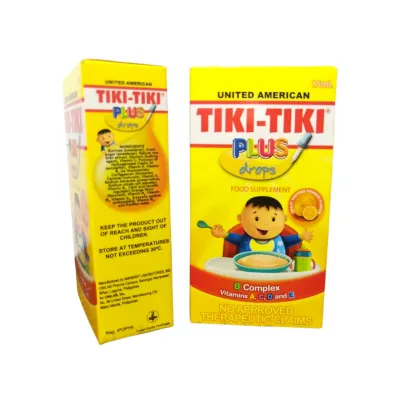
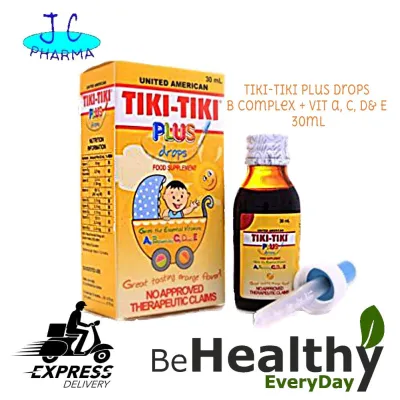


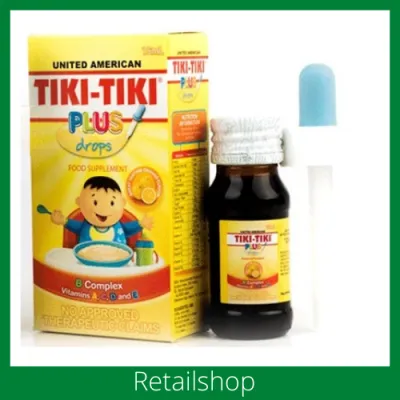
Prices are valid at publication and may change. Please refer to the product page for the latest price.
While these liquid supplements are highly useful, they are strictly designed to bridge temporary nutritional gaps. They should never be treated as a replacement for a balanced, nutrient-rich diet. For infants, breastmilk or infant formula remains the primary and most critical source of nutrition, while toddlers should ideally get their essential vitamins and minerals from a diverse range of solid foods, including fruits, vegetables, grains, and proteins.
Before introducing any new supplement to your child’s daily routine, consulting a pediatrician is an indispensable first step. A qualified healthcare professional can evaluate your child’s current growth milestones, dietary intake, and overall health to confirm whether a supplement is actually necessary. The doctor can also provide personalized recommendations tailored to your child’s specific physiological needs, ensuring you do not introduce unnecessary compounds to their developing system.
Finding the Correct Dosage of Tikitiki Vitamins for Kids Drops
Determining the exact dose of tikitiki vitamins for kids drops is a critical safety step that requires absolute precision. You must always read the specific product label carefully before opening the bottle. Formulations can vary significantly; for instance, standard multivitamin drops have different concentration levels and active ingredients compared to lysine-specific variants or syrups intended for older children. Assuming that all liquid vitamins use the same dosage scale is a common mistake that can lead to health risks.

To guarantee accuracy, always use the dedicated measuring dropper or dosing cup provided inside the product packaging. These tools are calibrated specifically for that exact liquid formulation’s viscosity and concentration. Never substitute the manufacturer’s dropper with a regular kitchen spoon or a dropper from a different medicine bottle, as even a minor difference in size can result in a significant dosing error.
When measuring the liquid, draw the vitamin solution up to the exact line indicated for your child’s specific age or weight bracket. These brackets are carefully calculated by the manufacturer to match the metabolic capabilities of developing children. If your pediatrician has provided a custom dosage plan that differs from the packaging, always defer to the doctor’s specific instructions.
Under no circumstances should you guess the dose or eyeball the liquid level in the dropper. Giving too little means your child will not receive the intended nutritional support, while giving too much can lead to accidental vitamin toxicity, particularly with fat-soluble vitamins that can accumulate in the body. If you accidentally draw too much liquid into the dropper, squeeze the excess back into the bottle and measure again at eye level to ensure perfect accuracy.
Step-by-Step Guide to Administering the Drops Safely
Administering liquid vitamins to a squirming baby or an active toddler can be challenging, but establishing a structured, calm physical routine makes the process safe and efficient. Following a systematic approach helps prevent the liquid from entering the child’s airway, ensuring they swallow the full dose comfortably.
Preparation and Hygiene Before you handle the vitamin bottle or touch your child’s face, wash your hands thoroughly with soap and warm water for at least twenty seconds. This simple step prevents the transfer of household germs to the dropper and your child’s mouth. Next, check the product label to see if the liquid needs to be shaken; if required, shake the bottle gently to distribute the active ingredients evenly. Carefully draw the exact prescribed dose into the dropper, verifying the measurement line at eye level in a well-lit room.
Safe Physical Positioning Never attempt to give vitamin drops while your child is lying completely flat on their back, nor when they are crying, laughing, or throwing a tantrum. Administering liquids in these states significantly increases the risk of aspiration, where the fluid is accidentally inhaled into the lungs instead of swallowed into the stomach. Instead, hold your baby or toddler in a secure, semi-upright position, cradling them in your arm at a 45-degree angle, or have them sit upright on your lap. If your child is highly active, you can gently secure their arms with a soft swaddle or ask another caregiver to help keep them steady.
Correct Dropper Placement Gently place the tip of the dropper inside your child’s mouth, aiming toward the inner side of their cheek—specifically into the pocket known as the buccal pouch. Never point the dropper directly at the back of the throat, the roof of the mouth, or the center of the tongue. Directing the liquid straight down the throat can trigger a sudden gag reflex, cause choking, or lead to immediate spitting up of the entire dose.
Slow and Patient Pacing Dispense the liquid slowly in small, controlled increments rather than squeezing the entire dropper at once. Squeeze a few drops, pause, and wait for your child to swallow naturally before administering the next portion. This patient pacing allows the child to manage the volume of liquid in their mouth comfortably and reduces the likelihood of them coughing or rejecting the taste.
Post-Dose Care Once the full dose has been successfully administered, offer your child a small sip of water, breastmilk, or formula. This helps wash down any remaining vitamin residue from their tongue and throat, clears the strong sweet taste of the drops, and ensures the entire dose is fully swallowed. It also helps transition their focus away from the administration process, leaving them with a pleasant sensation.
Best Timing and Tips for Mixing with Food or Milk
Establishing a consistent daily schedule for giving vitamin drops helps build a reliable routine and ensures steady nutrient absorption. Many parents find it easiest to administer the drops at the same time every morning, which aligns well with the body’s natural daytime metabolic processes. You should consult the specific product label or your pediatrician to determine whether the drops are best absorbed before or after a meal, as some vitamins absorb more efficiently alongside dietary fats while others are best taken on an empty stomach.
If your toddler is a picky eater or strongly resists taking the drops directly from the dropper, mixing the vitamins with food or liquid is a practical alternative. You can safely blend the measured dose into a small portion of room-temperature breastmilk, infant formula, fruit juice, or pureed food like applesauce. However, you must follow strict guidelines to ensure this method is effective and safe.
The most critical rule when mixing vitamins with food or drink is to never stir the dose into a large bottle of milk or a full bowl of food. If your child does not finish the entire portion, they will only receive a fraction of the required vitamin dose, making it impossible to track their actual intake. Instead, mix the drops into a very small, concentrated amount—such as a single spoon of puree or a tiny splash of milk—that you are absolutely certain your child will consume in its entirety. Once they finish that portion, you can offer the rest of their meal.
Additionally, you must avoid mixing the vitamin drops with hot food or hot liquids. High temperatures can rapidly degrade heat-sensitive active ingredients, particularly Vitamin C and B-complex vitamins, significantly reducing the nutritional value of the supplement. Always ensure any milk, formula, or solid food used for mixing is at room temperature or lukewarm before adding the drops.
Storage Guidelines and Safety Precautions
Proper storage is essential to preserve the chemical stability, potency, and safety of liquid multivitamins, especially in the tropical climate of the Philippines. High humidity and heat can accelerate the degradation of vitamins, rendering the supplement ineffective or altering its taste and consistency.
Always store the vitamin bottle in a cool, dry place away from direct sunlight, such as a closed pantry or a high kitchen cabinet. You must read the product label carefully to determine if your specific formulation requires refrigeration after opening. Some liquid vitamins are stable at room temperature, while others must be kept in the refrigerator to prevent bacterial growth and maintain ingredient integrity.
Before every use, perform a quick quality check. Examine the expiry date printed on the box or bottle, and never administer expired vitamins to your child. If you notice any unexpected changes in the liquid’s color, smell, or consistency, discard the bottle immediately and purchase a fresh one. These physical changes can indicate that the product has oxidized, spoiled, or been contaminated.
To prevent accidental poisoning, keep the bottle tightly closed with its child-resistant cap and store it completely out of reach and sight of children. Liquid vitamins often have a sweet, appealing flavor that toddlers may mistake for candy or juice. Ingesting large quantities of vitamin drops can lead to severe iron or vitamin toxicity, which requires immediate emergency medical attention.
Finally, closely monitor your child for any signs of an adverse reaction, especially when starting a new bottle or formulation. If you observe symptoms such as a skin rash, hives, vomiting, diarrhea, or unusual irritability, stop giving the drops immediately and consult your pediatrician. As your child grows and transitions to a fully balanced, diverse solid diet, discuss with your doctor whether the supplement can be gradually phased out, as whole foods should always remain the primary source of daily nutrition.
Frequently Asked Questions (FAQ)
Can I give TikiTiki drops to my newborn?
You should not give over-the-counter vitamin drops to a newborn unless specifically directed by a pediatrician. Newborns have highly delicate digestive and metabolic systems, and their nutritional needs are typically met entirely by breastmilk or infant formula. If a newborn requires specific supplementation, such as Vitamin D, a doctor will prescribe a precise, medical-grade formulation. Always check the minimum age requirement on the product packaging and verify safety with your healthcare provider before introducing any supplement to an infant under six months old.
What should I do if my child spits out the vitamin drops?
If your child spits out or vomits the vitamin drops immediately after administration, do not give them another dose right away. It is difficult to determine exactly how much of the liquid was swallowed, and re-dosing immediately carries a risk of accidental overdose. Instead, wait until the next scheduled dose to try again. If your child consistently rejects, spits out, or vomits their vitamins, consult your pediatrician to discuss alternative administration methods or to evaluate if the supplement is necessary.
Does TikiTiki need to be refrigerated after opening?
To determine if refrigeration is necessary, you must check the storage instructions printed on the specific packaging of the bottle you purchased. Storage requirements vary depending on the exact formulation, preservative system, and manufacturer guidelines. In highly humid and warm environments, keeping liquid supplements in a cool, climate-controlled space or the refrigerator (if directed by the label) is crucial to prevent spoilage and maintain the active ingredients’ efficacy.
Community discussion
Share your experience or ask a question. Comments are reviewed before publication.