
Preparing homemade meals for your baby is an excellent way to ensure they receive fresh, nutrient-dense ingredients tailored to their developmental stage. However, managing daily meal prep can quickly become overwhelming for busy parents. Utilizing a dedicated baby food freezer tray allows you to prepare large batches of purees, freeze them in convenient individual portions, and easily transport them for outdoor feeding.
In a warm and humid environment like the Philippines, maintaining food safety during preparation, freezing, and transit is critical. High temperatures and humidity accelerate bacterial growth, making proper storage protocols essential to protect your baby’s developing digestive system. By mastering the correct techniques for portioning, freezing, and transporting these frozen cubes, you can confidently feed your baby fresh, homemade meals wherever your daily schedule takes you.
What You Need Before You Start
Before you begin preparing your baby’s meals, assembling the right tools is essential for maintaining hygiene and ensuring the food remains safe to consume. The central tool for this process is a high-quality baby food freezer tray. When selecting a tray, always check the manufacturer’s label to verify that it is made from certified food-grade, BPA-free materials, such as platinum silicone or high-density plastic. Look for options that feature secure, airtight lids to prevent freezer burn and protect the food from cross-contamination. High-quality trays in the local market generally range from ₱300 to ₱900, depending on the material and brand.
Products mentioned in this guide
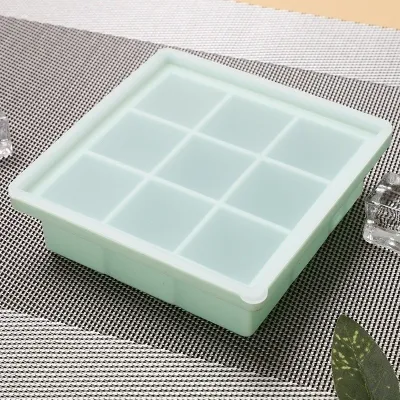
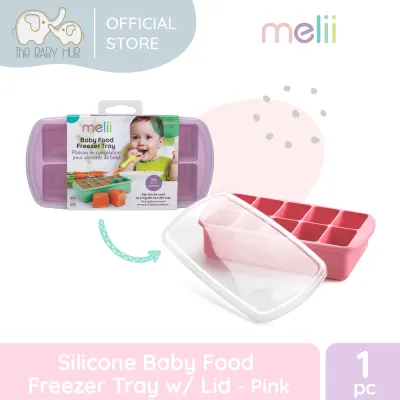
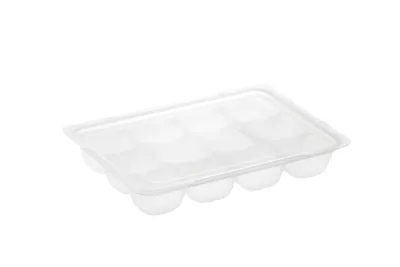
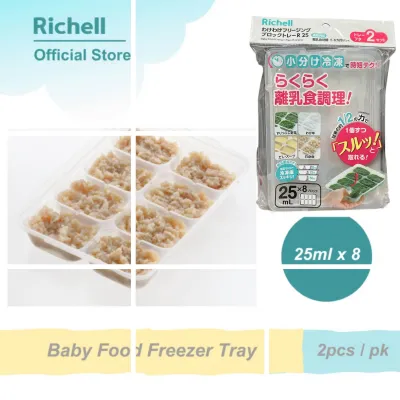
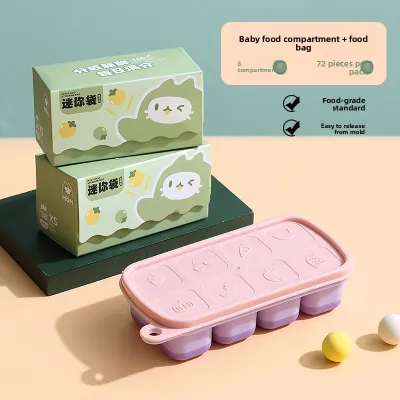
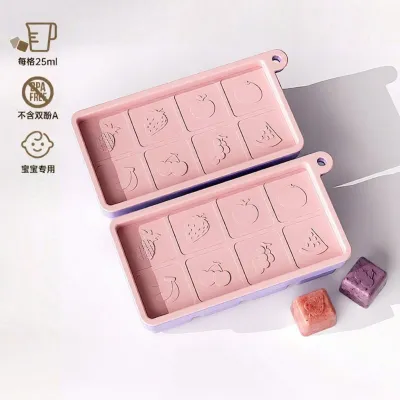
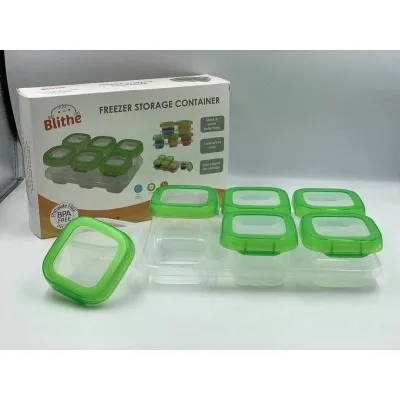
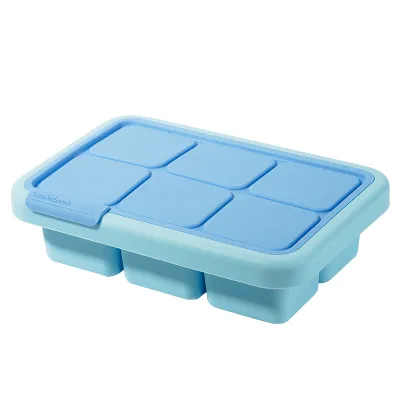
Prices are valid at publication and may change. Please refer to the product page for the latest price.
In addition to the freezer tray, you will need a reliable blender, food processor, or hand-held immersion blender to achieve the smooth consistency required for early feedings. For long-term storage, prepare airtight freezer-safe bags or silicone storage pouches; these allow you to transfer frozen cubes out of the tray, freeing it up for your next batch of prep. For transport, invest in a well-insulated travel bag or mini cooler bag, along with several reusable gel ice packs that can maintain cold temperatures during outdoor trips.
Hygiene is the most critical factor in preventing foodborne illness. Before handling any ingredients or equipment, thoroughly wash your hands with soap and water for at least 20 seconds. Clean and sanitize your kitchen countertops, cutting boards, knives, and blending equipment. Because the local tropical climate naturally encourages the growth of mold and bacteria on damp surfaces, ensure that all washed tools and trays are completely air-dried or dried with a clean, single-use paper towel before use.
Step-by-Step Guide to Prepping and Freezing
To begin prep, select fresh, high-quality fruits, vegetables, or meats. Wash all produce thoroughly under running water, peeling and removing seeds or pits as necessary. Steam, boil, or bake the ingredients until they are soft enough to be easily mashed with a fork. Steaming is often preferred as it helps retain the maximum amount of water-soluble vitamins and nutrients. Once cooked, transfer the ingredients to your blender and process them until you reach the appropriate texture for your baby’s specific developmental stage, adding a small amount of breast milk, formula, or cooking water if needed to thin the mixture.

Once the puree has cooled to room temperature, carefully spoon or pour it into the compartments of your baby food freezer tray. When filling the tray, avoid filling the compartments completely to the brim. Water-based purees expand as they freeze, so leave a small gap of about 2 to 3 millimeters at the top of each well. This prevents the individual portions from expanding upward, merging together, or pushing the tray lid open, which can expose the food to dry freezer air.
After portioning, place the secure lid onto the tray. If your tray does not come with a dedicated lid, wrap the entire tray tightly with food-grade plastic wrap or aluminum foil to create a protective barrier. Place the tray on a flat, level surface in the coldest section of your freezer. Keeping the tray level prevents spills and ensures that each portion freezes into a uniform, easily manageable cube. Allow the food to freeze completely, which typically takes between 8 and 12 hours.
Never skip the labeling step. Use a waterproof marker and freezer tape to write the exact type of food and the preparation date clearly on the tray lid or the storage bag. Because different purees can look remarkably similar once frozen, clear labels prevent confusion and help you track storage times, ensuring you always serve the oldest portions first.
Safe Storage and Thawing Methods
Leaving frozen food cubes in the freezer tray indefinitely is not recommended unless the tray features a specialized, airtight hermetic seal. For standard trays, it is best to transfer the cubes once they are frozen solid. Gently pop the frozen portions out of the silicone or plastic compartments and place them immediately into a heavy-duty, zip-top freezer bag or an airtight silicone container. Squeeze out as much excess air as possible before sealing the bag to minimize the risk of freezer burn, then return the bag to the freezer immediately.
When it is time to feed your baby, planning ahead is the safest approach to thawing. The most recommended method is to transfer the required number of food cubes from the freezer to a clean, covered dish in the refrigerator, allowing them to thaw slowly overnight. If you need to thaw a portion quickly, place the frozen cube inside a small, heat-safe glass jar or silicone pouch, and submerge it in a bowl of warm water, stirring occasionally to ensure even heat distribution.
To preserve food safety, there are several critical practices you must avoid. Never refreeze baby food that has already been thawed, as the thawing process allows dormant bacteria to multiply, and refreezing will trap these pathogens in the food. Additionally, always consult the manufacturer’s guidelines before placing any plastic or silicone freezer trays directly into a microwave or bottle warmer. Different materials have distinct temperature thresholds, and exceeding these limits can cause the material to degrade, warp, or potentially leach chemicals into the food.
Transporting and Feeding On the Go
Transporting baby food in warm, tropical climates requires careful temperature management to keep the food outside of the bacterial “danger zone,” which ranges from 4°C to 60°C. When preparing to leave the house, place the solid, frozen baby food cubes into a small, leakproof, airtight container. Pack this container inside an insulated lunch bag, placing frozen gel ice packs directly underneath, on top of, and around the food container. Keep the insulated bag zipped closed and out of direct sunlight as much as possible while traveling.
If you plan to feed your baby while away from home, you can manage the thawing process safely without relying on a refrigerator. For short trips, the food cubes will slowly soften inside the insulated bag but remain safely chilled. When you are ready to warm the food, place the sealed container of baby food inside a wide-mouth thermos filled with hot water for a few minutes. Avoid leaving the food container sitting out on a table to thaw at room temperature, as the high humidity and ambient heat can rapidly encourage bacterial growth on the outer edges of the food while the center remains frozen.
When serving the meal, never feed your baby directly from the travel storage container if you plan to save any leftovers. Saliva from your baby’s mouth contains enzymes and bacteria that transfer from the spoon into the food, which will quickly spoil the remaining portion. Instead, spoon the desired amount of thawed puree into a separate, clean feeding bowl and keep the rest sealed. Once the feeding session is complete, immediately discard any uneaten food left in the feeding bowl. Do not save partially consumed portions for later use.
Cleaning and Maintaining Your Freezer Tray
To ensure your baby food freezer tray remains hygienic over time, proper cleaning after every use is essential. Check the manufacturer’s instructions to confirm if your tray is dishwasher-safe. If hand washing, use warm water, a mild, fragrance-free dishwashing liquid, and a soft sponge. Avoid using abrasive scrubbing pads or harsh wire brushes, as these can create microscopic scratches on the surface of plastic or silicone. These tiny crevices can trap food residue and become breeding grounds for bacteria.
Silicone freezer trays are highly durable but can occasionally absorb strong food odors or develop orange or red stains from beta-carotene-rich foods like carrots, squash, and sweet potatoes. To remove these stains and lingering smells naturally, mix baking soda and water to form a thick paste. Apply the paste generously over the stained areas, let it sit for approximately 30 minutes, then scrub gently with a soft sponge and rinse thoroughly with warm water. Alternatively, soaking the tray in a mixture of equal parts warm water and white vinegar can help neutralize stubborn odors.
Regularly inspect your freezer trays for signs of physical wear and tear. Over time, repeated freezing and washing can cause plastics to become brittle and silicone to degrade or lose its elasticity. Inspect the compartments closely for any cracks, deep scratches, tears, or a sticky residue that does not wash away. If you detect any structural damage or material breakdown, stop using the tray immediately and replace it to prevent material particles from contaminating your baby’s food.
Frequently Asked Questions (FAQ)
How long can baby food cubes stay frozen?
For optimal nutrient retention and quality, frozen vegetable and fruit purees are best consumed within 6 to 8 weeks of freezing. Purees that contain cooked meats, poultry, fish, or dairy should be used within 1 to 2 months. While food kept constantly at -18°C remains technically safe from bacterial growth indefinitely, prolonged storage can lead to freezer burn, texture changes, and a loss of natural flavors. Always check the labels you applied during prep, and inspect each cube for large ice crystals, discoloration, or unusual odors before thawing and serving.
Can I use a regular ice cube tray instead of a baby food freezer tray?
It is highly recommended to use a purpose-built baby food freezer tray rather than a standard household ice cube tray. Standard ice trays are often made from rigid plastics that are not certified as food-grade or BPA-free, and they can easily crack when twisted to release frozen portions. Furthermore, regular ice trays typically lack secure lids, leaving the baby food exposed to cold, dry air and potential cross-contamination from raw foods stored nearby in the freezer. Dedicated baby food trays feature flexible food-grade silicone bases for easy portion removal, exact volume measurements per compartment, and airtight lids designed to preserve food quality and safety.
Community discussion
Share your experience or ask a question. Comments are reviewed before publication.