
To position your nursing pillow on a breastfeeding chair for an optimal latch and complete back support, you must secure the pillow tightly around your waist at breast height, sit fully back against the chair’s lumbar support, and elevate your feet to keep your knees slightly raised. This combined setup brings your baby directly to your breast without requiring you to hunch forward, protecting your spine while facilitating a deep, pain-free latch.
Breastfeeding is a beautiful bonding experience, but the physical demands of feeding a newborn multiple times a day can quickly take a toll on your body. New mothers often spend hours huddled over their babies, leading to a common cluster of postpartum aches known as “nursing neck” or upper back strain. The key to breaking this cycle of discomfort lies in optimizing the relationship between your primary seat—the breastfeeding chair—and your nursing pillow.
When these two tools are configured correctly, they form an ergonomic system that supports your postpartum recovery and your baby’s developmental needs. Rather than treating the chair and the pillow as separate items, aligning them systematically ensures that every feeding session is a restorative break rather than a physical chore.
Products mentioned in this guide

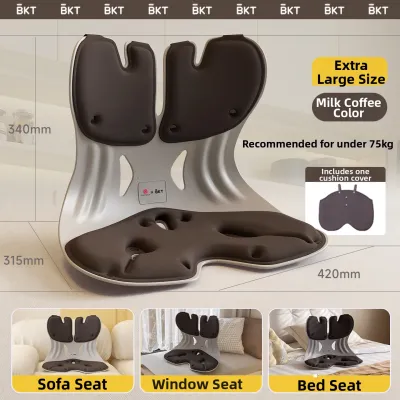


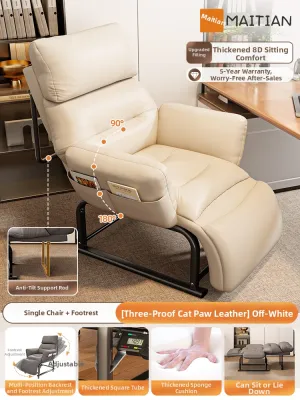

Prices are valid at publication and may change. Please refer to the product page for the latest price.
Setting Up Your Breastfeeding Chair for Maximum Support
Before you even pick up your nursing pillow, you must establish a stable, supportive foundation in your seating area. A high-quality breastfeeding chair should offer firm lumbar support that maintains the natural inward curve of your lower spine. Soft, deep couches might feel inviting at first, but they often cause your pelvis to tilt backward, slouching your spine and placing immense pressure on your lower back muscles during a long feed. When purchasing a breastfeeding chair, verify that the product meets current safety certifications and check for any manufacturer recalls to ensure a secure environment.
To optimize your pelvic alignment and relieve lower back tension, always use a footstool, nursing stool, or ottoman. Resting your feet on an elevated surface lifts your knees slightly above your hips. This subtle shift tilts your pelvis forward, automatically aligning your vertebrae and making it significantly easier to sit upright without active muscular effort.
Next, evaluate the height and position of the chair’s armrests. Ideally, the armrests should be at a height where your elbows can rest comfortably at a 90-degree angle without forcing your shoulders to shrug upward toward your ears. If the armrests are too low, your arms will hang, pulling your shoulders down and straining your neck; if they are too high, your shoulder muscles will remain tensed throughout the feed.
Finally, prepare your immediate environment before settling in. In the Philippines, where tropical afternoons can get quite warm, ensure that a cold bottle of water, a refreshing local drink like warm calamansi juice, burp cloths, your phone, and any nipple care creams are within arm’s reach on a nearby side table. Reaching, twisting, or bending mid-feed to grab a forgotten item can disrupt your baby’s latch and instantly compromise your spinal alignment.
How to Position and Secure the Nursing Pillow on Your Lap
Once your chair is adjusted, you can introduce the nursing pillow. The primary objective is to create a seamless, solid platform that supports the weight of your baby so your arms and shoulders do not have to. Before use, always verify your specific pillow’s age and weight range recommendations in the manufacturer’s documentation.

Wrapping and Fastening the Pillow Snugly
Begin by placing the nursing pillow across your lap and wrapping it tightly around your waist. If your pillow features an adjustable strap, buckle, or tie system, fasten it securely at your side or back. The fit should be snug enough that the pillow remains firmly in place when you move, yet loose enough that it does not restrict your breathing or press uncomfortably against your healing abdomen, which is particularly crucial if you are recovering from a Cesarean delivery.
A critical safety check during this step is the elimination of any gap between the inner curve of the pillow and your stomach. If a gap exists, your baby can easily roll inward, sliding into the crevice between your body and the pillow. This not only disrupts the feeding angle but also poses a safety hazard. Always pull the pillow flush against your torso so that the padded surface extends directly from your abdomen.
Ensure the pillow is resting horizontally across your thighs rather than tilting downward. A loose pillow that slants away from your body forces you to use your hands constantly to keep the baby from sliding off, defeating the ergonomic purpose of the support system.
Adjusting the Height and Surface Angle
The golden rule of comfortable breastfeeding is to bring the baby to your breast, never bring your breast to the baby. Hunching your shoulders and leaning your torso forward to reach a baby lying too low will inevitably lead to chronic upper back and neck pain.
If you secure the pillow and find that its top surface sits several inches below your breasts, you must elevate the platform. Do not attempt to bridge this gap by slouching. Instead, slide a firm bed pillow, a folded cotton blanket, or a firm cushion underneath the nursing pillow to raise it to the correct level.
The top surface of the pillow must provide a stable, level plane. Depending on your body shape and the design of your breastfeeding chair, you may want to angle the surface slightly toward your torso. This gentle inward slope naturally coaxes your baby to roll toward you, keeping them secure and minimizing the effort required to hold them in position.
Placing Your Baby for a Comfortable and Proper Latch
With your chair and pillow properly aligned, you can now transition your baby onto the feeding platform. Proper positioning is the foundation of a deep, pain-free latch, which is essential for efficient milk transfer and preventing nipple damage. Always maintain close caregiver supervision during use, and remember that nursing pillows are intended solely for feeding and must never be used for infant sleep.
When laying your baby on the pillow, prioritize “tummy-to-tummy” alignment. Your baby should be turned completely on their side, facing your body, so that their chest and belly press gently against yours. A common mistake is leaving the baby flat on their back with their head turned toward the breast. This forces the baby to swallow at an awkward angle, leading to poor milk intake, gas, and a shallow, painful latch. Ensure that your baby’s ear, shoulder, and hip form a straight, unbroken line.
As you guide your baby toward the breast, support their neck and upper shoulders with your hand or forearm. Avoid placing direct pressure on the back of your baby’s head; babies instinctively push back against pressure on the occiput, which can cause them to arch away from the breast and pull on the nipple. Instead, cradle the base of their skull gently, allowing their head to tilt slightly back.
Use the elevated surface of the nursing pillow to bring your baby’s nose level with your nipple. This positioning encourages your baby to look up, which prompts them to open their mouth exceptionally wide. Wait for that wide-open, “baby yawn” mouth before gently and swiftly bringing their head onto the breast, aiming the nipple toward the roof of their mouth.
Once latched, observe your baby’s positioning and comfort. A proper, deep latch is characterized by flanged (rolled outward) lips, a wide mouth that covers a large portion of the lower areola, and a rounded chin pressed firmly into your breast. You should hear steady swallowing sounds without any clicking or smacking noises. Most importantly, while you may feel initial stretching pressure, breastfeeding should not cause sharp or lingering pain. If it does, break the suction gently with your finger and try again.
Verifying Your Posture to Prevent Back and Neck Strain
During the first few weeks postpartum, feeding sessions can last anywhere from twenty to forty-five minutes. It is easy to start a session with perfect posture only to find yourself slouching ten minutes later. Performing regular posture checks throughout the feed is vital for your long-term physical well-being.
Visualize your maternal alignment: your ears should sit directly over your shoulders, and your shoulders should align over your hips. Lean back completely into the backrest of your breastfeeding chair, letting the chair support your body weight. If you find yourself hovering over your baby or peering down intensely, gently tuck your chin and lean back, trusting the nursing pillow to keep your baby at the correct height.
Rest your elbows and forearms comfortably. They should settle naturally onto the chair’s armrests or the sides of the nursing pillow. This support unloads the weight of your baby from your trapezius and deltoid muscles, preventing the burning shoulder aches that plague many nursing mothers.
Pay close attention to your body’s warning signs. Numbness or tingling in your hands, a dull ache between your shoulder blades, or stiffness in your neck are clear indicators that your muscles are overcompensating for a poor setup.
If you experience sharp pain or persistent discomfort, do not try to push through the session. Instead, safely break your baby’s latch by inserting a clean finger into the corner of their mouth to release the suction. Set your baby down in a safe space, stand up to stretch, readjust your chair cushions and pillow straps, and rebuild your ergonomic setup before resuming the feed.
Quick Fixes for Common Nursing Pillow and Posture Issues
Even with a high-quality breastfeeding chair and a premium nursing pillow, environmental factors and physical differences can sometimes disrupt your comfort. Fortunately, minor adjustments can resolve most common challenges.
If your baby tends to slide down or drift away from your body during a feed, your waist strap may have loosened. Try tightening the buckle to pull the pillow closer. Alternatively, placing a small, non-slip silicone mat or a textured cloth beneath the pillow cover can add enough traction to prevent the fabric from sliding against your clothing.
For chairs with armrests that are too low or spaced too far apart, you may experience arm fatigue as you try to bridge the gap. You can easily solve this by tucking small, firm accent cushions or rolled-up towels under your elbows. This fills the empty space and allows your upper body to relax completely.
In the warm, humid climate of the Philippines, synthetic pillow covers can quickly become hot, sticky, and uncomfortable for both you and your baby. To combat this, opt for a breathable, 100% cotton pillow cover, or drape a lightweight, breathable muslin swaddle cloth over the pillow before placing your baby down. This simple barrier absorbs sweat, keeps the feeding surface cool, and is easy to wash.
Remember that while these physical adjustments can resolve structural discomfort, they are not a substitute for clinical guidance. If you continue to experience persistent nipple pain, cracked skin, or if your baby struggles to maintain a latch or gain weight, consult a certified lactation consultant (such as an IBCLC) or your pediatrician. They can evaluate your baby’s oral anatomy and feeding mechanics to ensure a safe and successful breastfeeding journey.
Frequently Asked Questions (FAQ)
Can I use regular bed pillows instead of a dedicated nursing pillow?
While you can certainly use regular bed pillows in a pinch, they generally lack the structural integrity and safety features required for consistent, comfortable breastfeeding. Regular bed pillows are designed to compress under weight, meaning they will quickly sink and shift during a feed, forcing you to constantly readjust them or hunch forward to maintain the latch. Additionally, bed pillows do not wrap around your waist or feature securing straps, leaving dangerous gaps where your baby can slip or roll. A dedicated, firm nursing pillow provides stable, predictable height and keeps your baby safely positioned close to your body.
How do I know if my breastfeeding chair armrests are interfering with the pillow?
Your breastfeeding chair armrests are interfering if they force your shoulders to shrug upward or prevent your nursing pillow from sitting flat against your lap. To test this, sit in your chair with your pillow buckled on. If the armrests push the sides of the pillow upward, creating a bowl shape that rolls your baby inward, the armrests are too high or the pillow is too wide for that specific chair. Conversely, if your elbows cannot reach the armrests without you leaning heavily to one side, the armrests are too low. You can remedy low armrests by placing small supportive cushions under your elbows, or compensate for high armrests by choosing a narrower, more compact nursing pillow.
Community discussion
Share your experience or ask a question. Comments are reviewed before publication.